PLEASE DO NOT USE MY IMAGES WITHOUT EXPRESSED WRITTEN PERMISSION.
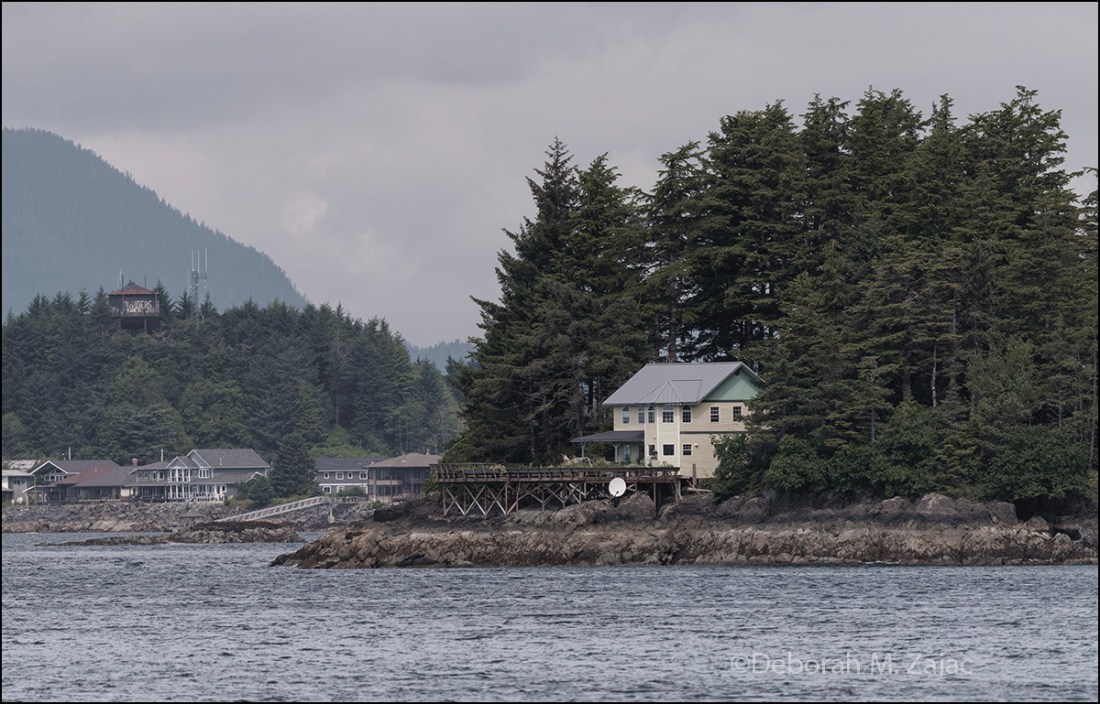
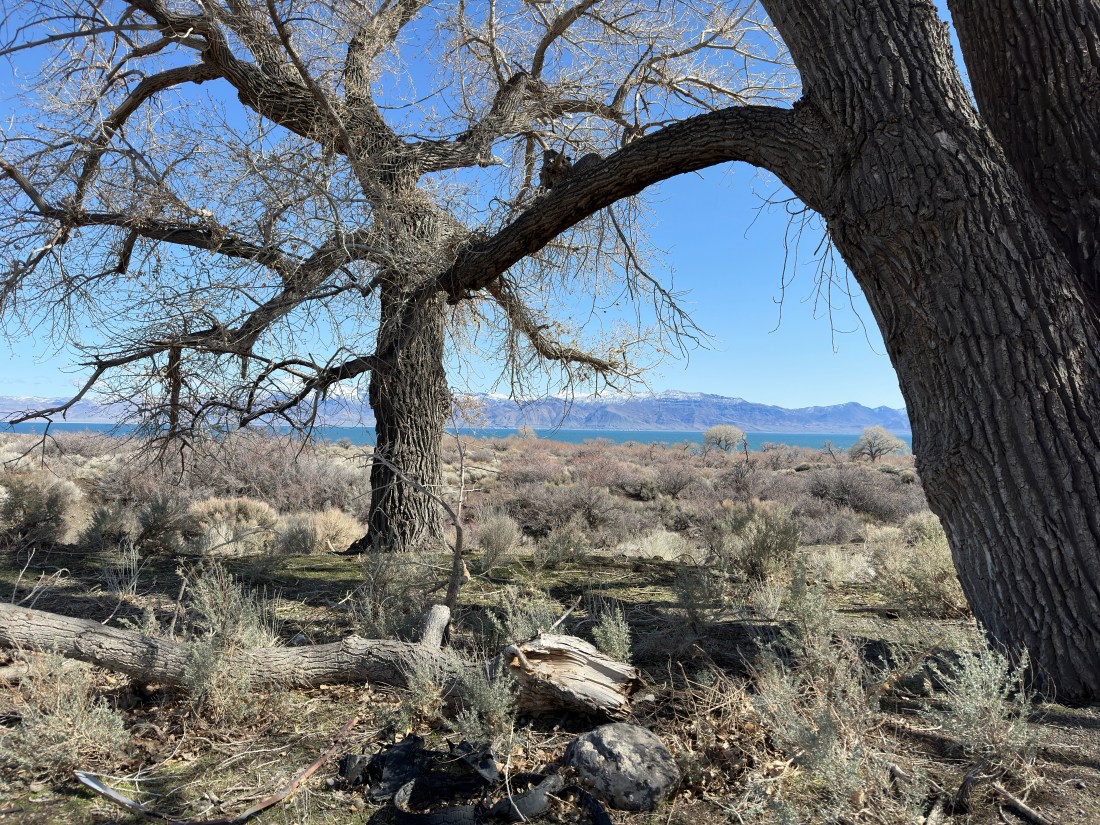
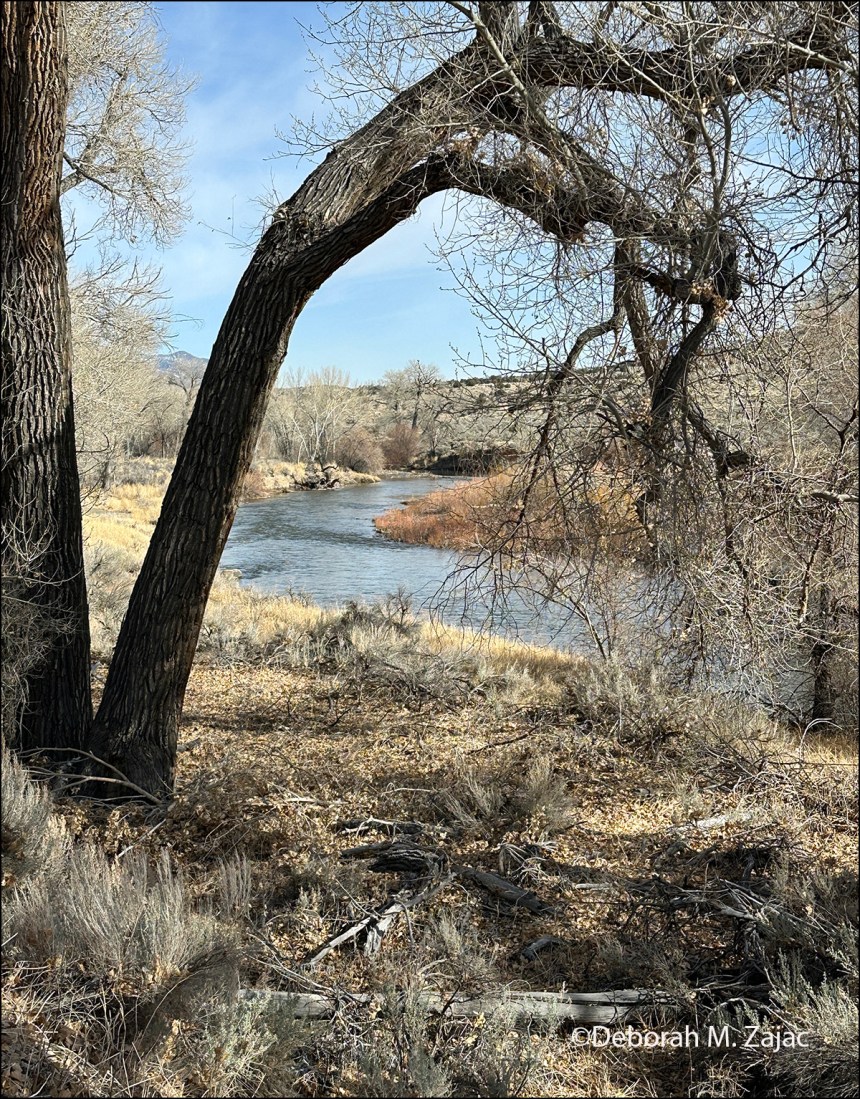
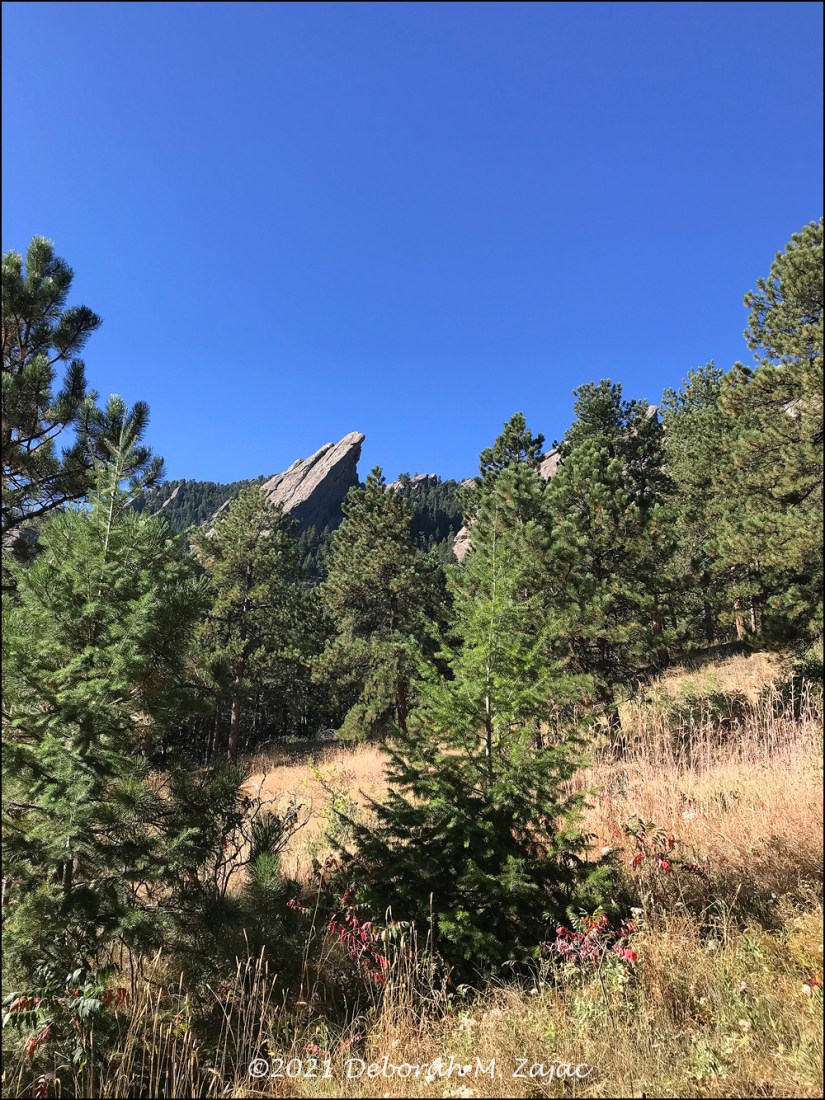
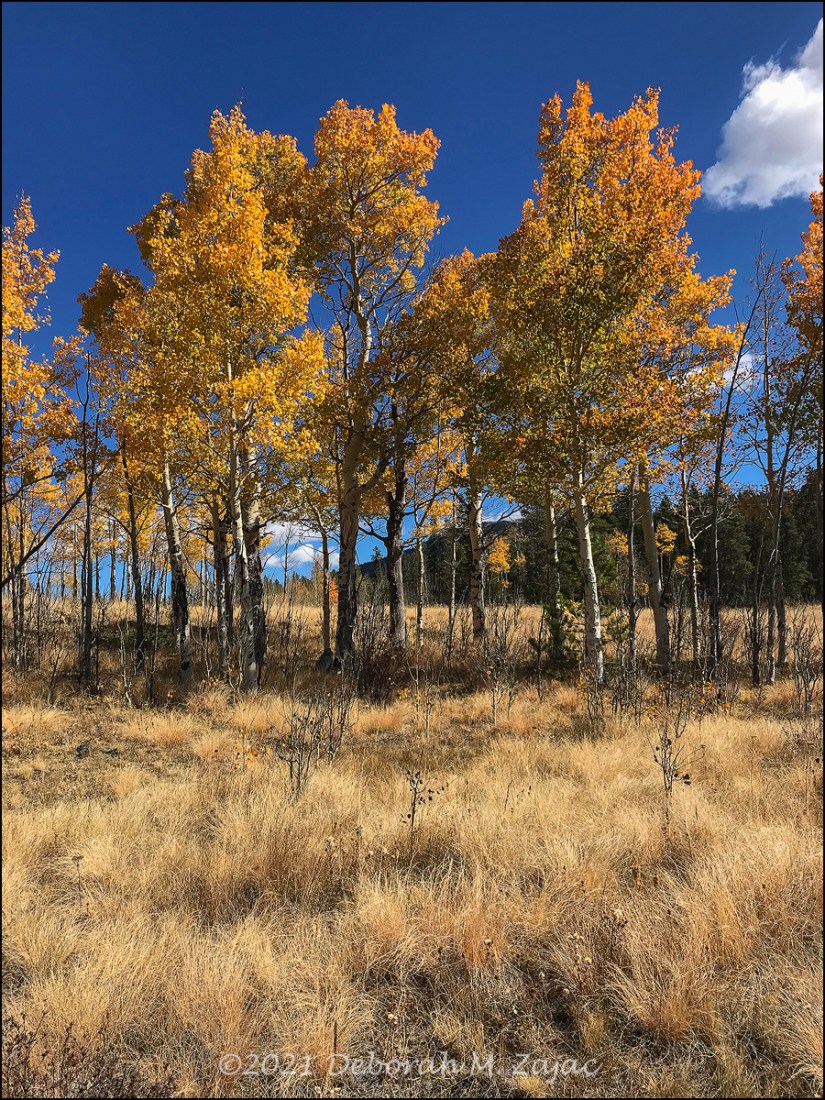
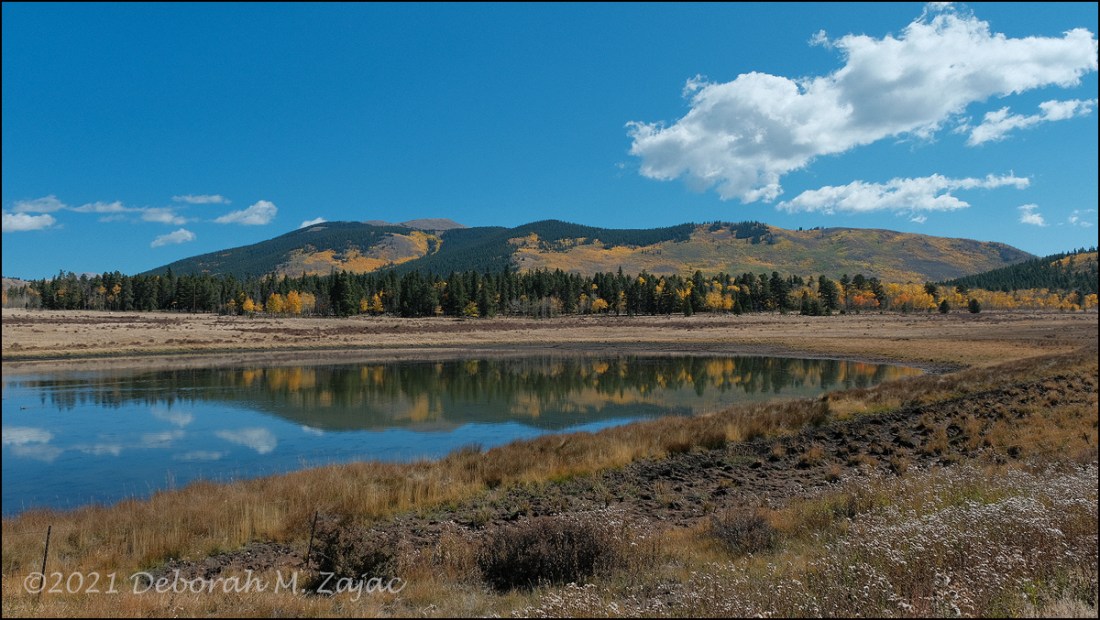
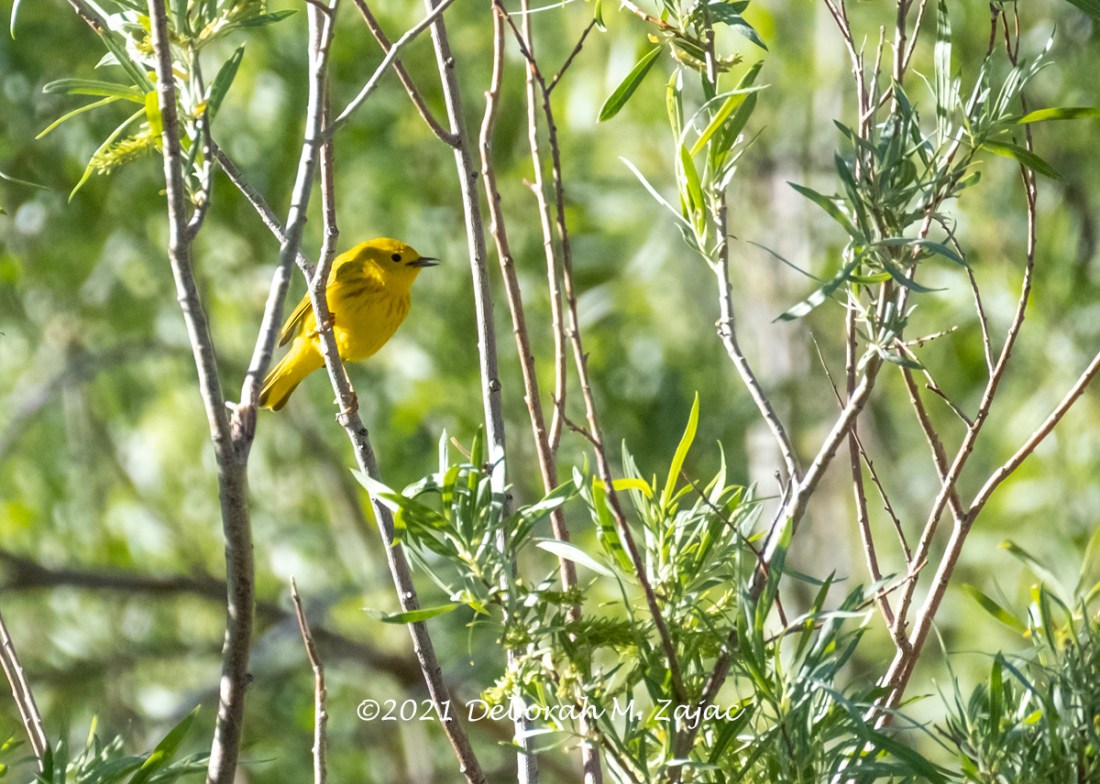
This week for Cee’s Fun Foto Challenge they’re doing Subjects Framed by Nature. Here are 4 I’ve selected from my archives for this challenge. I might not ever share these were not for this challenge. 😊
PLEASE DO NOT USE MY IMAGES WITHOUT EXPRESSED WRITTEN PERMISSION.
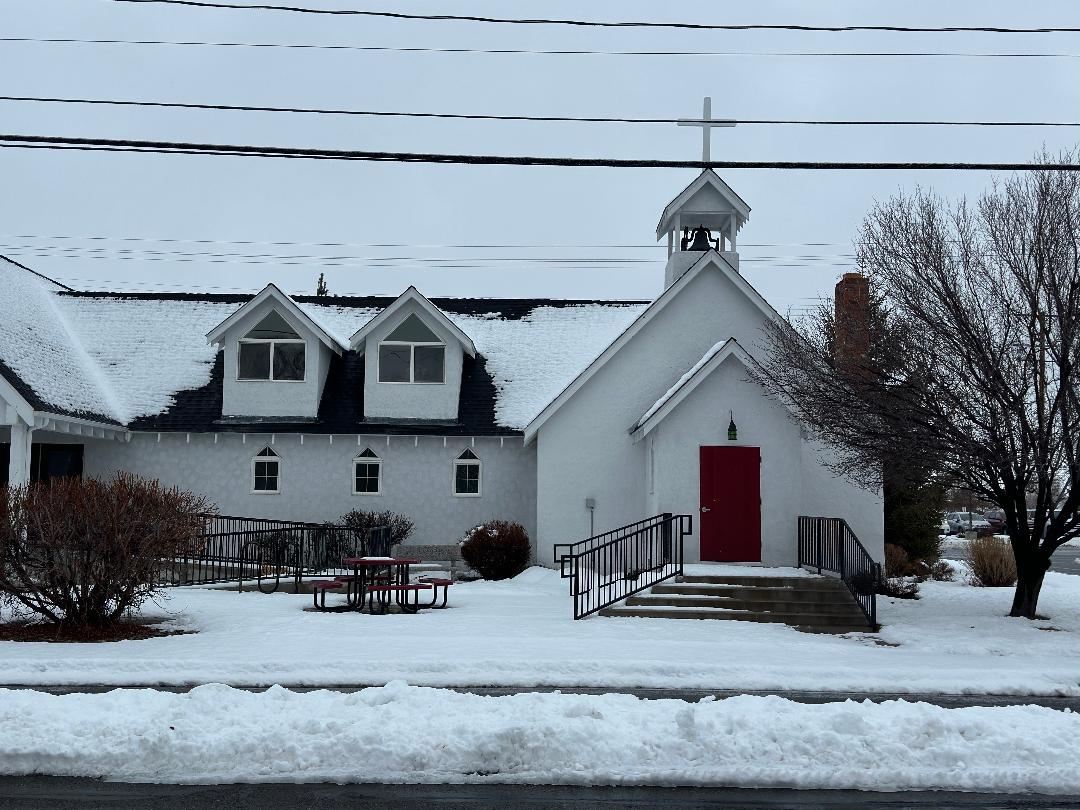
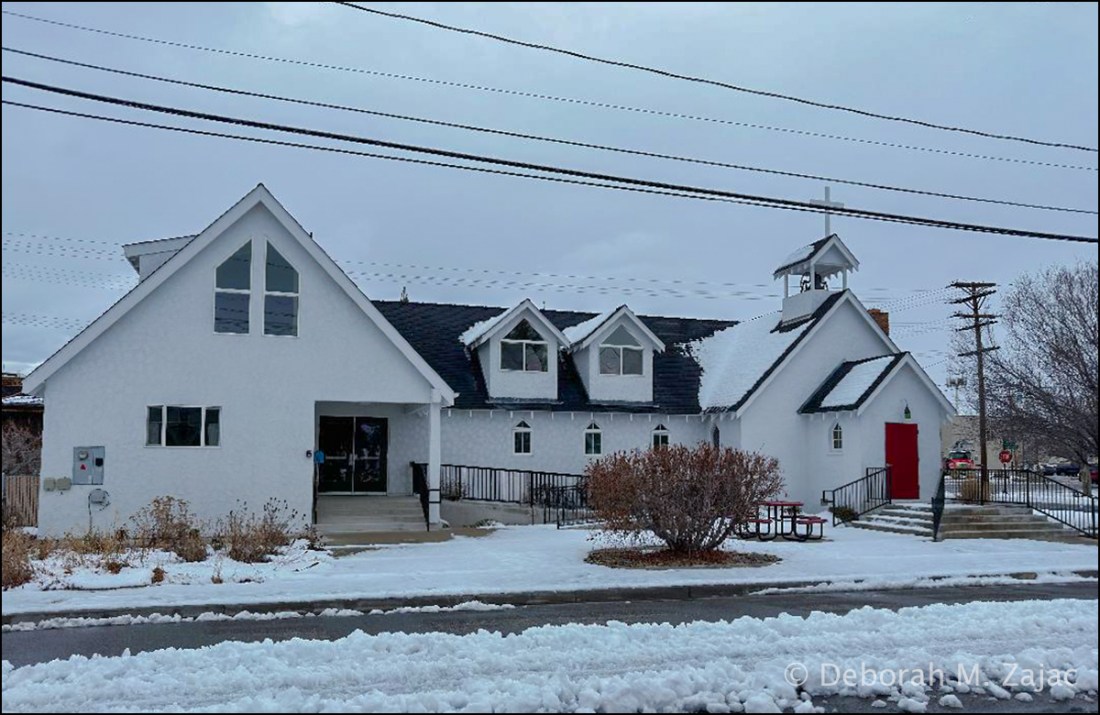
Coventry Cross Episcopal Church is in my town, and I see this cross every time I drive through town using the main Hwy/Interstate 395. FYI the speed limit through this section of town is 25 MPH.
Wooden Cross
I’ve often wondered what the door(s) and front of the church look like so while I was in town running errands earlier this week I used the back streets to go just a couple of blocks from one place to another and finally saw the front doors.
As you can see it was gray, it was cold Tuesday morning, and there’s still snow on the ground from last week-end’s big snow storm.
Here’s a look at their glass doors and the whole building.
I didn’t bother taking out all the wires because I would have taken out the Cross on top of the bell tower too. My Photoshop skills aren’t good enough to put the cross back. What a shame to have all these wires going across it, but this is how it really looks. 😀
I did find a wee bit of history about this building on their site.
It says, ” Coventry Cross Episcopal Church, a member of the Episcopal Diocese of Nevada. Serving the communities of Douglas County, Nevada , for over 55 years.
Coventry Cross Chapel was moved from its original site in Smith Valley, Nevada, to its present location in Minden, in October of 1954, to become the town’s first church. Before that, local Episcopalians worshipped in members’ homes and other buildings. While in Smith Valley, the Chapel was given the carved stone Tudor Cross which had stood on the porch of the Cathedral of St. Michael (Coventry Cathedral) at Coventry, England. Honoring the gift, the Chapel became “Coventry Cross Episcopal Church.” The rose quartz cross stands about three feet high and is carved with 28 Tudor roses with points terminating in a large blossom. It stands on the rood beam over the altar. At some point in its history it was stained brown to match the beam. The mantel of the fireplace (the original heat for the church) came from 14th century Malmesbury Abbey in England; the left corner stone of the fireplace is from a first century Roman wall at St. Alban’s; and the right corner stone is from 17th century St. Paul’s in London. The new parish hall modifies and expands the one built in 1958.”
Doesn’t that rose quartz cross and mantel sound lovely! I wish the chapel was open so I could have seen both. Maybe one day.
This post is part of the Thursday Doors group hosted by Dan Antion over at No Facilities which you can click on to see other doors from around the world- here
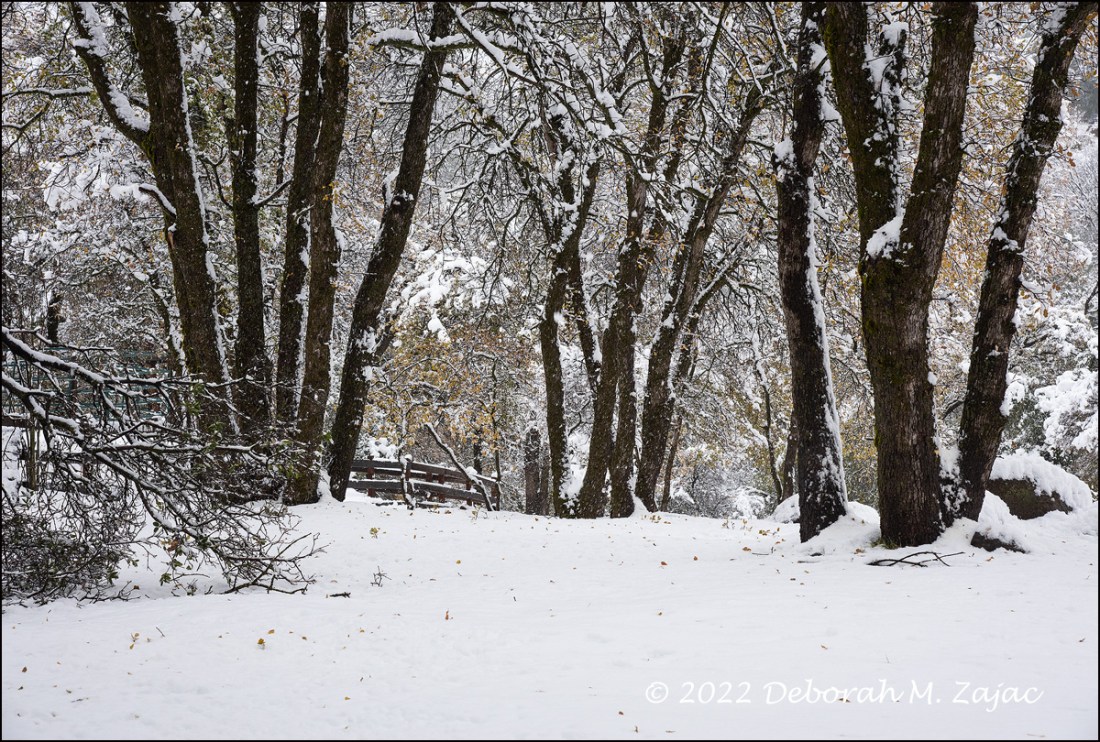
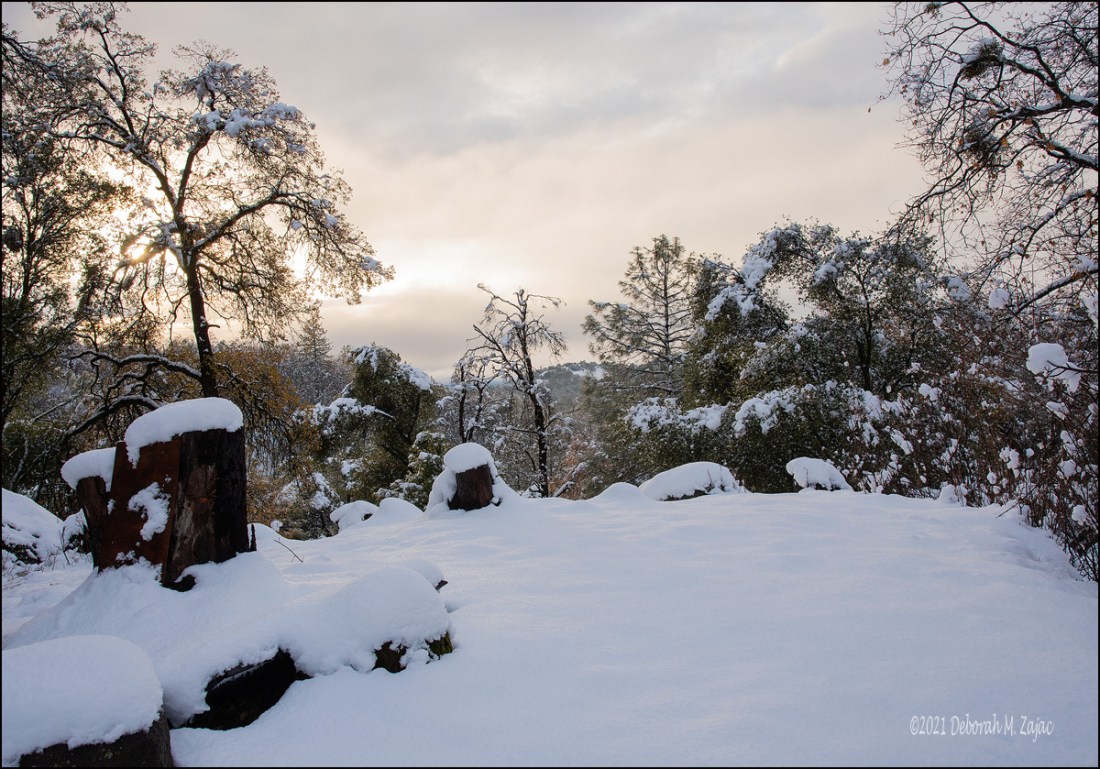
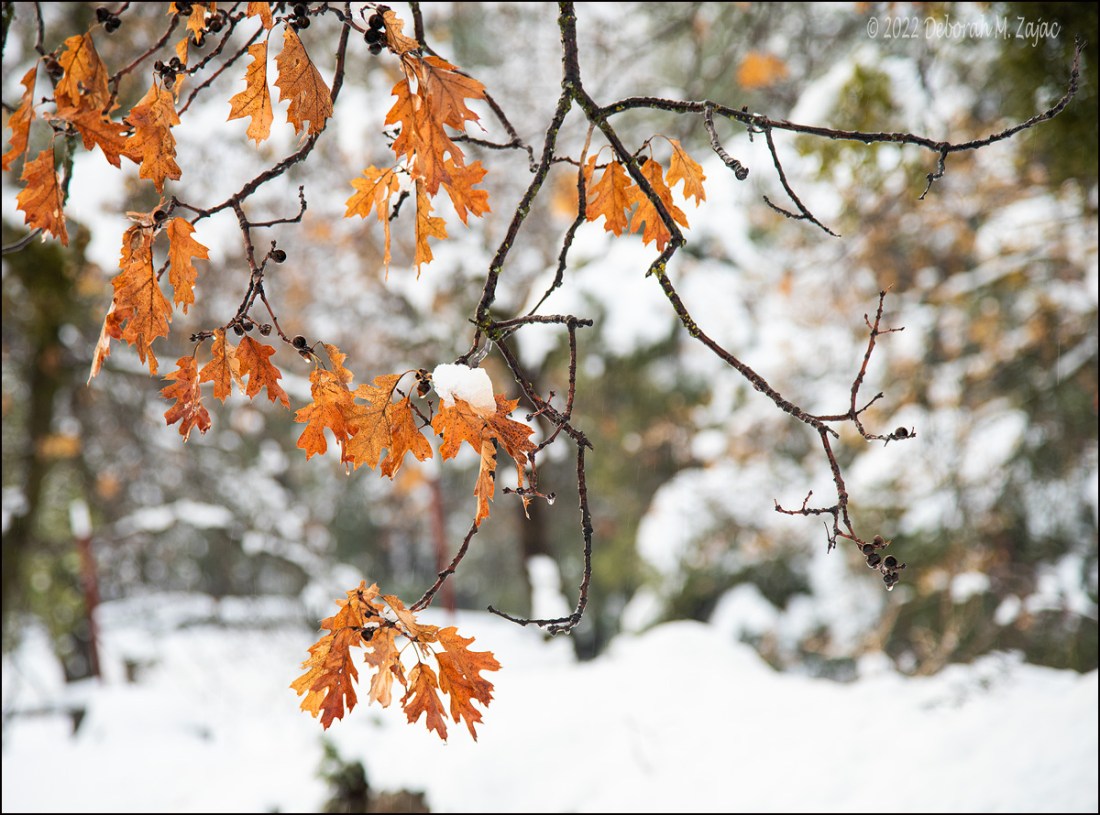
As I mentioned in my last post we had a window of opportunity to get across the mountains to go to our daughter’s for Christmas so we took it. A couple of days later after it had stopped snowing I put on some boots and headed outside a couple of times to photograph some of the Oak trees on my daughter’s property while the snow was fresh.
Oaks along the fence lineWhite Christmas after the stormLast lightStill hanging on
We had a low of 11 degrees on Sunday but, it’s warming up my weather app says it’s going to be 50 degrees today…it said that about yesterday too but, the high was 49 which I was happy about! It was windy making it feel colder but, my walk to the mailbox was pleasant.
I hope you’re staying warm and your new year has started off well.
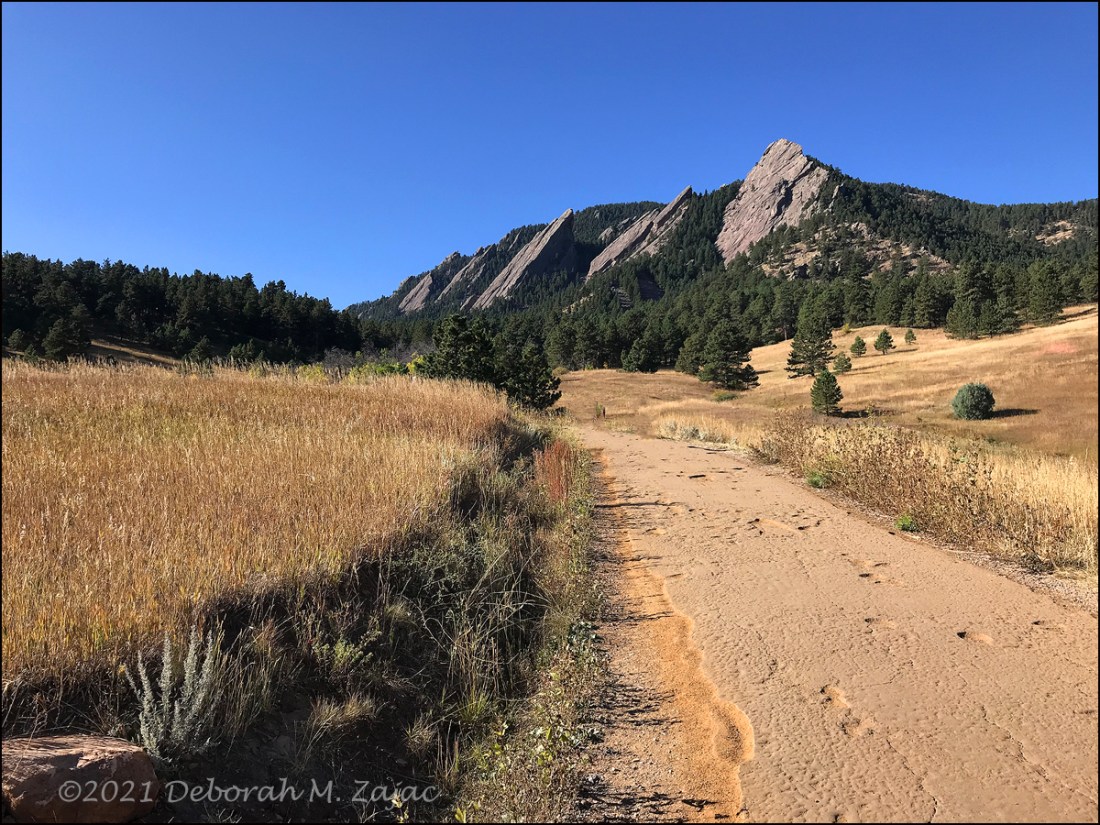
Have you heard of or been to the Flatirons outside of Boulder, CO? I had never heard of them before, but I ran across an article or review of them while researching “things to do in and around Denver”. The hikes sounded interesting and pretty so we added this destination to our itinerary.
It was just over an hours drive from our hotel so we got up early had breakfast at the hotel then headed out for Chautauqua Park in Boulder, CO. That’s where we’d find the Flatirons. They’re rock formations that back in the 1900’s were know as the Chautauqua Slabs, and later they were called the Crags… Wikipedia.
They do resemble clothes irons. They’re numbered 1 through 5. The big one in front is number 1.
The Flatirons
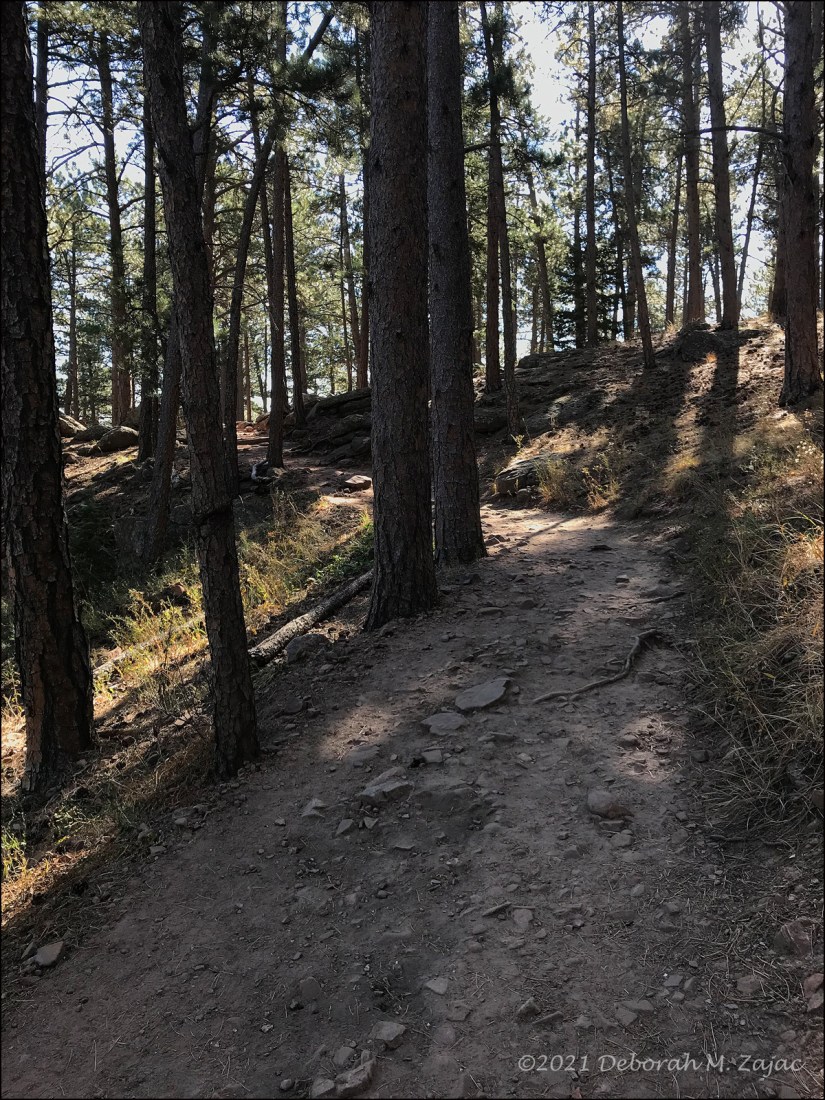
Upon arriving and reading the trail map we discovered a big sign notifying hikers that the trail we hoped to hike was closed for repairs, so Plan B. We hiked up this trail in the image above and caught the Bluebell-Baird trail which made a nice loop and a great stretch the legs hike.
Ready? Let’s go I’ll show some of what I saw along the way.
The wide open space soon changed to a dense forest.
Bluebell-Baird Trail
There were still some wildflowers in bloom. I think this is Narrow Goldenrod, but I’m not positive. Any one know for sure? I apologize for the missed focus. My iPhone and I weren’t having a good moment with focus. 😂
Narrow Goldenrod ?
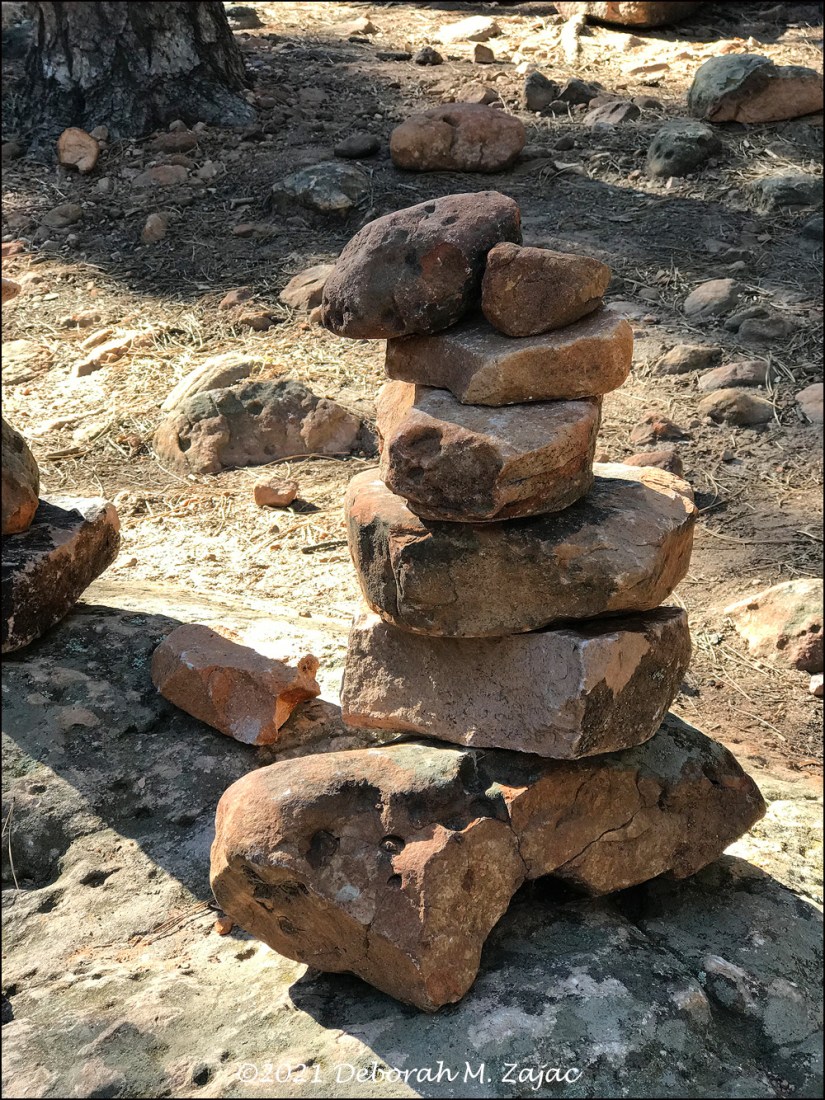
We walked around a bend in the trail and on both sides of the trail were cairns! I can’t recall seeing so many in one place before!
Cairns, cairns, cairns!
There are so many! More than fit in my frame. The park had fenced off both sides of this area but, if you know me and rocks…you just know what happened next. Shhh! Don’t tell anybody, but I had to, HAD TO add a rock to a cairn. This one.
Added one rock on top. Cairn Bluebell-Baird Trail Chautauqua Park
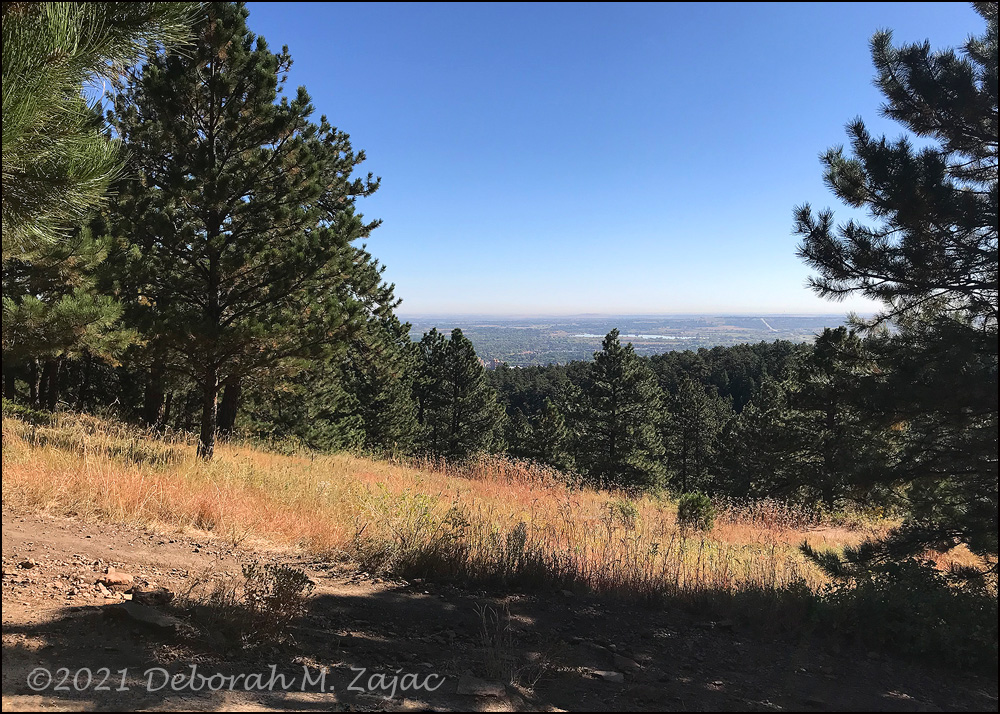
Then before we knew it we out in the open again. Here’s a little view of Boulder, CO.
It’s all downhill from here. Before we finish up let’s take a look behind us shall we?
I’d like to go back to this park one day and hike the trail that was closed. From here we headed to Estes Park the gateway to Rocky Mountain National Park. More on that in a future post.
While in CO. Fall was at peak or past it in the higher elevations and beginning in the lower ones so, after the wedding we began our vacation. First up we headed to Kenosha Pass to see the fall colors.
ReflectionsLayers of Color
Fast forward…we came home to a cold snap. It was pretty chilly and windy all week-end; it rained a bit in the valley and snowed in the mountains, but on Monday things really got chilly and it rained, hailed and snowed a little, and yesterday I woke up to 23 degrees (-5c) and the clouds had lifted a bit on the mountains so I could see the snow on them.
Lucky me, a flock of Canadian Geese flew by and I got the tail-end of them in this frame. They’re heading Northeast somewhere.
I’m trying a new theme for the blog to see if my images look better than in the previous theme. I think it’s better. What do you think?
Isn’t he cheerful? This was the second time I’ve ever seen this bird. There are more than 50 species of Warblers but few are as brilliant yellow as he is. The females aren’t as bright and lack the rich chestnut streaking, but do have the black eyes, and warm yellow tones.
Yellow Warbler
Fun Facts:
In addition to the migratory form of the Yellow Warbler that breeds in North America, several other resident forms can be found in Mexico, Central America, and the Caribbean. Males in these populations can have chestnut caps or even chestnut covering the entire head.
The nests of the Yellow Warbler are frequently parasitized by the Brown-headed Cowbird. The warbler often builds a new nest directly on top of the parasitized one, sometimes resulting in nests with up to six tiers.
Life can be dangerous for a small bird. Yellow Warblers have occasionally been found caught in the strands of an orb weaver spider’s web.
The oldest-known Yellow Warbler was a female, and was at least 11 years old when she was recaught and rereleased during banding operations in New York.~allaboutbirds.org
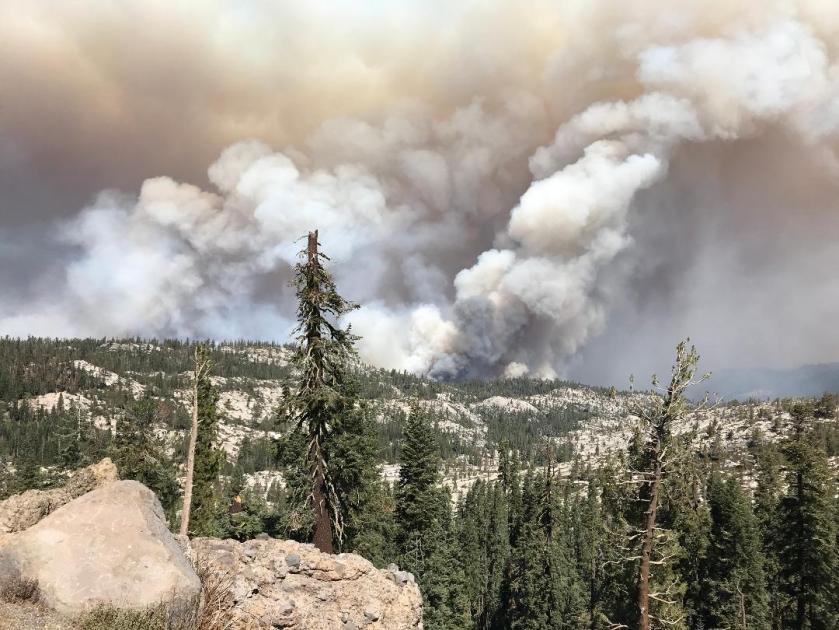
Sunday we drove over the mountains to go visit Baby Girl, The Handsome Surveyor, and the boys. Along the way we stopped at Maiden’s Grave pullout to view the horrible smoke plume from the Caldor Fire burning in the El Dorado National forest.
View from Maiden’s Grave, SR 88, CA.
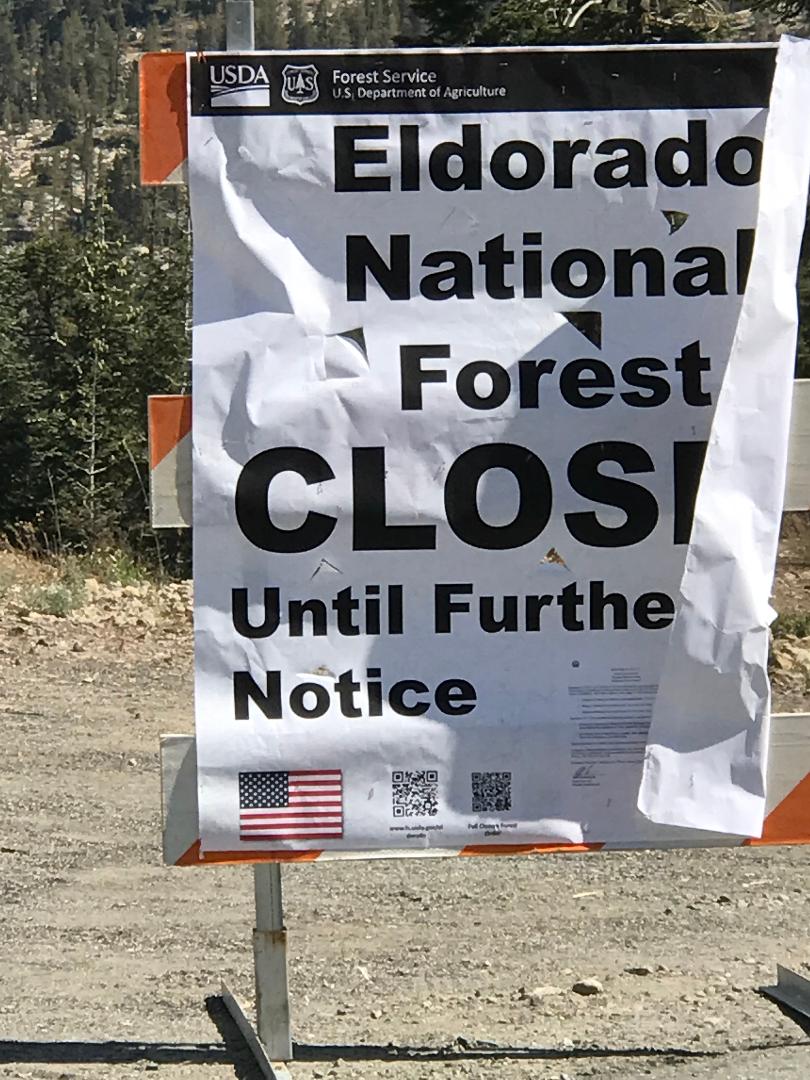
All through the forest we kept seeing these signs- Every campground, and park is closed. 😭
Forest Closed Sign
The reports on the fire are somewhat better today. They’re allowing some residents to return their homes in South Lake Tahoe, and the cooler temperatures, and less wind in the week-end forecast is promising and should help the firefighters with the fight.
The smoke is still in the unhealthy range here, but the sun is trying to burn through it today so I’m feeling a wee bit more positive today on the fire front.
We haven’t any week-end plans since we’ve been gone a lot these last two weeks visiting our kids and grandkids. What about you any plans? Whatever your plans I hope you have a good week-end!
Fuji X-T3| Fuji 100-400mm| and iPhone 7Plus| PS CC 22.5
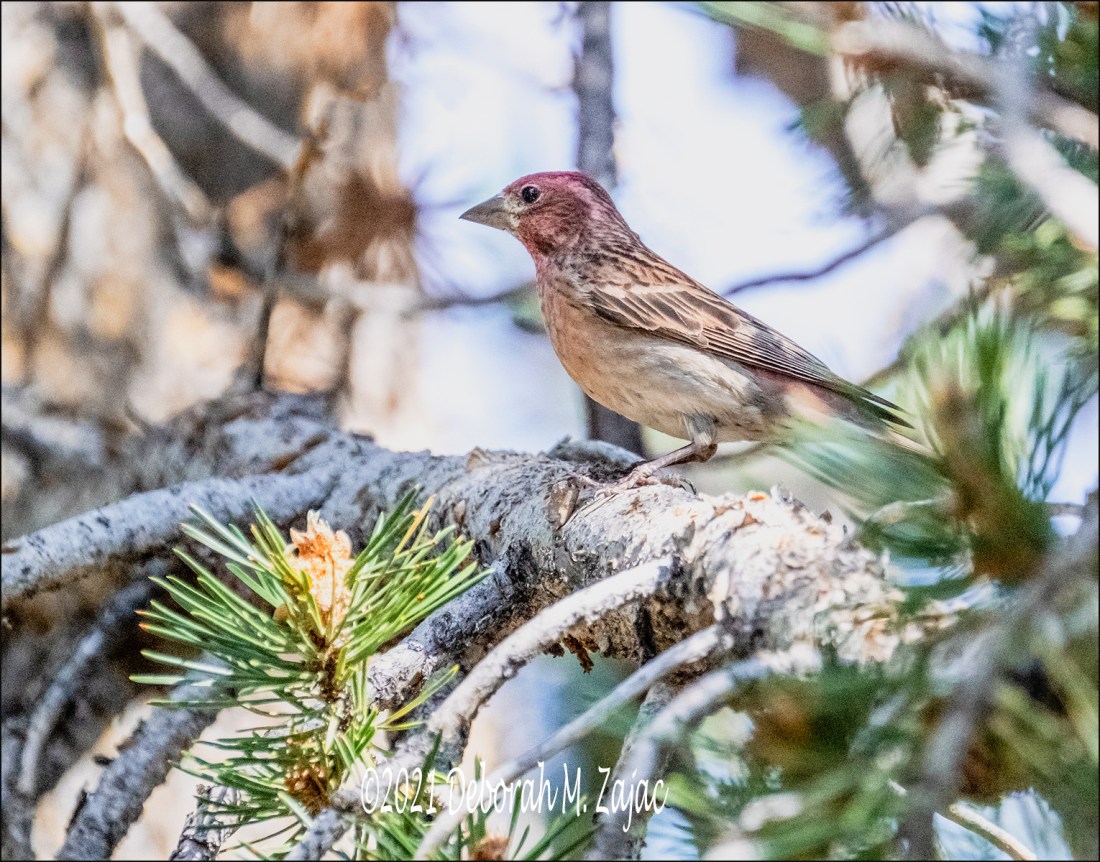
The Cassin’s Finch was first collected on an 1850s expedition to the southwestern mountains by the Pacific Railroad Survey. The eminent ornithologist John Cassin, who created illustrations for the survey, called the pink-tinged finch the “greatest bird in the lot.” Cassin asked his friend and colleague Spencer Baird to name the new species after him.
Male Cassin’s Finches have red crown feathers thanks to carotenoid pigments, which they acquire when they swallow colorful foods like the orange berries of firethorn plants.
Male Cassin’s Finches remain brownish and look like females during their first breeding season. During this time they sing, and this may give the false impression that both sexes sing. These young males may group into “bachelor flocks” during that first breeding season.
The Cassin’s Finch is an accomplished mimic, often adding the calls of other species into its own songs.
The Cassin’s Finch breeds semicolonially, with nests on average 80 feet apart. Nests are sometimes as close as 3 feet apart—this usually causes a fight between males until one of the pair gives up. If the first nest is substantially earlier than the other, however, such close nesting may be tolerated.
The Cassin’s Finch craves salt, and is often found visiting mineral deposits on the ground.
The oldest recorded Cassin’s Finch was a male, and at least seven years old when he was recaptured and released during banding operations in Oregon in 1979. He had been banded in the same state in 1974. ~ allaboutbirds.com
We’re still dealing with a lot of smoke from the two biggest fires in California.
As I type this on Thursday our AQI is bad, but not as awful as it was on Monday when we flew into Reno on our way home from visiting Big Baby Boy, and the Dark Haired Beauty. Monday the AQI was a whopping 398!
I saw the pilots on the way out of the plane and said, “I sure am glad you were able to see to land, because I couldn’t see a thing!” One of the pilots replied, ” We had one eye opened and hoped for the best.” 🤣😜
I’m glad it was the good eye!
He-Man said he was thinking about the scene in the movie Airplane. Flying on instruments LOL!!







 Circadianreflections Blog
You must be logged in to post a comment.