Whatever Weds.-Alaska Cruise Pics

Copyright ©2025 Deborah M. Zajac. ALL RIGHTS RESERVED.

PLEASE DO NOT USE MY IMAGES WITHOUT EXPRESSED WRITTEN PERMISSION.

Some of you may recall that He-Man and I took a Cruise to Alaska on board the Quantum of the Seas, a Royal Caribbean Ship earlier this month. I thought I’d start sharing our trip with photos of our stateroom .

We were sailing out of the Port of Seattle so we flew up a day before our cruise departed. We stayed in the north end of town in a Comfort Inn & Suites. The room and hotel were nice, the neighborhood…a little sketchy, but we felt safe enough to walk to the nearby stores and a restaurant for dinner. We just pulled our city street awareness spidy senses out of the archives and stayed alert while walking.

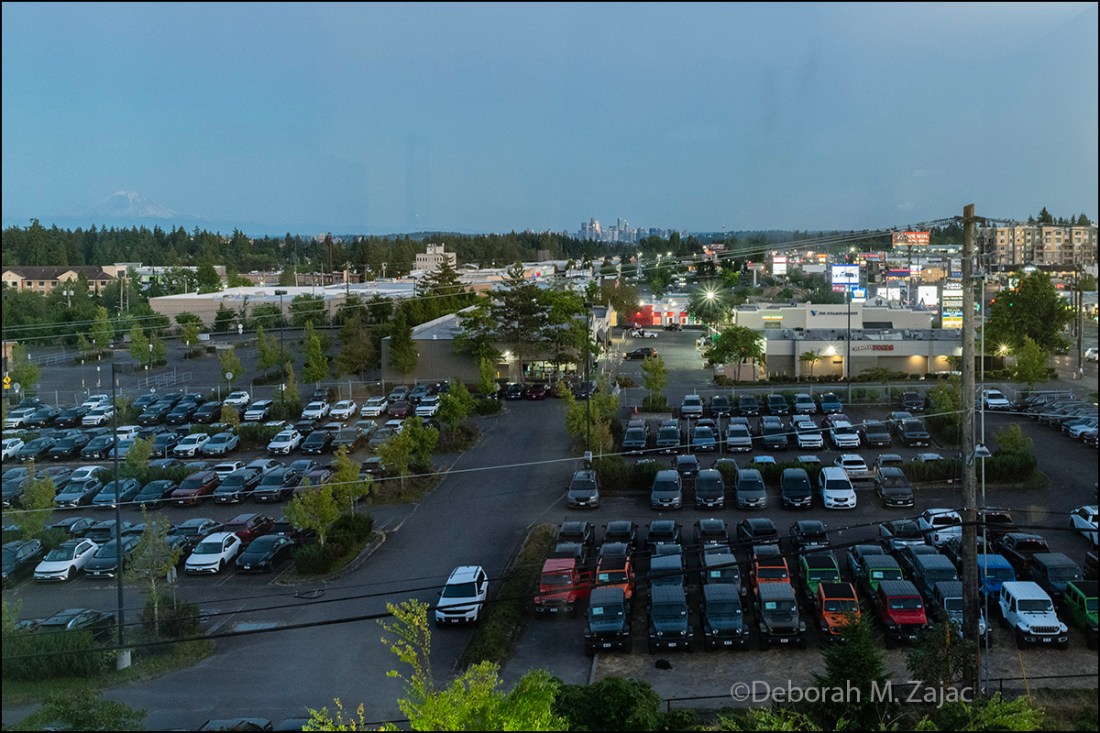
This was the view from our room of downtown Seattle, and Mt. Rainier way in the distance on the left just as the city lights were coming on for the evening.
©Deborah M. Zajac | http//:circadianreflections.com Image

That parking lot is car dealer spare lot we think.

We took an Uber to the port after checking out of the hotel. Getting through security and checking in with Royal Caribbean was a breeze. Our stateroom wasn’t quite ready so we headed up to the Windjammer Cafe for lunch. I haven’t got any photos of that sorry!

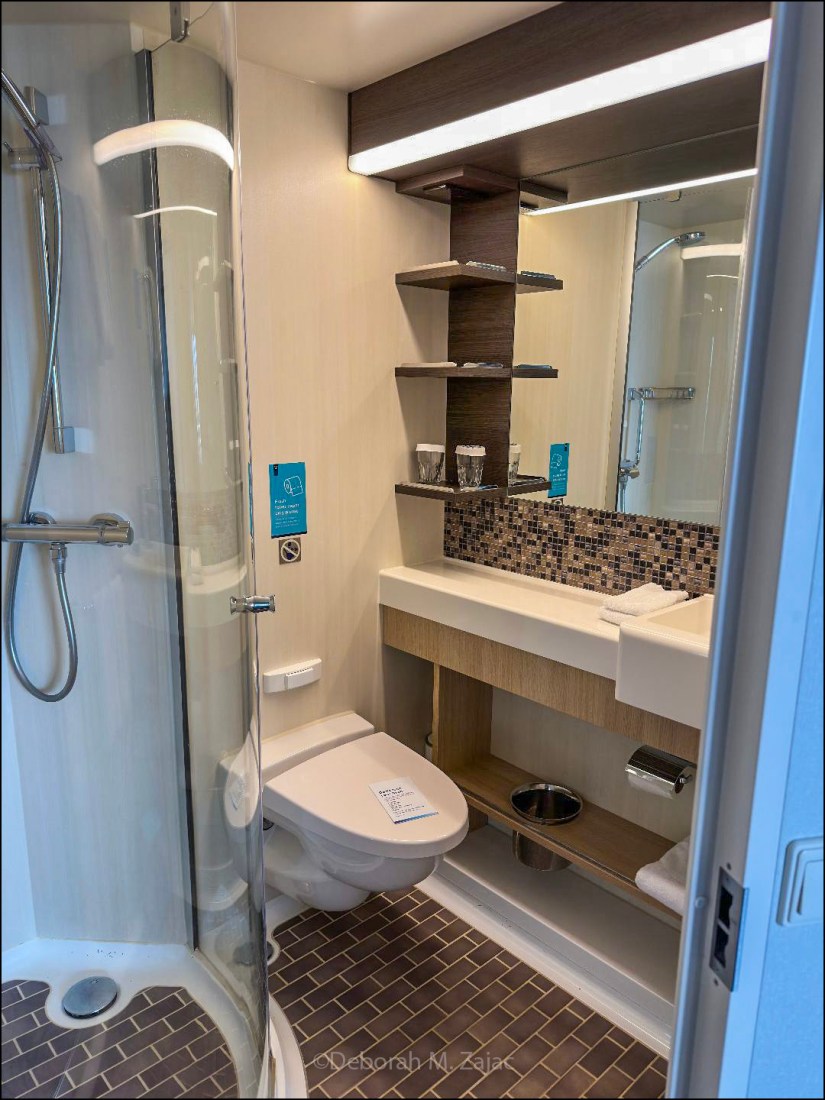
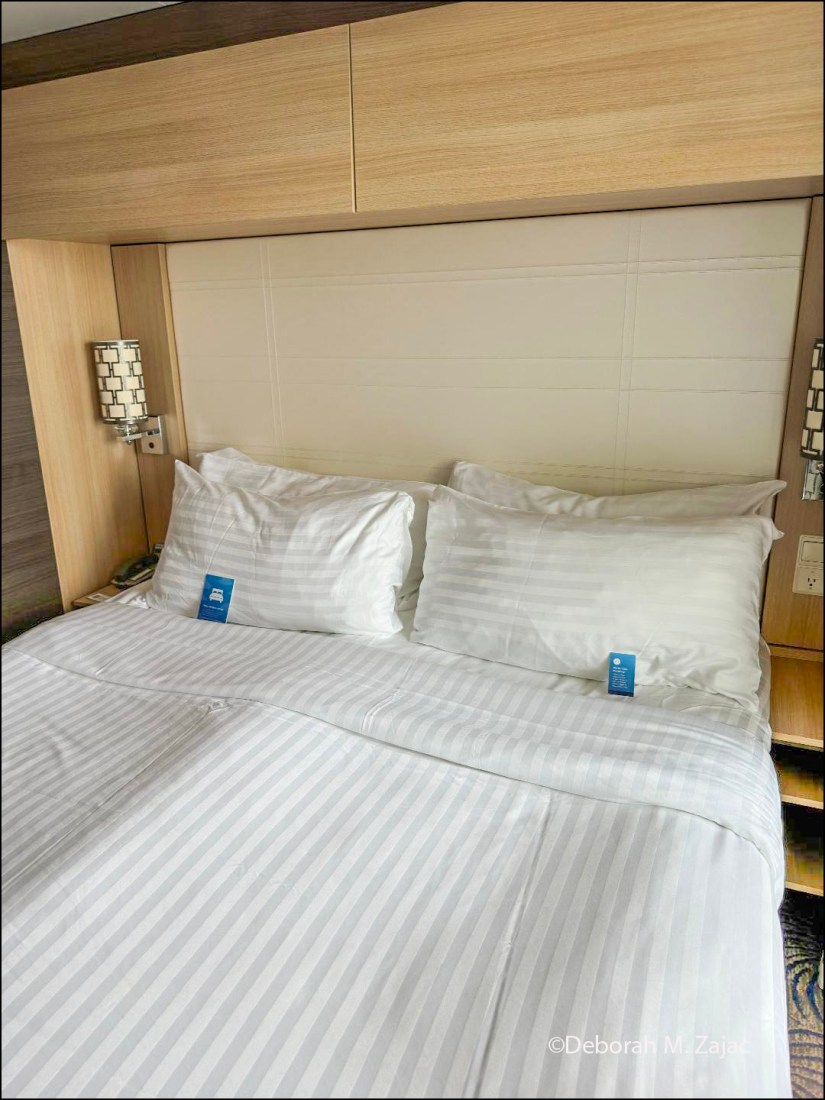
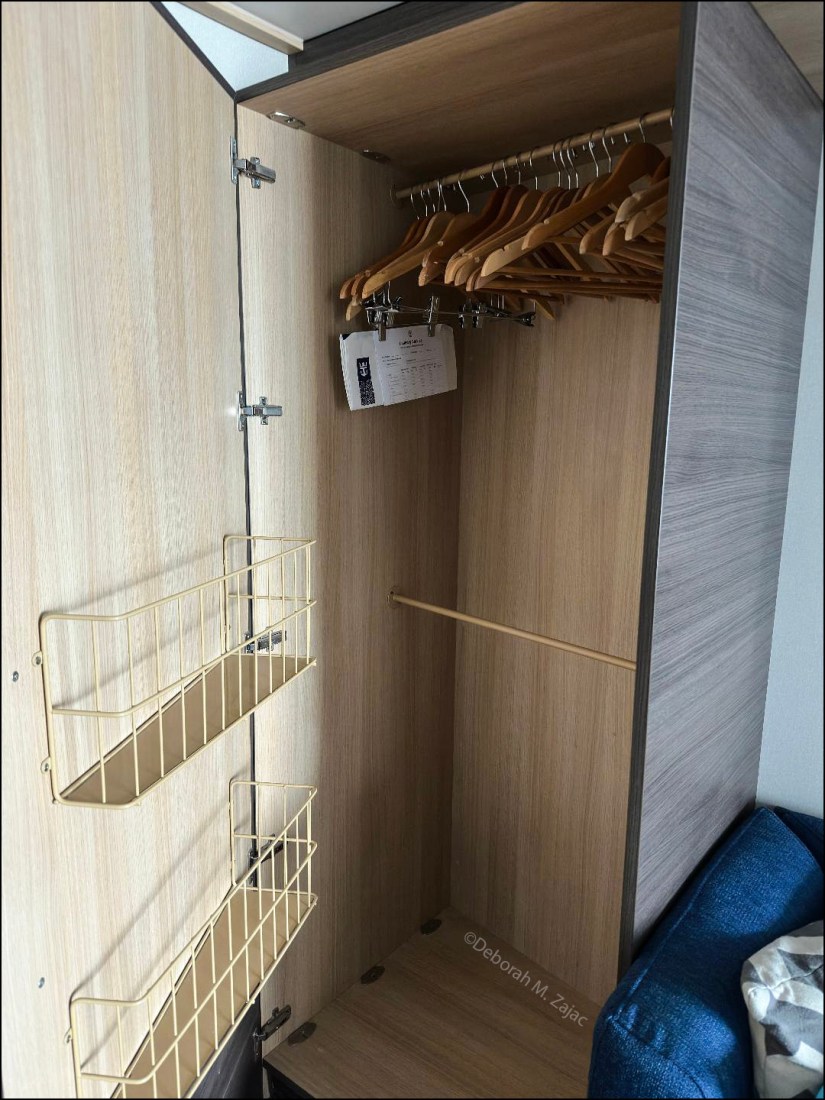
Then we headed to Deck 12 mid-ship to our stateroom hide-away for our departure. We had a stateroom with a balcony on the port side of the ship. The images in the gallery are our main stateroom and view of the balcony, one closet, we had two closets, the bathroom, the big bed…bigger than our Queen at home and there was storage in a cupboard above the bed, the vanity I used for applying my makeup, and over the course of the cruise our Stateroom Attendant left us 4 towel animals. My favorites were the bear, and elephant.

Views from our stateroom balcony-the busy port where people were being dropped off to get onboard, and the port crew loading the luggage, food, and all the things we’d need for the week, and the Seattle Skyline from our balcony on Deck 12 shortly after we left the port.

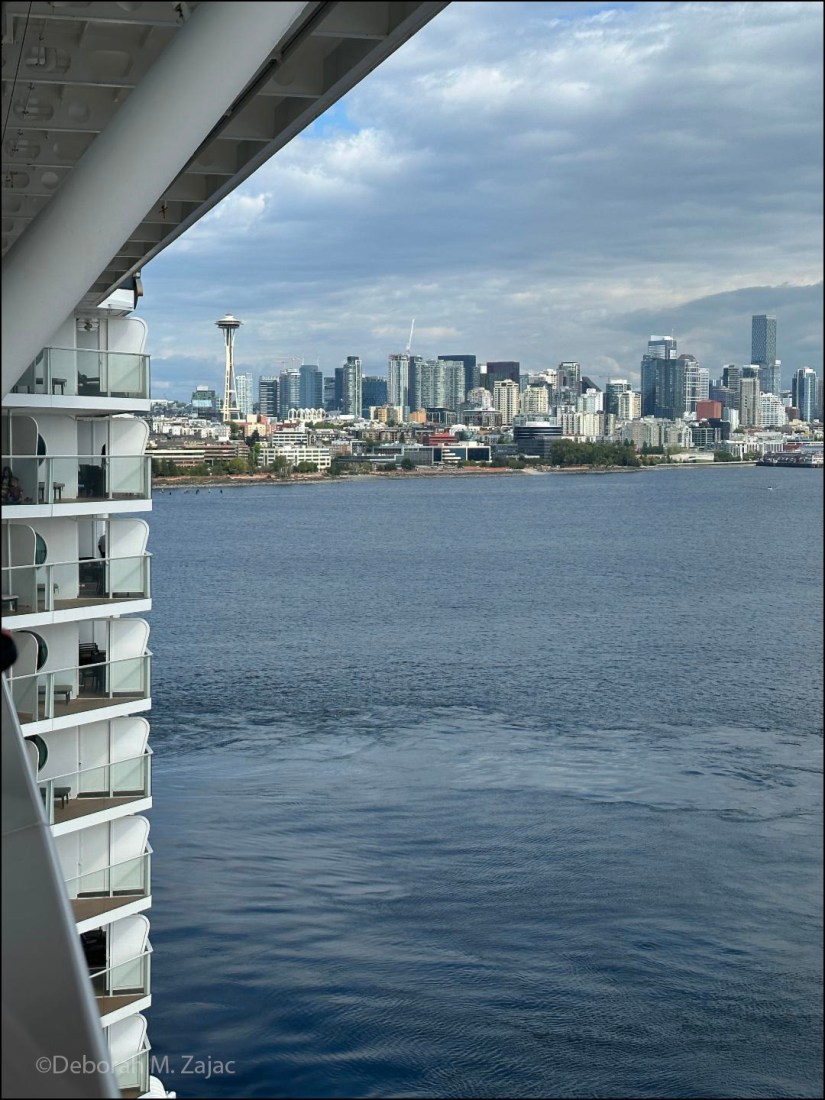
We’re off! North to Alaska, the rush is on!

©Deborah M. Zajac | http//:circadianreflections.com Image

This is the movie that made me want to go to Alaska when I was girl. I had this song in my head off and on the whole trip. 😊

more to come…
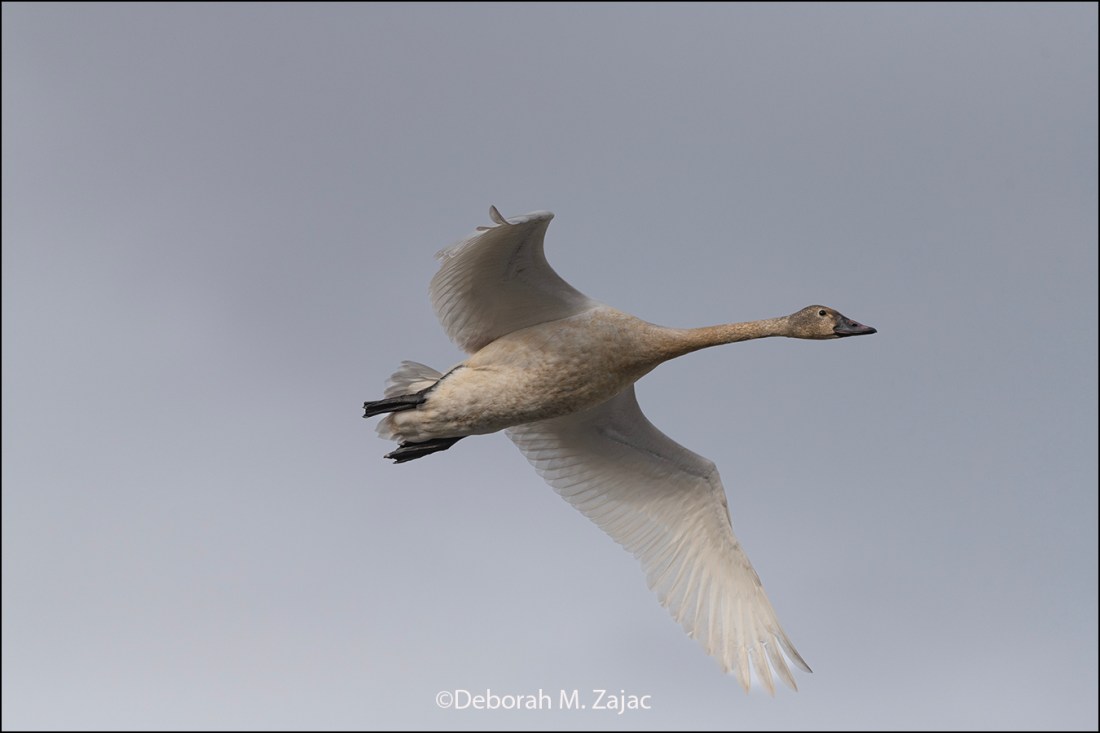
Friday’s Feathered Friends- Tundra Swan

Copyright ©2025 Deborah M. Zajac. ALL RIGHTS RESERVED.

PLEASE DO NOT USE MY IMAGES WITHOUT EXPRESSED WRITTEN PERMISSION.

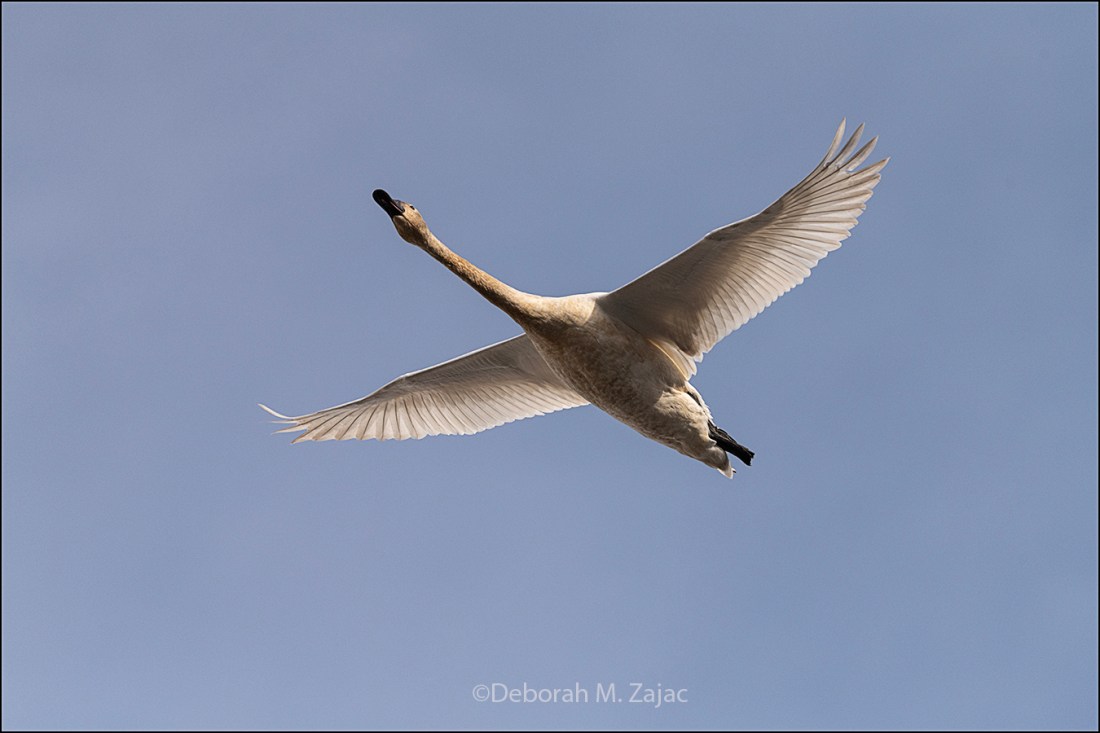
While out birding with the group last Friday morning we had the pleasure of a Tundra Swan fly-by. The single Swan flew by three times actually. Probably checking out the slough and ponds to see if that was the place to land or if his partner was there. We didn’t see a another swan and after three passes we didn’t see it again.

©Deborah M. Zajac | http//:circadianreflections.com Image

Here it was flying over my head.

©Deborah M. Zajac | http//:circadianreflections.com Image

Both images are cropped a bit. It was higher in the sky than these make it look.

Fun Facts:

  • Lewis and Clark provided the first written description of the Tundra Swan during their expedition to the West, where the birds’ whistle-like calls prompted Meriwether Lewis to dub them “whistling swans.”
  • The whistling swan, the American race of the Tundra Swan, currently is considered the same species as the Eurasian race, the Bewick’s swan. They were considered separate species in the past, distinguished by the large yellow patches on the face of the Bewick’s swan.
  • The Tundra Swan stays in flocks except when on a breeding territory. Although most swans spread out to breed, a large proportion of the population on the breeding grounds still can be found in flocks. These swans are not breeding, and may be young birds that have not yet bred, adult pairs whose breeding attempts failed, or adults that bred in the past but for some reason do not in that year.
  • During the breeding season the Tundra Swan sleeps almost entirely on land, but in the winter it sleeps more often on water.
  • Tundra Swans breed in the remote arctic of North America. Parents defend their nests and young against a host of predators including foxes, weasels, wolves, and bears, as well as birds such as Glaucous Gulls, Common Ravens, Parasitic Jaegers, Pomarine Jaegers, and Golden Eagles. If the parents are present, they are able to defend the nest and nestlings from these threats. Wolves, people, and bears, however, are too big to fight, and most incubating swans leave their nests while these large predators are far away. By leaving quickly when large predators approach, the parents may make the nest harder to find.
  • Tundra Swans wintering in Chesapeake Bay feed almost exclusively on clams that they dislodge from the mud. But it can be challenging to enjoy a peaceful meal: often the swan has to fend off a Ring-billed, Herring, or Greater Black-backed gull that swoops in to grab a clam from the swan’s bill – a successful tactic in about half of these “kleptoparasitic” encounters.
  • Swans have long been associated with ideals of romance. Added to their elegant outlines and all-white plumage is their tendency to form permanent pair bonds by the time they’re 2-3 years old. Once a pair forms, Tundra Swans feed and roost together year-round.
  • Based on banding records, the oldest known Tundra Swan was a female and at least 23 years, 7 months old when she was identified by her band in the wild, in Ohio. She was originally banded in the same state.

Fun Facts gleaned from allaboutbirds.org

If the rain holds off this morning I’ll be birding so I may be late getting to your blogs, and comments.

more to come…

Friday’s Feathered Friends- Hermit Thrush

Copyright ©2025 Deborah M. Zajac. ALL RIGHTS RESERVED.

PLEASE DO NOT USE MY IMAGES WITHOUT EXPRESSED WRITTEN PERMISSION.

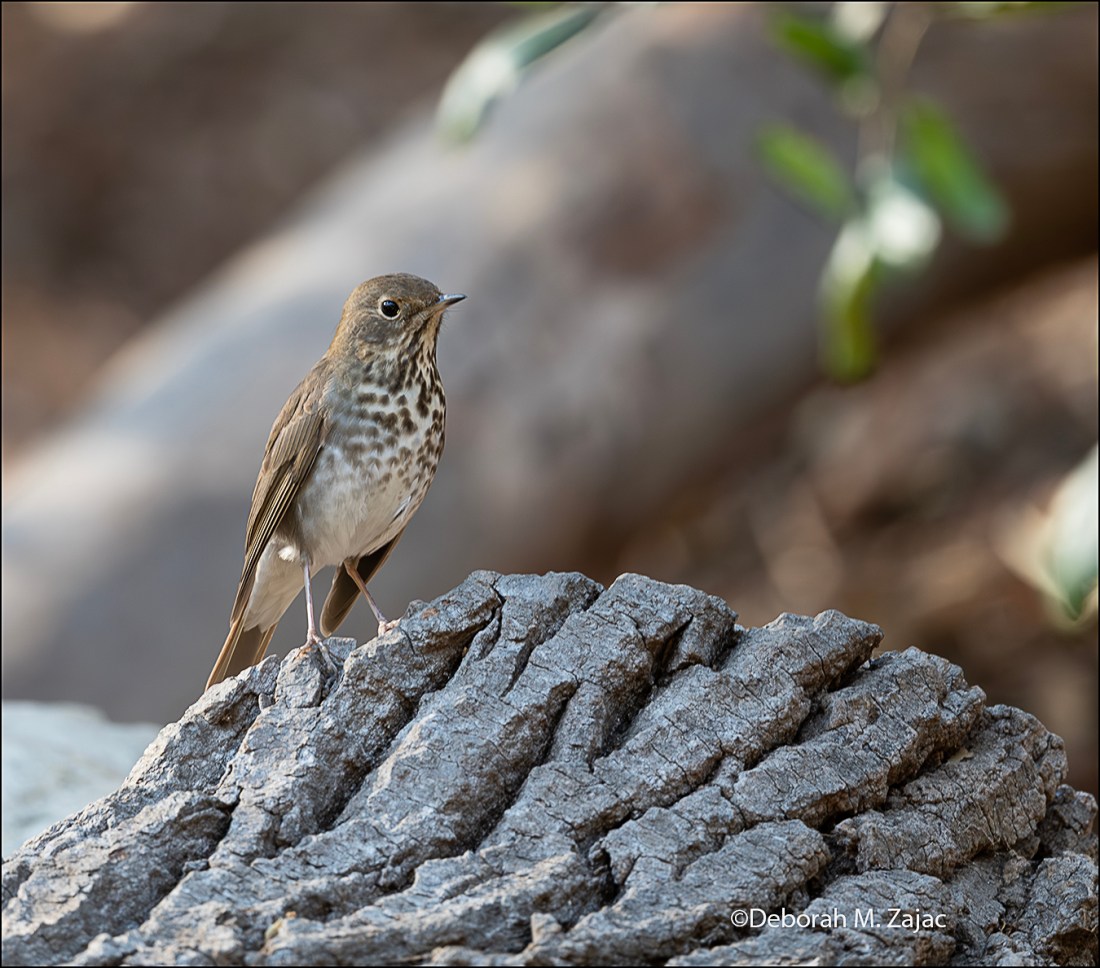
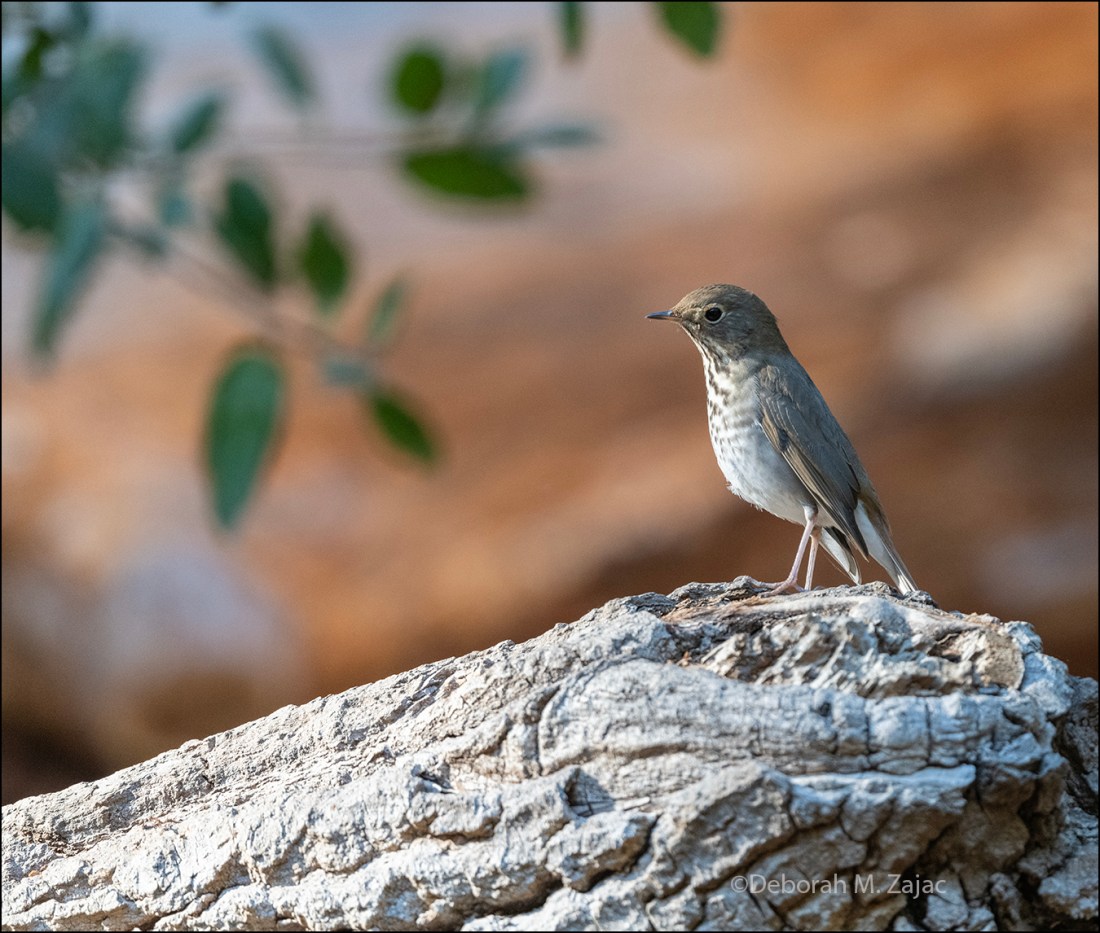
While we were visiting the Santa Barbara Botanical gardens recently He-Man stopped in a little garden rest area with a bench to retie his shoe and out popped a Hermit Thrush! I was so excited because I don’t see these shy birds too often.

©Deborah M. Zajac | http//:circadianreflections.com Image

We got several minutes of good looks at it while it was foraging around area.

Fun Facts-

  • Males usually gather food for the nest, while females feed the nestlings. The young birds start by eating bits of larvae, then grasshoppers, moths, and spiders. They sometimes eat small vertebrates such as salamanders.
  • Hermit Thrushes usually make their nests in and around trees and shrubs, but they can also get more creative. Nests have been found on a cemetery grave, on a golf course, and in a mine shaft.
  • Hermit Thrushes sometimes forage by “foot quivering,” where they shake bits of grass with their feet to get insects. They also typically begin to quiver their feet as they relax after seeing a flying predator.
  • East of the Rocky Mountains the Hermit Thrush usually nests on the ground. In the West, it is more likely to nest in trees.
  • Hermit Thrushes make several distinct calls around their nests. They will sometimes make a rising byob sound similar to a mewing kitten. Females frequently rearrange their eggs while making quit quit noises. In the morning, two adults meeting near the nest will greet each other with a pweet pweet call.
  • Hermit Thrushes are part of a genus (Catharus) that includes four other similar thrushes in North America: the Veery, Swainson’s Thrush, Gray-cheeked Thrush, and Bicknell’s Thrush. In the northeastern mountains, the Veery lives at the lowest elevations, Hermit Thrushes at middle elevations, and Swainson’s Thrushes at high elevations.
  • The oldest recorded Hermit Thrush was at least 10 years, 10 months old when it was recaptured and rereleased during banding operations in Maryland in 2009. It was originally banded there in 1999.

Fun facts gleaned as always from allaboutbirds.org

I’ll be a little late replying to your comments as I’m out birding this morning.

Nikon D850|Nikkor 500mm PF-e lens

more to come…

Thursday Doors-Favorites of 2024

Copyright ©2024 Deborah M. Zajac. ALL RIGHTS RESERVED.

PLEASE DO NOT USE MY IMAGES WITHOUT EXPRESSED WRITTEN PERMISSION.

This week we’re sharing our favorite doors from the past year.

I’ll start with Coventry Cross Church.

The Round House from Put-in-Bay, Ohio

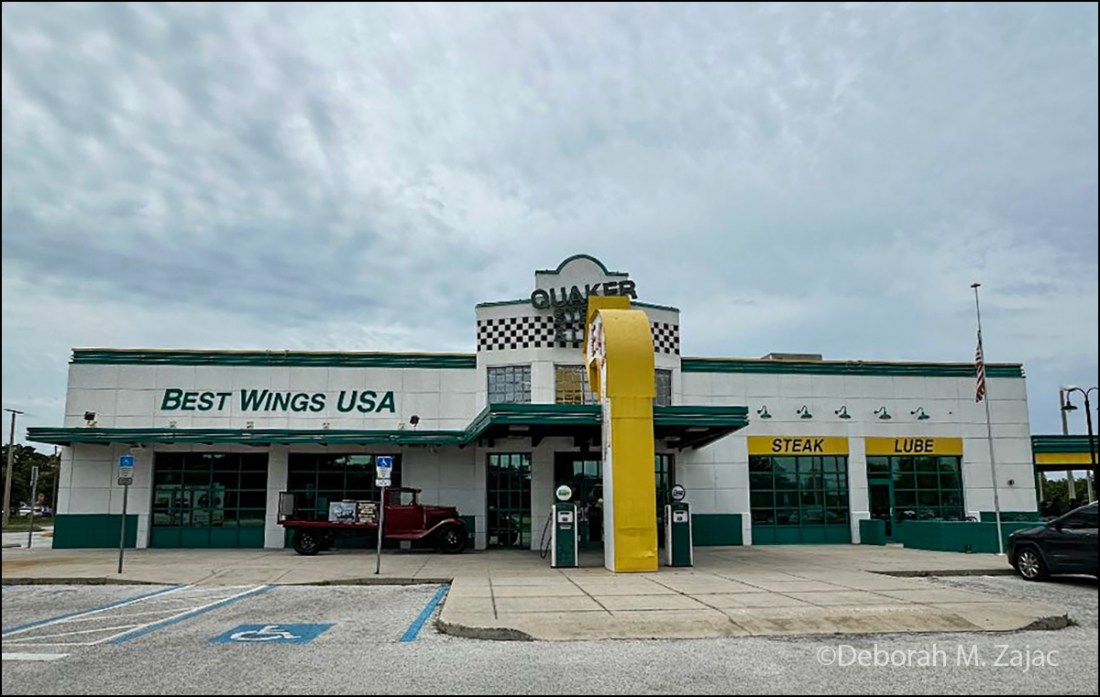
From Florida Quaker Steak and Lube has to be here. I loved the door pulls the most.

©Deborah M. Zajac | http//circadianreflections.com

Speaking of door pulls I have to include the door my friend in CT sent me from her visit to Gillette Castle with its unique door pull and beautiful door.

©Deborah M. Zajac | http//circadianreflections.com

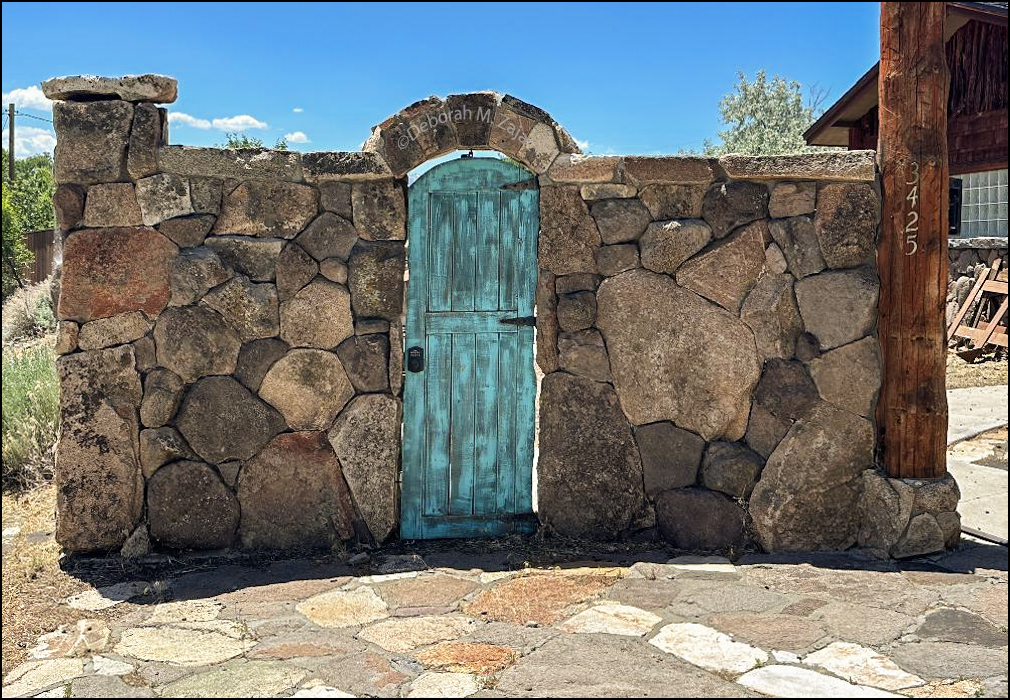
Oh, the beautiful turquoise door/gate must be included in my favorites for the year.

I have more favorites than I thought I did for this year.

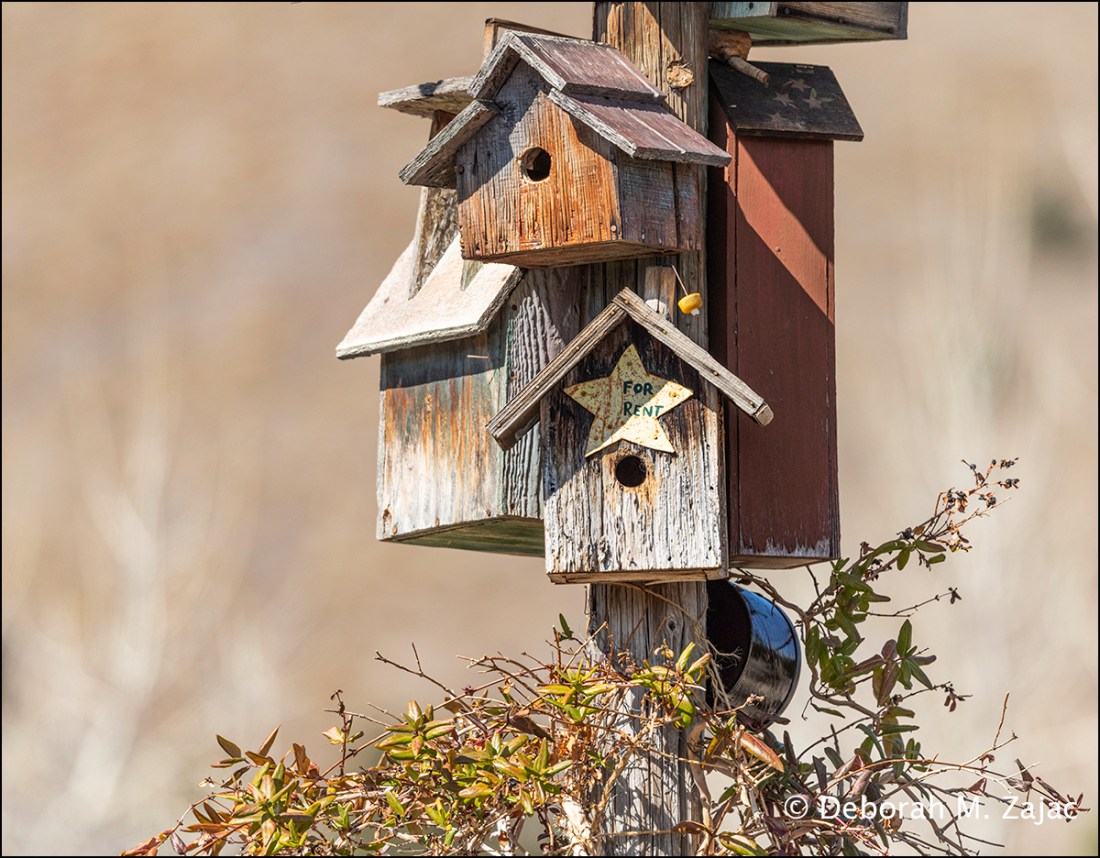
The little bird bungalows

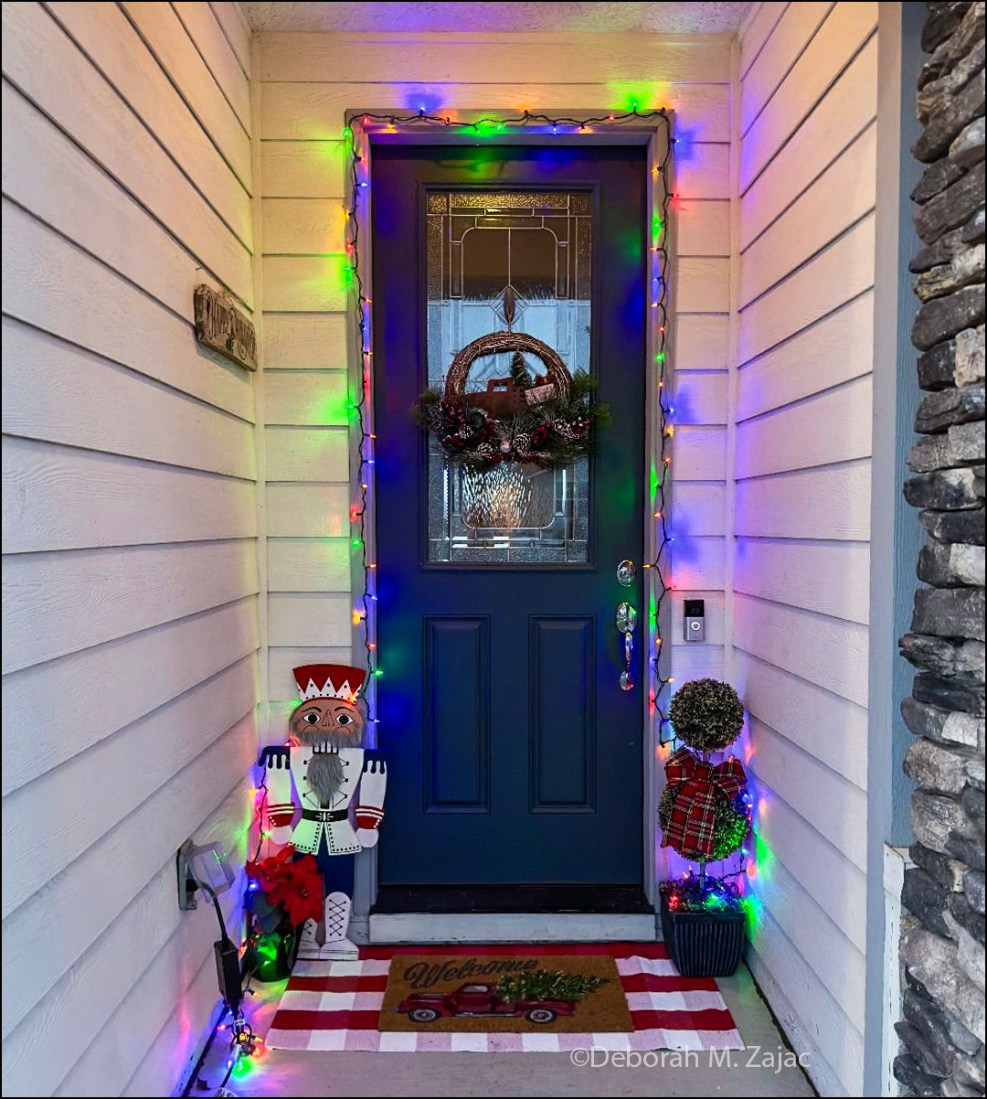
Last but not least, my favorite door of all. From our house to yours, I wish you a very Merry Christmas!

©Deborah M. Zajac | http//:circadianreflections.com
Home ❤️

This post is part of the weekly challenge Thursday Doors hosted by Dan Antion over at https://nofacilities.com/2024/12/19/2024-favorite-doors/

Head on over there to see more doors from around the world or join the craze and add a door or two of your own. 😊.

Thursday Doors will be back in January 2025, see you then!

more to come…

Thursday Doors-Christmas Doors

Copyright ©2024 Deborah M. Zajac. ALL RIGHTS RESERVED.

PLEASE DO NOT USE MY IMAGES WITHOUT EXPRESSED WRITTEN PERMISSION.

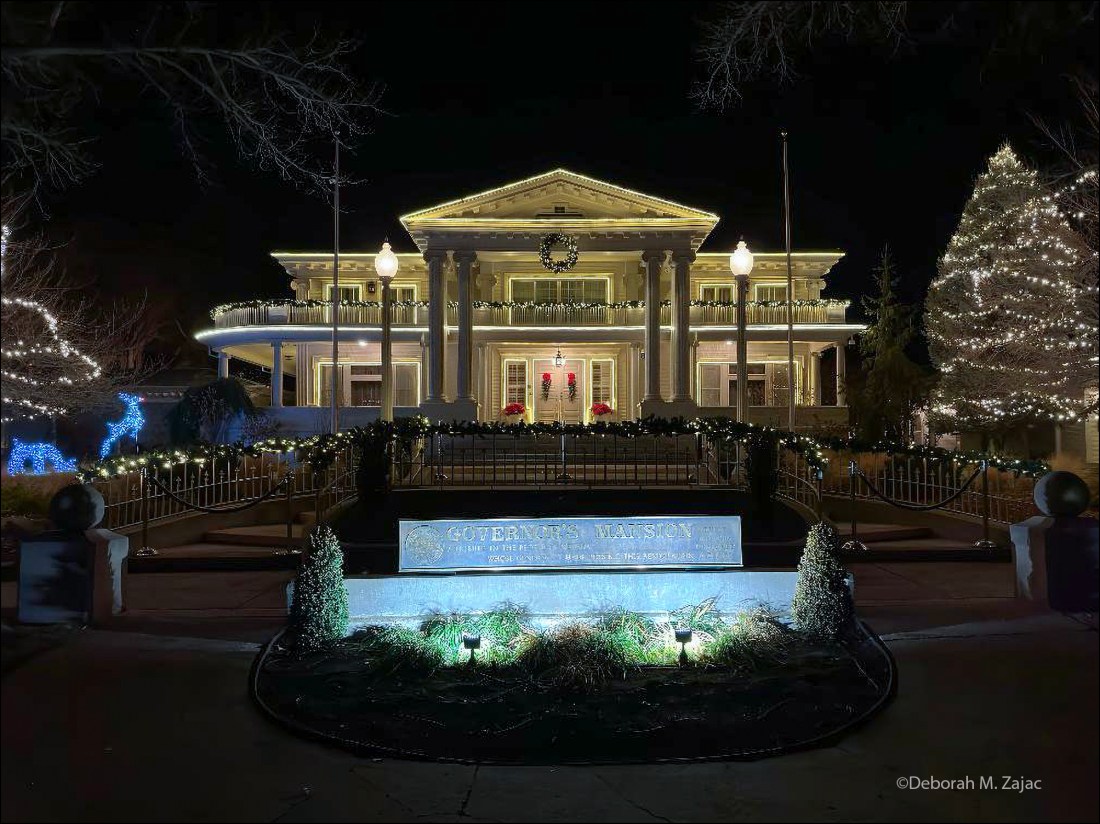
This week we’re sharing favorite Christmas Doors. I went up to Carson City to photograph and see the Governor’s Mansion display of lights.

©Deborah M. Zajac | http//:circadianreflections.com Image

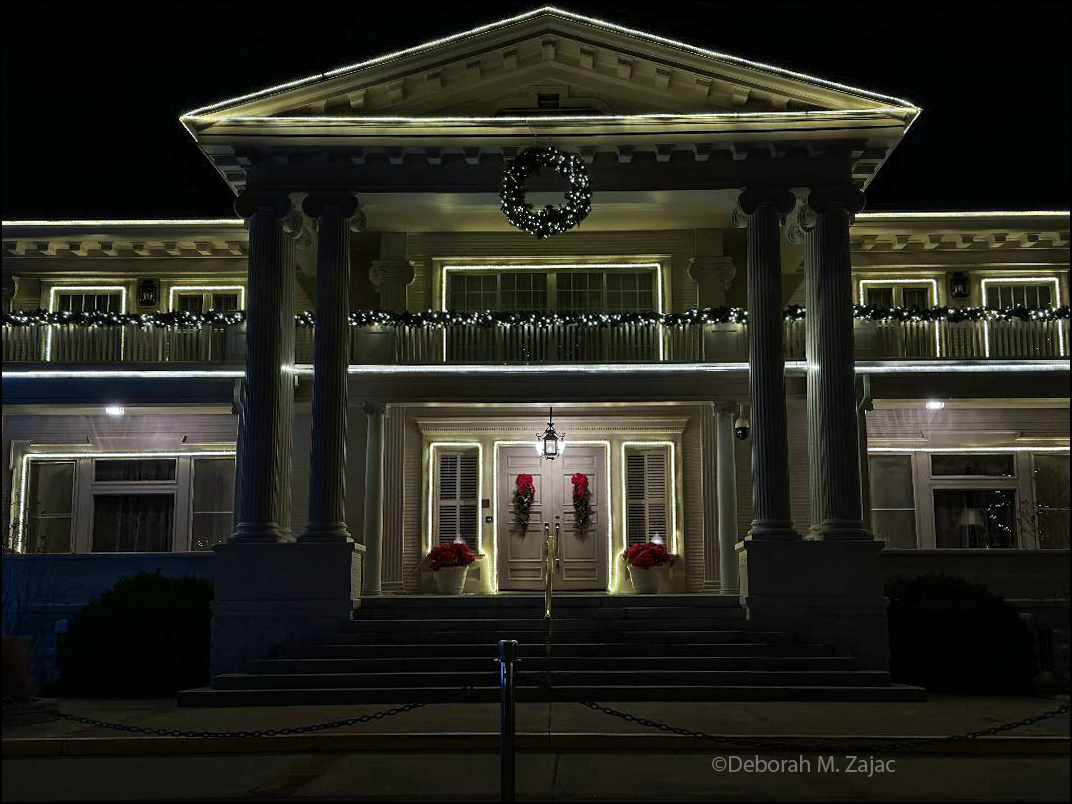
Here’s a closer look at the doors, well as close as I could get.

©Deborah M. Zajac | http//:circadianreflections.com Image

After viewing some of the lights downtown I stopped in Scoup’s a local Ice Cream and Soup cafe for a bowl of soup and saw this door hanging on the wall.

©Deborah M. Zajac | http//:circadianreflections.com Image

Next week we’re sharing favorite 2024 doors then we’ll have a break until next year.

This post is part of the Thursday Doors challenge hosted by Dan Antion. If you’d like to see more Christmas doors from around the world head on over to his blog here-https://nofacilities.com/2024/12/12/osv-gingerbread-doors/

more to come…

Something for Sunday- First Snow in the Valley

Copyright ©2024 Deborah M. Zajac. ALL RIGHTS RESERVED.

PLEASE DO NOT USE MY IMAGES WITHOUT EXPRESSED WRITTEN PERMISSION.

I woke up Friday morning pretty early to go birding with a group I’m in. When I opened the garage door to leave I discovered there was snow on the ground and flurries still swirling.

I was heading about an hour northeast from home so, I checked my email to make sure they hadn’t canceled the outing…they hadn’t so off I went.

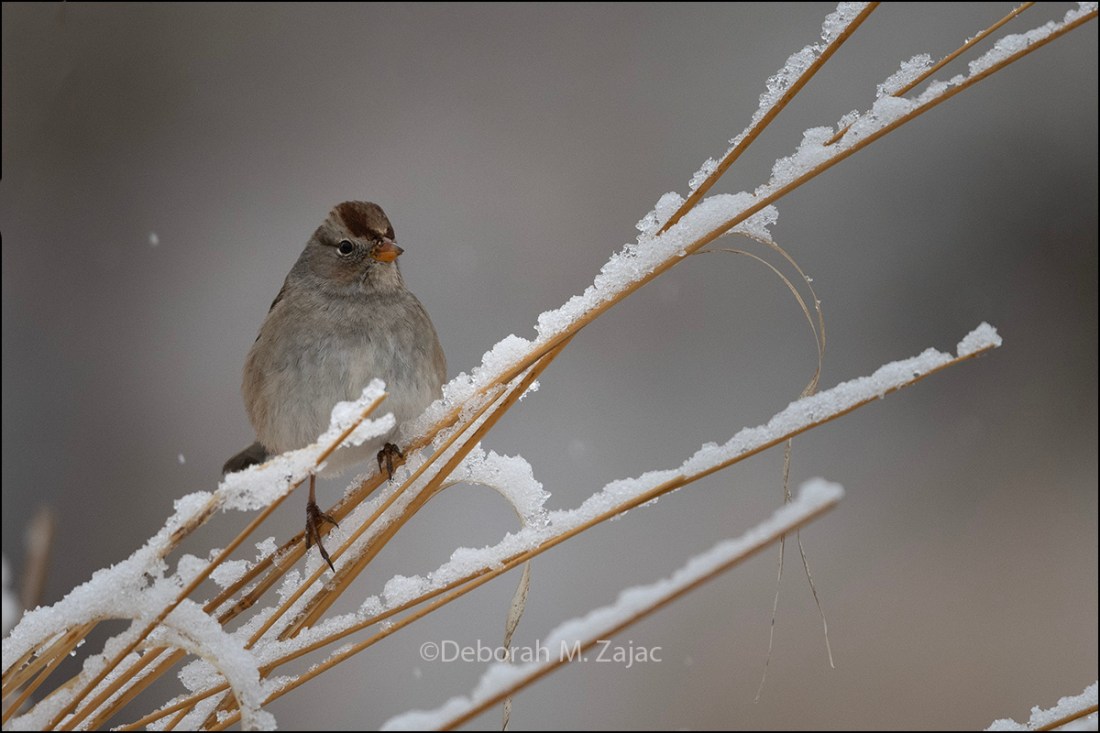
It wasn’t snowing when I arrived at the meeting spot but, while birding the snow started to fall pretty heavy. It wasn’t in the weather forecast the day before! It was still a good morning of birding. We saw 22 species of birds. One White-crown Sparrow favored us with a nice look perched on snowy grass.

©Deborah M. Zajac | http//:circadianreflections.com Image

By the time we left it had quit snowing so my drive home was easy, and while the snow was sticking to the ground where I was birding it hadn’t had home. The upcoming 10 day forecast looks like we’re snow free.

Nikon D850| Nikkor 500mm| PS CC

more to come…

Whatever Weds. White Peacock Butterfly

Copyright ©2024 Deborah M. Zajac. ALL RIGHTS RESERVED.

PLEASE DO NOT USE MY IMAGES WITHOUT EXPRESSED WRITTEN PERMISSION.

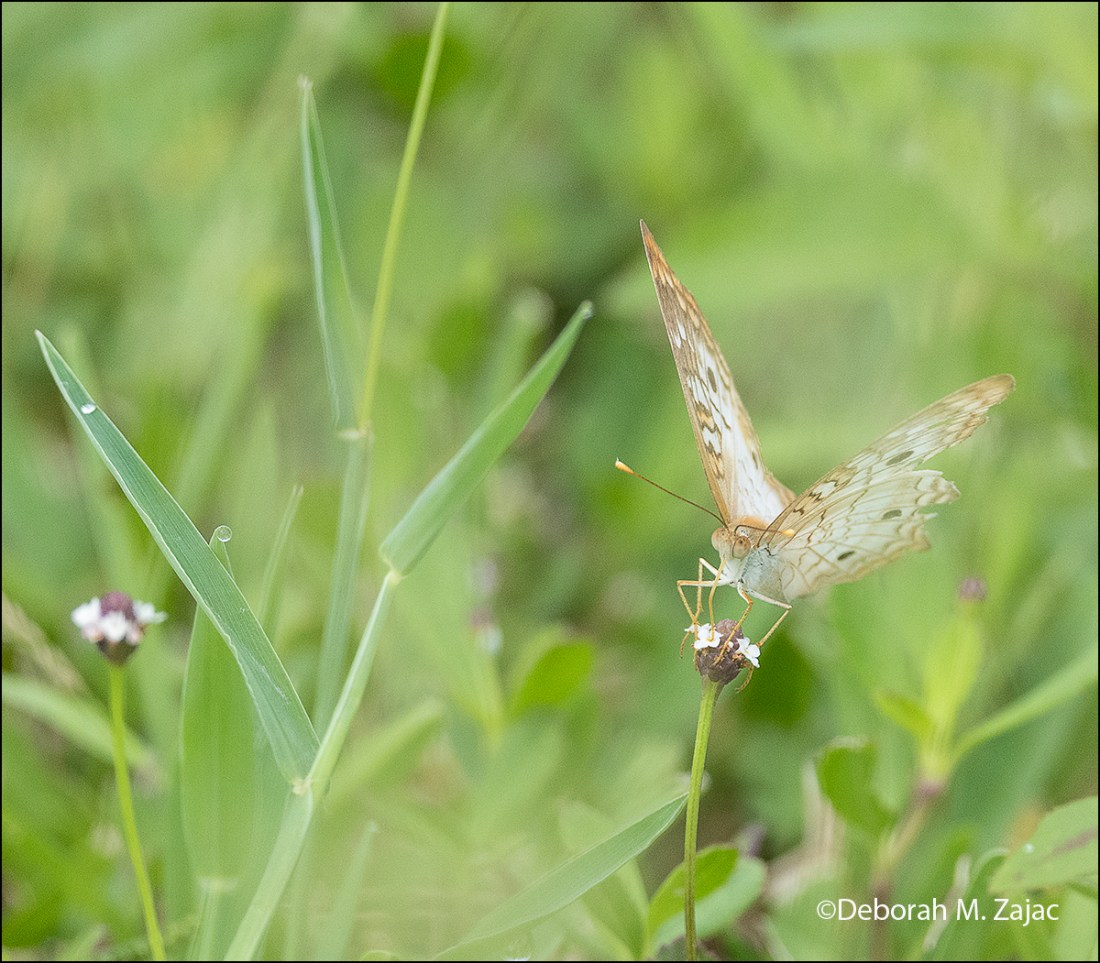
While birding around a pond in Pinellas Co. Fl I spied this butterfly trying to warm up for the day. Mary knew what it was straight-away when I asked her if she knew what kind it was.

©Deborah M. Zajac | http//circadianreflections.com Image

I showed you its best side first. It’s a bit tattered by the end of summer.

©Deborah M. Zajac | http//circadianreflections.com Image

Still beautiful though.

They’re in the brush-footed butterfly family and stay low to the ground because their favorite plants are also low on the ground. They can also be found throughout the southeastern USA, the Caribbean, Mexico, and South America to Argentina. They are white with brown markings and orange margins, and have a small black spot in the center of each of the forewings. Two small black spots on each of the hindwings resembling a peacock’s eyespot give this butterfly its common name. There’s a short tail on the hindwings. Male and female White peacock butterflies don not differ in appearance from each other.” Facts gleaned from

Florida Wildflower Foundation link here. They also say, that, “the White Peacock is smaller and darker in the wet summer months and larger and paler in the drier summer months.” I’m thinking this one has be one of the larger paler ones as it is quite pale.

Nikon D850| Nikkor 500mm Pe-F| PS CC

more to come…