PLEASE DO NOT USE MY IMAGES WITHOUT EXPRESSED WRITTEN PERMISSION.
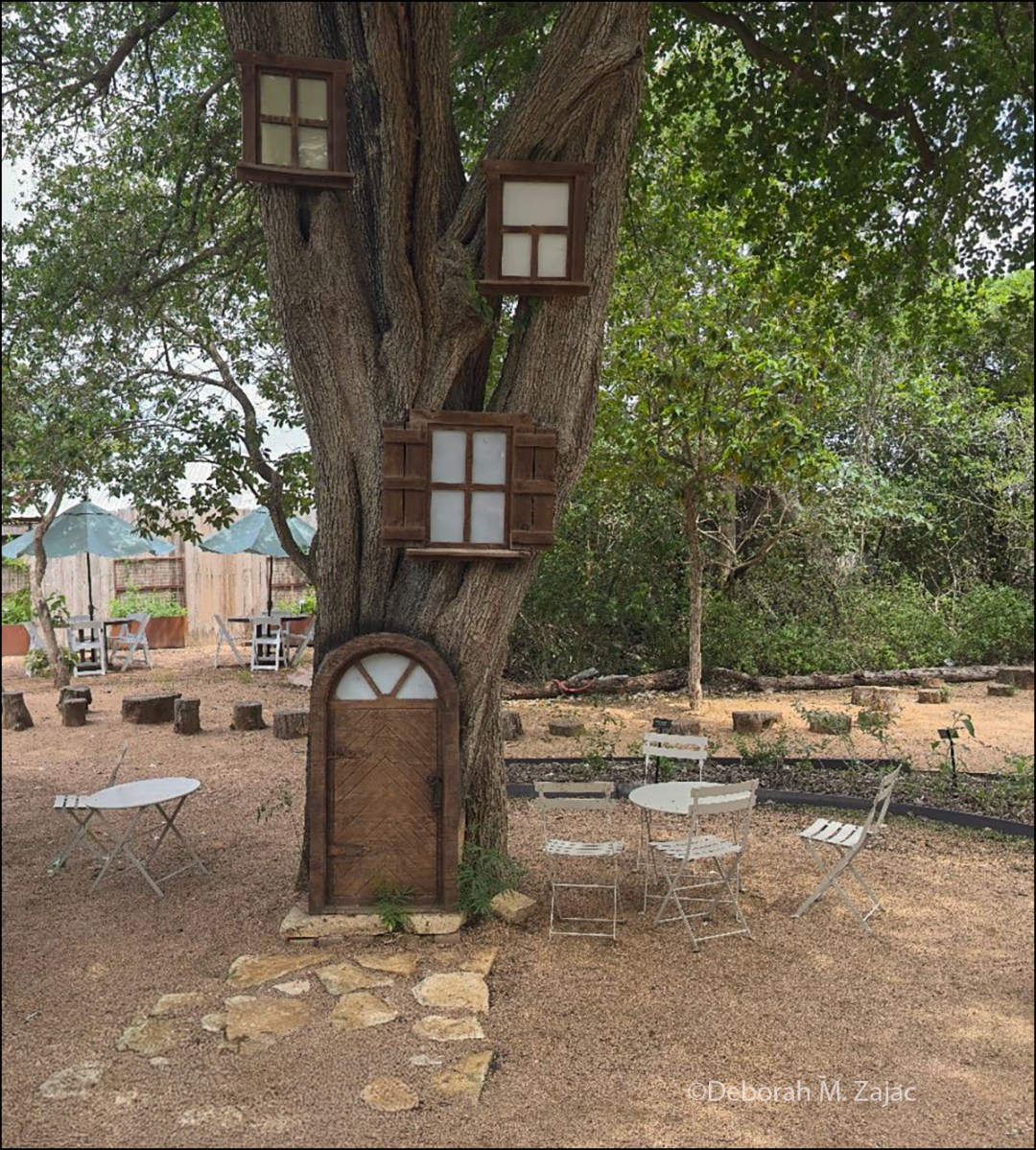
In April this year I was in Texas birding but, I was keeping my eyes open for doors as well. Here’s one I spied while birding in Quinta Mazatlan World Birding Center. It’s a fun one. I think you’ll agree.
Quinta Mazatlan is a preserve with 15 acres of trails, flora and fauna of the region and it’s a great place to see birds. Their mission, ” is to preserve the 1930’s country estate located on the grounds, and the native plants, and animals of the Rio Grande Valley. They do this by providing a sanctuary for environmental education, eco-tourism, and serving as an inspiration to people of all ages.” https://www.exploremcallen.com/things-to-do/parks-outdoors/quinta-mazatlan/
PLEASE DO NOT USE MY IMAGES WITHOUT EXPRESSED WRITTEN PERMISSION.
Eleanor has sent another door to me to share. She finds good ones.
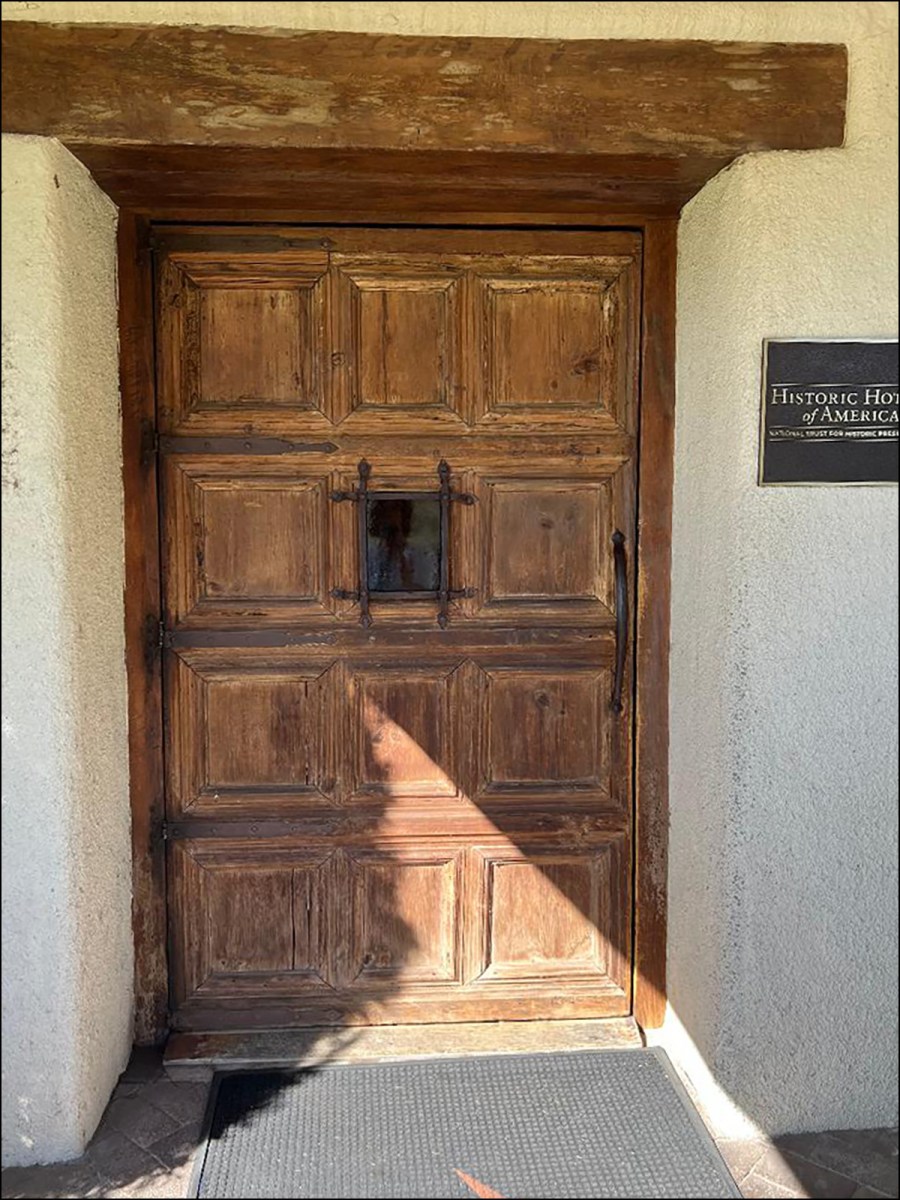
Accompanying her image she writes, ” Greetings from Arizona! This is the door to the lobby of the Wigwam Resort in Litchfield, AZ, built by the Goodyear tire company to entertain their executives at the nearby factory. Begun in 1919.”
I looked up this Hotel as the plaque on the wall beside the door says it’s an Historic Hotel of America.
It opened in 1929. Paul Litchfield built the hotel on his land on which is now called Litchfield Park.
The hotel has expanded into a resort with 331 rooms and has 3 golf courses, nine tennis courts, and three swimming pools.
To be included in the Historic Hotels of America they must maintain authenticity, sense of place, and architectural integrity from their respective time periods.
The hotel must be at least 50 years old, designated by the U.S. Secretary of the Interior as a National Historic Landmark or listed on or eligible for listing on the National Register of Historic Places, and recognized as having historic significance. As of 2025 the program includes 288 hotels in the 44 of the 50 states, as well as Puerto Rico, the U.S. Virgin Islands, and Washington, D.C. ~ https://en.wikipedia.org/wiki/Historic_Hotels_of_America
PLEASE DO NOT USE MY IMAGES WITHOUT EXPRESSED WRITTEN PERMISSION.
Today I’m sharing two doors a birding friend shared with me to share with you.
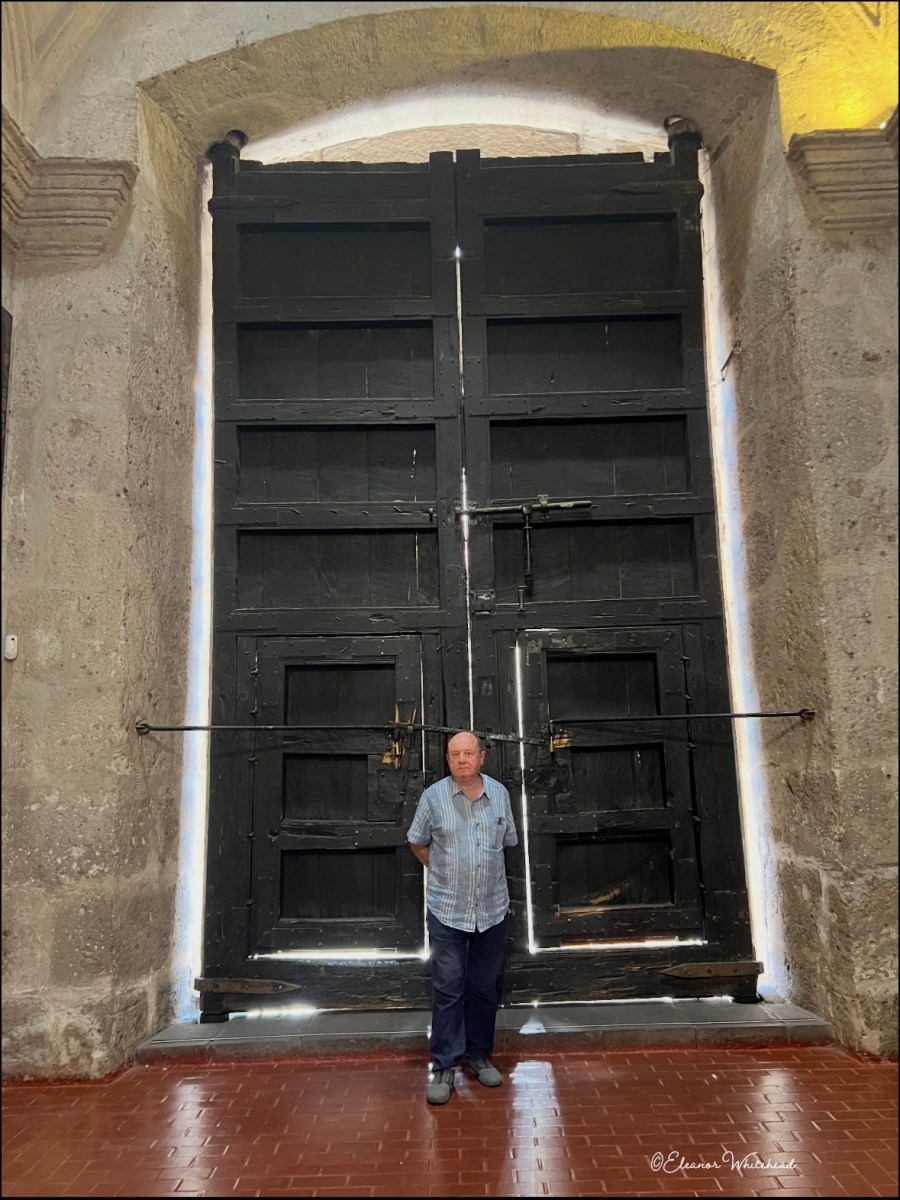
Eleanor say’s this first door is from a Jesuit church in Arequipa, Peru. Her husband posing in front of it adds a great sense of scale. The doors are huge.
Image used with permission
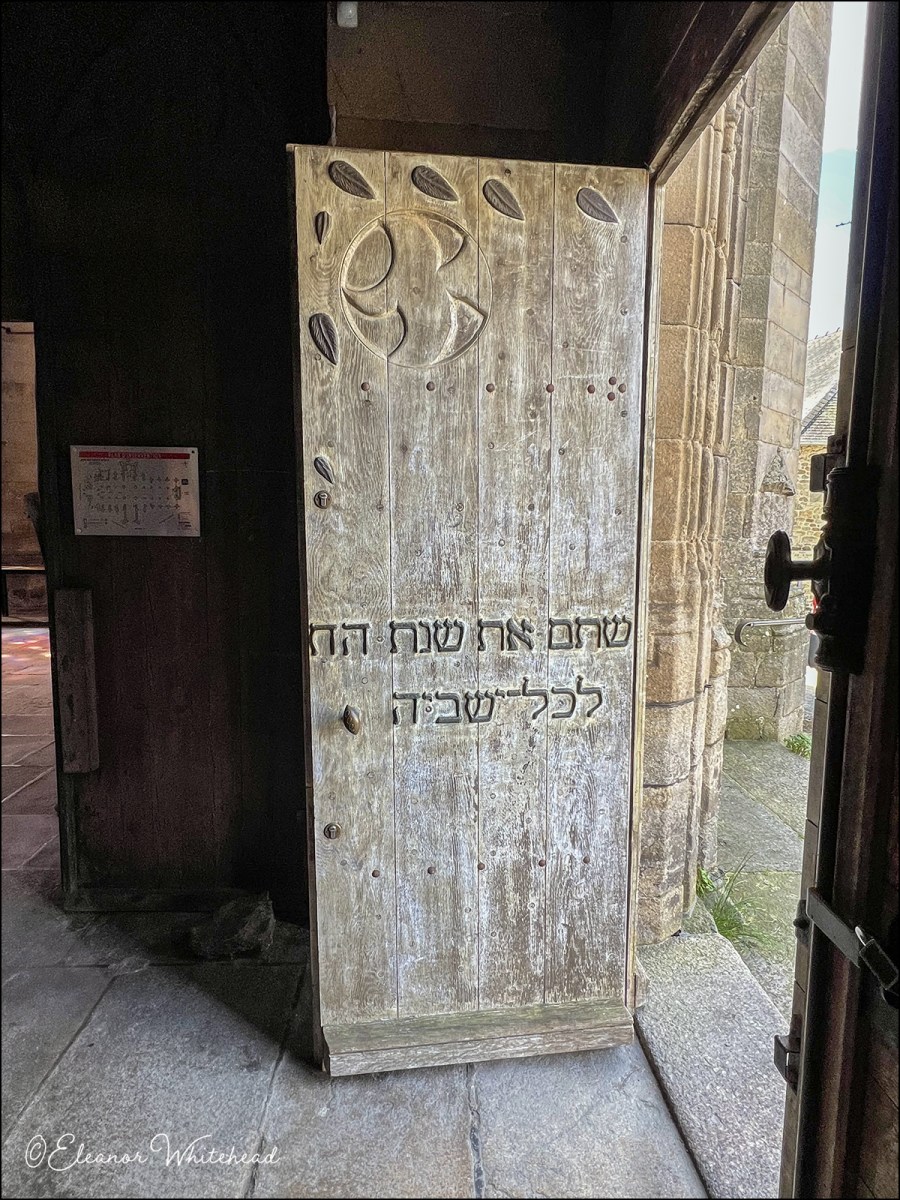
The second door image Eleanor sent me is from a Parish Church in Dinan, France. She thinks the writing on the door is Hebrew. Anyone know what it says? It’s a lovely weathered door and the door hardware we see in silhouette on the door jam looks neat.
Image used with permission.
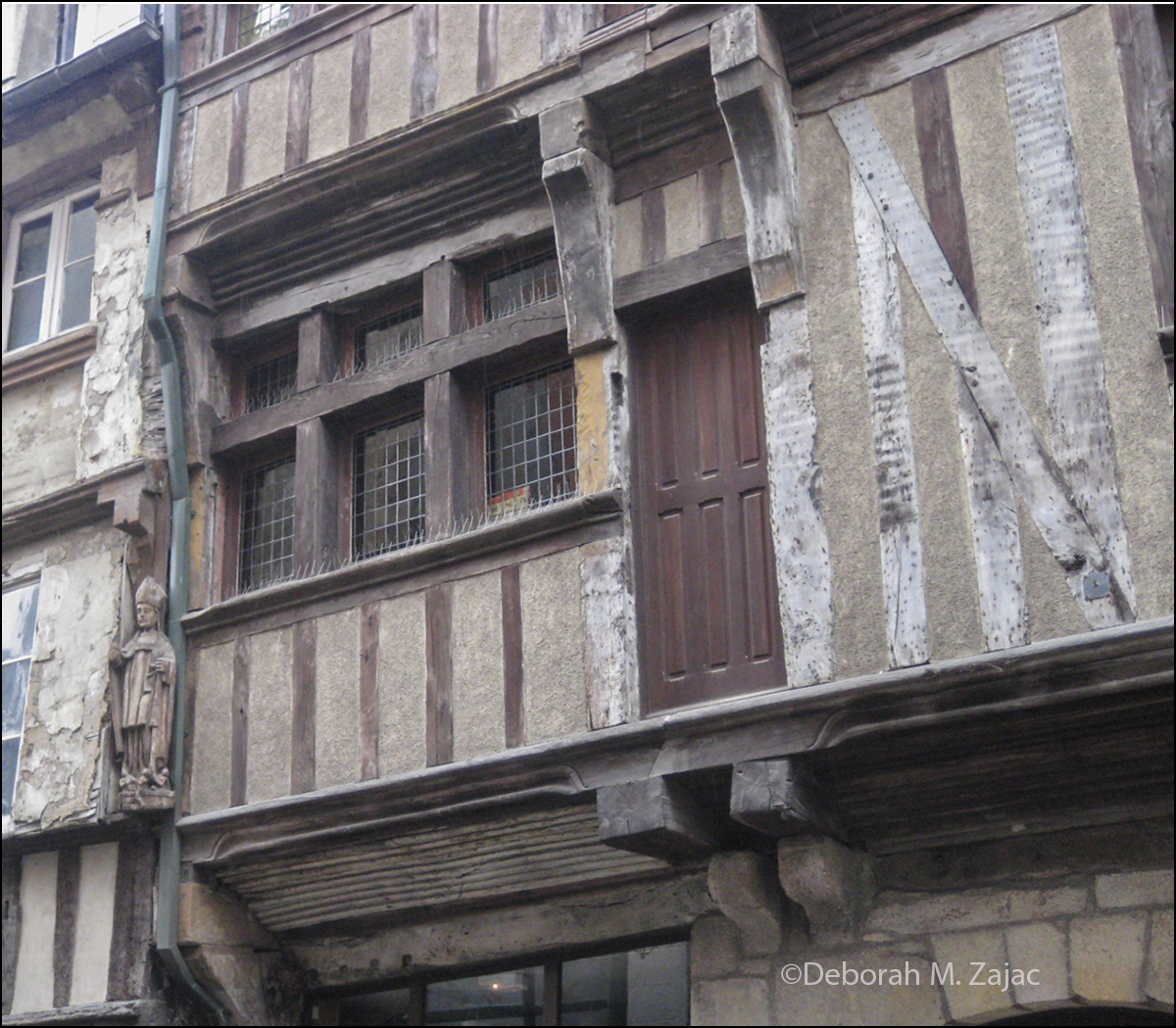
When I saw she had written the town of Dinan, France something clicked in my brain. I thought, I’ve been in that town. So, I went to my archives and sure enough back in October of 2008 while on a Rick Steves’ tour we stopped there to check out the Ramparts and wander around the town for an hour or so. I took lots of images of buildings and cobbled stone streets, but only one proper door. It’s a door on the second floor of a house. Back in the day they built the second floor jetting out over the first floor. They could increase their living space without increasing their tax burden doing this.
Eleanor’s images started me on a trek down memory lane as I hadn’t thought about this particular trip to France in a long time.
Thank you Eleanor for the doors, opening the door to my memories, and thank you all for stopping by to read the post and see the doors.
This post is part of the weekly challenge Thursday Doors hosted by Dan Antion over at https://nofacilities.com/2026/05/28/iowa-doors-and-stories/ Head on over there to see more doors from around the world or join the craze and add a door or two of your own. 😊
PLEASE DO NOT USE MY IMAGES WITHOUT EXPRESSED WRITTEN PERMISSION.
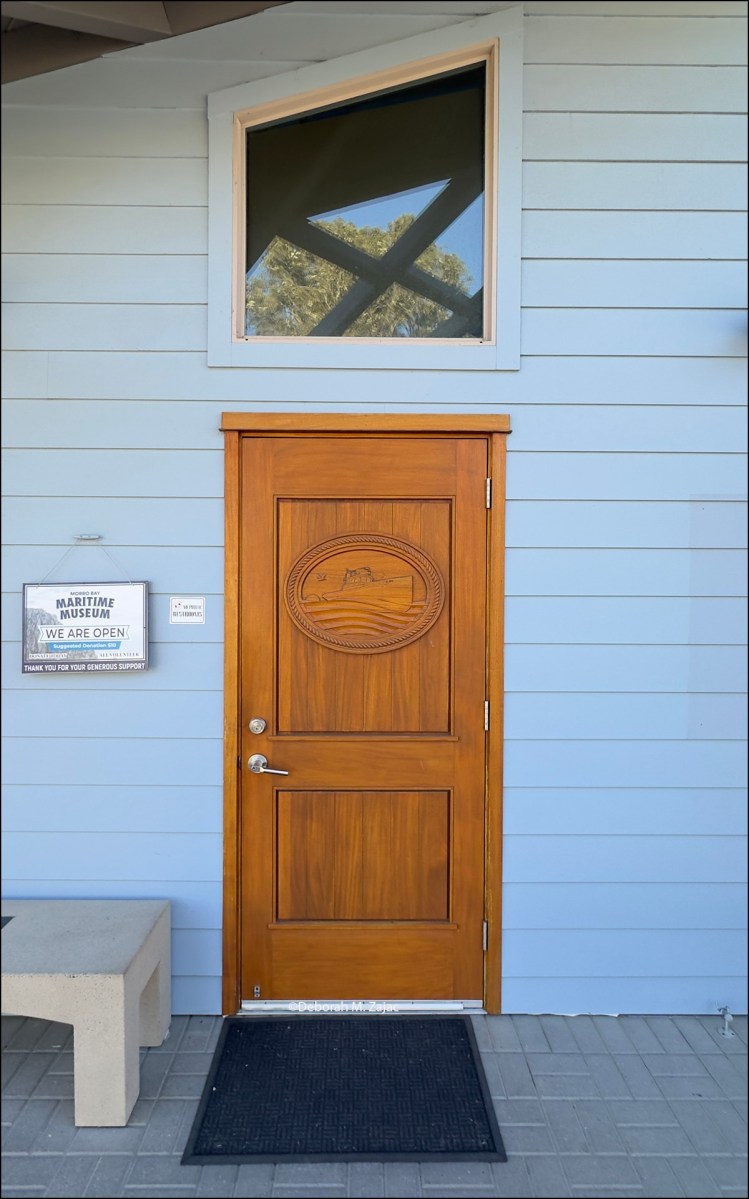
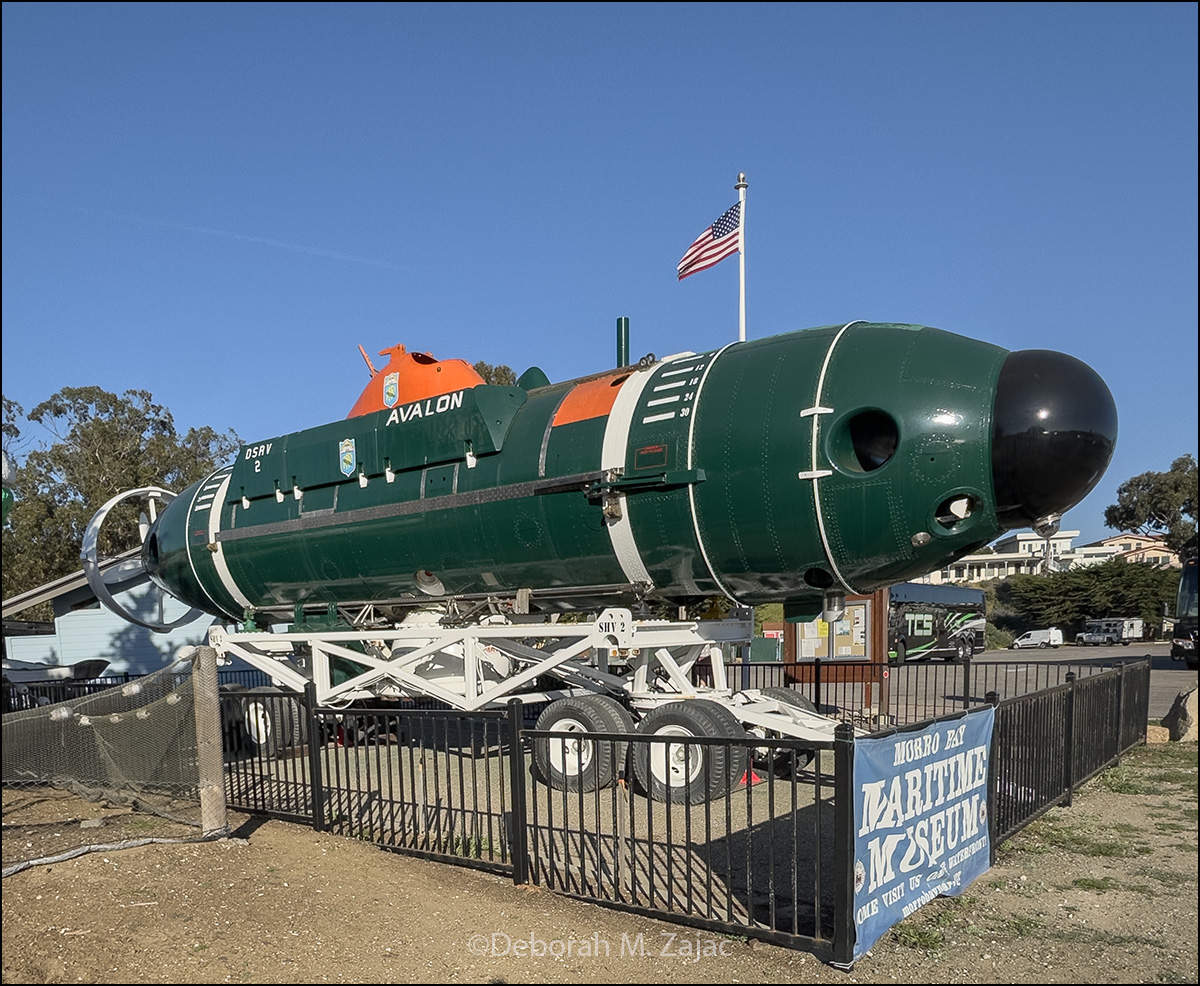
Continuing on with our Morro Bay trip I have for you today some doors, and portals from the Morro Bay Maritime Museum. We stopped by the museum while walking back to our car after dinner one evening. We went specifically to see the DSRV-2, Avalon. The museum itself was closed but, the outdoor exhibits are open and one is free to see them and walk around the grounds.
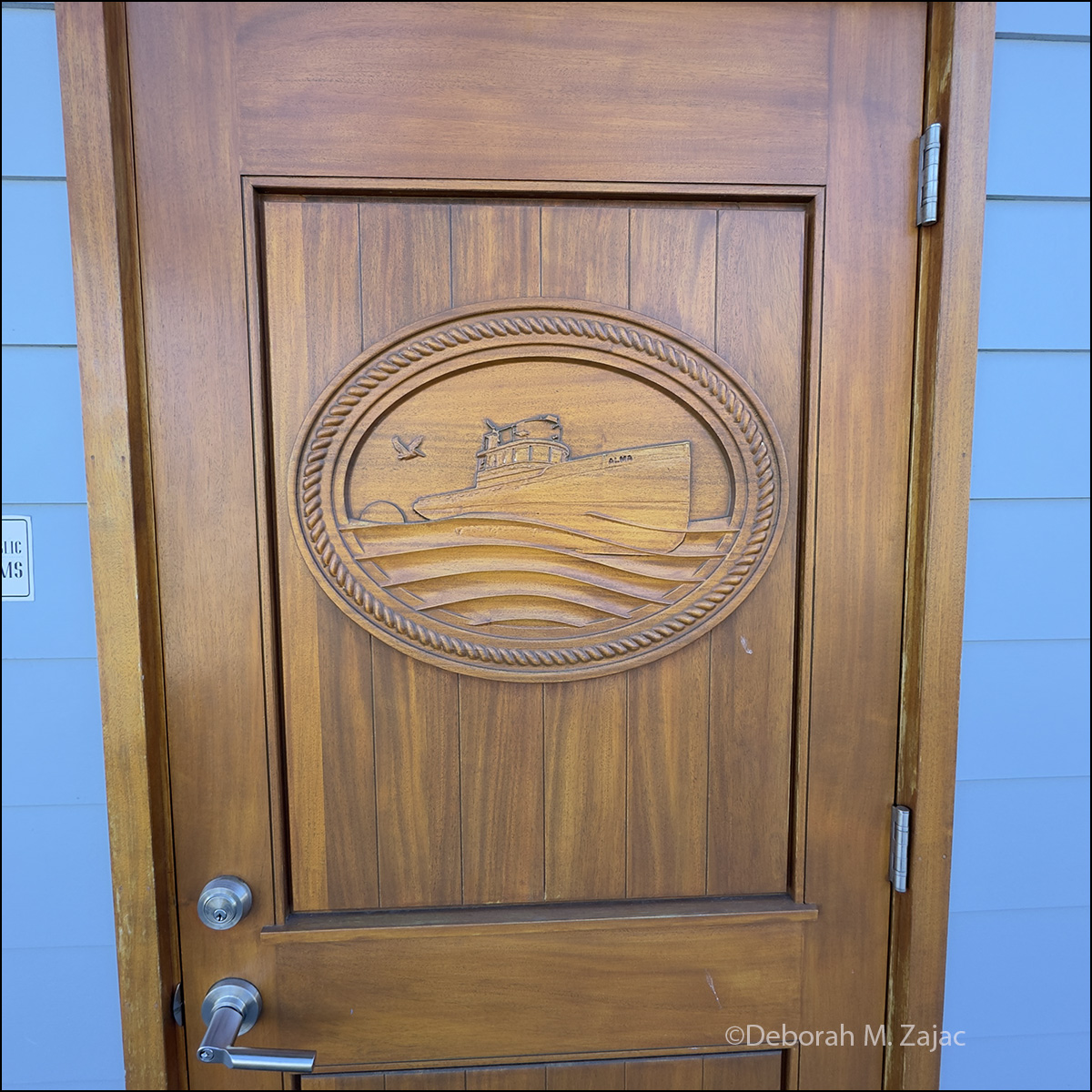
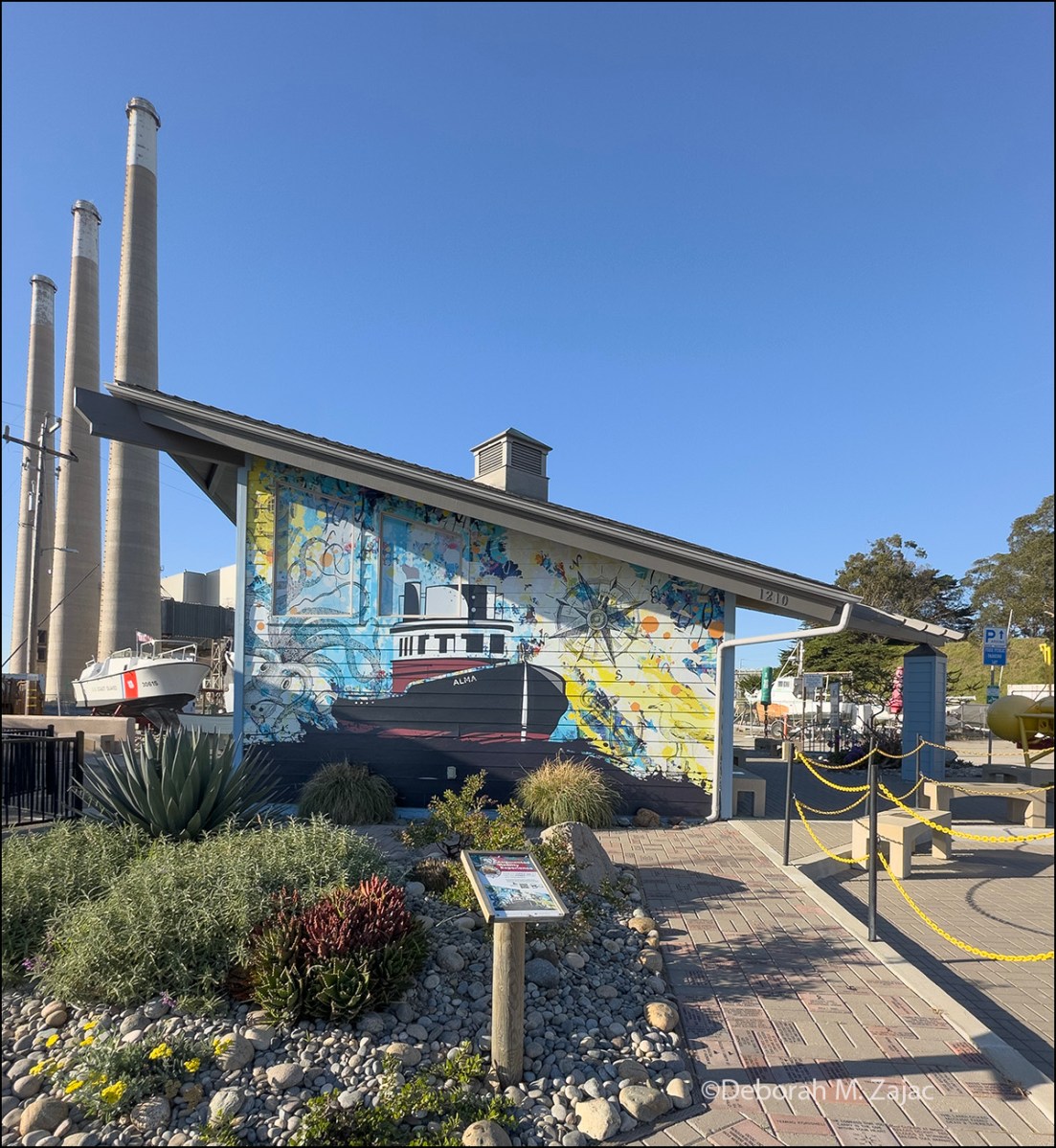
There’s a mural on the street facing side of the building that depicts the Tug Boat Alma. Alma is famous for rescuing the survivors after a Japanese submarine fired on and sank the Union Oil tanker Montebello on December 23, 1941. The attack occurred 6 miles off shore. The Alma rushed out to search for survivors and picked up 2 lifeboats of full.
DSRV-2 Avalon, DSRV is an acronym for Deep Submergence Rescue Vehicle. The Avalon is one of only 2 DSRV’s. The door is really a hatch. I believe it’s located on top of the submersible inside that orange cover.
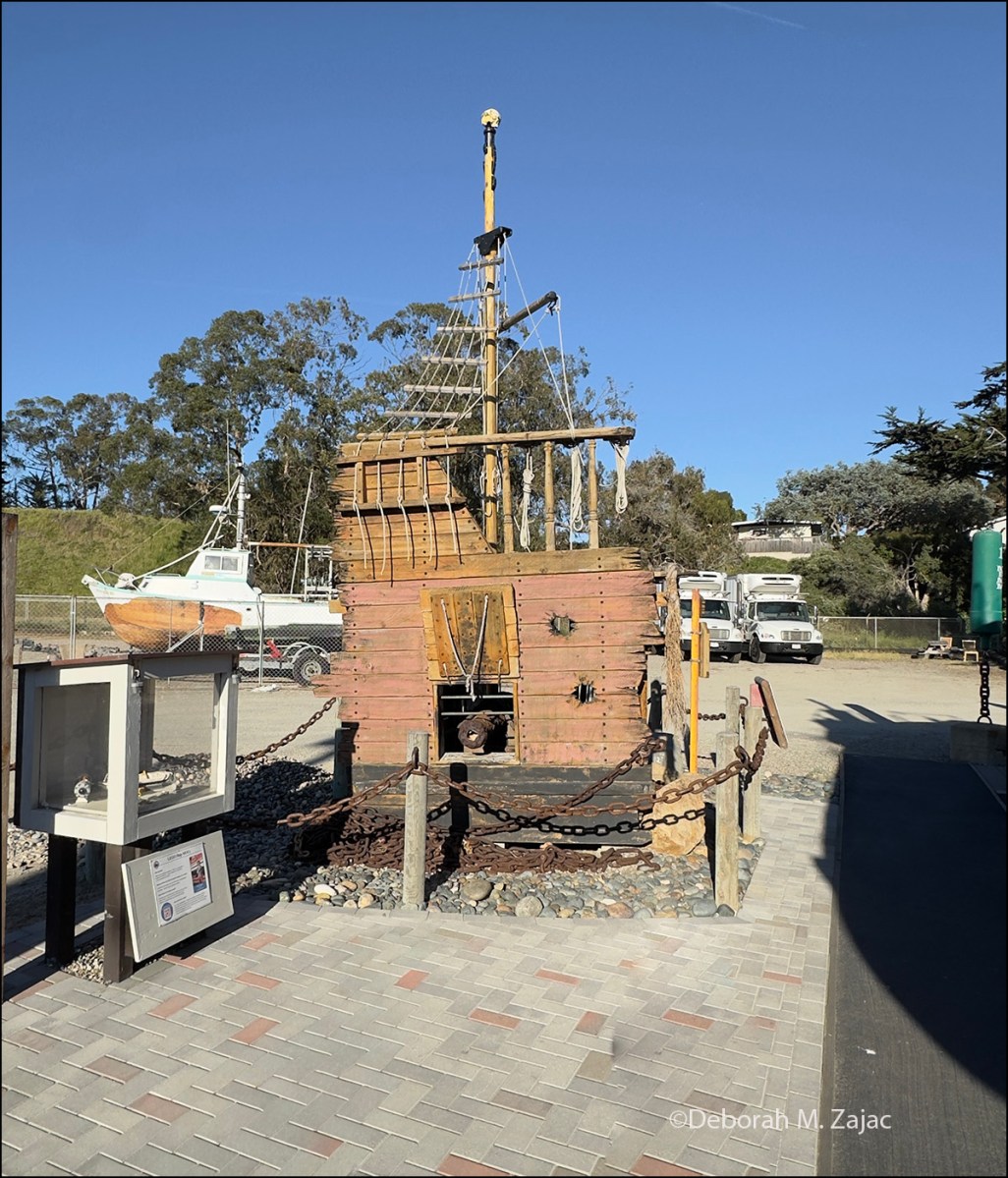
There was a partial bit of tall ship too. I didn’t get a photo of the signage and have forgotten what it said. Sorry! I’m not sure if this is the Poop Deck or the Forecastle, but it has a canon door! Yes, I think it’s listing a bit.
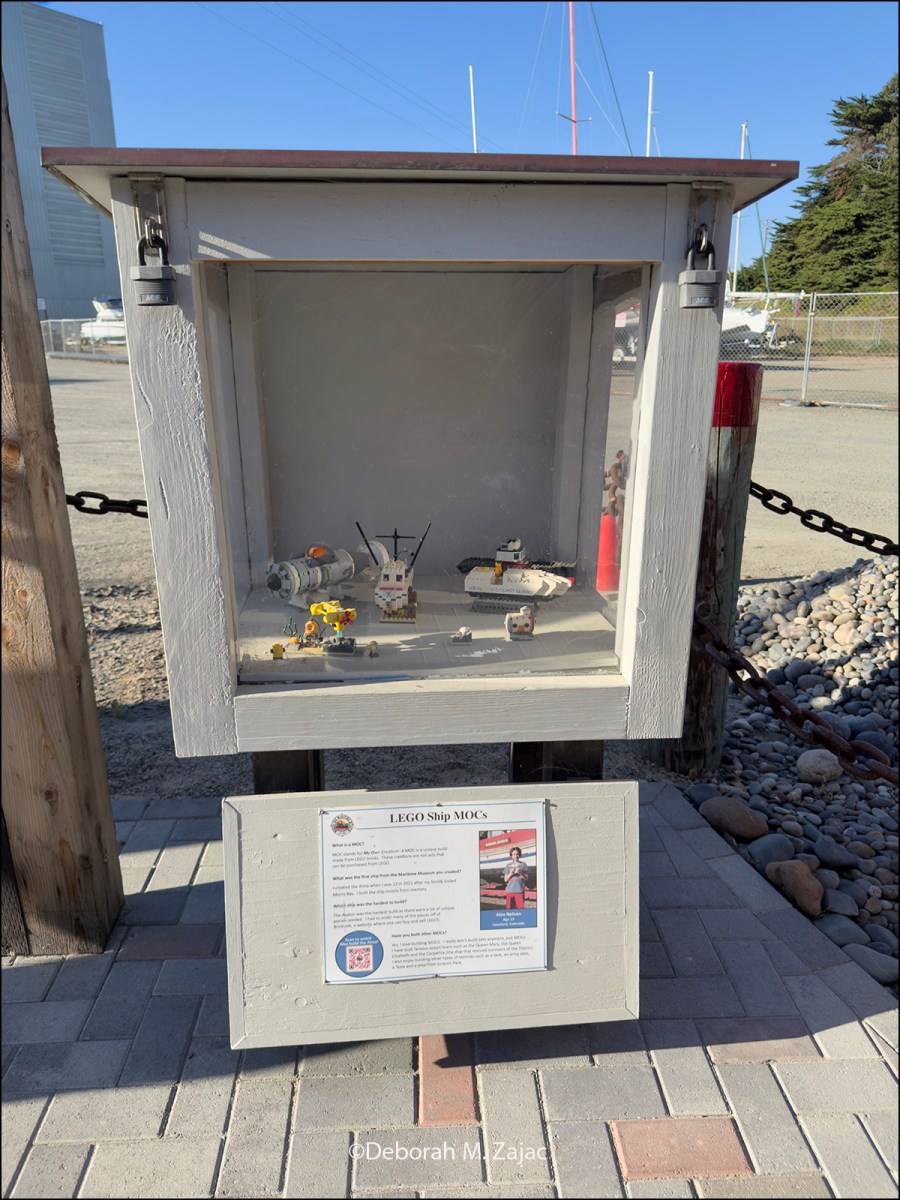
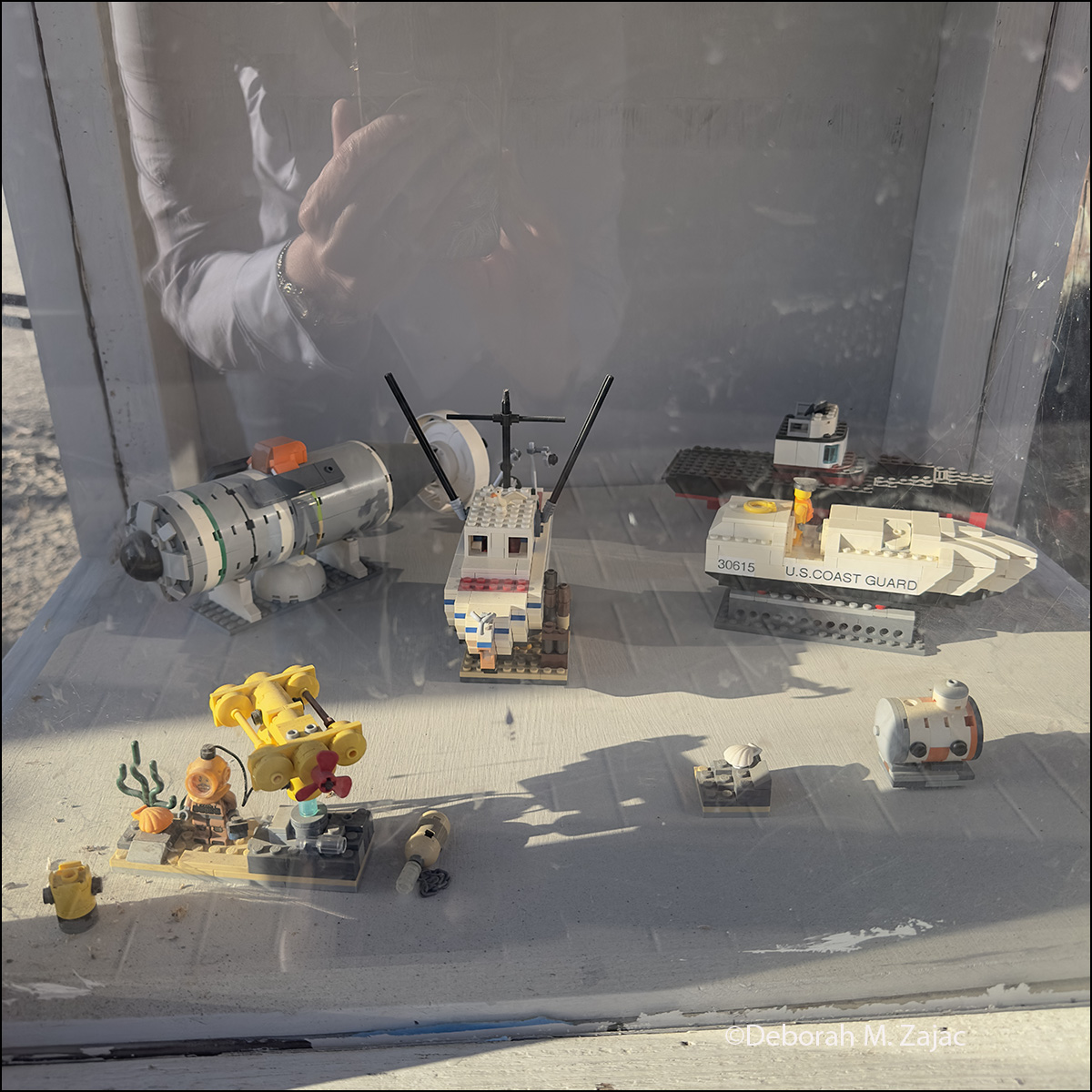
Just in front of the partial tall ship is a display case housing several Lego builds of seafaring craft by Alex Nelson, age 13 at the time he constructed these.
There are a few other boats there that I didn’t get photos of. With any luck I’ll get to go back to see more of this museum.
Fun Facts:
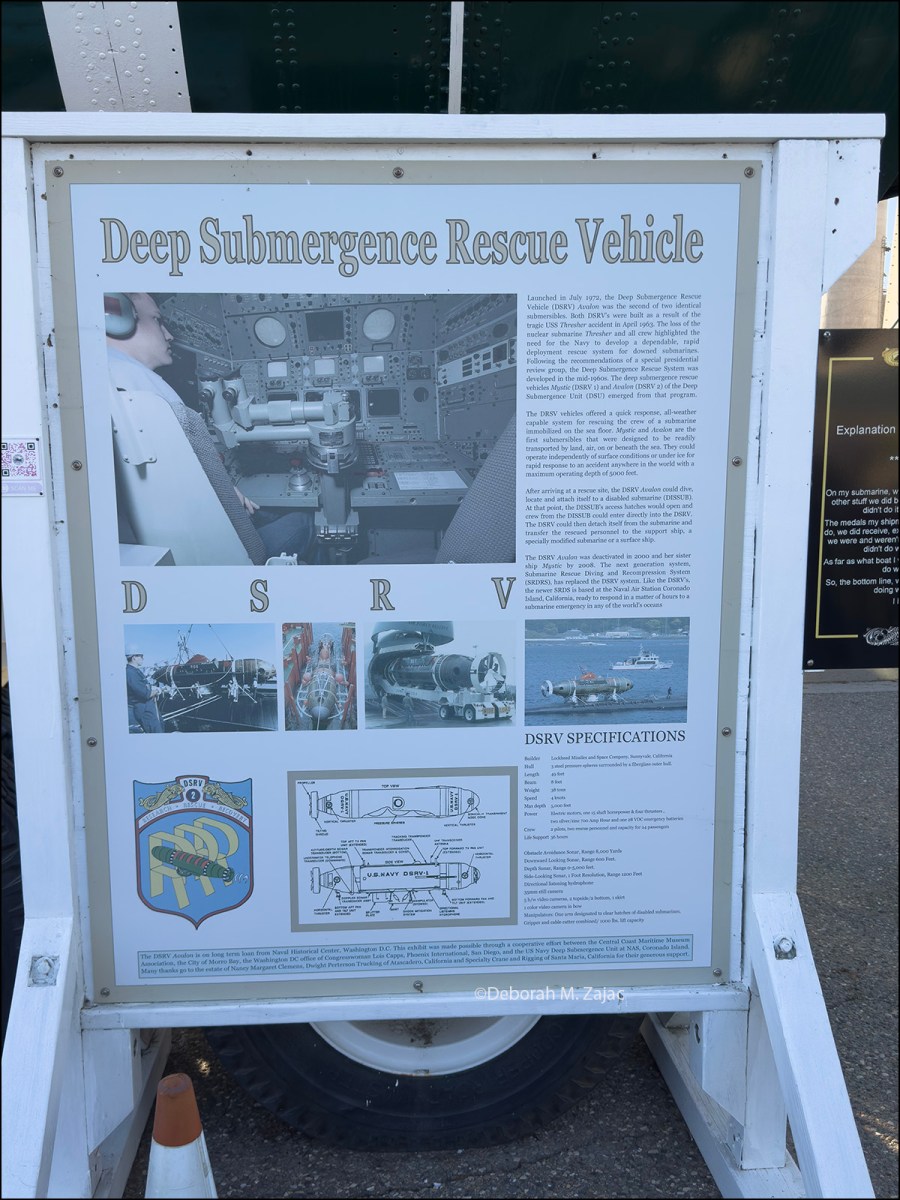
“Deep Submergence Rescue Vehicle
Launched in July 1972, the Deep Submergence Rescue Vehicle (DSVR) Avalon was the second of two identical submersibles. Both DSRV’s were built as a result of the tragic USS Thresher accident in April 1063. The loss of the nuclear submarine Thresher and all crew highlighted the need for the Navy to develop a dependable, rapid deployment, rescue system for downed submarines.
The DSRV vehicles offered a quick response, all-weather capable system for rescuing the crew of a submarine immobilized on the sea floor. Mystic and Avalon are the first submersibles that were designed to be readily transported by land, air, on or beneath the sea. They could operate independently of surface conditions or under ice for rapid response to an accident anywhere in the world with a maximum operating depth of 5000 feet.
After arriving at a rescue site, the DSRV Avalon could dive, locate and attach itself to a disabled submarine (DISSUB). At that point, the DISSUB’s access hatches would open and crew from the DISSUB could enter directly into the DSRV. The DSRV could then detach itself from the submarine and transfer the rescued personnel to the support ship, a specially modified submarine or a surface ship.
The DSRV Avalon was deactivated in 2000 and her sister ship Mystic by 2008. The next generation system, Submarine Rescue Diving and Recompression System (SRDRS), has replaced the DSRV system. Like the DSRV’s, the newer SRDS is based at the Naval Air Station Coronado Island, California, ready to respond in a matter of hours to a submarine emergency in any of the world’s oceans.”
~ Morro Bay Maritime Museum
This post is part of the weekly challenge Thursday Doors hosted by Dan Antion over at https://nofacilities.com/
Head on over there to see more doors from around the world or join the craze and add a door or two of your own. 😊
PLEASE DO NOT USE MY IMAGES WITHOUT EXPRESSED WRITTEN PERMISSION.
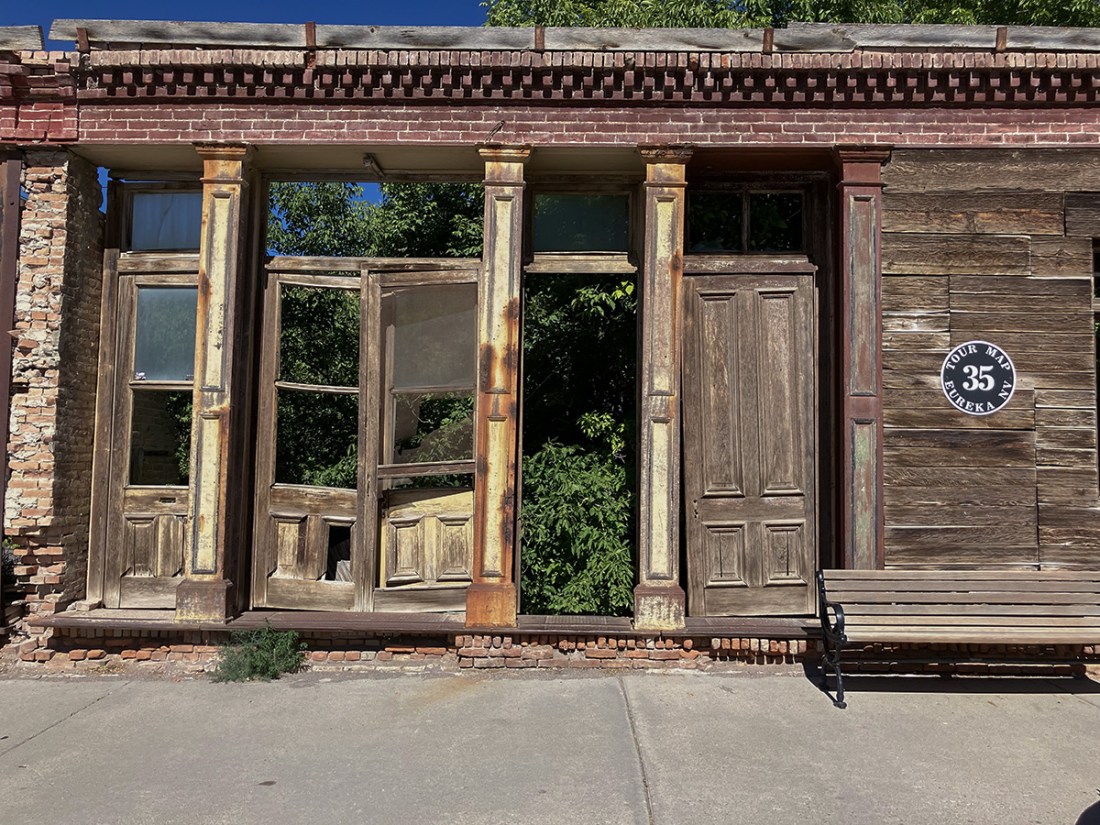
Several weeks ago a girlfriend of mine sent me a photo of a building in Eureka, NV via a text message. She said, “Here’s a door picture for you! ❤️ Eureka, NV.
I asked her if I could share it with you all and she said, “Yes. I knew you’d like those.”
It has 4 doors!
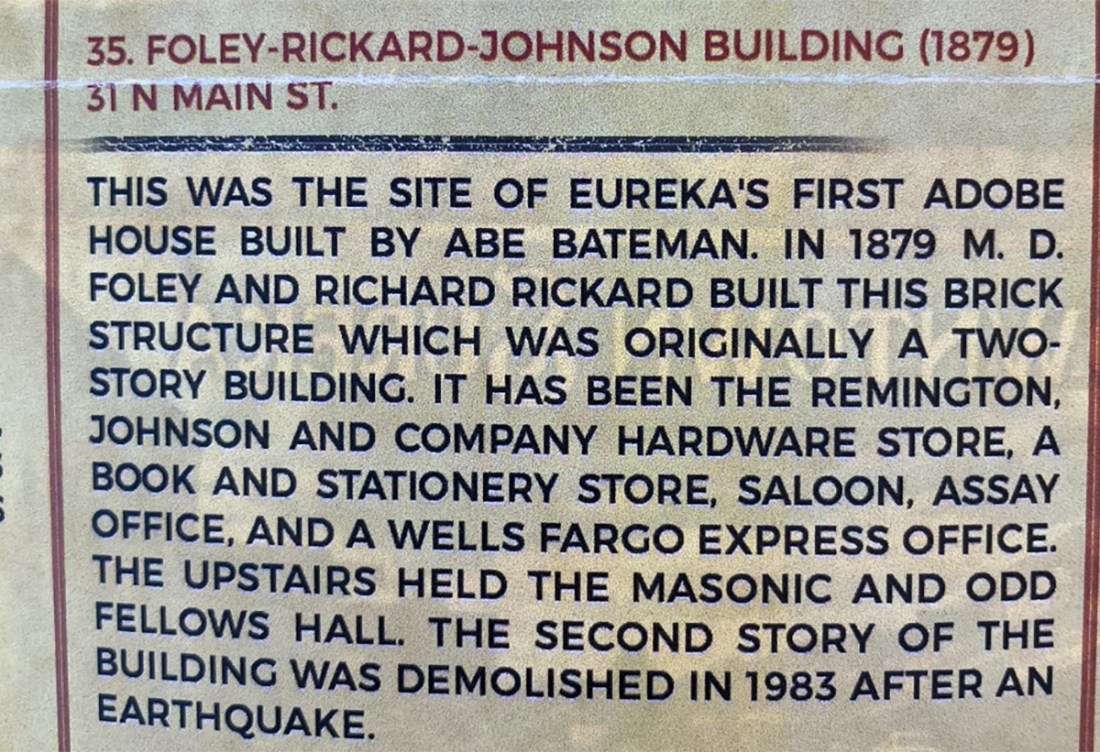
Foley-Rickard-Johnson Building (1879)
She said she did the walking tour and this building is number 35 on the tour. She sent the passage about the history of this site/building too.
Photos by Jarlath
I hadn’t heard of Eureka, NV prior to her sending me these images so, I looked it up. Travel Nevada says, ” Eureka, Nevada bills itself as the Friendliest Town on the Loneliest Road in America. This charming little town is one of the American West’s best-preserved mining communities, thanks to dozens of beautifully intact historic buildings to admire and plenty of hands-on history to explore, along with modern comforts, tasty food, and drink, and endless outdoor adventure a stone’s throw away.”
“In 1864 several prospectors made their way east from booming Austin in search of less crowded diggin’s, which they found—at least for a brief moment. Eventually, their “eureka” moment arrived in the form of a silver strike that would become the state’s largest, second only to the unrivaled Comstock Lode in Virginia City.
Unlike thousands of Western boomtowns that quickly went bust, Eureka continued to prosper, thanks to its proximity to troves of silver, lead, zinc, and (still today) gold. At its height, Eureka could churn out 700 tons of ore in a single day, a feat that secured status as the seat of the richest county in the Silver State.”
PLEASE DO NOT USE MY IMAGES WITHOUT EXPRESSED WRITTEN PERMISSION.
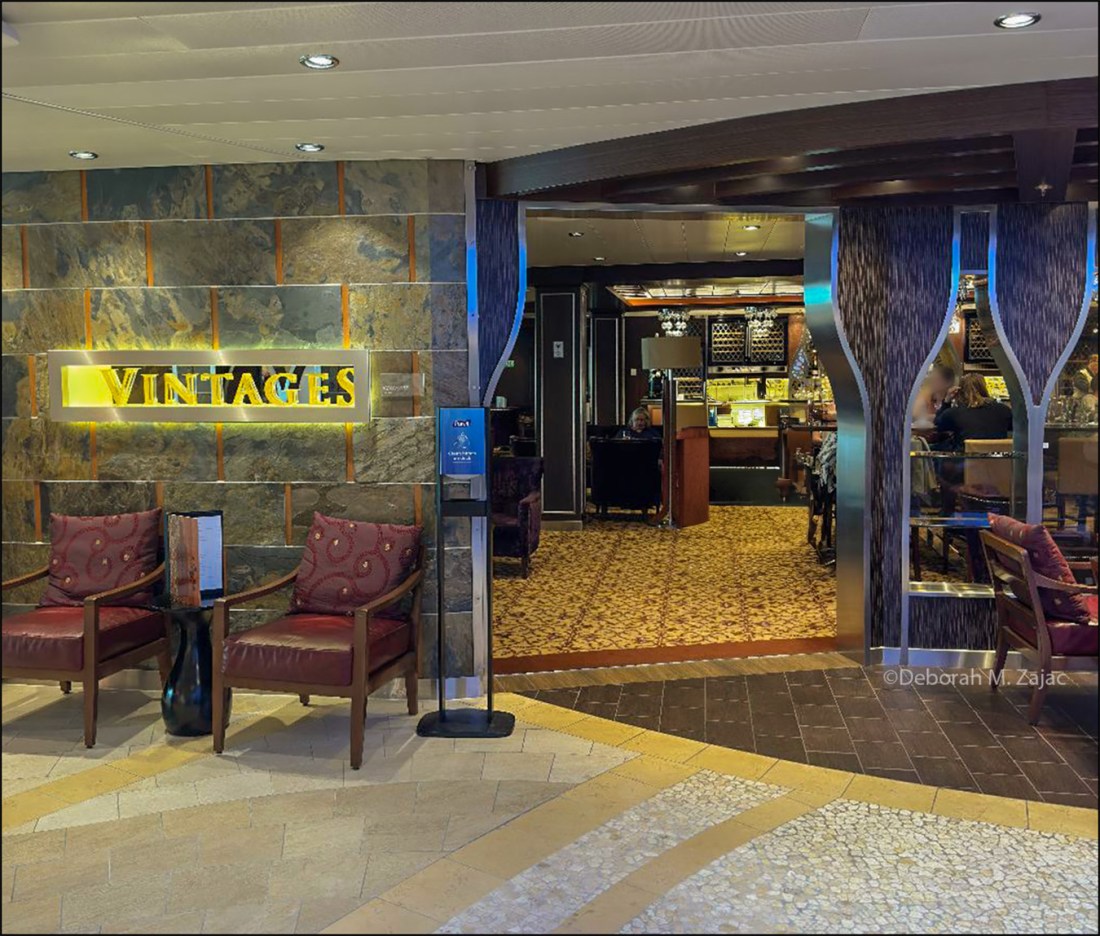
He-Man and I were recently on an Alaskan Cruise which was a lot of fun and full of beautiful scenery, but you know I had an eye out for the unique or unusual door too. I think this one fits the bill. Vintage’s Bar on the Quantum of the Seas ship.
PLEASE DO NOT USE MY IMAGES WITHOUT EXPRESSED WRITTEN PERMISSION.
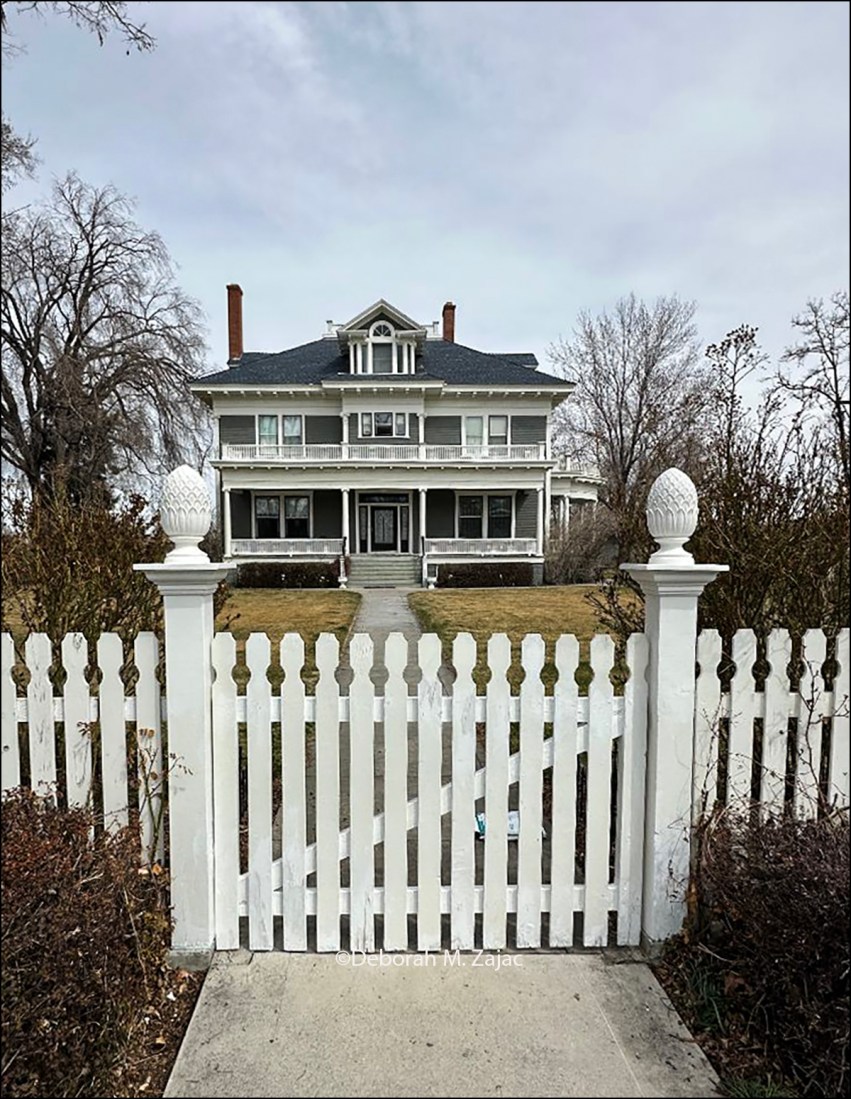
This week I’m sharing a house with a pretty door that I’ve wanted to photograph for ages. While shopping in downtown Gardnerville, NV a few weeks back I finally turned down Ezell Street to make a few photos of the Jensen Mansion.
This mansion was built by Arendt Jensen back in 1910. In the year 1887 when he was just 28 he arrived in Gardnerville, NV. There were just two houses in town.
There’s a plaque on the tree out front telling us a little about him and the house.
The Plaque says,” Arendt Jensen had this beautiful mansion constructed for his family in 1910. Mr. Jensen owned a general merchandise store in Gardnerville that became very prosperous. He later established the first bank in Carson Valley. The Douglas County Farmer’s Bank.
An advertisement in the Record Courier newspaper in 1906 stated at the “A. Jensen store you can buy anything at prices that are right.”
Meticulously restored, the Jensen Mansion has been a bed and breakfast in the recent past. The home and grounds also appeared in the movie “The Wizard” staring Fred Savage, and Beau Bridges. The home was listed on the National Register of Historic Places in 1989.”
There’s some interesting information on the Clairitage site. There’s a photo of the brick Mercantile building that Jensen built there, and the 3 arched building is still in town. The 3 arched building is a huge antique store that I love to poke around in. My last stop in I scored a lovely duck decoy that now lives in my bedroom. 😊 Okay let’s get back on topic. The door!





You must be logged in to post a comment.