Copyright ©2024 Deborah M. Zajac. ALL RIGHTS RESERVED.
PLEASE DO NOT USE MY IMAGES WITHOUT EXPRESSED WRITTEN PERMISSION.
…with a hop,
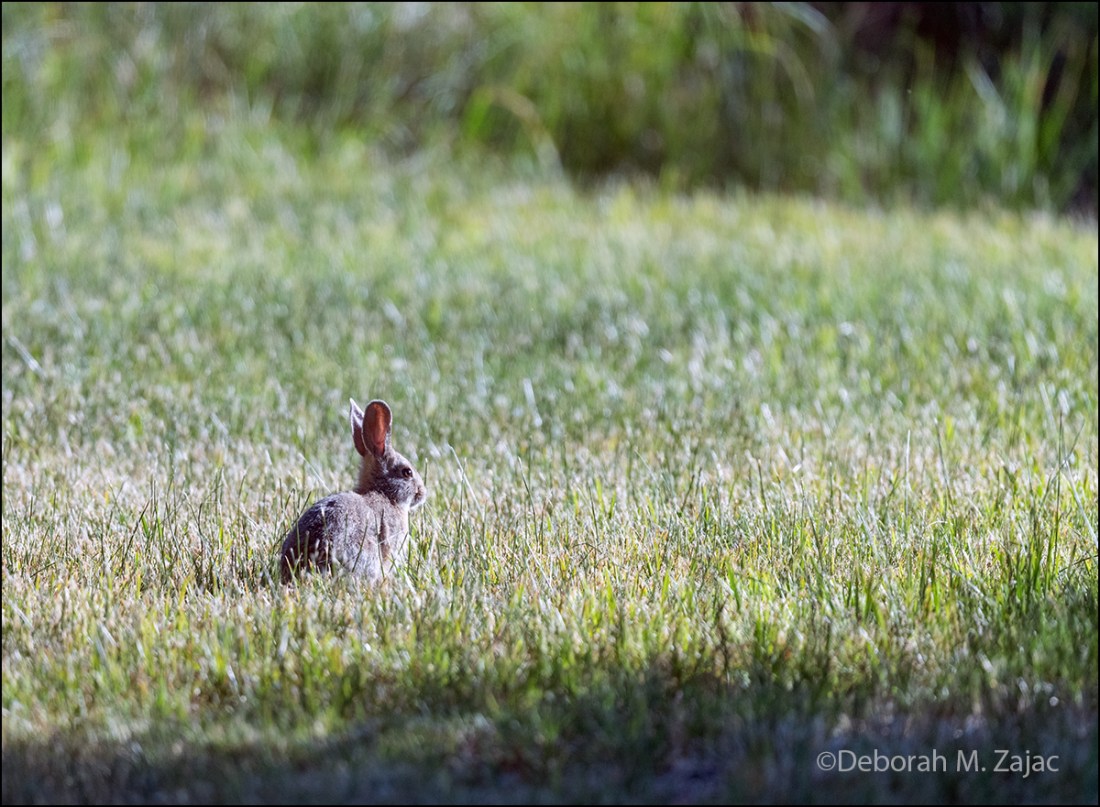
…and a flutter,

to say have a great week-end everyone!
Nikon D850| Nikkor 500mm| PS CC
more to come…
“A good snapshot keeps a moment from running away.” ― Eudora Welty
Copyright ©2024 Deborah M. Zajac. ALL RIGHTS RESERVED.
PLEASE DO NOT USE MY IMAGES WITHOUT EXPRESSED WRITTEN PERMISSION.
…with a hop,
…and a flutter,
to say have a great week-end everyone!
Nikon D850| Nikkor 500mm| PS CC
more to come…
Copyright ©2024 Deborah M. Zajac. ALL RIGHTS RESERVED.
PLEASE DO NOT USE MY IMAGES WITHOUT EXPRESSED WRITTEN PERMISSION.
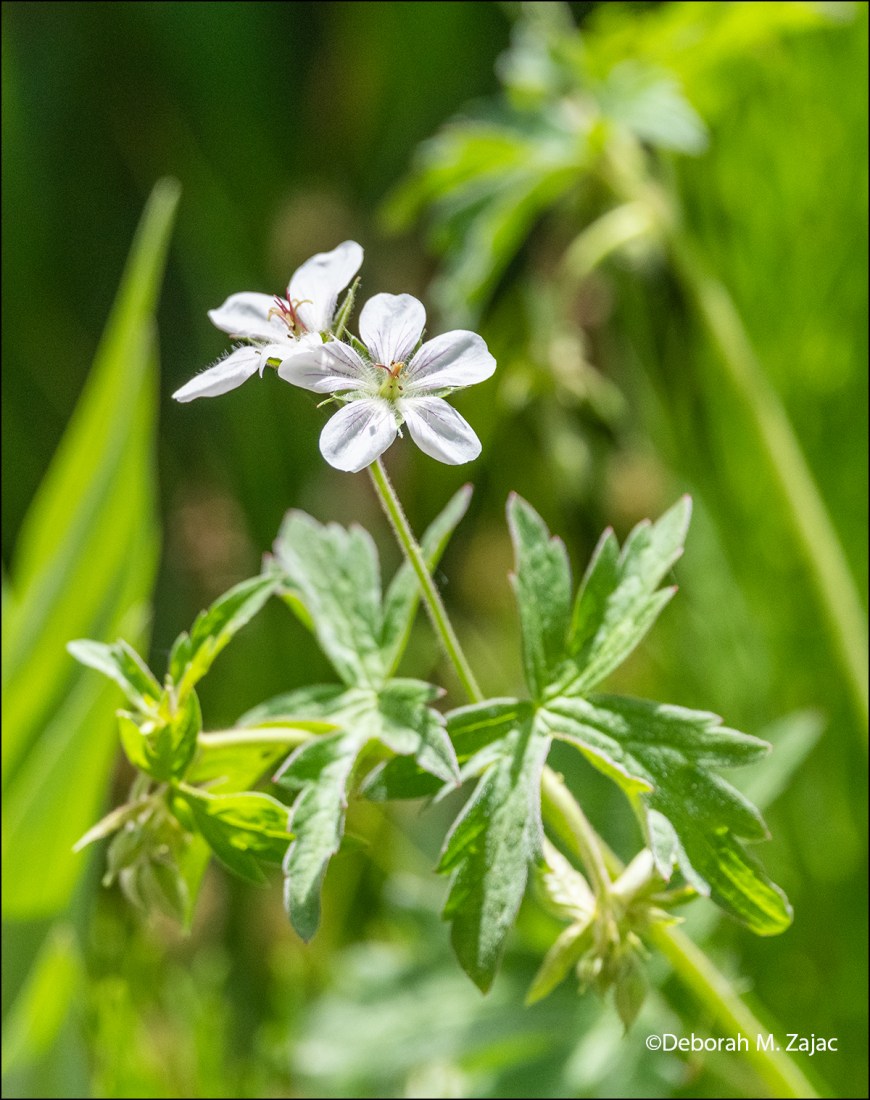
Spring was bloom in the high desert and I saw some lovely wildflowers while I was camping and out birding. Here are three.
Red Columbine
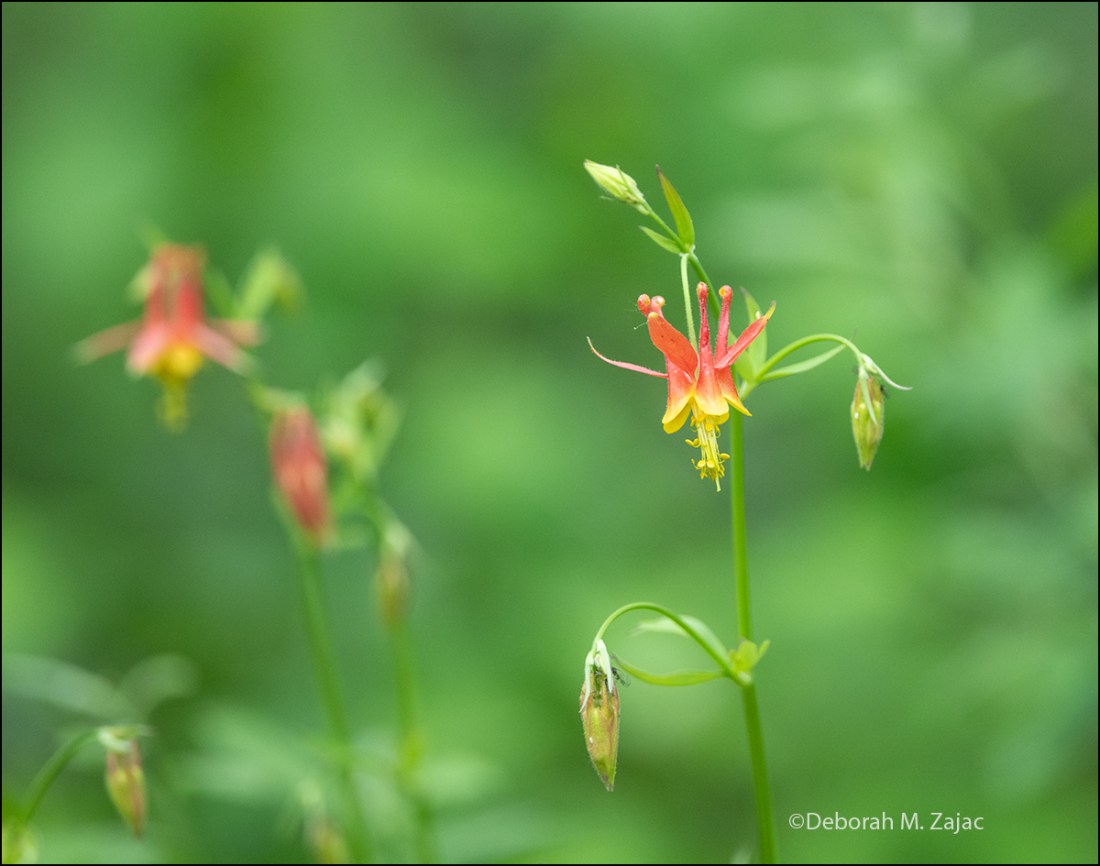
False Lily of the Valley

Richardson’s Geranium
+1 I think this is a Great Spangled Fritillary. Please let me know if I’m wrong!

I hope your week is going well, and you aren’t being overheated with really warm temperatures this week. By the week-end our temperature which has been on the cooler side for days are going to start climbing again and by Friday we’re supposed to be hitting the 90’s F.
I hope to be out on the lake having a paddle with He-Man this morning…fingers crossed the wind isn’t blowing! If I’m late getting to your blogs and comments this morning you know why. 😊🛶
Nikon D850| Nikkor 500mm PF-E
more to come…
Copyright ©2024 Deborah M. Zajac. ALL RIGHTS RESERVED. DO NOT USE MY IMAGES WITHOUT EXPRESSED WRITTEN PERMISSION!
I’ve mentioned a couple of times that I’m working my way through a watercolor book called Ready to Paint- Trees and Woodlands. They say you can do these exercises and little paintings in 30 minutes, but it takes me hours.
This is Nº7 called Farmhouse. The lesson was working on a variegated wash of colors, and painting around a negative space. That means painting in the wash of sky, and the background behind the farmhouse and barn first then paint the farmhouse and barn.

It took me about 1.5 hours to paint this. Pretty quick for me. I painted the sky and background then let it dry overnight before tackling the trees and buildings. I find myself letting things dry, then ruminating about the next step before actually taking the next step. Fear of making a mistake? Oh yes!
Anyway, it didn’t come out too bad just a little wonky. I see things I would change the next time I try something like this. On the whole I think the wash came out okay, and I used the negative space like I was supposed to. The rock wall was supposed to be a hedge but, I added my own spin on it, I wanted a wall instead. On y va!
I’ve been birding a lot so, I’ll have bird images to share soon.
I hope you’re all having a good week.
140lb 100% cotton paper| M.Graham and Da Vinci Watercolors| iPhone 14Pro
more to come…
Copyright ©2024 Deborah M. Zajac. ALL RIGHTS RESERVED.
PLEASE DO NOT USE MY IMAGES WITHOUT EXPRESSED WRITTEN PERMISSION.
I don’t want the week to go by without a post so here we have me posting on a rare Saturday.
This little Kinglet is so cute, but very flitty normally but, on this day earlier this month I was able to get quite a few good looks at this one.

They’re a small bird being only 3.5-4.3 inches in length, and weigh 0.2-0.3 ounces.
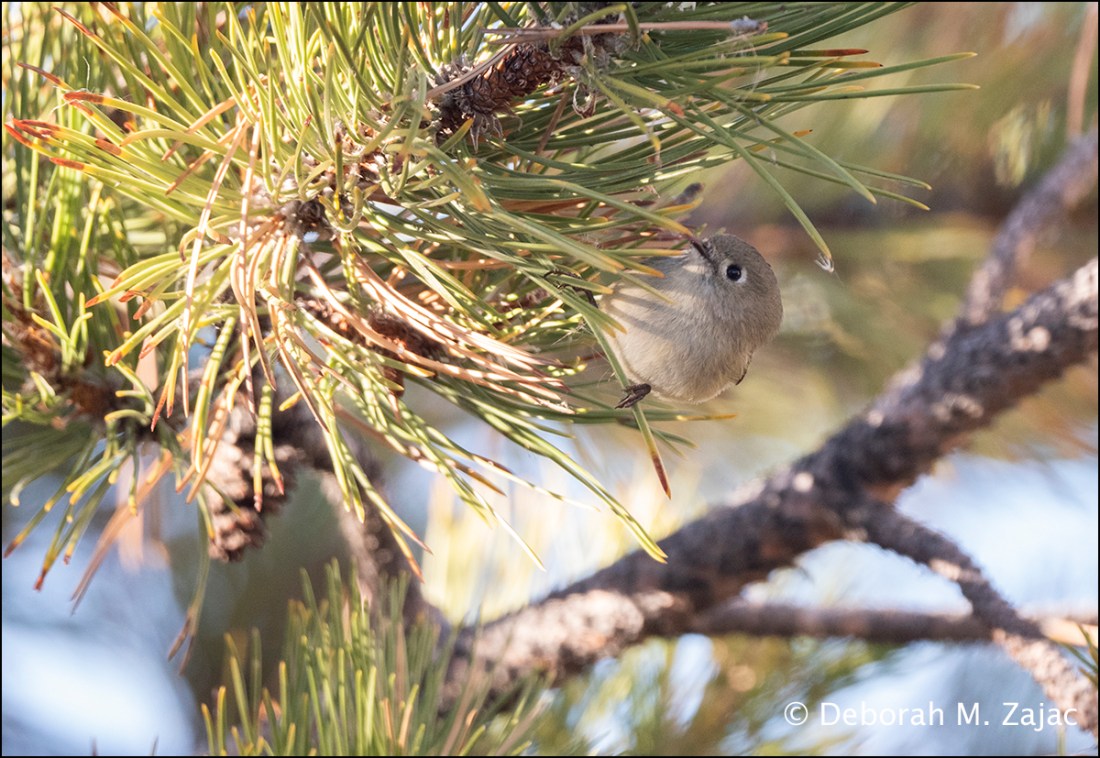
I have yet to see it flared, but here’s a look at the top of its head showing the Ruby spot.
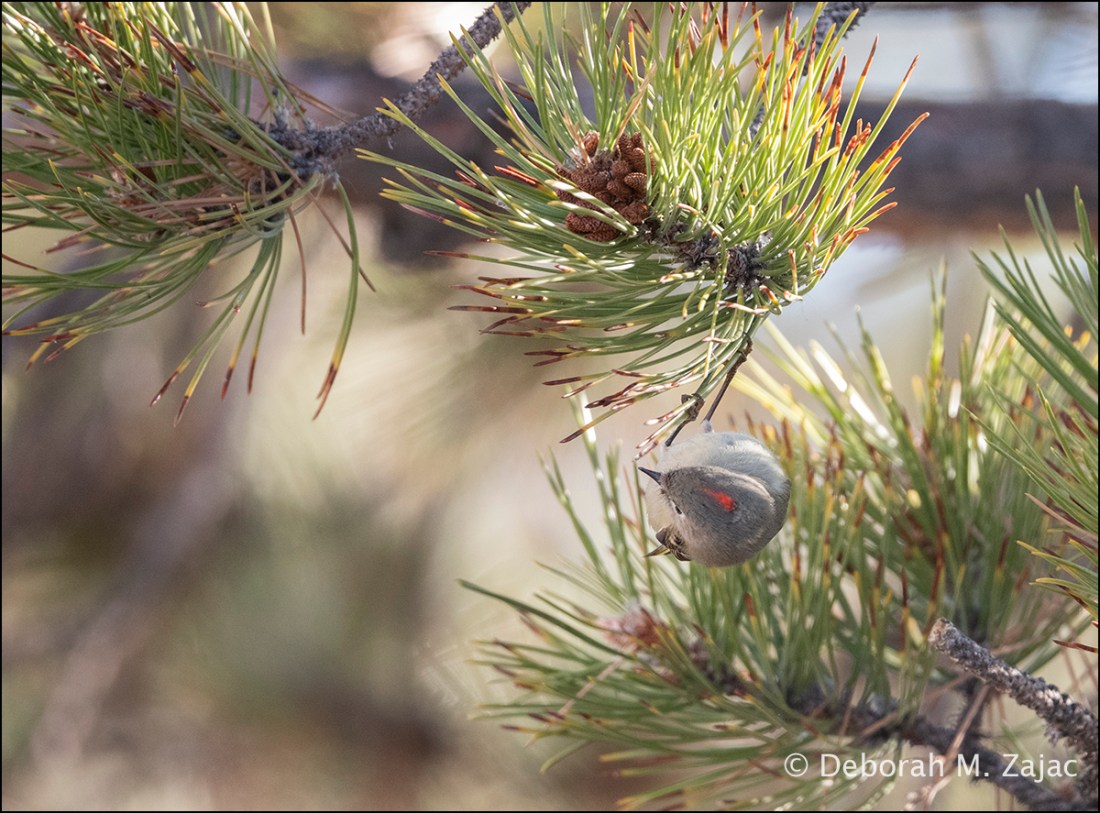
This one is busy being an acrobat which afforded me a good look at its Ruby Spot which was a treat. Just look at how light they are it’s holding onto those pine needles and they aren’t bending!
Fun Facts:
Fun facts gleaned from allaboutbirds.orghttps://www.allaboutbirds.org/guide/Ruby-crowned_Kinglet/overview
I hope you all have a great week-end!
Nikon D810| Nikkor 500mm PF-e| PS CC 25.3.1
more to come…
Copyright ©2023 Deborah M. Zajac. ALL RIGHTS RESERVED.
PLEASE DO NOT USE MY IMAGES WITHOUT EXPRESSED WRITTEN PERMISSION.
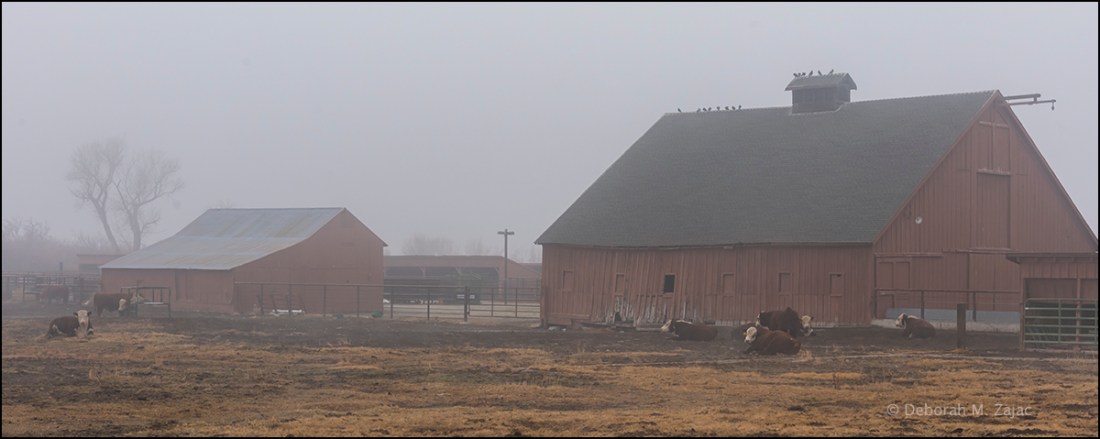
Nikon D810| Nikkor 24-120mm| PS CC 25.3.1
more to come…
Copyright ©2023 Deborah M. Zajac. ALL RIGHTS RESERVED.
PLEASE DO NOT USE MY IMAGES WITHOUT EXPRESSED WRITTEN PERMISSION.
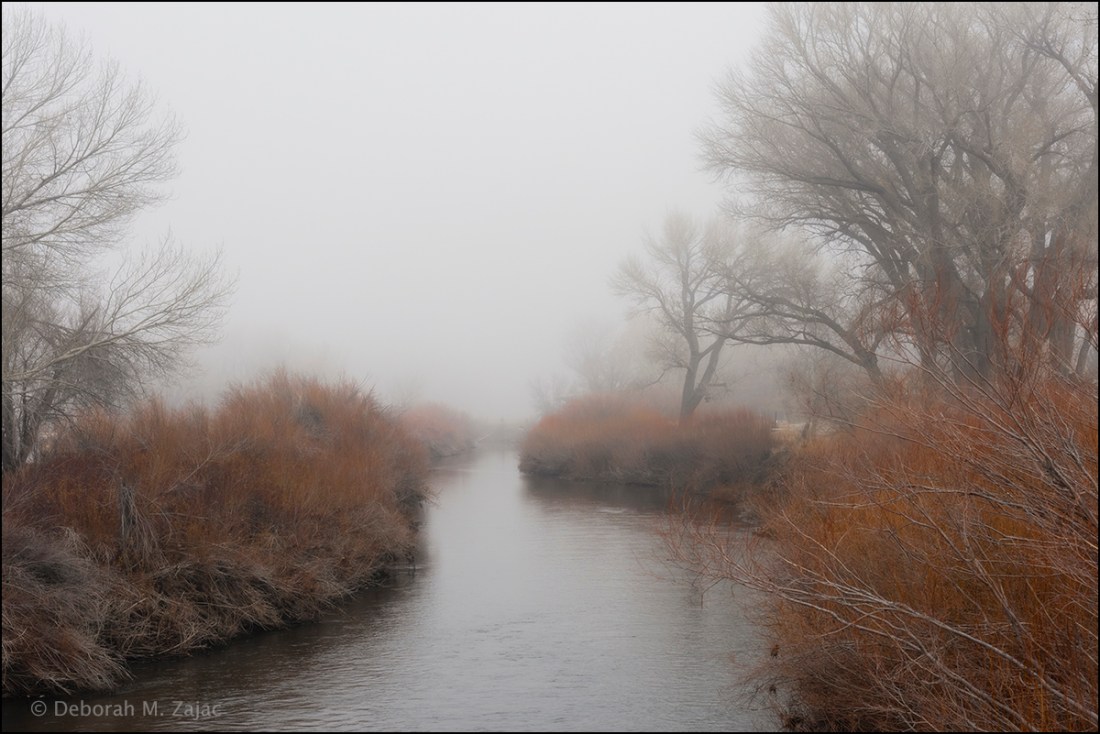
Wishing you and yours a very Merry Christmas!
Nikon D810| Nikkor 24-120mm| PS CC 25.2.0
more to come…
Copyright ©2023 Deborah M. Zajac. ALL RIGHTS RESERVED.
PLEASE DO NOT USE MY IMAGES WITHOUT EXPRESSED WRITTEN PERMISSION.
I saw this one foraging in a shallow pond earlier in the month. I think it’s a Lesser Yellowlegs, but if I’m wrong let me know! It’s so hard to tell it apart from the Greater Yellowlegs. I’m going on the bill not being too much longer than its head.
I don’t see this type of bird too often so it’s pretty neat when I do. It’s either passing through or hanging out for winter migration.

Fun Facts:
more to come…


You must be logged in to post a comment.