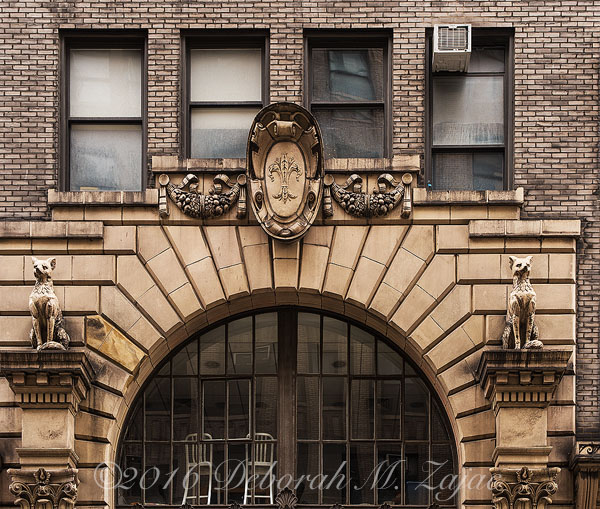
Thursday Doors 28/52

Copyright ©2016 Deborah M. Zajac. ALL RIGHTS RESERVED

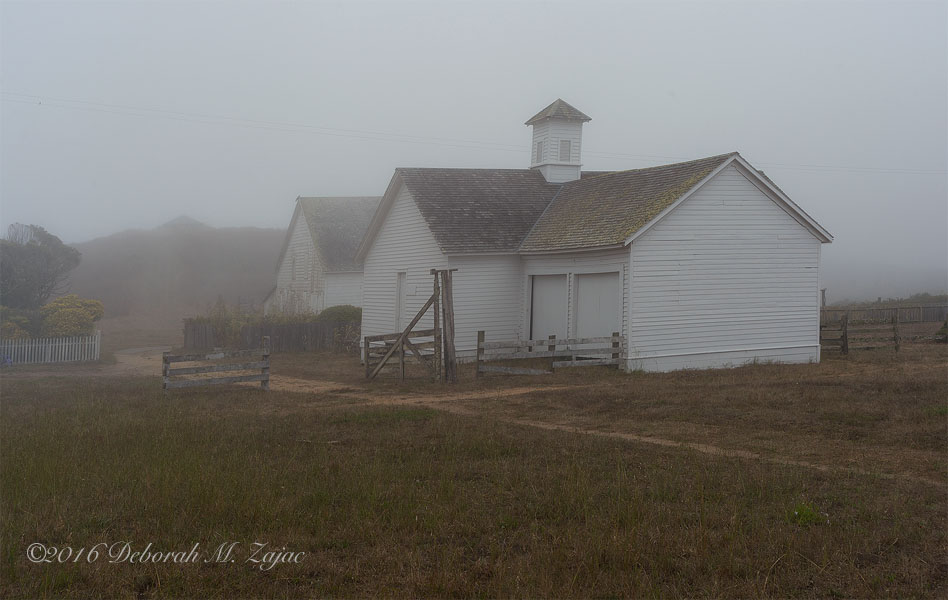
Last week-end while in Point Reyes National Seashore I went out to Pierce Point Ranch which is where the road ends heading north in the park.   I was planning to hike out to see the herd of Tule Elk, but it was so foggy reports from hikers returning from the trail said they’d not seen or heard the Elk.  So, instead of hiking I stayed at the ranch and took photographs of some of the buildings and doors.

For the History Buffs:

The Ranch was constructed by Solomon Pierce in the 1860’s. It was the most successful “butter rancho” in Point Reyes Township.  

In the 1880’s the ranch was leased to a series of tenants, and in the mid 1930’s it was sold to the McClure family which operated it’s Grade B dairy until the about 1945, when dairy ranching ceased after 90 years. 

The complex includes the 1869 and earlier sections of the two-story main house, the tank house, school, woodshed, carpenter shop, blacksmith shop, dairy, horse barn, slaughter house, hay barn, hog sheds,  and pens.  It represents the most extensive surviving historic complex in the Point Reyes National Seashore. 

The Pierce Point Ranch on Tomales Point ceased operations in 1973. Three years later, Congress authorized creation of the wilderness area incorporating that ranch as habitat for the reintroduction of Tule Elk. Beginning in 1980, NPS invested in the rehabilitation of the ranch core, citing it as the best example of a nineteenth century west Marin dairy ranch. Pierce Point Ranch was added to the National Register of Historic Places in 1985, and was subsequently opened to the public as an interpretive site.“~http://wikimapia.org/100600/Pierce-Point-Ranch

Dairy/Long Barn Doors:
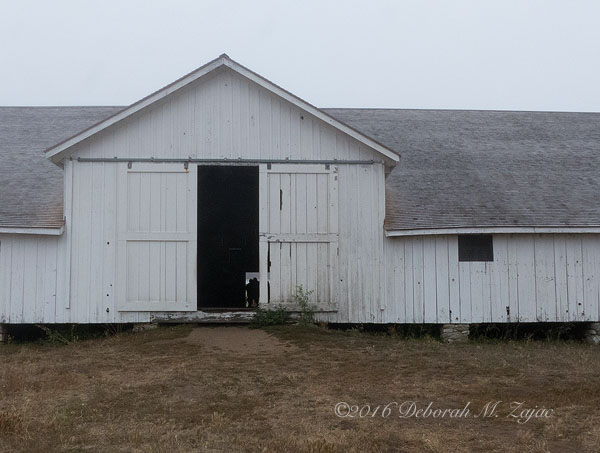
Long Barn Doors Pierce Point Ranch

The Dairy/Long Barn- It was so foggy the sky was white so, I converted this image to Black and White.

Long Barn Pierce Ranch

another image of the Dairy and shed with a couple more doors.
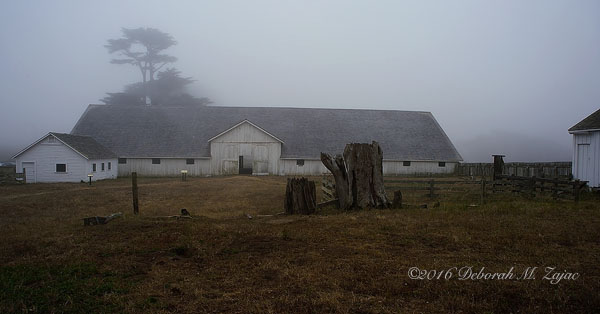
Dairy Barn Pierce Point Ranch

This might be the school house,

Pierce Point Ranch Point Reyes National Seashore

Closer look of door of possible school,
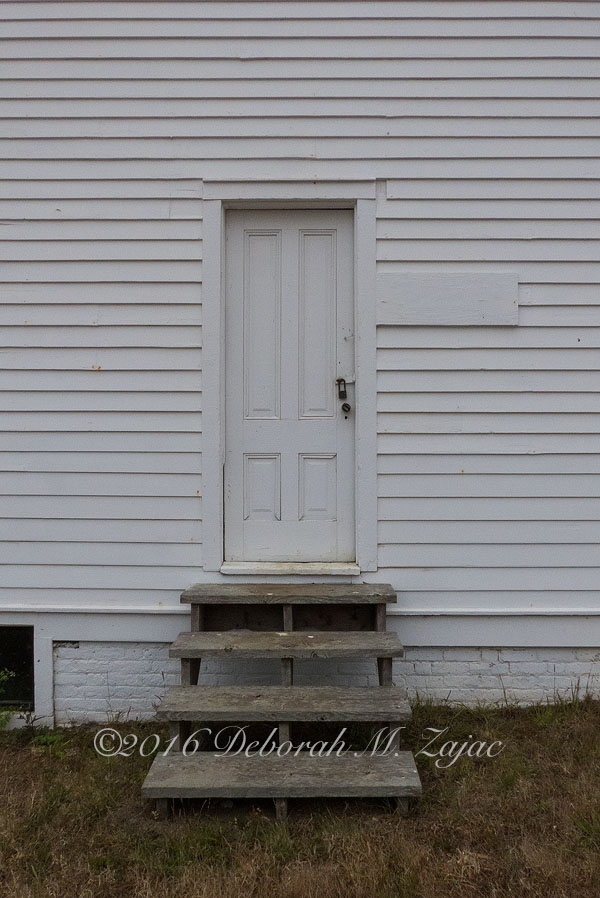
Door to building at Pierce Point Ranch

A closer look at that door knob, and pad lock,
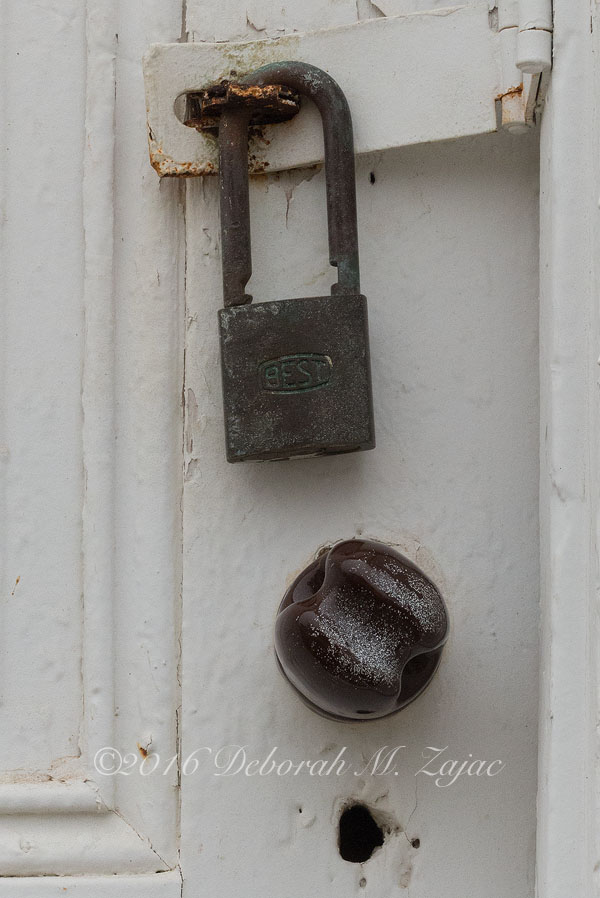
Door knob and Best Lock Pierce Point Ranch

Here’s an image of a male Tule Elk that I took here back in 2012. Can you see the velvet hanging off his antlers around his face? He’s scratching it off and polishing his antlers.  I saw him on Bachelors Hill.

Tule Elk Male

The Bachelor’s; There were quite a few of them that year.  They were also pretty far away. My lens was stretched beyond its limits that day too.

Tule Elk Males

The only wildlife I saw while at the ranch Saturday was an Alligator Lizard sunning itself.
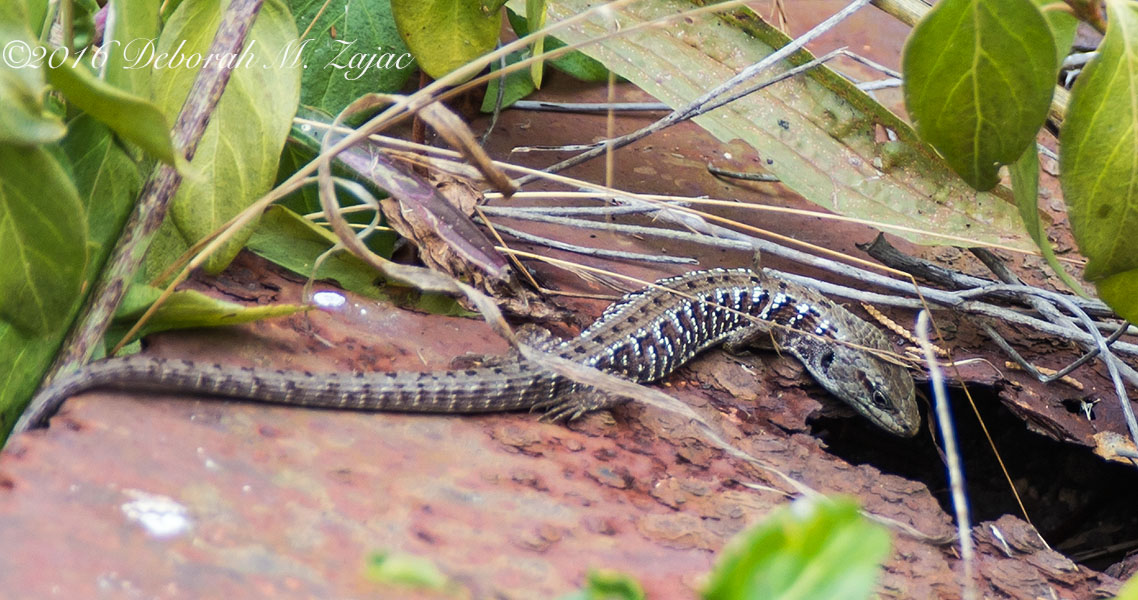
 

Alligator Lizard

It was a great day despite the fog and no Elk.

Nikon Df w/ Nikkor 28-105mm| Delkin Digital Film, and Lumix FZ200, Lexar Digital Film,

The 2012 images were made with the Nikon D700 w/Nikkor 70-300mm VR, SanDisk Digital Film

This post is part of Norm 2.0’s Thursday Doors.  If you love doors and would like to see the doors others are posting, or post doors you’ve photographed and join other door lovers from around the world click here.

At the end of Norm’s latest Thursday Door post is a little Blue Link-up/View button click it to be taken to a page with all the links to view all the posts, and add your own if you’re a door enthusiast too.

More to come…
Thursday Doors 27/52

Copyright ©2016 Deborah M. Zajac. ALL RIGHTS RESERVED

I’m back to my NYC files for this week’s Thursday Doors.
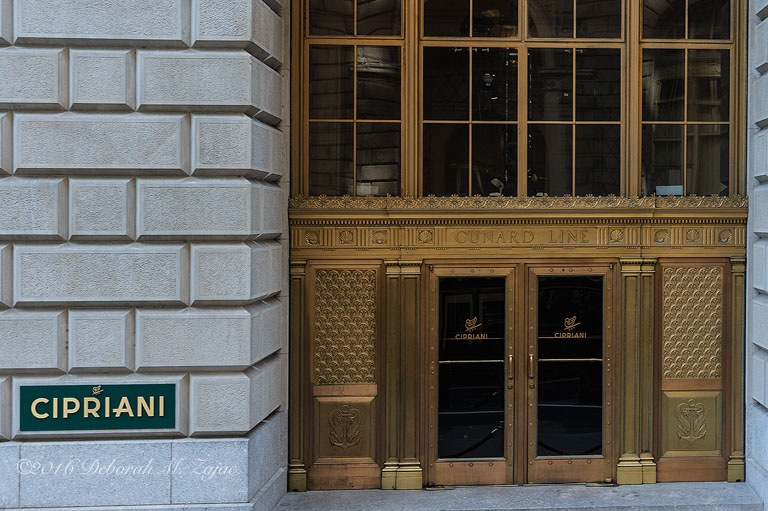
On our first full day in the city we decided to get a quick education of the lay of the land by taking the Big Bus City Tour. While on the top deck of the bus we passed this door.

Cunard Line Doors

This building is the Cunard Building located in Lower Manhattan. The doors and entrance looked like they were made of gold. I had to get a quick photograph.

I knew nothing about the building or its history so, I looked it up once I returned home to CA.

History gleaned from Wikipedia

The building was designed between 1917 and 1919 and built between 1920 and 1921 by Benjamin Wistar Morris, architect, and Carrère & Hastings, in a consulting role. While the Alexander Hamilton U.S. Custom House already dominated Bowling Green, the Cunard Building was held in high regard almost immediately upon its opening in May 1921.[1] It featured more than 600,000 sq. feet of space in a modified Italian Renaissance style. Its great hall, which itself was more than sixty feet tall, was the home of Cunard Line and Anchor Lines with a number of other tenants throughout the building.[2] While 25 Broadway is considered to be its primary address, it’s also known as 13-27 Broadway, 13-39 Greenwich Street and 1-9 Morris Street. Within the borough of Manhattan it is designated Block 13, Lot 27.[3]

Its time as a ticketing hall ceased in 1968 and the building was sold in 1971. Its interior was converted to a post office, which remained in service until 2000.[4] On September 19, 1995, the first floor interior, formerly Cunard’s ticketing office, was designated a New York City landmark. The designation included the entrance vestibule and lobby, the passage to the Great Hall and the Hall up to the height of its rotunda. [3]

In 2014 the Great Hall became an event venue operated by Cipriani S.A.[5]

~https://en.wikipedia.org/wiki/Cunard_Building_(New_York_City)

Nikon Df| Nikkor 28-105mm| Delkin Digital Film

This post is part of Norm 2.0’s Thursday Doors.  If you love doors and would like to see the doors others are posting, or post doors you’ve photographed and join other door lovers from around the world click here.

At the end of Norm’s latest Thursday Door post is a little Blue Link-up/View button click it to be taken to a page with all the links to view all the posts, and add your own if you’re a door enthusiast too.

More to come…

Thursday Doors 26/52: N°1005

Copyright ©2016 Deborah M. Zajac. ALL RIGHTS RESERVED

Wow, this week is the halfway point for my year commitment to posting a door a week on Norm Frampton’s Thursday Doors! This year is just flying by!

While I was at the Rodeo last week-end hanging around the stables photographing competitions, and candid portraits I noticed the stable doors, so of course this week I’m sharing Stable Doors and a very shy horse.

N°1005 -I couldn’t get this horse to stick its head out the door for the life of me! I think I needed to have a carrot or sugar cube instead of a camera.

I do love the bits and pieces hanging from the opened half of the door.

Stable Door 1005

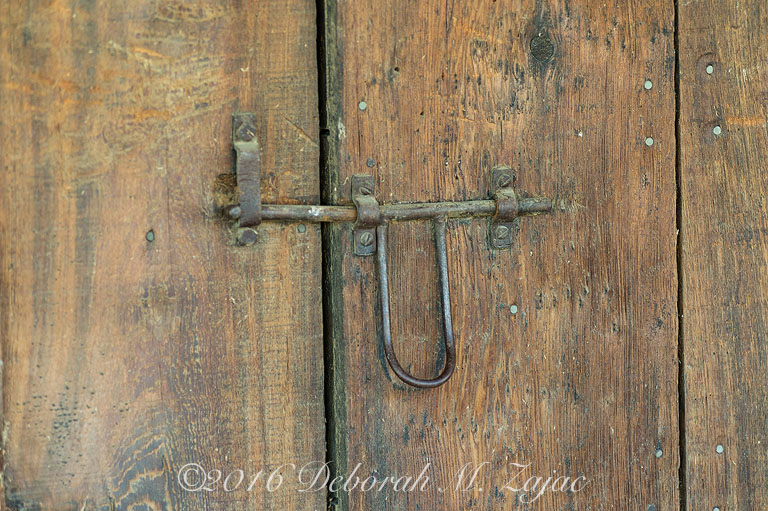
…a close up of the latch,

Stable Door Hardware

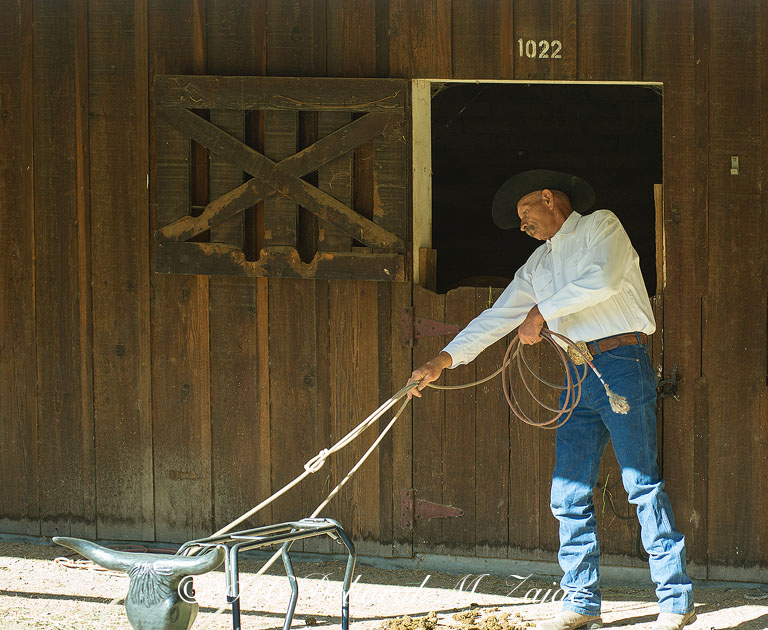
A Cowboy practicing his ropin’ in front of a Stable Door N°1022

Practice makes Perfect

Lassoing a dummy cow/bull in front of a Stable Door N°1022

Practice makes Perfect II

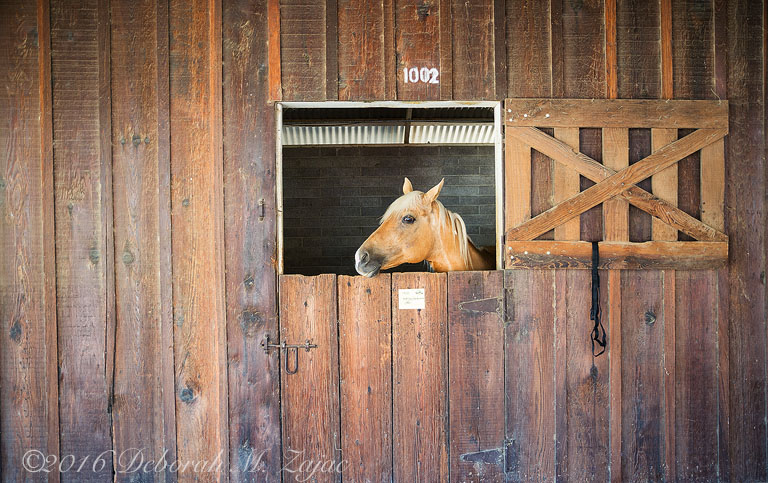
…and this blond beauty at N°1002 wasn’t shy about poking its head, and nose out to find out what the heck all the clicking was about. 🙂

Copyright © Deborah M. Zajac ALL RIGHTS RESERVED

This post is part of Norm 2.0’s Thursday Doors.  If you love doors and would like to see the doors others are posting, or post doors you’ve photographed and join other door lovers from around the world click here.

At the end of Norm’s latest Thursday Door post is a little Blue Link-up/View button click it to be taken to a page with all the links to view all the posts, and add your own if you’re a door enthusiast too.

Nikon Df| Nikkor 28-105mm & 80-200mm| Delkin Digital Film| PS CC 2015.5| Hand-held

More to come…

Thursday Doors 25/52 25 W. 50th St, NYC

Copyright ©2016 Deborah M. Zajac. ALL RIGHTS RESERVED

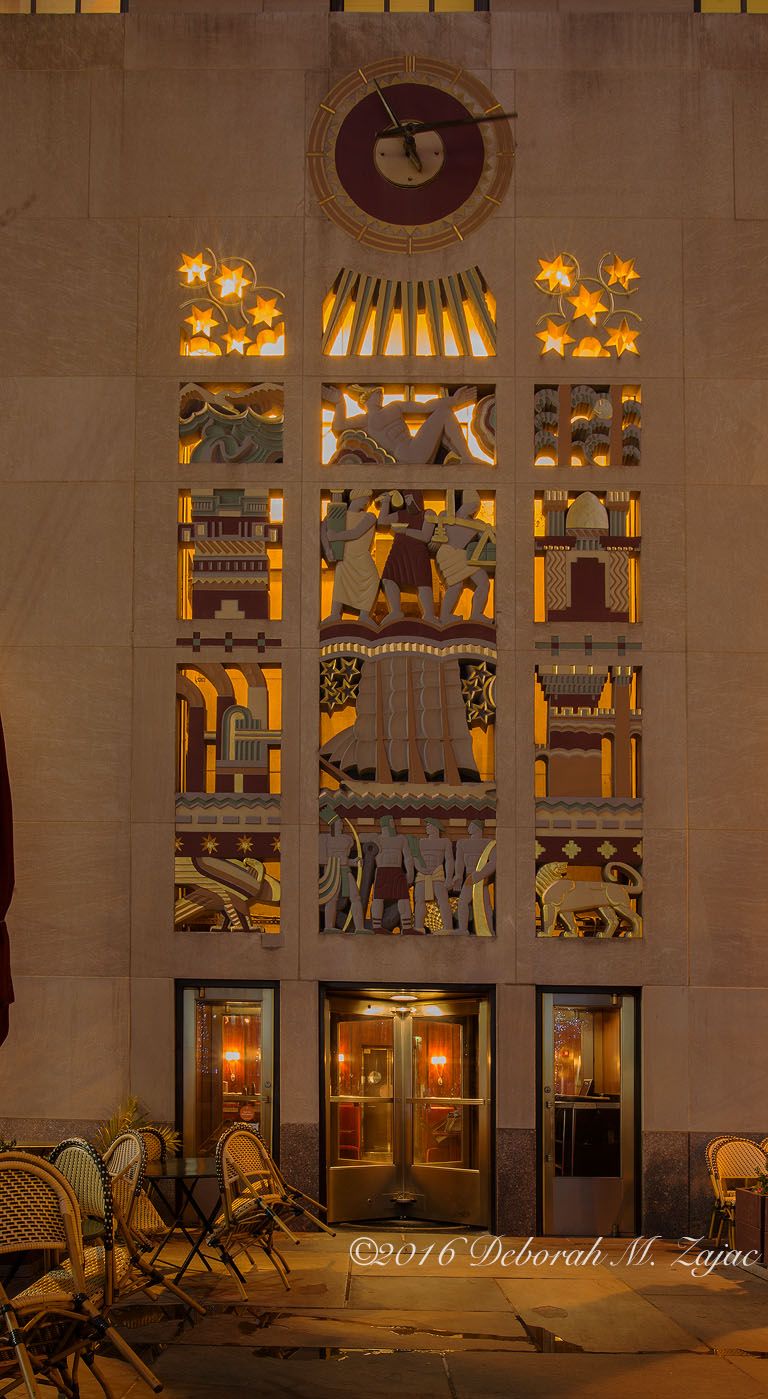
Walking back to our place after a play late one evening this entrance with the cut-out Egyptian Motif all lit up, and clock caught my eye. The brass doors fit this style perfectly.  I love the revolving door. Though I’m always afraid I look awkward shuffling my way through them.

I dug around the Internet to glean some information about the style, and building.

Shortly after the discovery of Tutankhamen’s Tomb in the 1920’s Egyptian Art Deco and Motif’s were popular themes for Architecture in NYC. In 1930 construction began on Rockefeller Center’s 14 Art Deco buildings.

Lee Lawrie was commissioned to design the entrance to The International Building. Lee Lawrie is most famous for the statue of “Atlas” located on 5th Avenue in Rockefeller Center.


Thursday Doors 25/52  25 West 50th St NYC

A little History:
The International Building began construction in 1933 and was complete by 1935. There are 41 floors in the building 39 are above ground, and it stands 512 ft (157m) tall.

Lee Lawrie:
Lee Oscar Lawrie (October 16, 1877 – January 23, 1963[1]) was one of the United States’ foremost architectural sculptors and a key figure in the American art scene preceding World War II. Over his long career of more than 300 commissions Lawrie’s style evolved through Modern Gothic, to Beaux-Arts Classicism and finally into Moderne or Art Deco.” ~Wikipedia.org

In 1987 Rockefeller Center was listed on National Register of Historic Places.

This post is part of Norm 2.0’s Thursday Doors.  If you love doors and would like to see the doors others are posting, or post doors you’ve photographed and join other door lovers from around the world click here.

At the end of Norm’s latest Thursday Door post is a little Blue Link-up/View button click it to be taken to a page with all the links to view all the posts, and add your own if you’re a door enthusiast too.

Nikon Df| Nikkor 20mm f/1.8| Delkin Digital Film| Tripod| PS CC 2015

More to come…

Waxing Gibbous Moon and Coit Tower

Copyright ©2016 Deborah M. Zajac. ALL RIGHTS RESERVED

The Moon was 99.9% full last night and my friend Dali asked if I wanted to go up to the city and photograph it over Coit Tower. Of course I said yes!

It was breezy and chilly, but beautiful!


Moon and Coit Tower

Coit Tower:

” Coit Tower, a slender white concrete column rising from the top of Telegraph Hill, has been an emblem of San Francisco’s skyline since its completion in 1933, a welcoming beacon to visitors and residents alike. Its observation deck, reached by elevator (tickets can be purchased in the gift shop), provides 360-degree views of the city and bay, including the Golden Gate and Bay bridges.

The simple fluted tower is named for Lillie Hitchcock Coit, a wealthy eccentric and patron of the city’s firefighters. Coit died in 1929, leaving a substantial bequest “for the purpose of adding to the beauty of the city I have always loved.” The funds were used to build both the tower and a monument to Coit’s beloved volunteer firefighters, in nearby Washington Square. The tower was designed by the firm of Arthur Brown, Jr., architect of San Francisco’s City Hall. Contrary to popular belief, Coit Tower was not designed to resemble a firehose nozzle.” http://sfrecpark.org/destination/telegraph-hill-pioneer-park/coit-tower/

More information about Coit Tower can be found at sfrecpark.org’s link above.


I was gone most the week-end so, I’m behind with emails and blogs. I’m playing catch up again. 🙂

Nikon Df| Nikkor 80-200mm @ 145mm| f11| ISO 200| Delkin Digital Film

More to come…

Thursday Doors 24/52 Carnegie Lakeport Library

Copyright ©2016 Deborah M. Zajac. ALL RIGHTS RESERVED

My friends and I arrived in Lakeport, CA a day before our Grebe boating trip because, we had a 3 hour drive to get there, and a 5:30 a.m. boarding time Sunday morning.

We spent Saturday afternoon birding in Clear Lake State park, then went to dinner at a local Thai place, and finally we wrapped up the day in Library Park on the lake front for sunset. Image here.  If you’re a foodie and in the area, and like/love Thai food; hit me up for this place. It’s great!

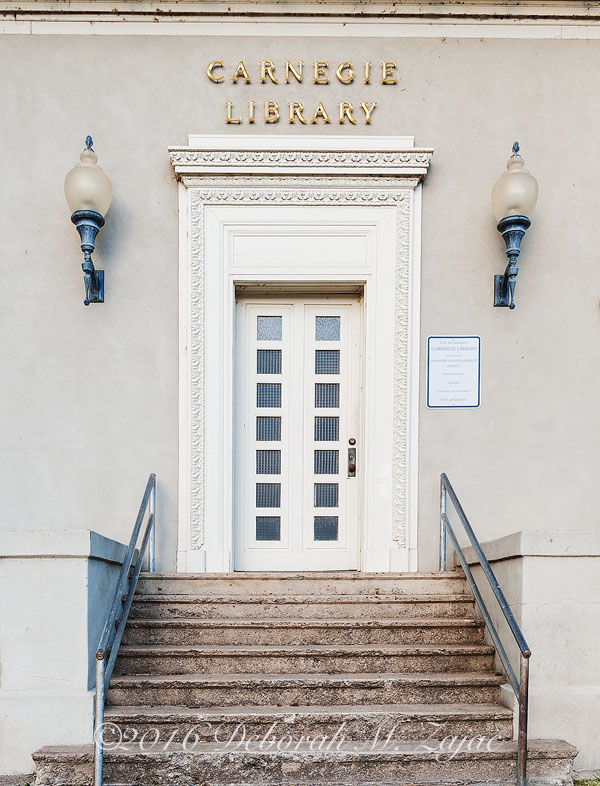
Before setting up for sunset I spotted a door I really wanted to photograph. It turned out to be a Carnegie Library Door!

Door

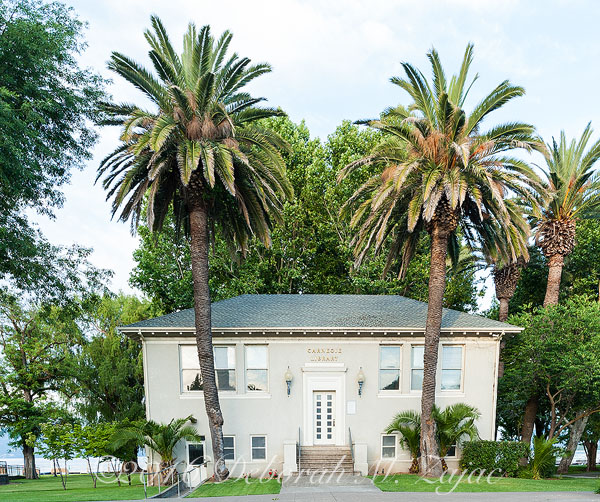
The Lakeport Library Committee submitted Carnegie’s ” Schedule of Questions” hoping they would qualify for a grant. The Carnegie Corp. approved an $8,000.00 grant in 1914. Construction started in 1917 and  was completed in 1918.

Carnegie Lakeport Library

The lake was actually all the way up here prior to dredging for Yolo County’s Power Plant which built Clear Lake Dam also in 1914.  White & Co., investment bankers in New York financed YWP’s dredging in Clear Lake and filling in the area along Lakeport’s waterfront. Owners of the new land deeded their property to Lakeport for a city park.

The library and building might have been lost to a fire in 1953 had not librarian Gertrude Benson smelled the smoke and called the Fire Department! It was an electrical fire which started in the attic. The fire department was able to extinguish the fire before major damage occurred.

In 1986 the county library moved from the cramped Carnegie to a new library on High Street in Lakeport.

In 2008 the Carnegie Library was entered into the National Parks Service’s National Register of Historic Places.

Just after the lights came on at the Gazebo, and the colors in the sky faded T, and Dali were hailing me from my reverie to come see it. They know me so well. They knew I’d want a photograph of that. 🙂

Library Park Gazebo Lakeport CA

In 2014 the building was vacant. The city contracted with Garavaglia Architecture, Inc. to prepare a Feasibility Study to see what needed to be done to preserve and save the building, and put to it other use.

The plaque/sign beside the door reads: City of Lakeport

CARNEGIE LIBRARY

I can’t make out the small font below that- then

LAKEPORT REDEVLOPMENT AGENGY

Redevelopment

Housing

Economic Development

CITY ATTORNEY

I could not find any current information about the building beyond 2014 in my surfing the Internet. I don’t know if it’s in use now or still vacant. It looks quite old and in need of some TLC en mon avis.

I love the lamps, which were in the design tastes of Carnegie’s secretary James Bertram. They symbolized enlightenment.

“Every Library was simple yet formal and entered through a prominent doorway, nearly always accessed by a staircase which symbolized a person’s elevation by learning.” ~Wiki-pedia.org

I really  love how people think of that stuff ahead of time and incorporate it in their plans during the design/planning stage.  Me. I never think of stuff like this ahead of time. It’s always a day, or month later!

Carnegie was a Scottish-American business man and philanthropist.  There were 2,509 Carnegie libraries built between 1883, and 1929. 1,689 were built in the United States of America. ~ Wiki-pedia

The History Buffs can find a pretty thorough history of the Carnegie Lakeport Library’s History here.

This post is part of Norm 2.0’s Thursday Doors.  If you love doors and would like to see the doors others are posting, or post doors you’ve photographed and join other door lovers from around the world click here.

At the end of Norm’s latest Thursday Door post is a little Blue Link-up/View button click it to be taken to a page with all the links, or add your own.

Nikon Df| Nikkor 20mm f/1.8| Delkin Digital Film| Tripod| PS CC 2015

More to come…


Thursday Doors 23/52 N°242

Copyright ©2016 Deborah M. Zajac. ALL RIGHTS RESERVED

For this week’s Thursday Doors I’m going back to NYC to a door I thought was pretty neat.

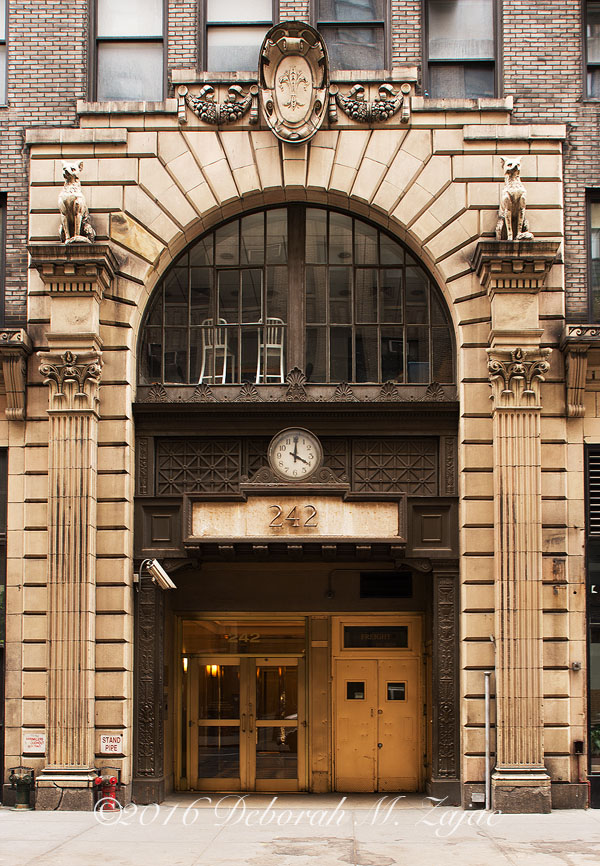
I just love all the ornamentation on these old buildings.  The brass doors are a bit beat up, but it adds character.

Entrance Door in NYC

Here’s a closer look at the upper details.

Architecture NYC

This post is part of Norm 2.0’s Thursday Doors.  If you love doors and would like to see the doors others are posting, or post doors you’ve photographed and join other door lovers from around the world click here.

At the end of Norm’s latest Thursday Door post is a little Blue Link-up/View button click it to be taken to a page with all the links, or add your own.

More to come…