Copyright © 2017 Deborah M. Zajac. ALL RIGHTS RESERVED
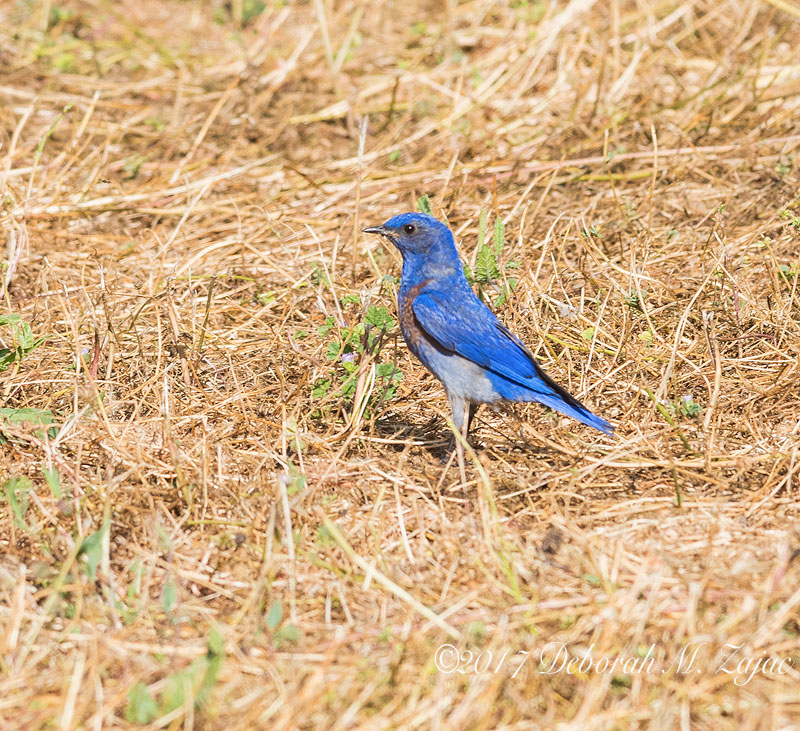


Nikon D700| Nikkor 300mm| Lexar Digital Film| PS CC2017
more to come…
“A good snapshot keeps a moment from running away.” ― Eudora Welty
Copyright © 2017 Deborah M. Zajac. ALL RIGHTS RESERVED
Nikon D700| Nikkor 300mm| Lexar Digital Film| PS CC2017
more to come…
Copyright ©2017 Deborah M. Zajac. ALL RIGHTS RESERVED
On the way down to Pismo Beach for our Anniversary week-end we took a side trip to Carrizo Plain National Monument where I had heard there was Spring Super Bloom happening. To give you a little sense of where the Carrizo Plain is located in California I’ve copied Wikipedia’s description for you. “The Carrizo Plain is a large enclosed grassland plain, approximately 50 miles long, and up to 15 miles across, in southeastern San Luis Obispo County California, about 100 miles northwest of Los Angeles.” ~wikipedia.org
You could see from miles away great swatches of yellow and orange on the hill sides, and I was so excited to see fields of flowers.
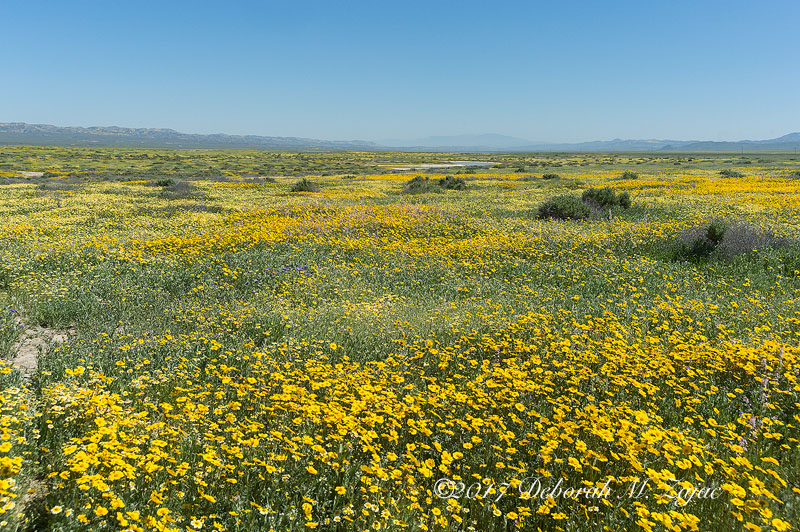
There were Coreopsis, Two-toned Tidy Tips, Goldfields which were mostly spent, Phacelia, and Baby Blue Eyes just to name some that I saw in abundance.
The field above was mostly Leafystem Coreopsis growing I think. Here’s two more closer looks.
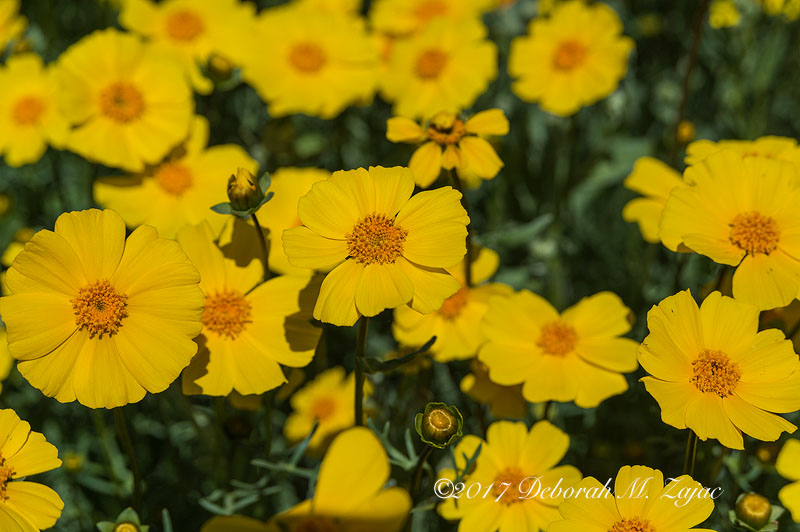
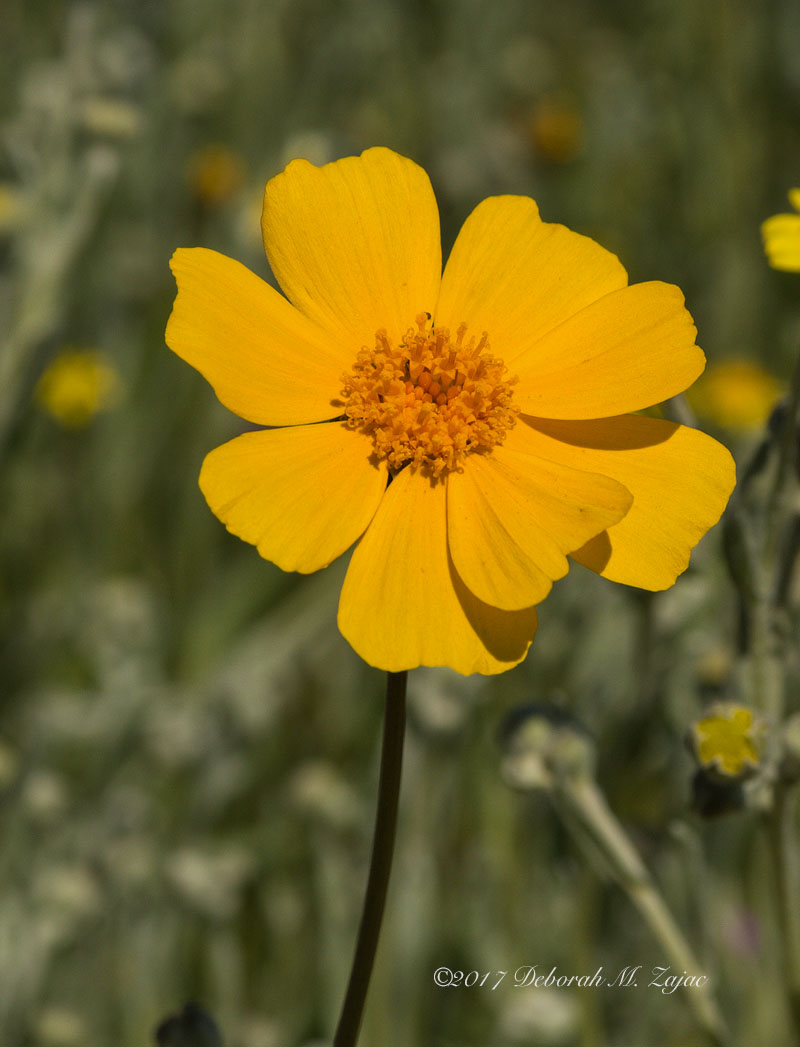
We hung around the Soda Lake area for a few hours, but I could have easily spent the whole day, but we also wanted to get to our final destination and be by the beach for sunset.
I hope you all have a wonderful week-end filled with smiles and laughter!
Nikon Df| Nikkor 28-105mm, Nikkor 20mm f/1.8g| Canon 500D close up Lens| Delkin Digital Film| PS CC 2017
More to come…
Copyright ©2017 Deborah M. Zajac. ALL RIGHTS RESERVED
Here’s the post I promised on Monday here that I would be sharing this week about a birding surprise.
After sunrise, and a little birding last Saturday Gordon, myself, and another friend went to breakfast then we headed over to another part of Don Edward’s Wildlife Refuge to check out the Anna’s Hummingbird on her nest.
I had heard from a good friend that she had had her brood of two. There were indeed two chicks in the nest, and their eyes were open!
They waited for Mama to return to the nest with food! They were so quiet. I thought they would be peeping constantly, but they didn’t. They look too big for the nest already don’t they. Mom must sleep on top of the nest with them smooched down into the nest to keep them warm at night.
This nest isn’t deep in the canopy either! It’s pretty exposed.
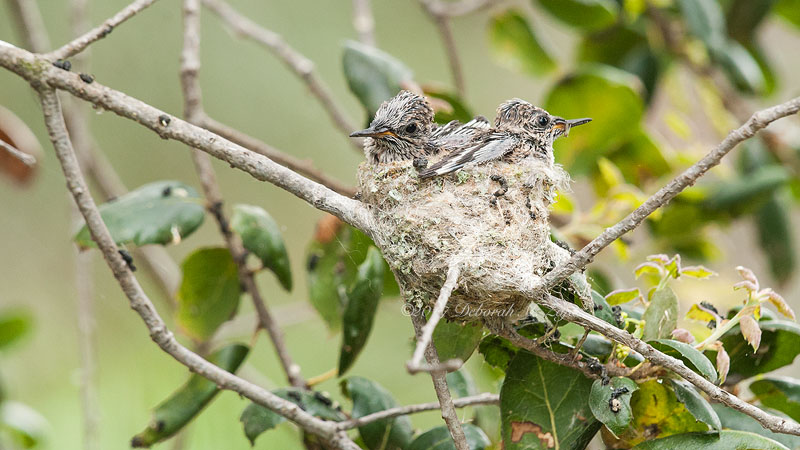
When the chicks are new their Mom will leave the nest for very short periods of time. Just a minute up to 15 minutes to find food. The chicks can’t keep warm without her so she doesn’t dare leave them alone long. Once they can regulate their own temperatures and keep warm she leaves the nest to forage for food for up to 20 minutes. This Mom would leave for 15-20 minutes, but return to do buzz or hover check several times too.
Here is the Female/Mom just returning from a food sortie.
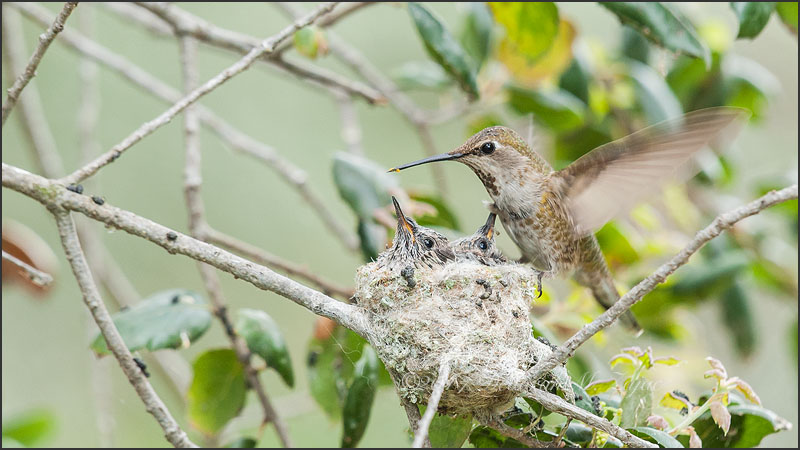
Two little beaks hungry and not patient anymore.
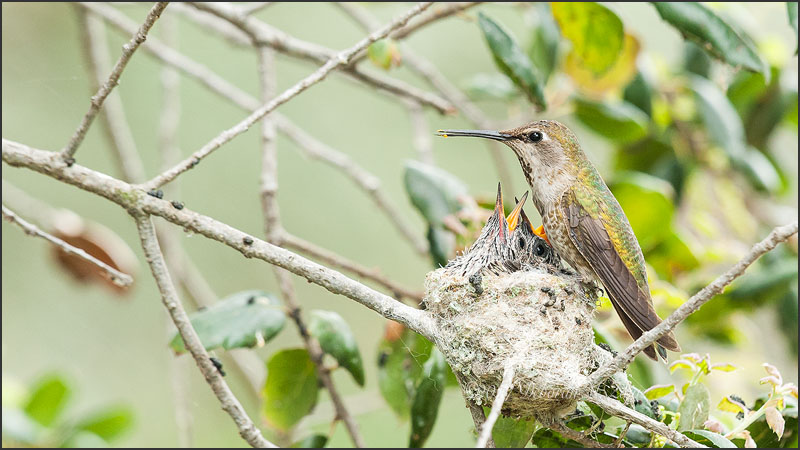
Food at last!
She eats insects and drinks nectar which she regurgitates as a liquid mixture into the open mouths of the chicks. She’s on the go constantly hunting for food and feeding the chicks every 20 minutes! The male doesn’t help at all feeding or raising the chicks. If the male does come around the Female will chase him away b/c she finds him a threat to the chicks.
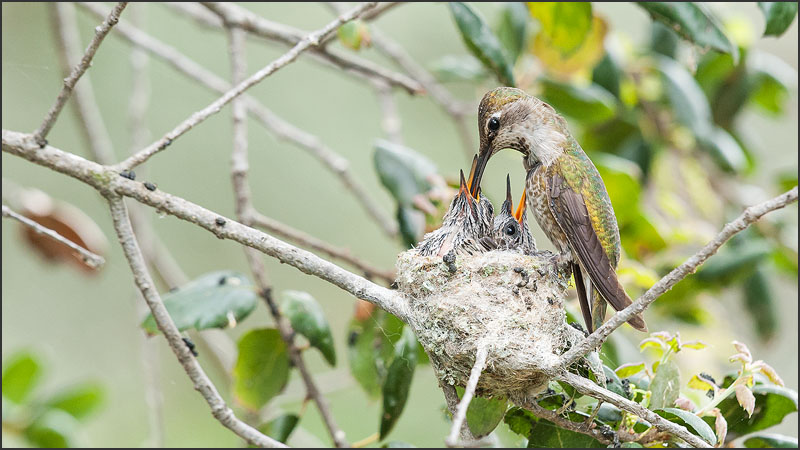
These chicks are already a couple of weeks old. At 3 weeks old they will look more like Hummingbirds, and will be testing out their wings more to get ready for flight. Once they’re flying the Female will show them how to catch bugs, and drink nectar, and within a few days of that the chicks will fly away as adults never to return to the nest.
I can’t tell you how amazing this was to watch and photograph! It was gift! It’s so moving, and beautiful watching her feed the chicks and knowing how dedicated she is, and how tired she must be. These images were made on March 18, 2017
I dropped by Thursday afternoon (3/23) to see them. They were still in the nest with Mama feeding them every 20 minutes. There was quite a crowd there, and I had #1 Grandson with me. He got a kick out seeing the chicks too. I didn’t break out my camera today. I was holding #1 in my arms so he could see them, but I’m hoping I can get back over once more before they fly from the nest which may be as early as a week and a half away.
For more information about Hummingbird chicks you can visit http://www.worldofhummingbirds.com/baby.php
Nikon D700| Nikkor 200-500mm| Lexar Digital Film| PS CC 2017
Have a wonderful week-end everyone!
More to come…
Copyright ©2017 Deborah M. Zajac. ALL RIGHTS RESERVED
Red-tailed Hawk
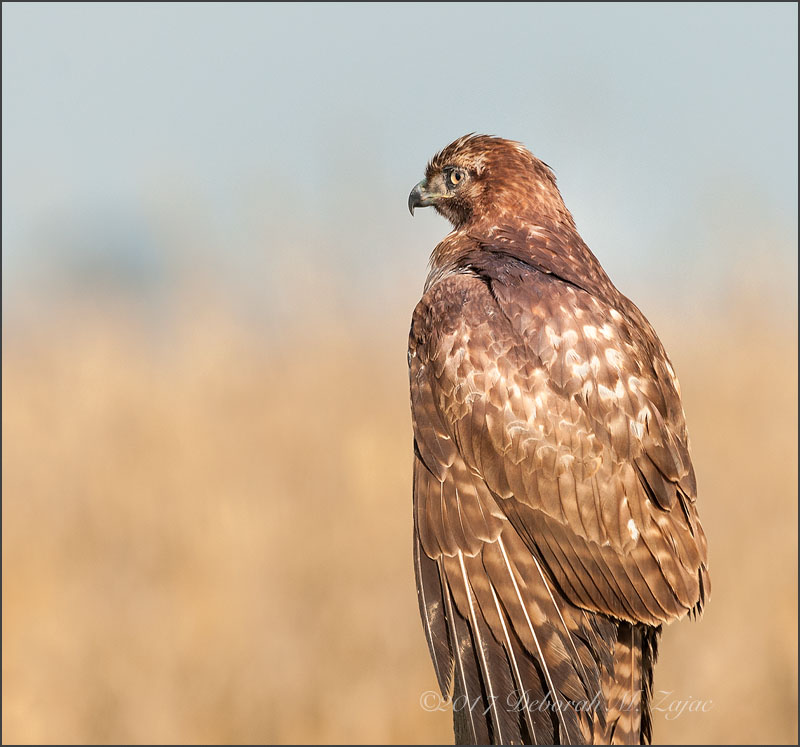
Nikon D700| Nikkor 200-500mm| Lexar Professional Digital Film| PS CC 2017
More to come…
Copyright ©2016 Deborah M. Zajac. ALL RIGHTS RESERVED
My original Photography plans for last week-end fell apart mid-week when one of the friends I was going with fell ill. Rather than go anyway which didn’t sit well with me or my friend Theresa we two switched gears and decided to go birding in the Central Valley to see what birds if any had arrived early.
I had read a few reports of early migrants in the area; we hoped to find one or two, and spend some time catching up with each other.
I left for T’s house early (6:30am) so we’d get to the Refuge in the morning when the birds are more active.
We found the first pond completely sans water. Fish and Wildlife have just started filling the ponds we discovered. Many of the ponds we’re used to seeing full of water were bone dry, but it is early in the season!
Just as we were starting the auto-route we spied a Doe and her Fawn in the tall grass. I didn’t get an image of them together. Mom decided her male Fawn was too close to the road and moved to higher grass. Honestly, I think she looks young!
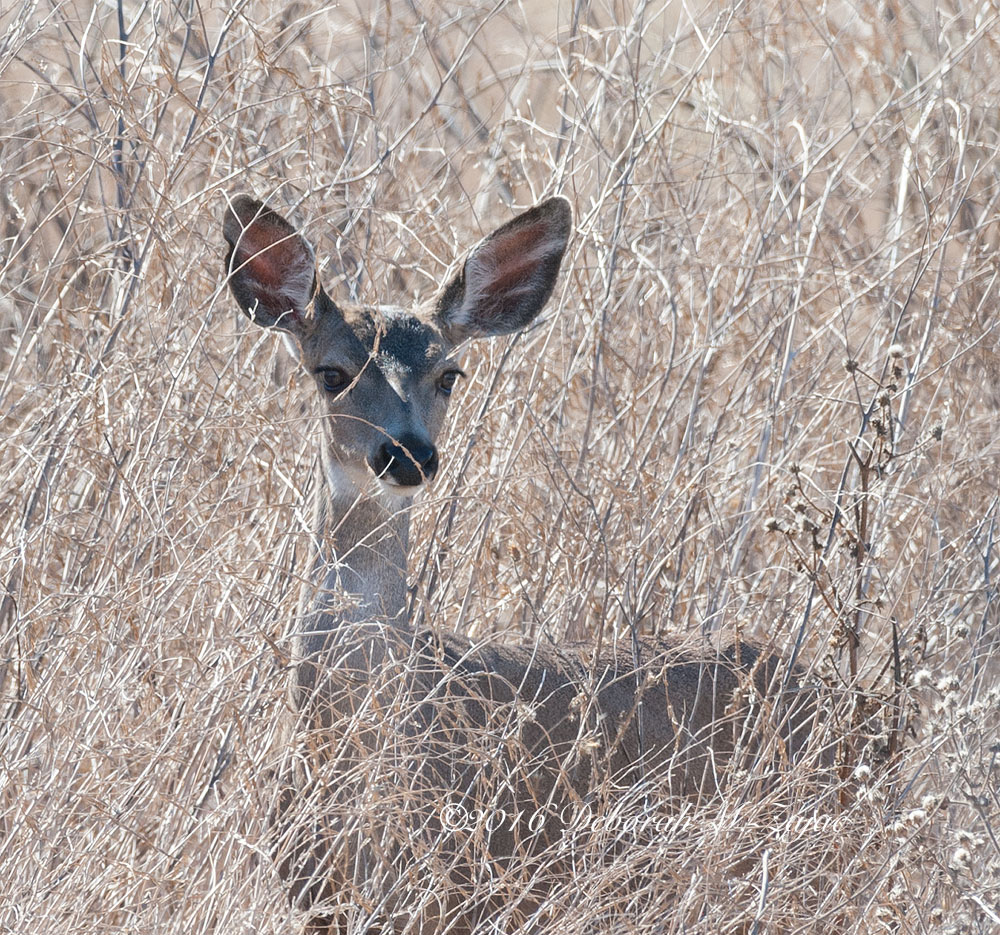
The Fawn has two little adorable antler nubs.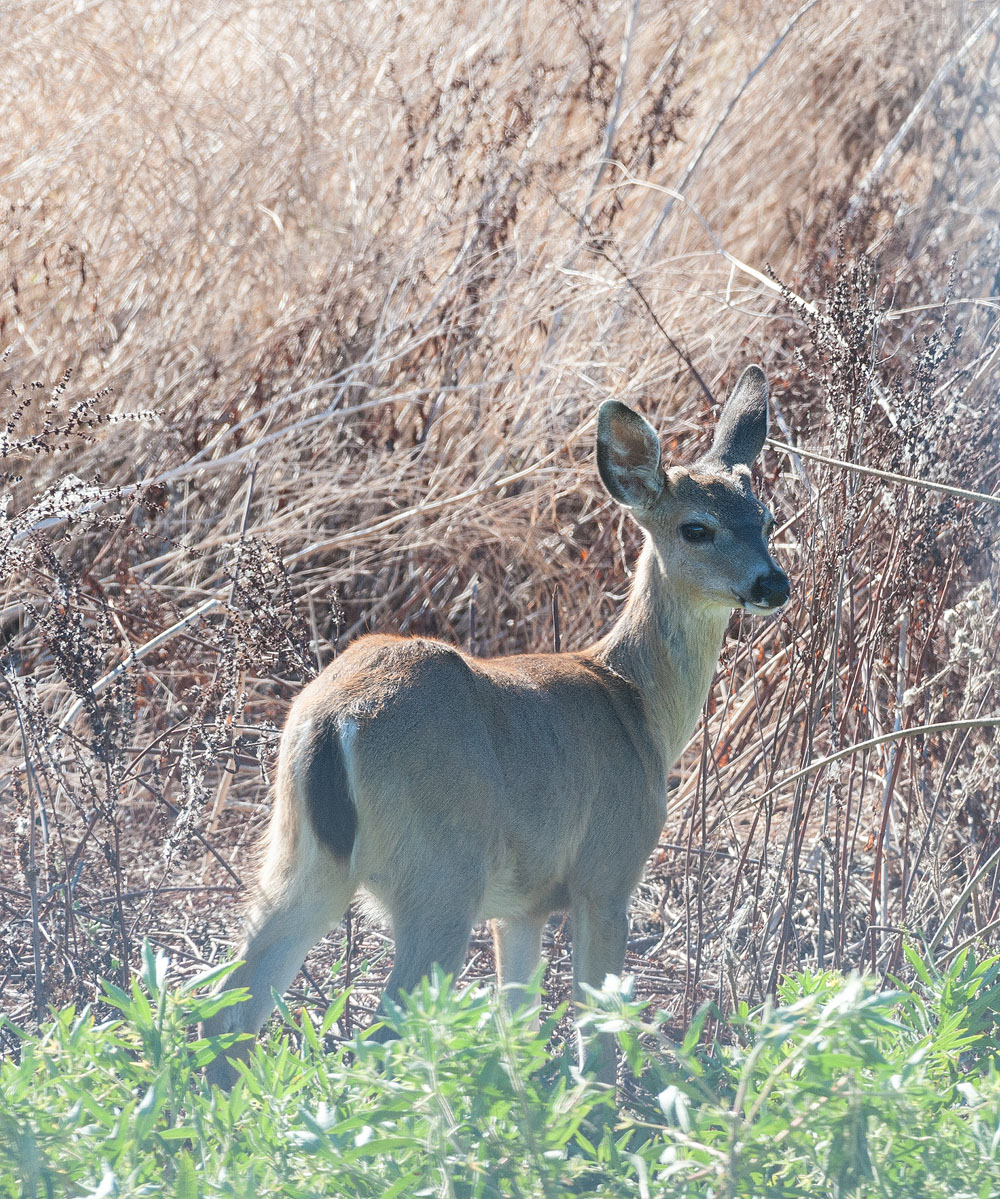
Early arrivals: There were quite a few White-fronted Geese on the little islands in the ponds that had water.

Northern Pintails, and Shovelers are showing up, but I didn’t make any images of the Shovelers they were too far out. You see a Northern Pintail in image above giving me a one wing salute. 🙂
Among the usual suspects here were thousands of Dragonflies,

Pied-billed Grebes
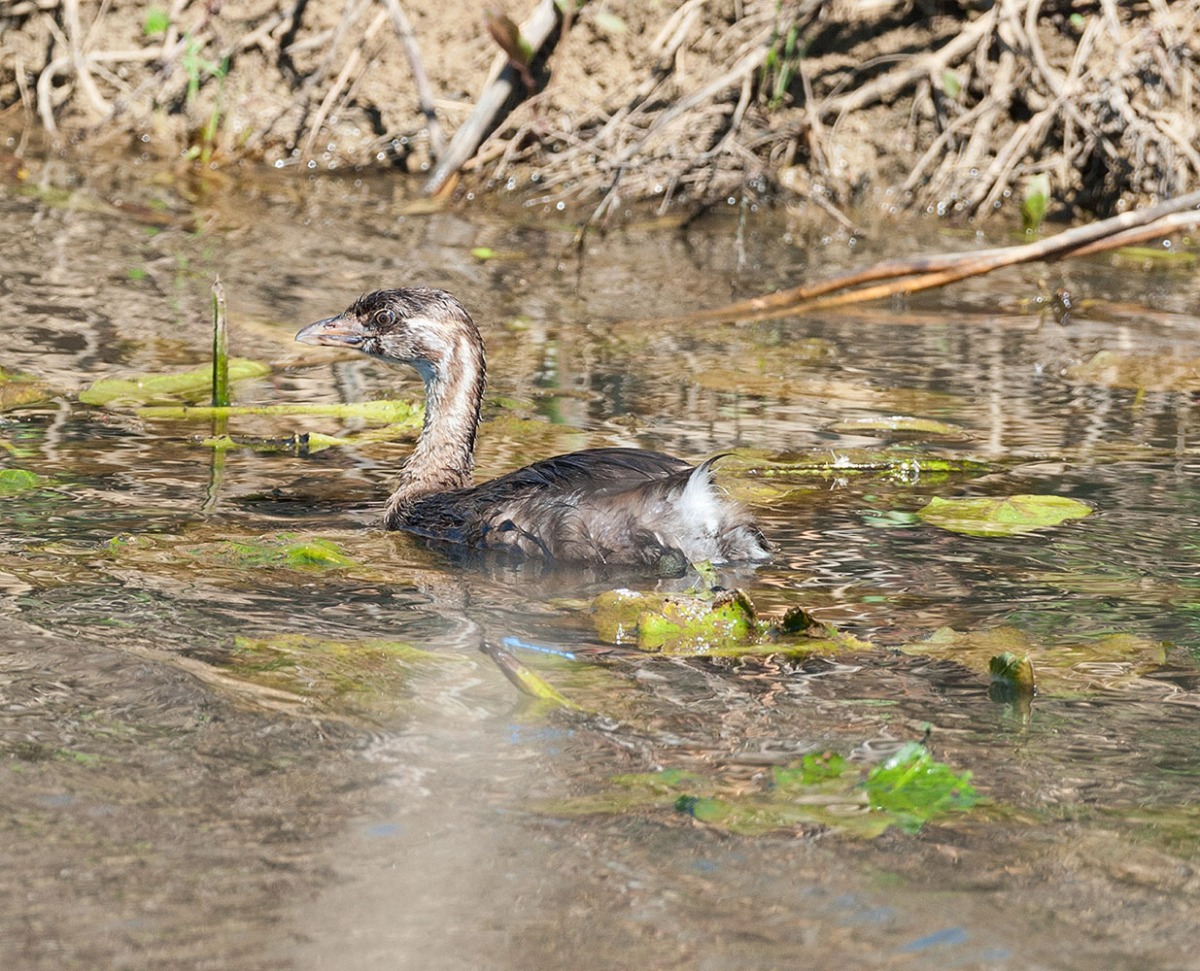
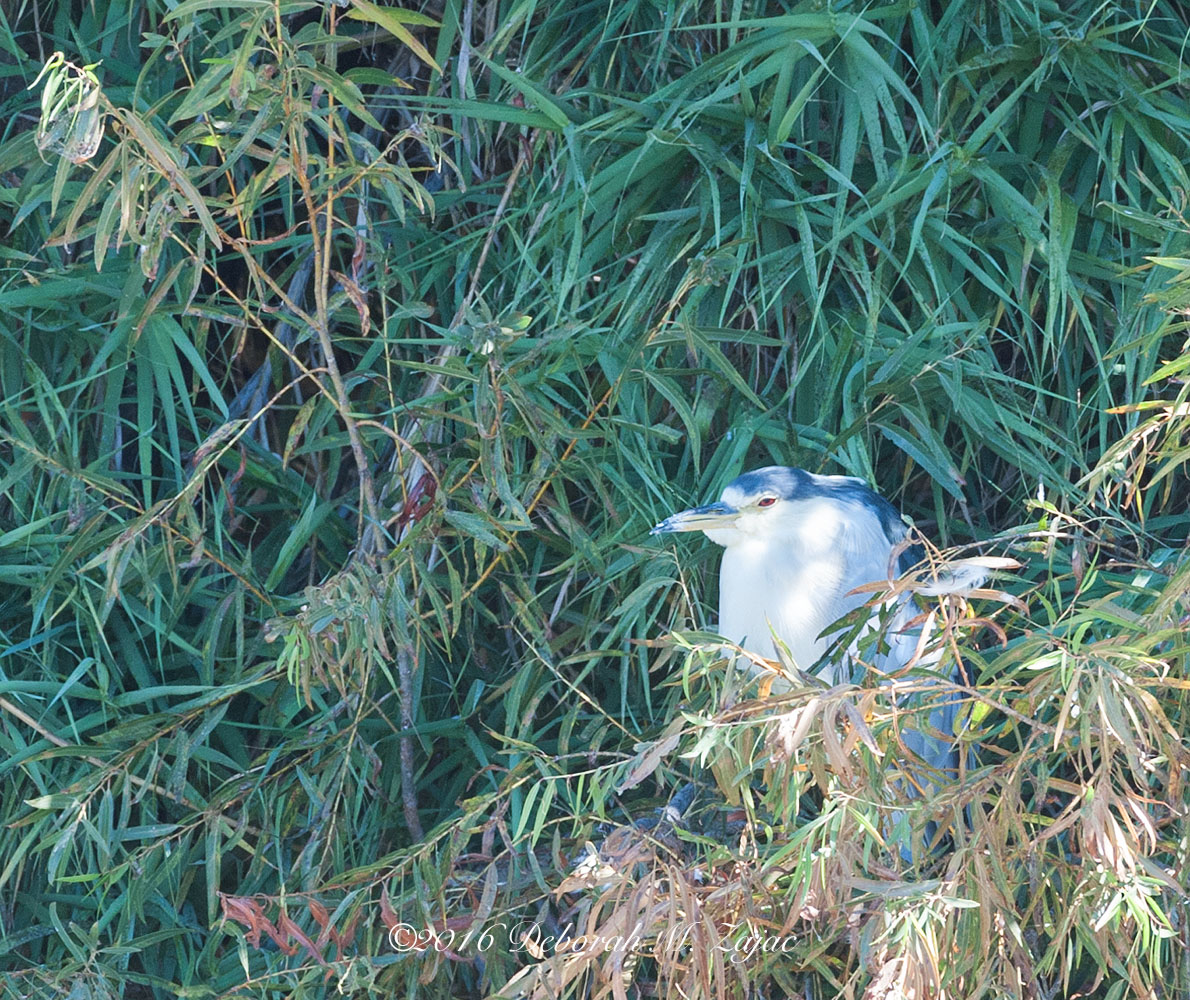
Night Herons; most were deep in the foliage, but one was on Sentry duty,
We saw a female Harrier flying low in the distance hunting, a few Red-tail Hawks, and as we approached the tree the Bald Eagles hang out in there we saw there was a Peregrine Falcon perched on a snag surveying the land.
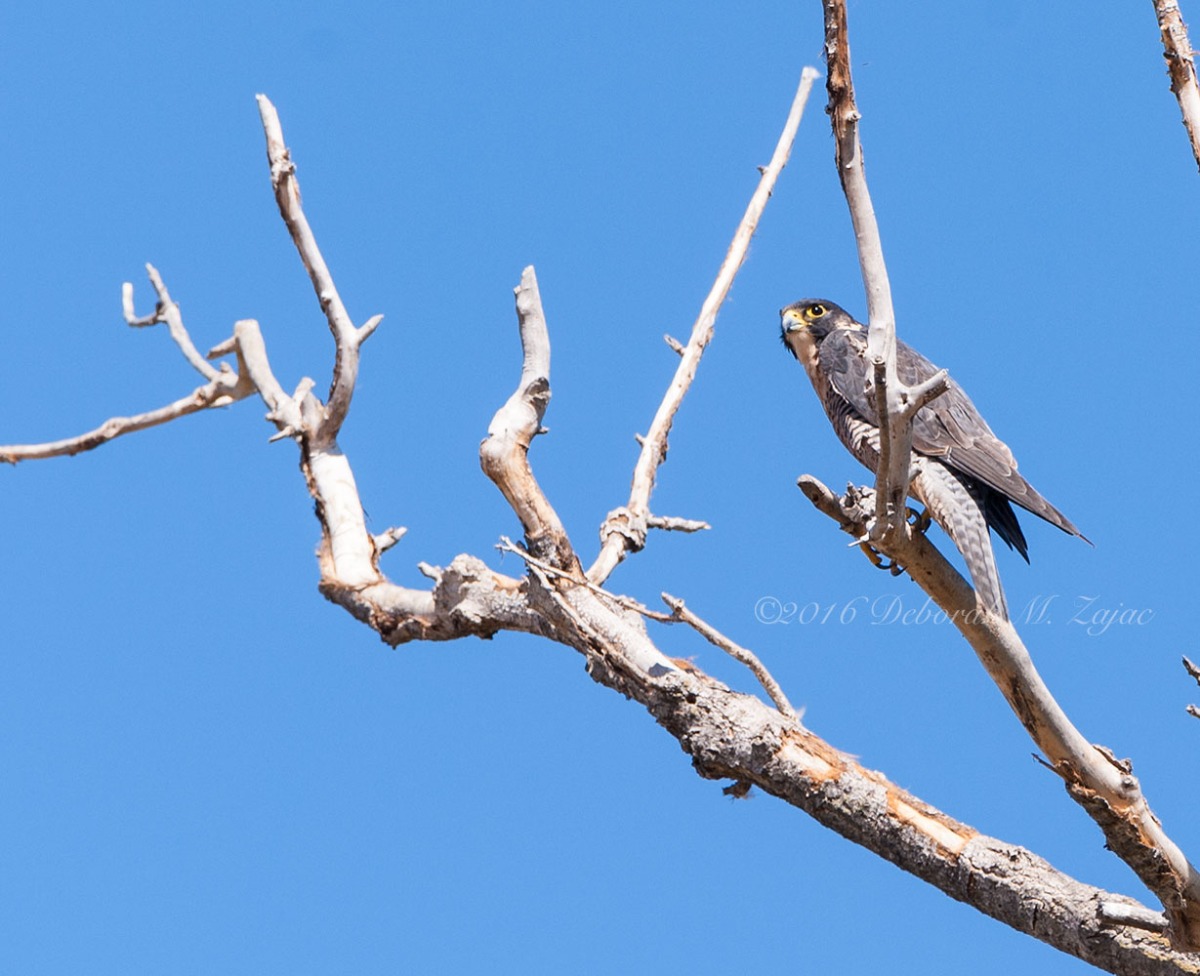
Once the Eagles return I doubt we’ll be seeing this Falcon in this tree. 🙂
Plan B turned out to be a great day, and it was lovely hanging out with Theresa. You can find her images on flickr here.
Nikon D700| Nikkor 200-500mm VR| Lexar Professional Digital Film| PS CC 2015.5
More to come…
Copyright ©2016 Deborah M. Zajac. ALL RIGHTS RESERVED.
Saturday I spent late morning until early afternoon at sea Whale Watching outside of Monterey, CA. We sailed about 12 miles off shore to the Monterey Submarine Canyon where there were quite a number of Humpback Whales, Gray Whales, and a Blue Whale feeding on Krill, and other little fishes that were abundant on Saturday.
“The Monterey Submarine Canyon is quite large…an undersea Grand Canyon. It’s 470 kilometers (292 miles) long and approximately 12 kilometers (39 ft) at its widest point with a maximum rim to floor relief of 1,700 meters (5,577feet).” ~Simon Sanctuary
It’s was quite exciting seeing the Whales! I didn’t see a Breach this time out, but saw lots of Spouting, or Blowing.
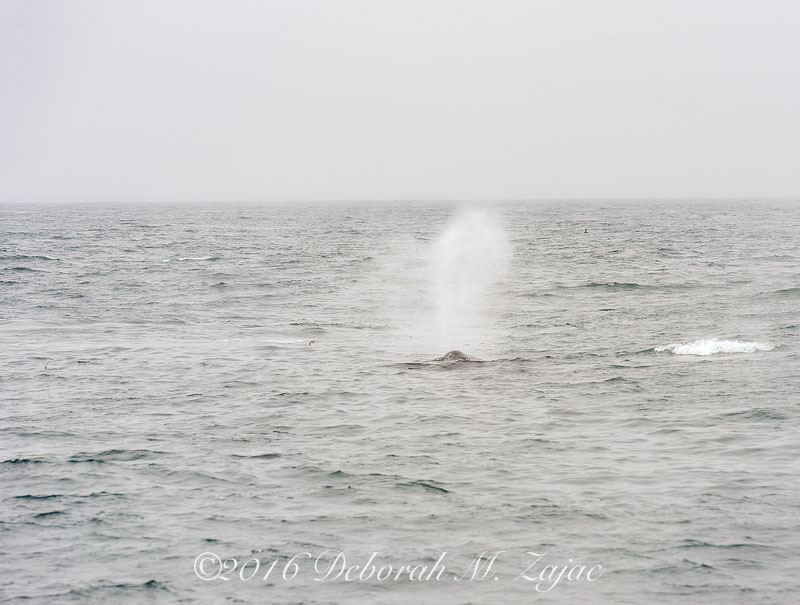
It was overcast, windy, and a bit choppy out at sea the whole time. The Sun only peeked out a couple of times.
I saw some Fluking when the whales are going to dive down as much as 50 meters.

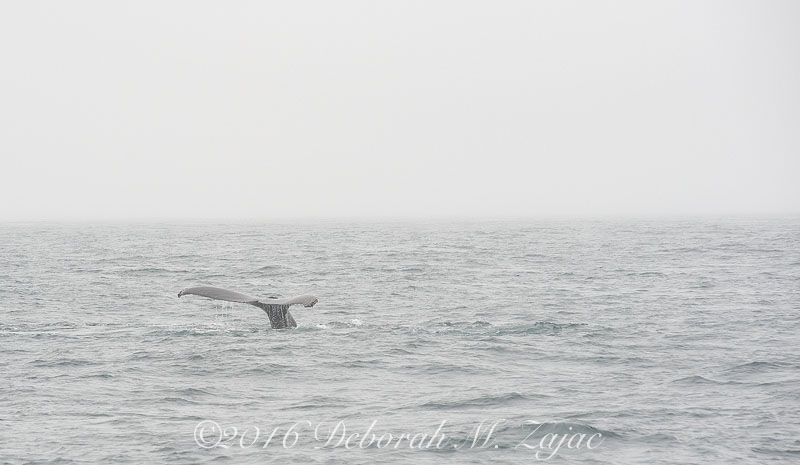
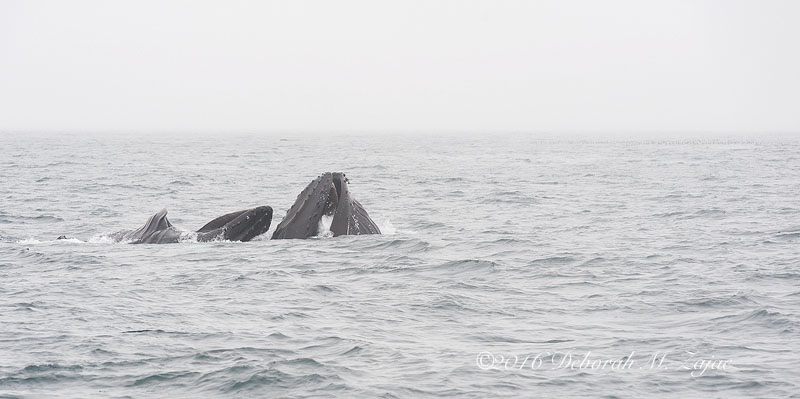
Once they reach the depth they want they begin to slowly rise by spiraling up to the surface often in teams creating a Bubble Net. The purpose of the bubble is to congregate the Krill and prey and force them to the surface. The Krill and fish see the bubbles as a net and feeling trapped they stay in the center of the Bubble Net. The Whales come up with an explosion of air with their mouths wide open eating all they can.
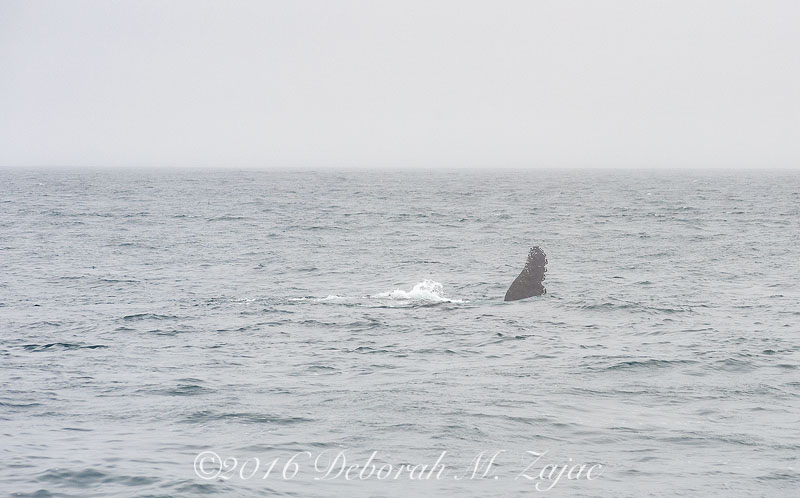
Here are two images of a fin of a Humpback Whale when it breaks the surface while they’re under the surface spinning.

The Humpback often get under that Bubble Net and Lunge up with their mouths gaping open scooping up the prey. Here you see at least 3 working as a team.
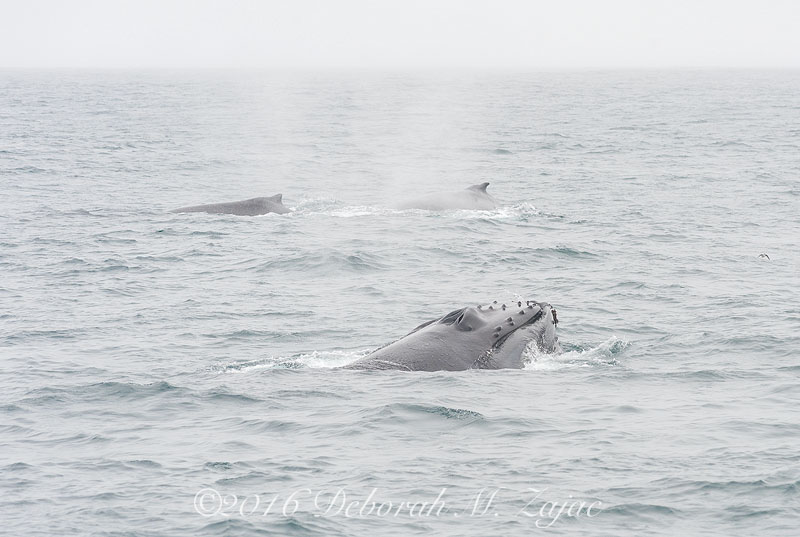
I see four working together here.

Humpback Whale Lunge feeding.
Humpback Whales spend the winter in the warm waters near Costa Rica and Hawaii. Humpbacks, including mothers with calves travel thousands of miles to feast on krill, and schooling fish in the Monterey Bay while they migrate north to their feeding waters in Alaska. They grow to be 45ft to 62ft (14-19 meters) long!
I missed quite a few good photo ops b/c for the first time in my life I got sea sick. It’s NOT FUN! I will go again but, I’m taking medicine before hand.
The images are not converted to Black & White. It was so gray out that they look black and white.
Nikon D700| Nikkor 80-200mm| Lexar Digital Film| Hand-held| Developed in PS CC 2015.5
More to come…
 Circadianreflections Blog
You must be logged in to post a comment.