Copyright ©2025 Deborah M. Zajac. ALL RIGHTS RESERVED.
PLEASE DO NOT USE MY IMAGES WITHOUT EXPRESSED WRITTEN PERMISSION.
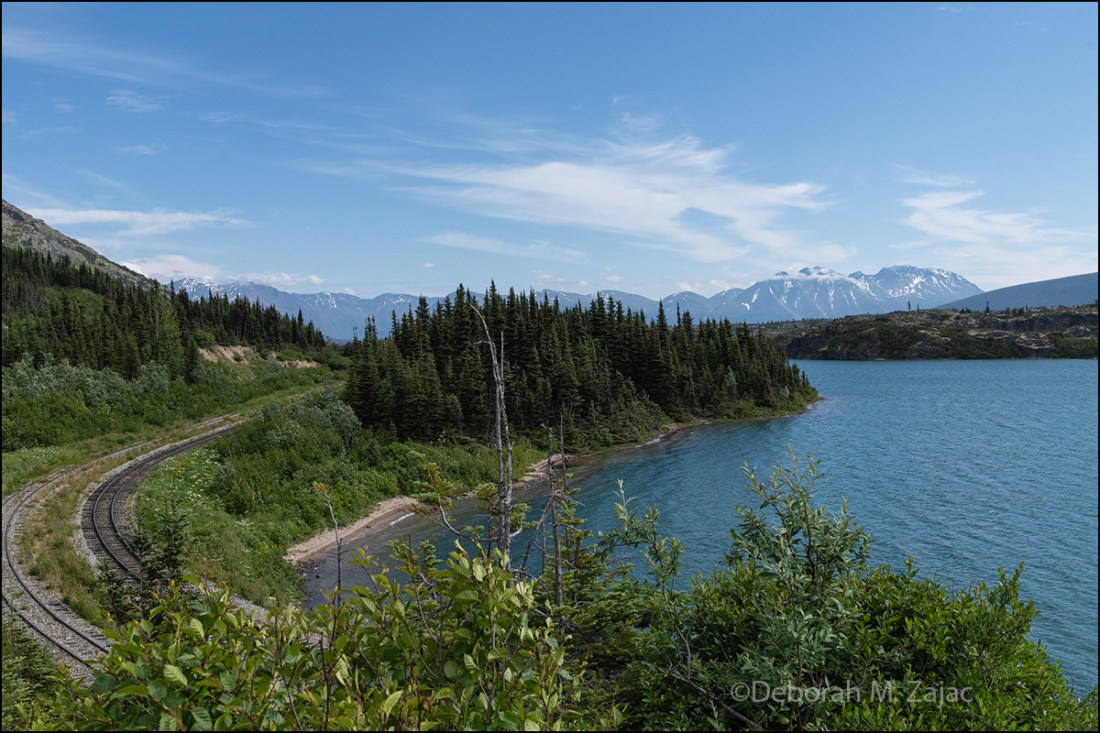
Summit Lake, WP&YR Railroad Tracks; Snowcapped mountains, from the Klondike Highway, Alaska.
more to come…
“A good snapshot keeps a moment from running away.” ― Eudora Welty
Copyright ©2025 Deborah M. Zajac. ALL RIGHTS RESERVED.
PLEASE DO NOT USE MY IMAGES WITHOUT EXPRESSED WRITTEN PERMISSION.
more to come…
Copyright ©2025 Deborah M. Zajac. ALL RIGHTS RESERVED.
PLEASE DO NOT USE MY IMAGES WITHOUT EXPRESSED WRITTEN PERMISSION.
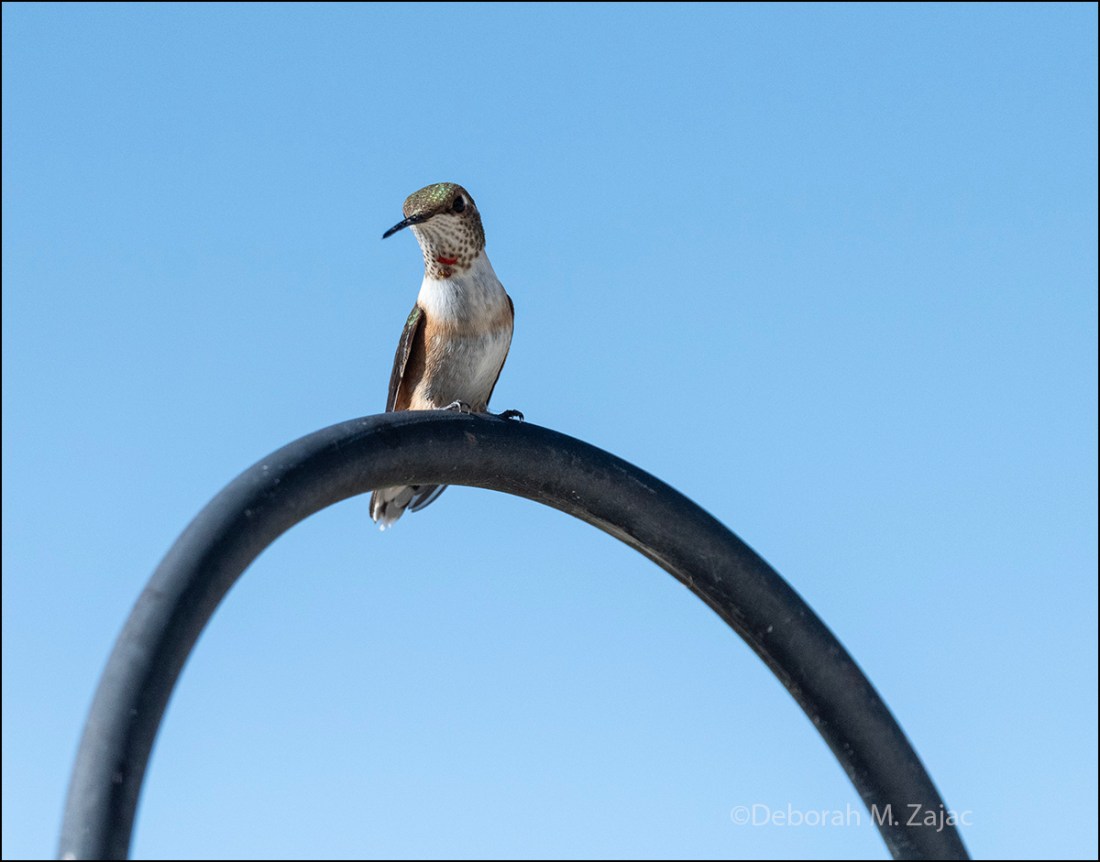
A few weeks ago a pair of Rufous Hummingbirds returned to my backyard feeder. They’ve been chasing off the Black-chinned and having skirmishes all day everyday since their return.
I’m beginning to think I need to add another Shepard’s hook and feeder so the territorial squabbling gets better.
Here’s what I think is a female perched on top of the hook claiming possession. She lands here on and off all day long letting the other Hummingbirds know this is her feeder. You can see a little bit of her Gorget on her throat.
Here she is just after chasing off two other Hummingbirds. I love her tail!
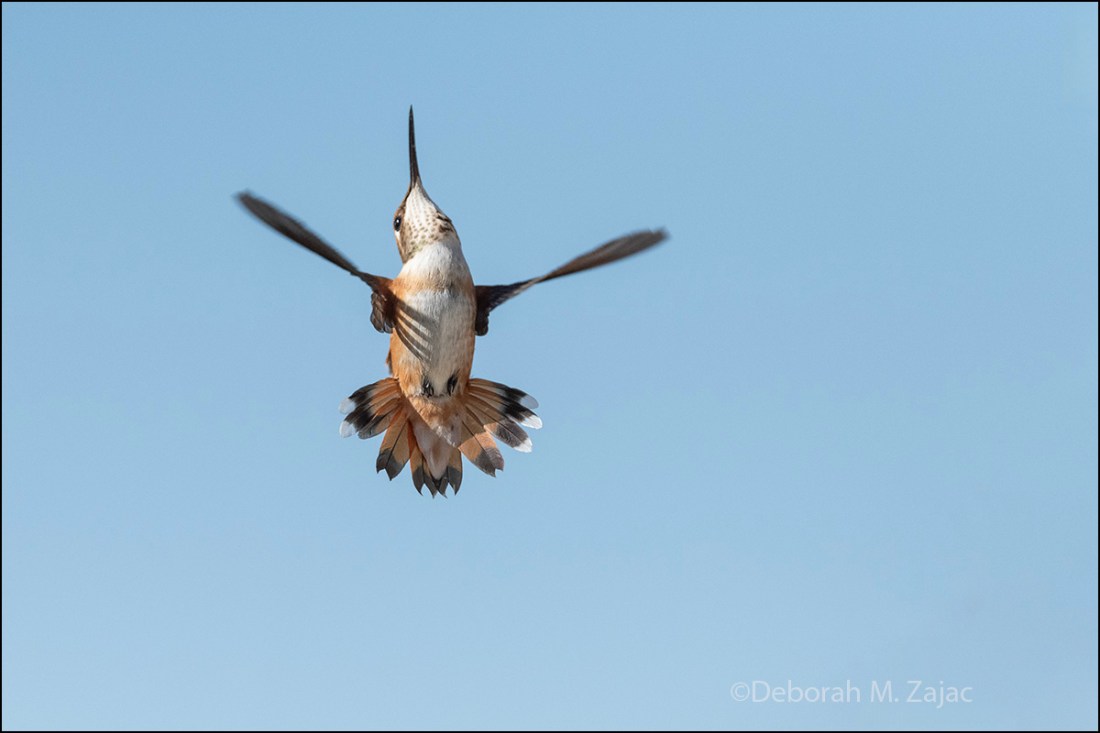
I could be wrong about her sex as it could also be an immature female/ male. If you know which it is please let me know.
Fun Facts:
I’ve been slower to your blogs this week as I’m visiting with family, and I will be for the next several days, but I’ll catch up!
Have a lovely week-end!!
Nikon D850| Nikkor 500mm| Fun Facts-https://www.allaboutbirds.org/guide/Rufous_Hummingbird/overview
more to come…
Copyright ©2025 Deborah M. Zajac. ALL RIGHTS RESERVED.
PLEASE DO NOT USE MY IMAGES WITHOUT EXPRESSED WRITTEN PERMISSION.

more to come…
Copyright ©2025 Deborah M. Zajac. ALL RIGHTS RESERVED.
PLEASE DO NOT USE MY IMAGES WITHOUT EXPRESSED WRITTEN PERMISSION.
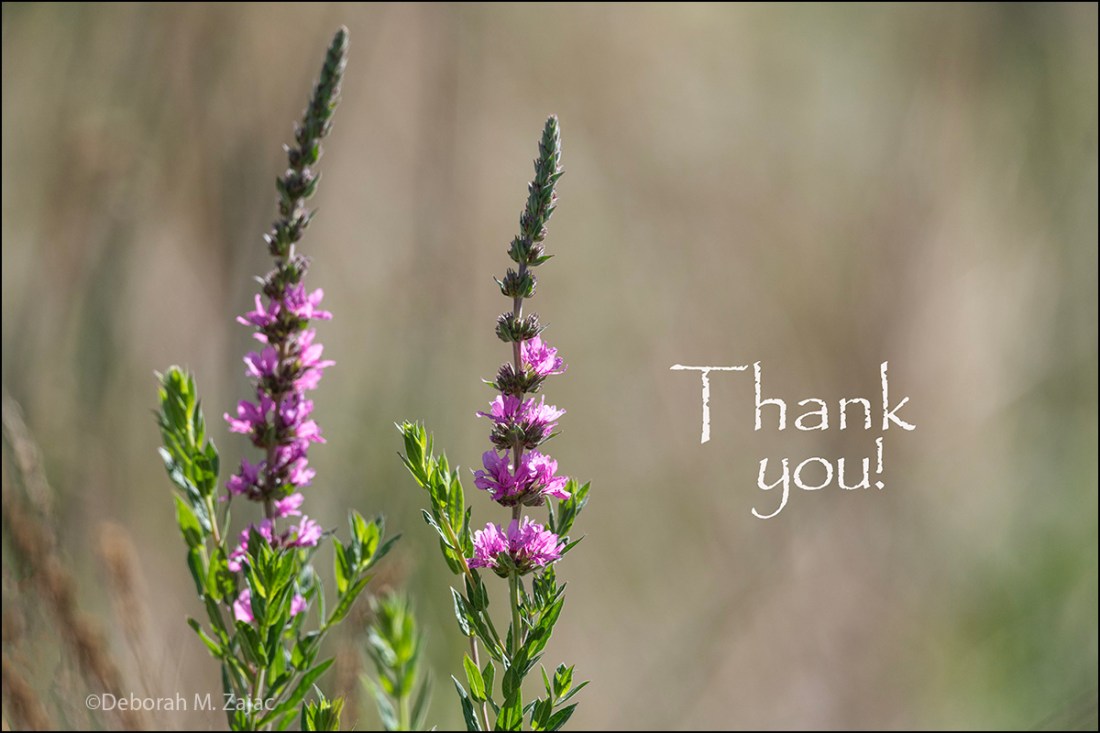
Thank you all for the support, and kindness you’ve given me these last few weeks. I appreciate you and your comments so much. 🥰
I wish you all a wonderful Independence Day Week-end!
Purple Loosestife wildflowers
more to come…
Copyright ©2025 Deborah M. Zajac. ALL RIGHTS RESERVED.
PLEASE DO NOT USE MY IMAGES WITHOUT EXPRESSED WRITTEN PERMISSION.
With this sighting of the Eastern Phoebe on May 13th while birding in Ohio I have now seen all 3 Phoebe’s that reside in the Unites States.

The Eastern Phoebe can be found throughout the eastern half of the continent from the Northwest Territories all the way down to Mexico.
The other two Phoebes are found in the Western regions of North America. They are the Say’s Phoebe, and the Black Phoebe.
Fun Facts:
I hope you all have a lovely week-end!
more to come…
Copyright ©2025 Deborah M. Zajac. ALL RIGHTS RESERVED.
PLEASE DO NOT USE MY IMAGES WITHOUT EXPRESSED WRITTEN PERMISSION.
I thought I’d share some of the birds I’ve seen the last couple of weeks.
Starting with a little Pygmy Nuthatch. It was flying to and from its nest the hole in a tree trunk you can sort of see behind it.

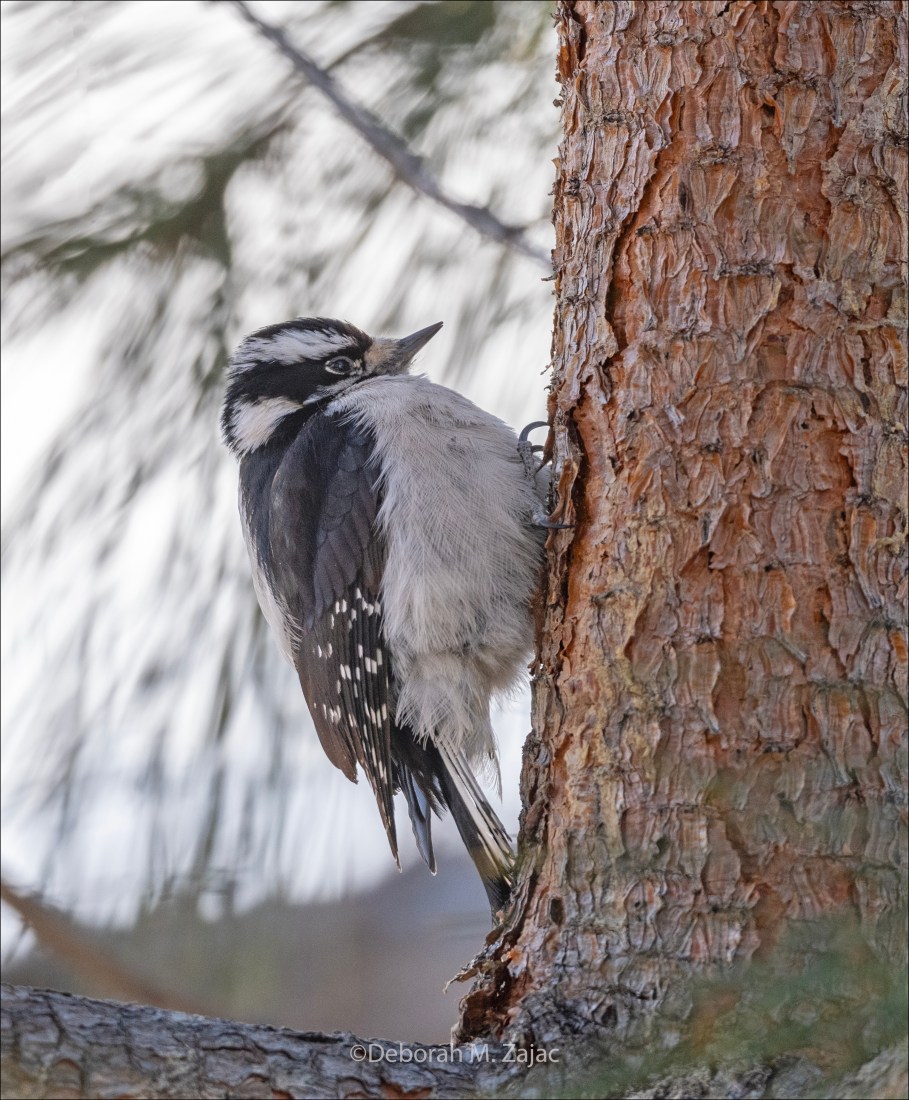
A female Downy Woodpecker who was cold that morning. It was 15 degrees F when we started birding. She didn’t move from that tree for the longest time.
Another morning I had the pleasure of viewing a posing Cooper’s Hawk. Look at that tail!
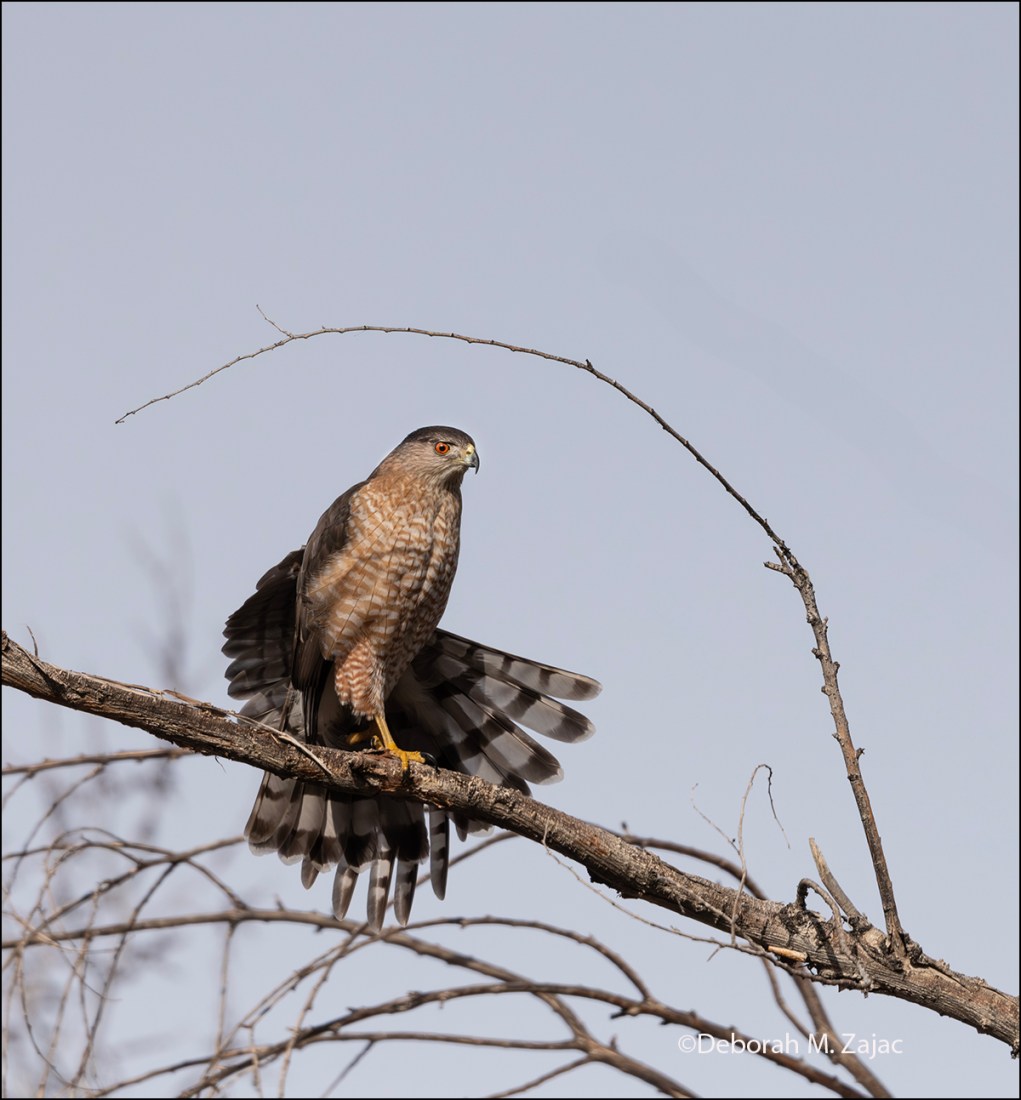
Then it showed off its wing.

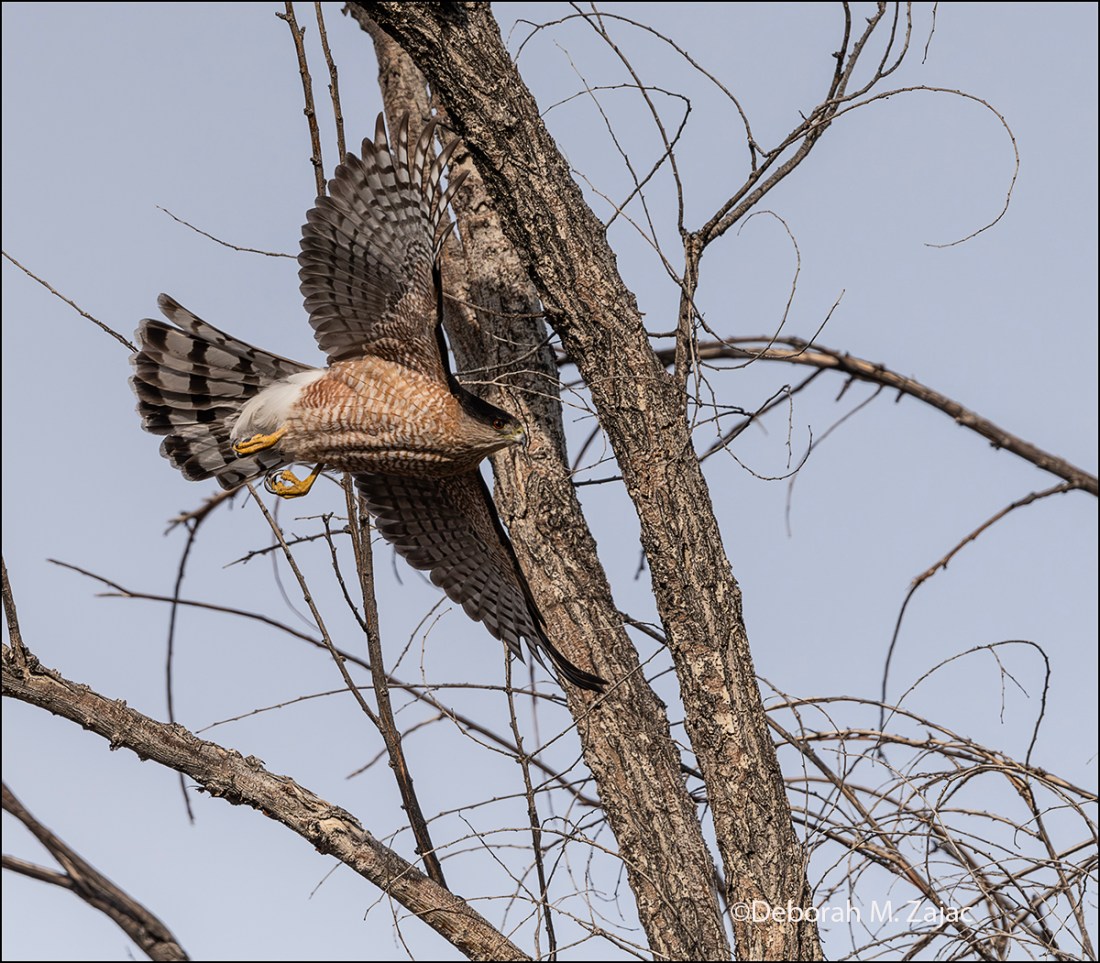
Then it flew showing off its wing span.
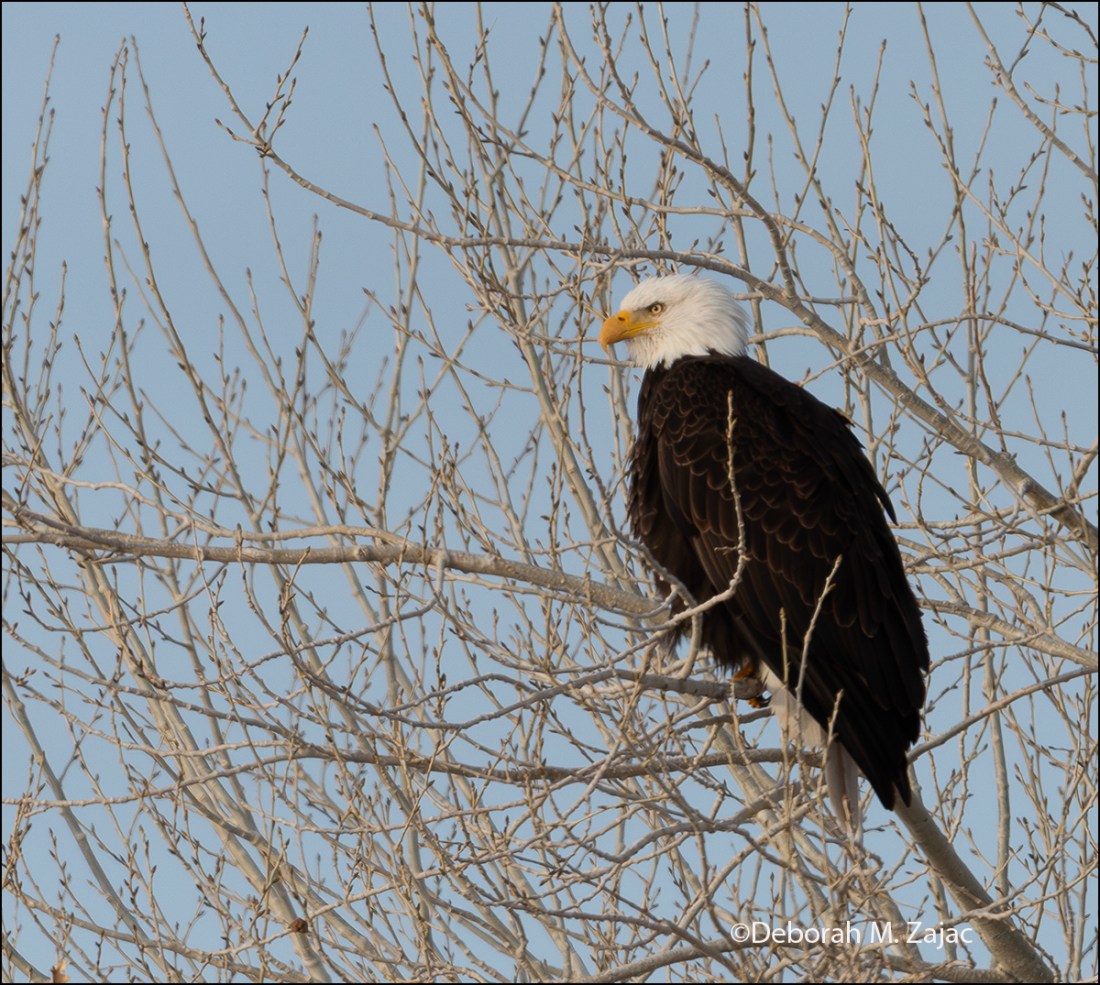
Last but not least, I saw the pair of Bald Eagles in their tree near my house on my way out last week. He was obscured by all the branches, but she was up high and in the open. I had to stop for a photo of her.
That’s all I have for you this week. I may be late getting to your posts and blogs this morning as I’m birding with my bird group.
More to come…
Copyright ©2024 Deborah M. Zajac. ALL RIGHTS RESERVED.
PLEASE DO NOT USE MY IMAGES WITHOUT EXPRESSED WRITTEN PERMISSION.
I wanted to wish all of you in the U.S.A. a very Happy Thanksgiving day and week-end!

To everyone else I wish you a very happy day and week-end!
more to come…
 Circadianreflections Blog
You must be logged in to post a comment.