PLEASE DO NOT USE MY IMAGES WITHOUT EXPRESSED WRITTEN PERMISSION.
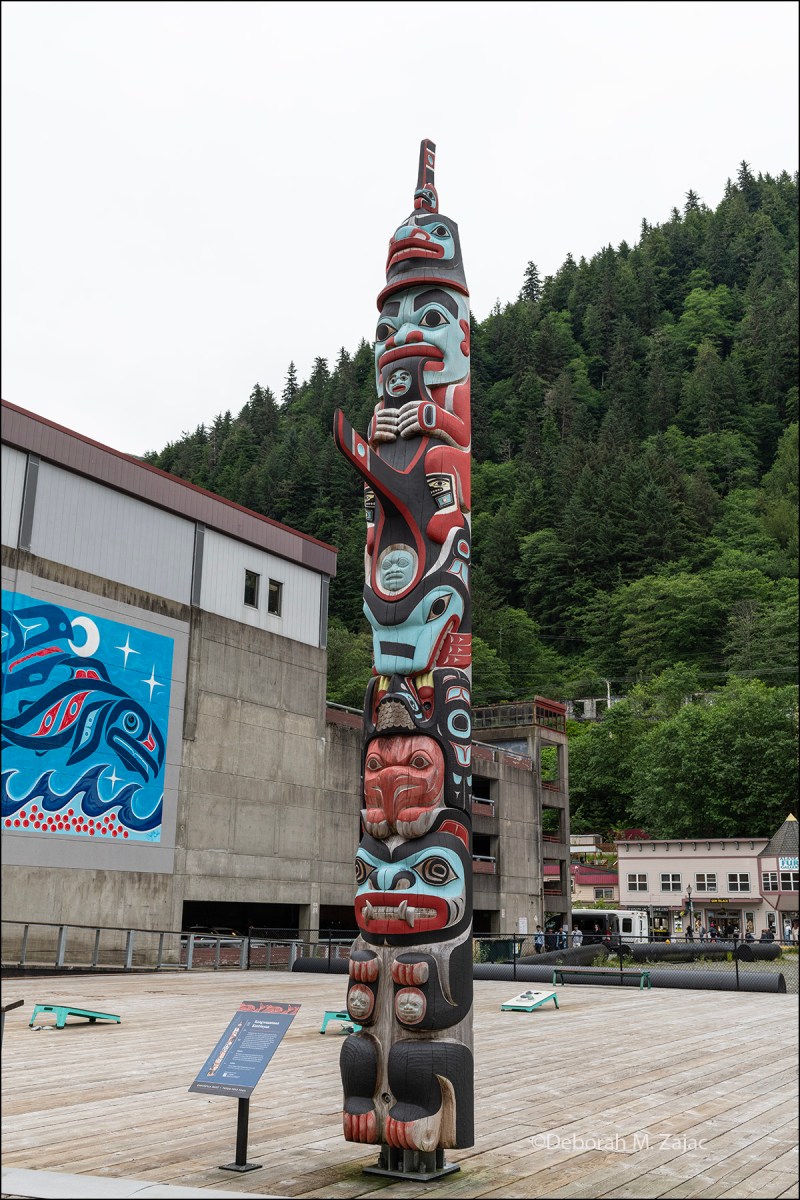
One of the ports we stopped in during our Alaska cruise last year was Juneau. Along the waterfront there are quite a few totem poles. They’re part of the Totem Pole Trail(Kooteeyaa Deiyi). Each pole tells the story of lineage, clan crests, and ancestral history. There are story boards and scan codes to explain their stories beside the totems. There are plans to expand to 30 totem poles representing all the clans of the Tlingit, Haida, and Tsimshian peoples.
This one is the Kaagwaantaan Totem Pole it was created by artist Nicholas Galanin in April 2023. It depicts clan crests including the Killer Whale, and Eagle.
PLEASE DO NOT USE MY IMAGES WITHOUT EXPRESSED WRITTEN PERMISSION.
Saturday morning after I’d finished Wordle and Strands I shared my results with my sister. We trade results and talk about where we struggled or where we felt it was easy. We talked for a bit and then I got up to make a second cup of tea this was about 7A.M. I just caught out the corner of my eye out back a Coyote streaking by. I moved to the backdoor to see where it was going and here came another one streaking by following the first one! That was neat. I thought they were probably heading back to the den since the sun was up already.
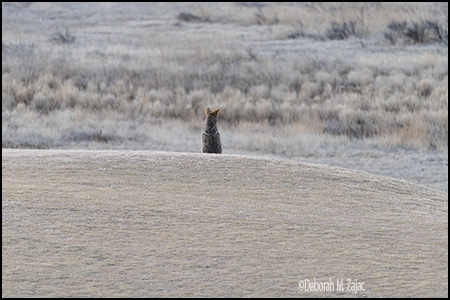
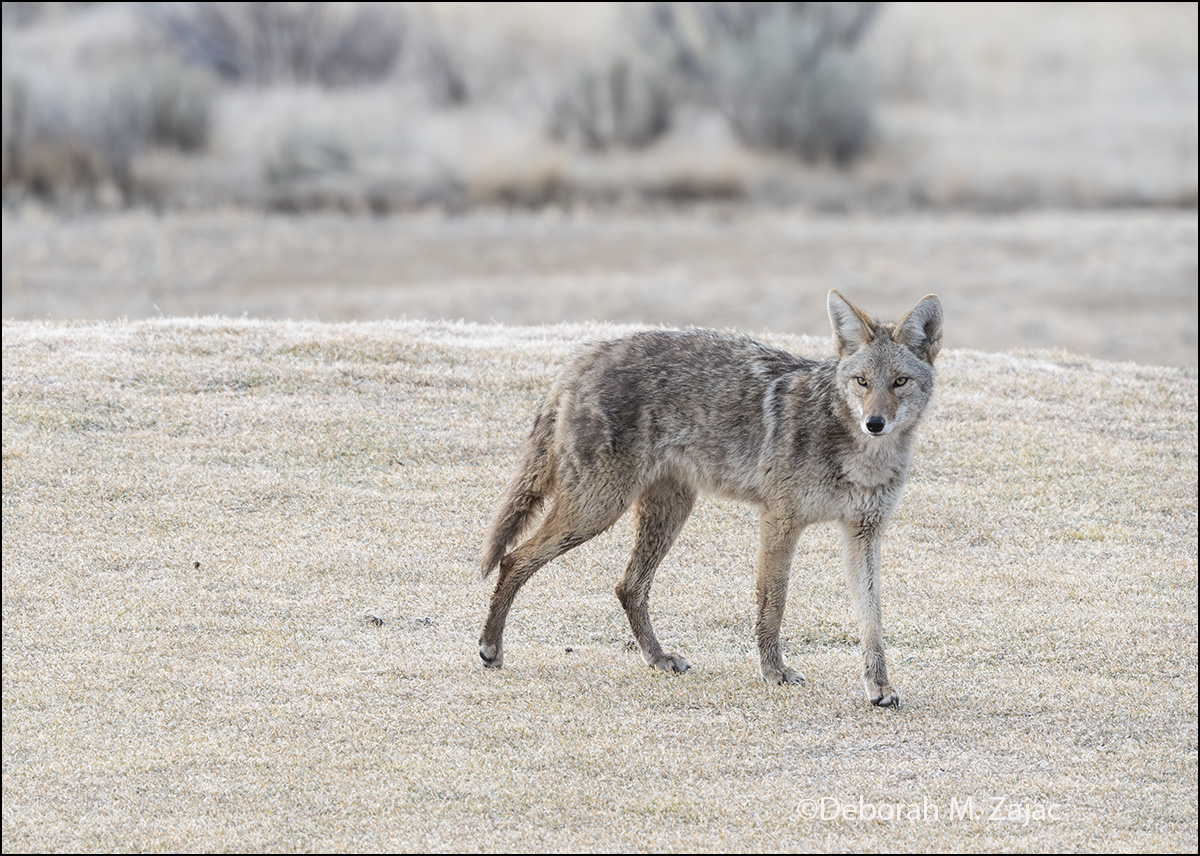
Fast forward 50 minutes and when I looked up from reading there out at the edge of the golf course was a Coyote with its back to me gazing out across the flood plain. Oh! I raced to get my camera that was in my retreat. I wished as I was racing that it would still be there when I got back. It was!
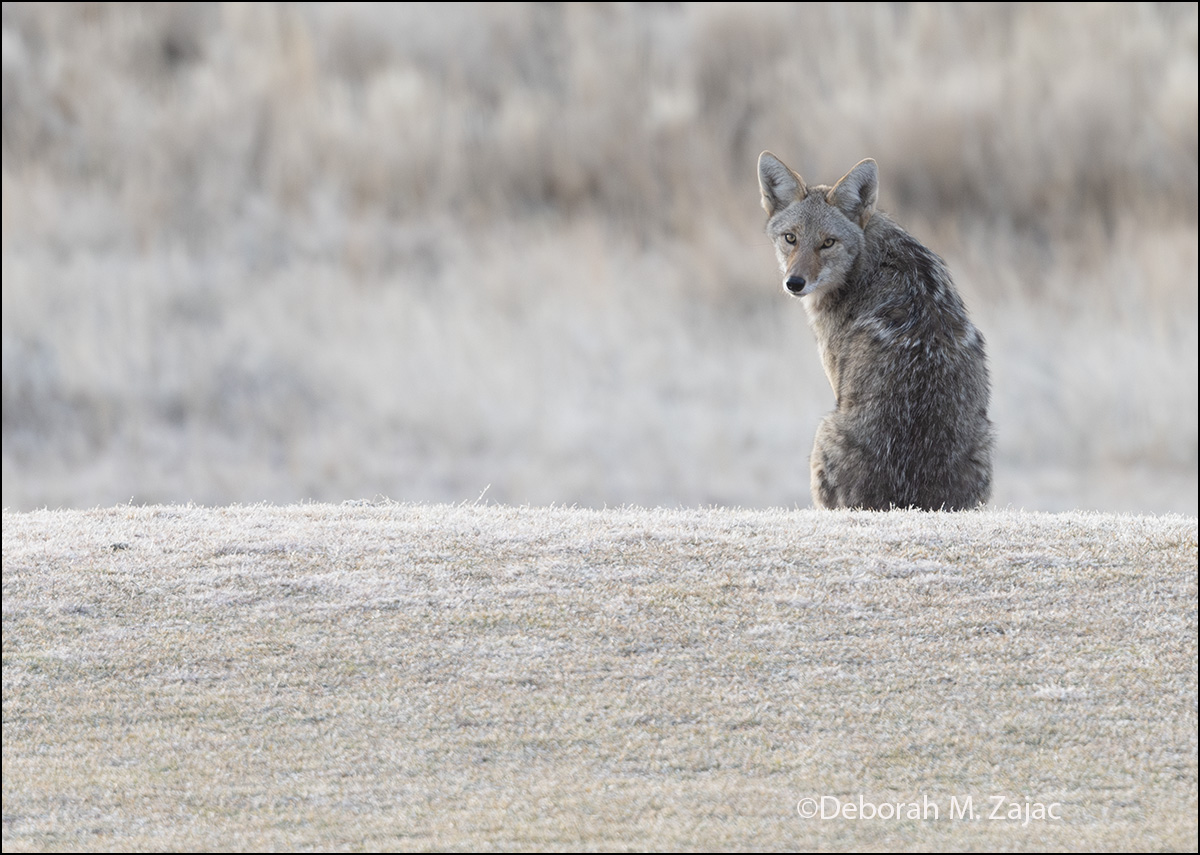
As I opened the sliding glass door and screen it heard me and turned to see what the noise was. It soon realized I was no threat so turned its gaze back to the field. Above is exactly what I saw that had me run for my camera.
After a few minutes something caught its attention out in the field and it got up to look. I looked too. Oh! There out in the field further west was another Coyote! Perhaps these two were the two I had seen running by an hour before?
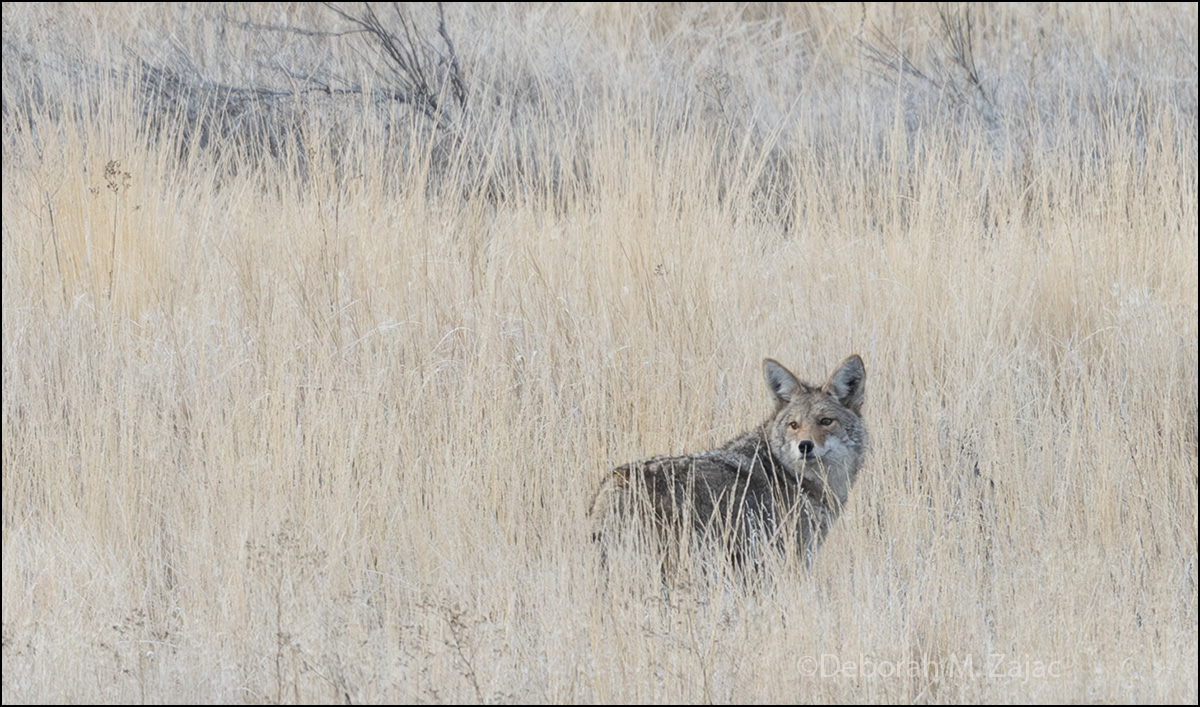
Here’s Number Two out in the field looking back at Number One. This is cropped in a bit.
Coyote Number One got to the bottom of the hill below me but, I couldn’t see him anymore. Then he started up the golf cart path headed east and soon was out of sight.
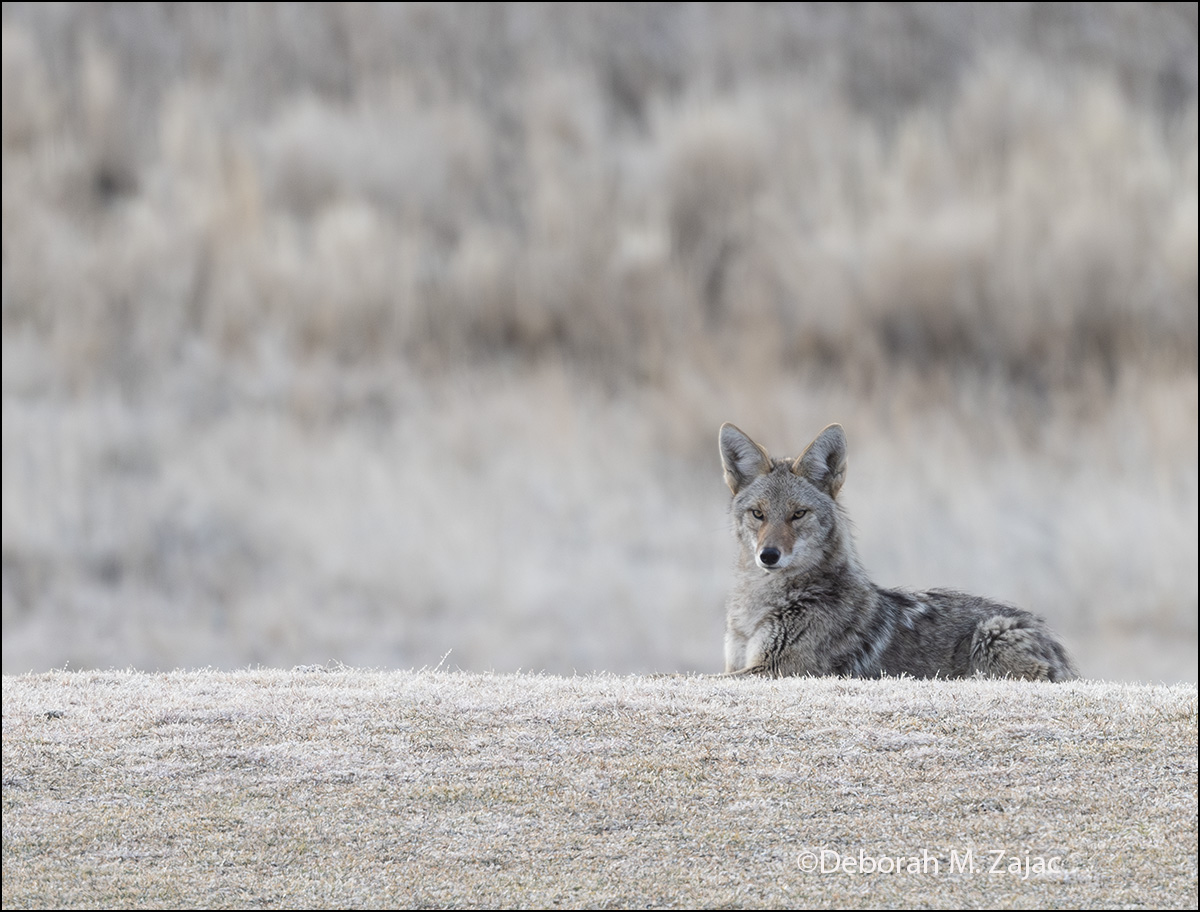
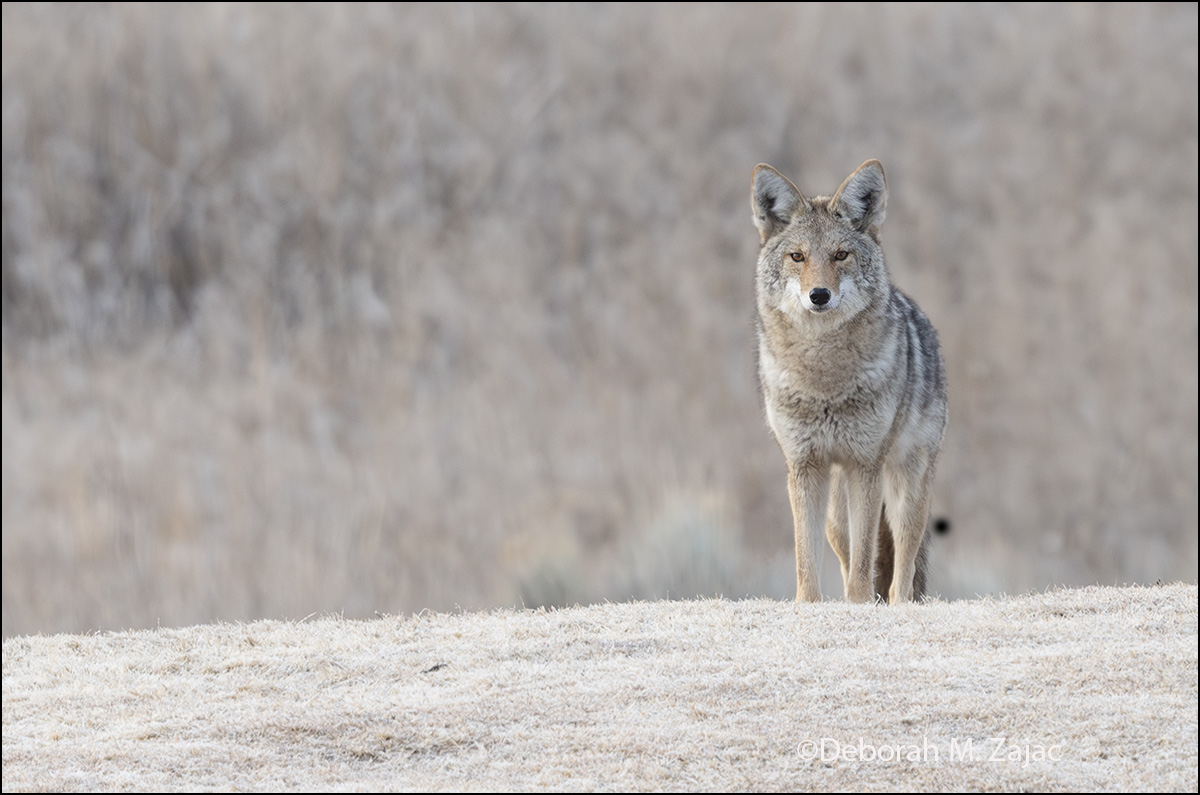
Number Two couldn’t see Number One I think, so came up to the edge of the course. It spotted me. Our eyes met. Then it turned to look east after its buddy, and off it went after it head down on the scent.
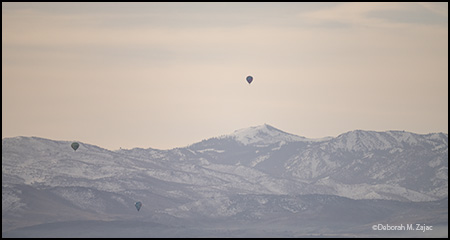
I watched it until it was out of sight then looked up and there out in the distance were 3 Hot Air Balloons rising. I hoped they’d float my way, but they never do. Prevailing winds tend to head east. This morning was no different they all floated east behind the mountains out into the great Nevada desert.
I watched until the last balloon slid behind the mountains and out of view. It was my turn to turn away from the view. I went to get my forgotten cup of tea now cold then headed to the kitchen to make a fresh cup. Happy with the way my day started and counting my blessings. I was thinking how wonderful it is to have all this nature and wildlife here and I was very thankful to be home Saturday morning to see it all.
PLEASE DO NOT USE MY IMAGES WITHOUT EXPRESSED WRITTEN PERMISSION.
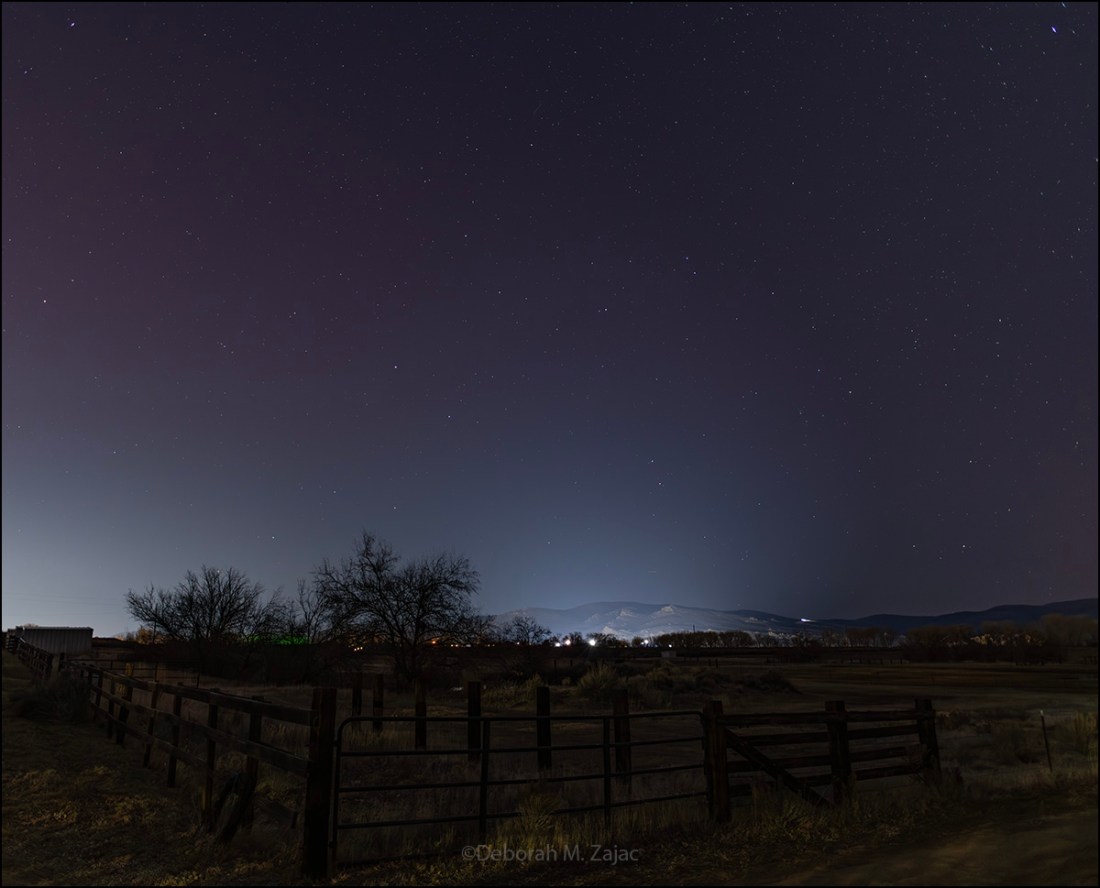
Monday I got an alert from my Aurora App that said it might possible to see the Aurora as low as Northern Nevada. There was a pretty large CME -solar flare on January 19th that I read about in Spaceweather and it mentioned the Aurora Borealis could be really good and perhaps wide spread. I was on a hike when my app pinged me Monday afternoon saying that it was looking good where I live to see some of the Aurora. When I got home I charged up my batteries, switched lenses, and got my gear ready. In the evening close to the peak KP index reading per my app I put on my thermals, coat, toe warmers, then gathered my hand heating pouch, tripod, gear bag, red headlamp, and walked out into the 35 degrees F night air. I headed down the street to photograph the sky over my neighbors ranch.
The stars were bright, and clear, and the air cold, and brisk. It was just me and a horse in the stall kicking and making that sound they make when the blow raspberries through their nose, and lips. I suspect it heard me and saw my red headlamp. Then it got really quiet.
The horse and I settled in for a bit. I set up my tripod, and camera then got my focus dialed in and made a few tests shots. Then I made this shot when it was supposed to be “peak KP index (6.67)” for my area.
There’s light pollution from Carson City to the north.
Way out on the top of hills in the distance is a bright white light. That’s an ATV of some kind making its way to the top of the Pinenut Mountains. I wondered if they were going to a great view and maybe a darker sky?
I read the Aurora’s were spectacular in parts of Europe and some of the images I’ve seen are fantastic.
This Aurora wasn’t as strong as the one that we saw here in October 2024 see my post here , but anytime I get a ping saying maybe I’ll see an Aurora in No. Nevada I’ll be out with my camera.
PLEASE DO NOT USE MY IMAGES WITHOUT EXPRESSED WRITTEN PERMISSION.
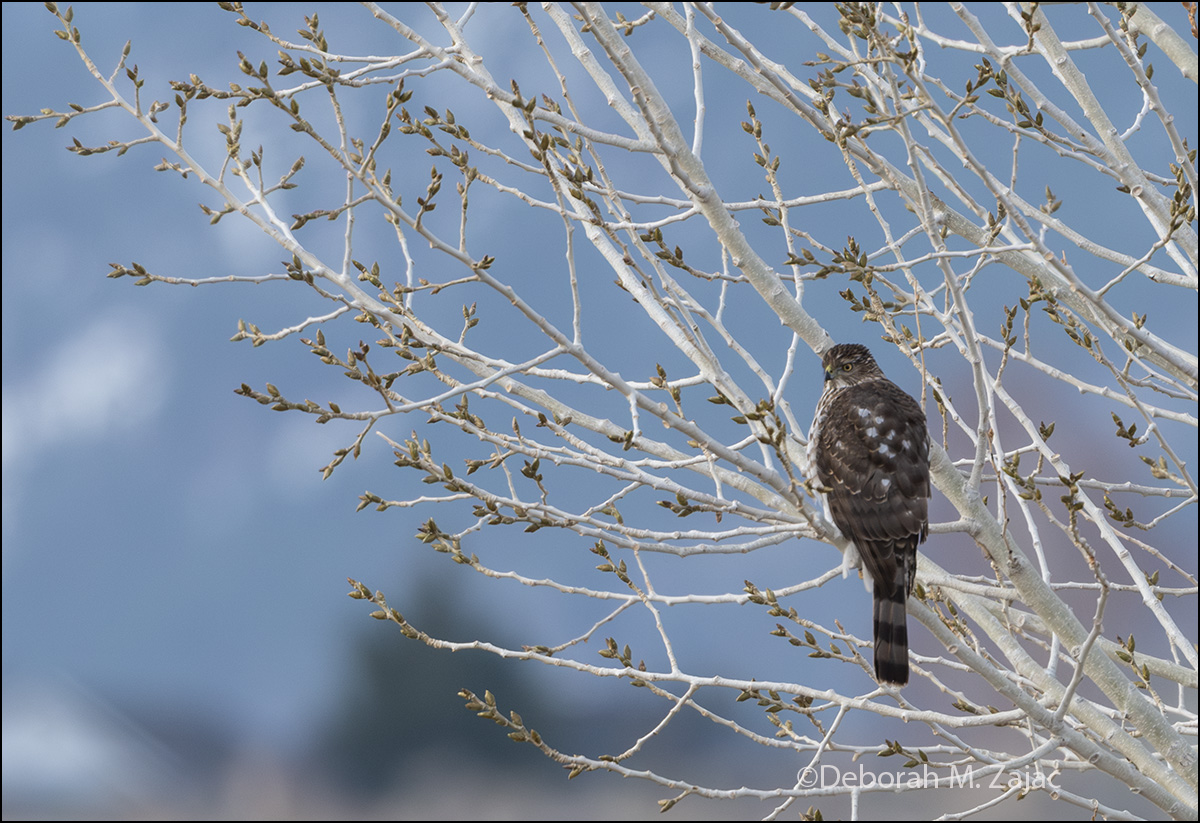
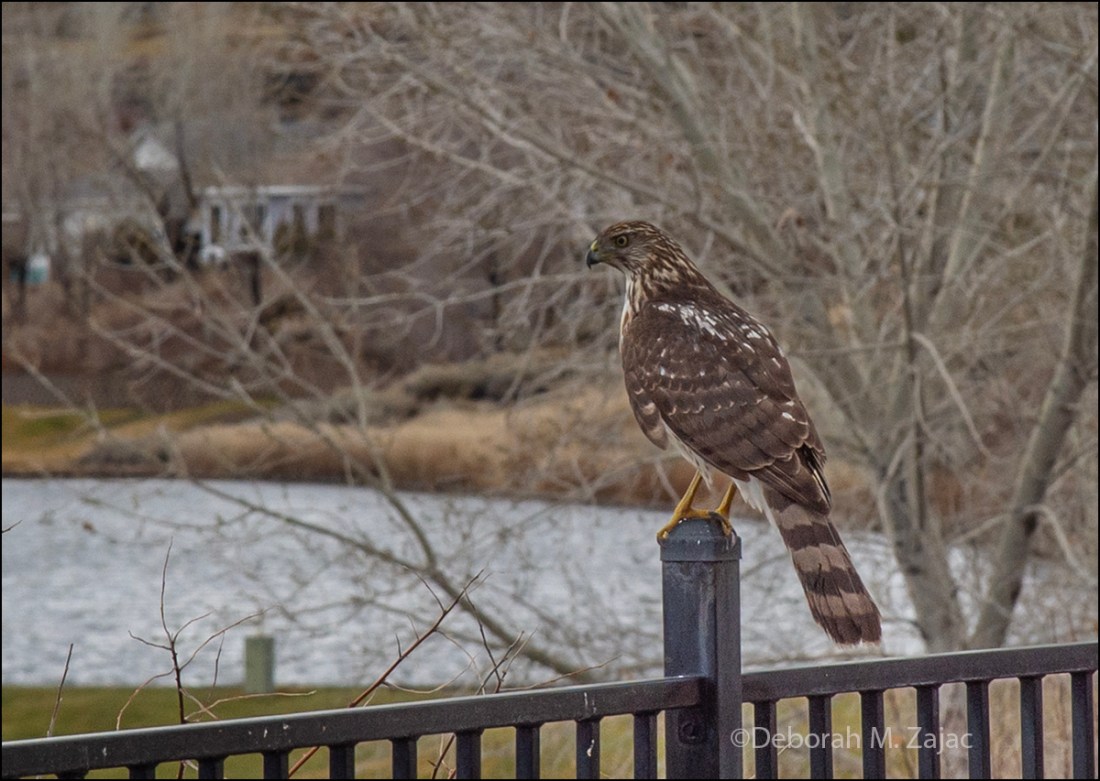
January 2nd a Cooper’s Hawk came to look for breakfast at my neighbor’s house. I quietly opened the back door and grabbed what are the first Hawk images of 2026. Here’s one.
I’m taking that as a sign that it’s going to be a good year of birding.
This winter has started off a bit bumpy on the home-front. Our heater went out just after Christmas on a Sunday. Fortunately, we were able to have our preferred heating and air company come out that afternoon and fix it.
Then I discovered we have a leak in the garage. We had a roofer out and they found several broken tiles. Errant golf balls no doubt. Our house gets hit a lot. I wish they…the golfers would learn to hit toward their other right!
The roofers sealed up the cracks and we’re scheduled to have the tiles replaced at the end of the month. I welcome the rain and snow, but not the leaky roof.
We’ve had several storms so I haven’t been out birding, but today the weather looks cold, but sunny so I’ll be birding with the group this morning. I’ll be late getting to your blogs and comments.
Fun Facts:
Dashing through vegetation to catch birds is a dangerous lifestyle. In a study of more than 300 Cooper’s Hawk skeletons, 23 percent showed old, healed-over fractures in the bones of the chest, especially of the furcula, or wishbone.
A Cooper’s Hawk captures a bird with its feet and kills it by repeated squeezing. Falcons tend to kill their prey by biting it, but Cooper’s Hawks hold their catch away from the body until it dies. They’ve even been known to drown their prey, holding a bird underwater until it stopped moving.
Once thought averse to towns and cities, Cooper’s Hawks are now fairly common urban and suburban birds. Some studies show their numbers are actually higher in towns than in their natural habitat, forests. Cities provide plenty of Rock Pigeon and Mourning Dove prey. Though one study in Arizona found a downside to the high-dove diet: Cooper’s Hawk nestlings suffered from a parasitic disease they acquired from eating dove meat.
Life is tricky for male Cooper’s Hawks. As in most hawks, males are significantly smaller than their mates. The danger is that female Cooper’s Hawks specialize in eating medium-sized birds. Males tend to be submissive to females and to listen out for reassuring call notes the females make when they’re willing to be approached. Males build the nest, then provide nearly all the food to females and young over the next 90 days before the young fledge.
The oldest recorded Cooper’s Hawk was a male and at least 20 years, 4 months old. He was banded in California in 1986, and found in Washington in 2006.
PLEASE DO NOT USE MY IMAGES WITHOUT EXPRESSED WRITTEN PERMISSION.
Last month about a week before Thanksgiving I went on a quick road trip to Las Vegas/Henderson with a girl-friend. She was wanting to see her parents who live in Vegas, and I was wanting to go to Henderson which is just 20 minutes south of downtown Vegas to do some birding. So we got a plan together and went. While she was hanging out with her parents I was birding at the Henderson Bird Viewing Preserve. I was hoping to see the Long-tailed Duck that is back this winter, alas, I did not see it, but I had a fantastic meeting with a Greater Roadrunner.
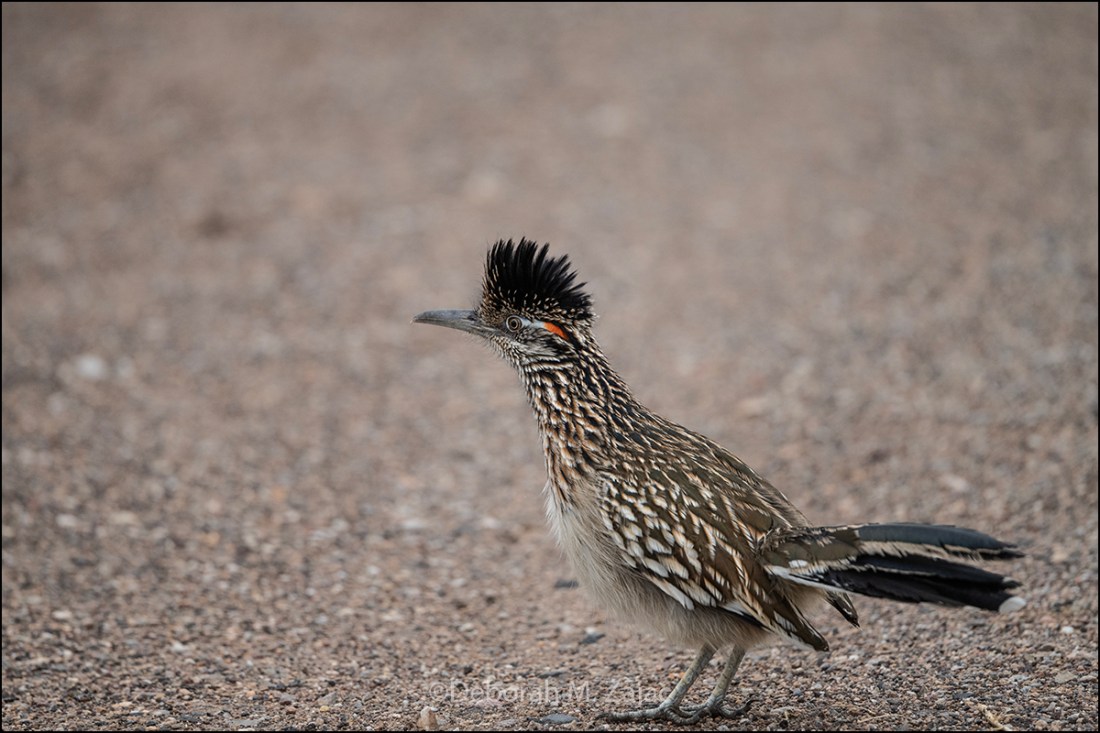
I was walking up a path and turned a corner and there it was standing in the middle of the path. I stopped. It jumped back and looked at me. There we stood eyeing each other up. When it was apparent it wasn’t going to flee and be flighty I started making photographs of it. After a minute it approached me! I backed up to keep it in my focal range. It was too close!!! Such a problem to have right? 😂 This profile is the best image I made showing its colorful skin behind its eye. The colors say Southwest to me.
I can’t tell if it is a male or female. I do know it’s an adult though. It stayed on the path walking back and forth in front of me, and crossing the path from side to side for nearly 5 minutes! I have quite a few images of it. I think it must have had a nest nearby guarding it perhaps? Anyway, I figured I’d better get moving and let the Roadrunner get back to doing whatever it does. I thanked it for such a lovely encounter and as quietly as I could walked up the path then when the Roadrunner thought I was too close it darted into the bushes.
That was only the 3rd Roadrunner I’ve ever seen and by far the best encounter with one ever!
For a generation of Americans, the familiar “beep, beep” of Warner Brothers’ cartoon Roadrunner was the background sound of Saturday mornings. Despite the cartoon character’s perennial victories over Wile E. Coyote, real-life coyotes present a real danger. The mammals can reach a top speed of 43 miles an hour—more than twice as fast as roadrunners.
Roadrunners have evolved a range of adaptations to deal with the extremes of desert living. Like seabirds, they secrete a solution of highly concentrated salt through a gland just in front of each eye, which uses less water than excreting it via their kidneys and urinary tract. Moisture-rich prey including mammals and reptiles supply them otherwise-scarce water in their diet. Both chicks and adults flutter the unfeathered area beneath the chin (gular fluttering) to dissipate heat.
Greater Roadrunners eat poisonous prey, including venomous lizards and scorpions, with no ill effect, although they’re careful to swallow horned lizards head-first with the horns pointed away from vital organs. Roadrunners can also kill and eat rattlesnakes, often in tandem with another roadrunner: as one distracts the snake by jumping and flapping, the other sneaks up and pins its head, then bashes the snake against a rock. If it’s is too long to swallow all at once, a roadrunner will walk around with a length of snake still protruding from its bill, swallowing it a little at a time as the snake digests.
Based on banding records, the oldest roadrunner was at least 7 years old.
Roadrunners hold a special place in Native American and Mexican legends and belief systems. The birds were revered for their courage, strength, speed, and endurance. The roadrunner’s distinctive X-shaped footprint—with two toes pointing forward and two backward—are used as sacred symbols by Pueblo tribes to ward off evil. The X shape disguises the direction the bird is heading, and is thought to prevent evil spirits from following.
Isn’t that folklore about its X shaped footprint interesting! I didn’t know that until I read the fun facts. 😊
I hope you all have a lovely week-end. Beep, beep!
PLEASE DO NOT USE MY IMAGES WITHOUT EXPRESSED WRITTEN PERMISSION.
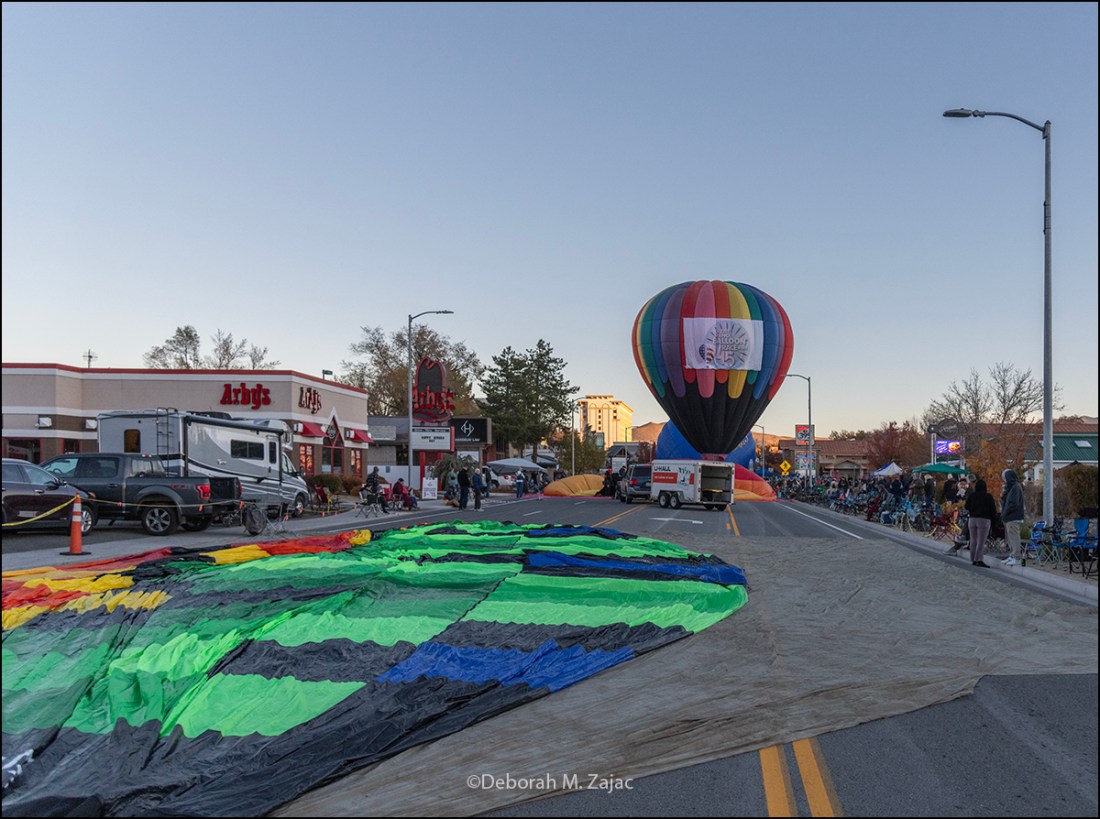
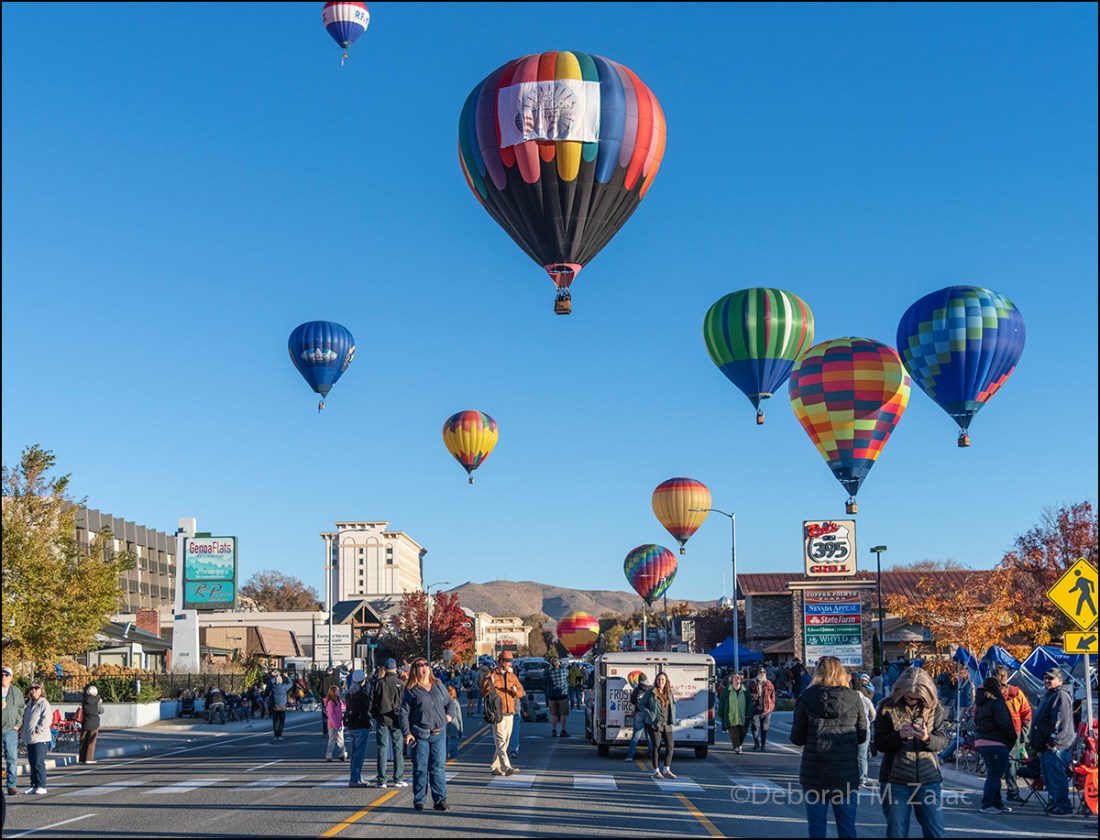
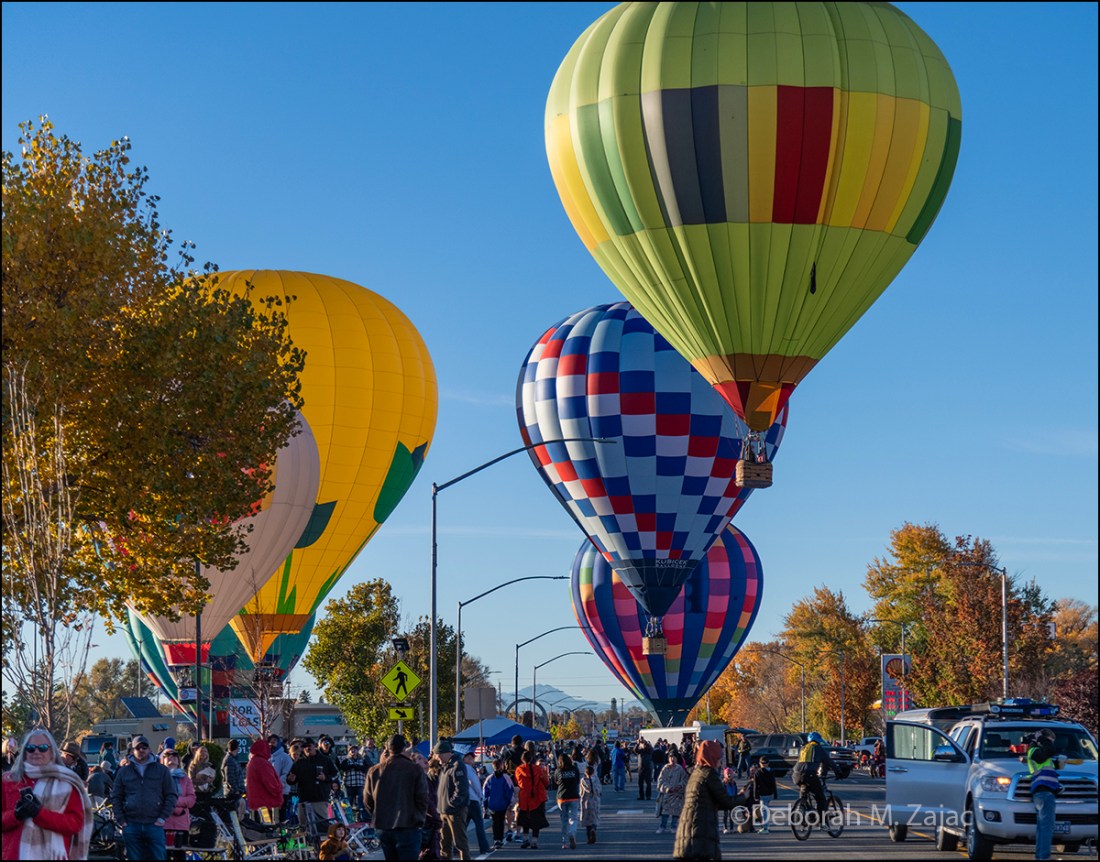
October 31, 2025 was Nevada’s 161st year of Statehood. The celebrations started early in October with many events scheduled throughout the month leading up to the big Birthday Bash on November 1st.
November 1st started really early with Hot Air Balloonist rolling in at 6am to get their balloons ready for an 8AM lift-off. I was there.
I usually pick one balloon and stick with them until they lift off. This year I watched the crew that owns this balloon laying flat on the ground.
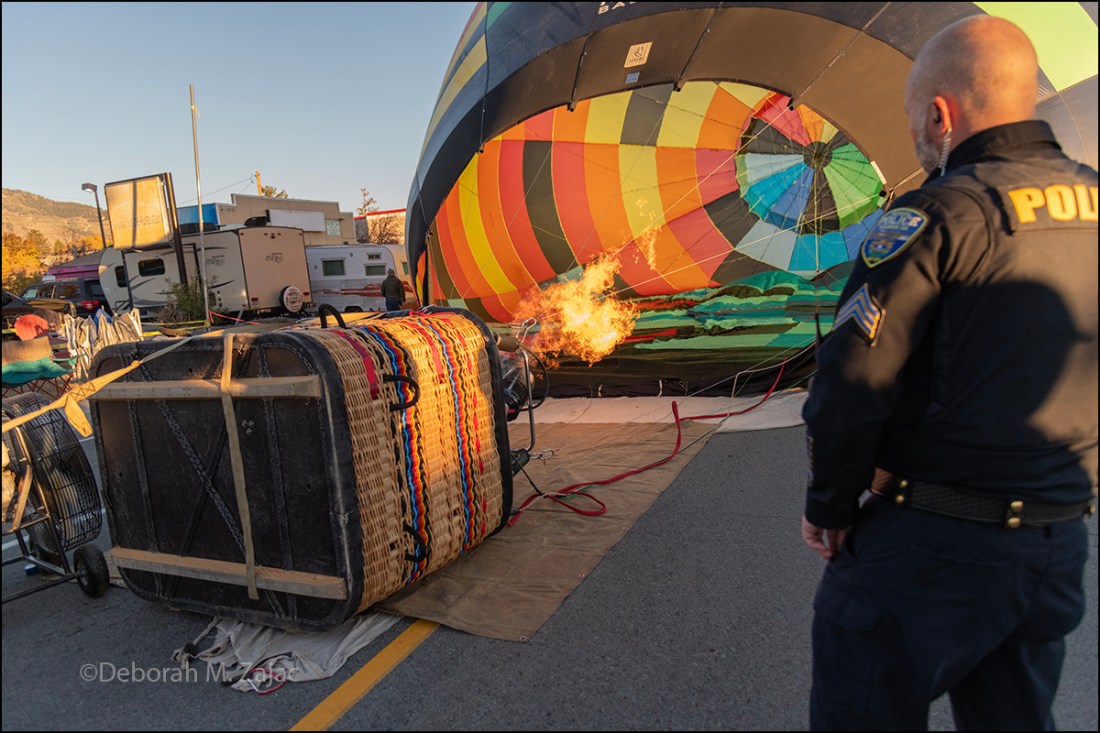
The crew pulled up to their spot on the street then they laid out a huge tarp, next they roll out the balloon. The crew is named Cloud Couture Crew. The Balloon’s name is Cloud Couture. It’s piloted by Eric Diamond.
Next they hook up the basket, and gas, check all the lines, then they turn on a huge fan. See it next to the basket on the left? They use the fan to fill the balloon with air. The best part is when they have enough air in the balloon to start heating it up and lifting the balloon! Whoosh! It was warm standing here once they had the flame going.
PLEASE DO NOT USE MY IMAGES WITHOUT EXPRESSED WRITTEN PERMISSION.
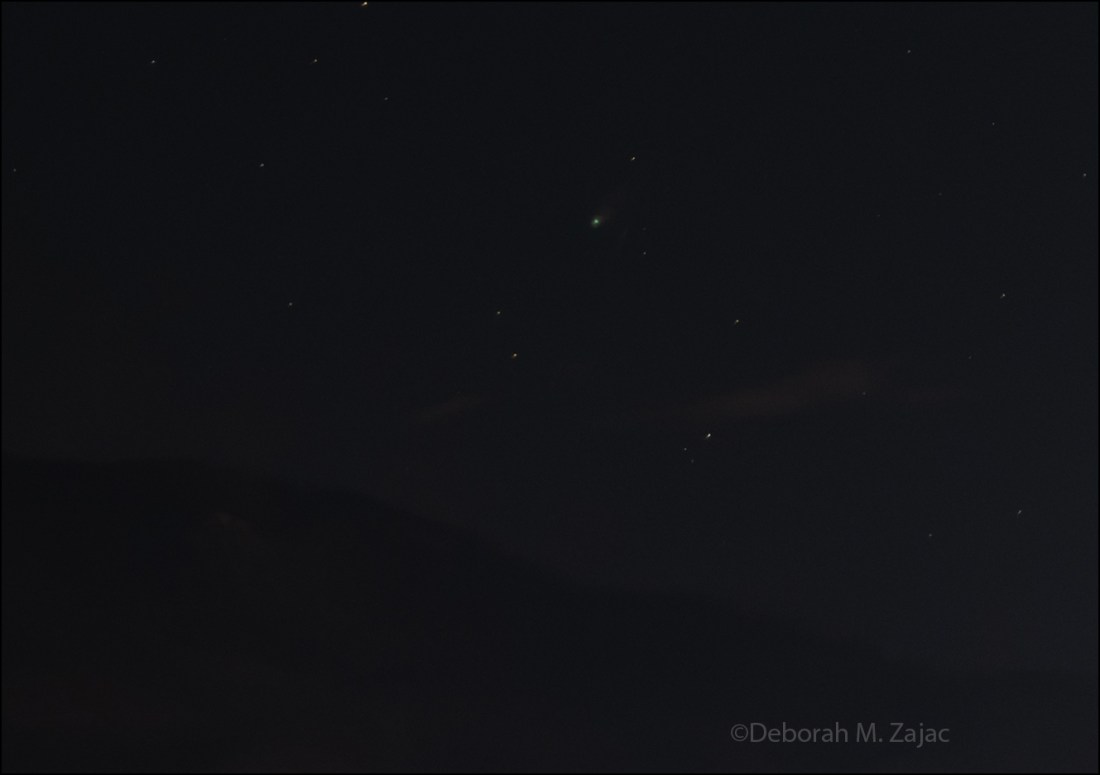
I went out with a friend to try to see if I could find and photograph C/2025 A6 Comet (Lemmon) on October 19th. I didn’t go too far from home just up into the Pinenut Mountains a little bit. l took my 50mm lens so I would be able to see a wide space of the sky and hopefully see it. I never saw it with my eyes or binoculars, but when I got home and uploaded my images I was happy to see my camera had seen it. It’s the tiny green dot upper center of the image.
It’s tiny at 50mm but, I cropped this in a bit for a better look.
The next night I went back to the same spot with my old 80-200mm lens but, I wasn’t able to see it at all. I believe it was too low and behind the hills opposite.
So last night a friend and I went north to a spot I know that had more open sky. It took us a while to find it but, we did. My old lens had a bit of trouble focusing on my newish bigger sensor D810 but, once I uploaded my images I found I had several decent shots of the comet with a hint of its tail too.
It’s always exciting to see a comet and this one is pretty cool. It was 55 million miles from Earth last night and it won’t be back again until the year 3175! Do you think my images will survive for my future family members to see my images made with probably antiquated photography methods and gear? Somewhere between 33 and 46 generations will pass before C/2025 A6 (Lemmon) comes our way again. It boggles my mind.





 Circadianreflections Blog
You must be logged in to post a comment.