PLEASE DO NOT USE MY IMAGES WITHOUT EXPRESSED WRITTEN PERMISSION.
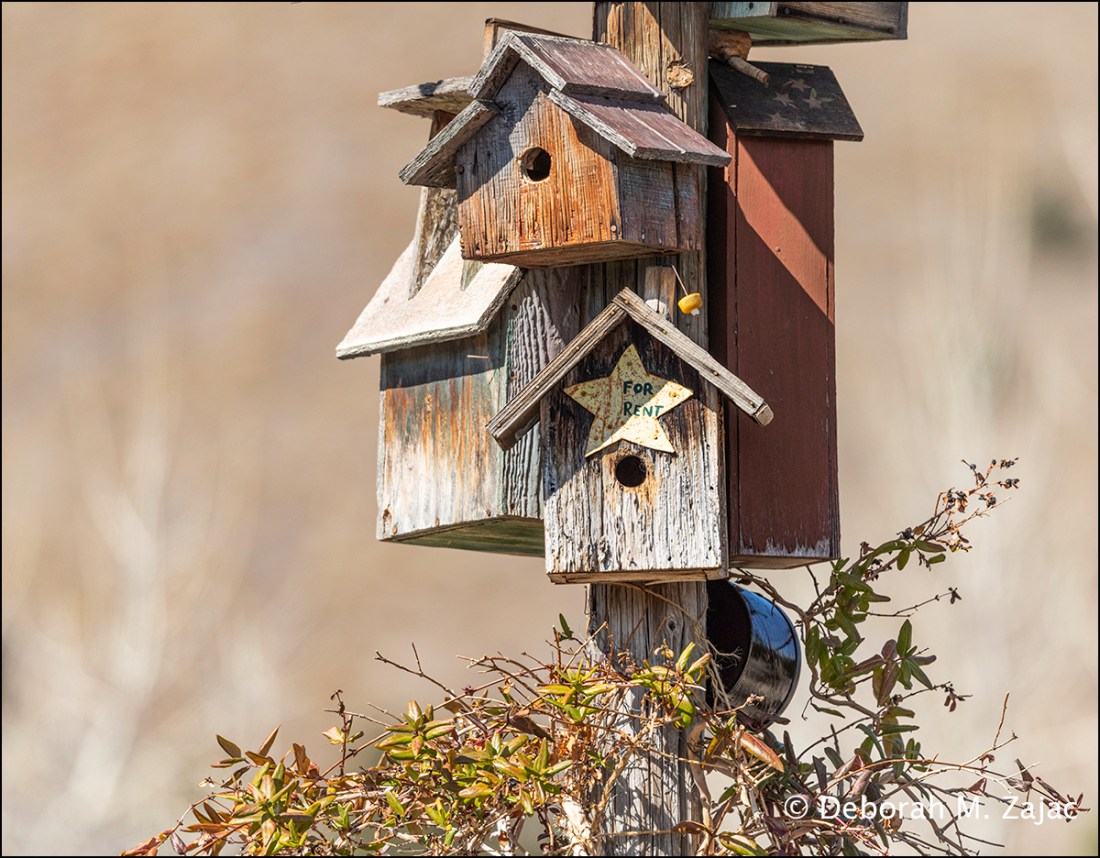
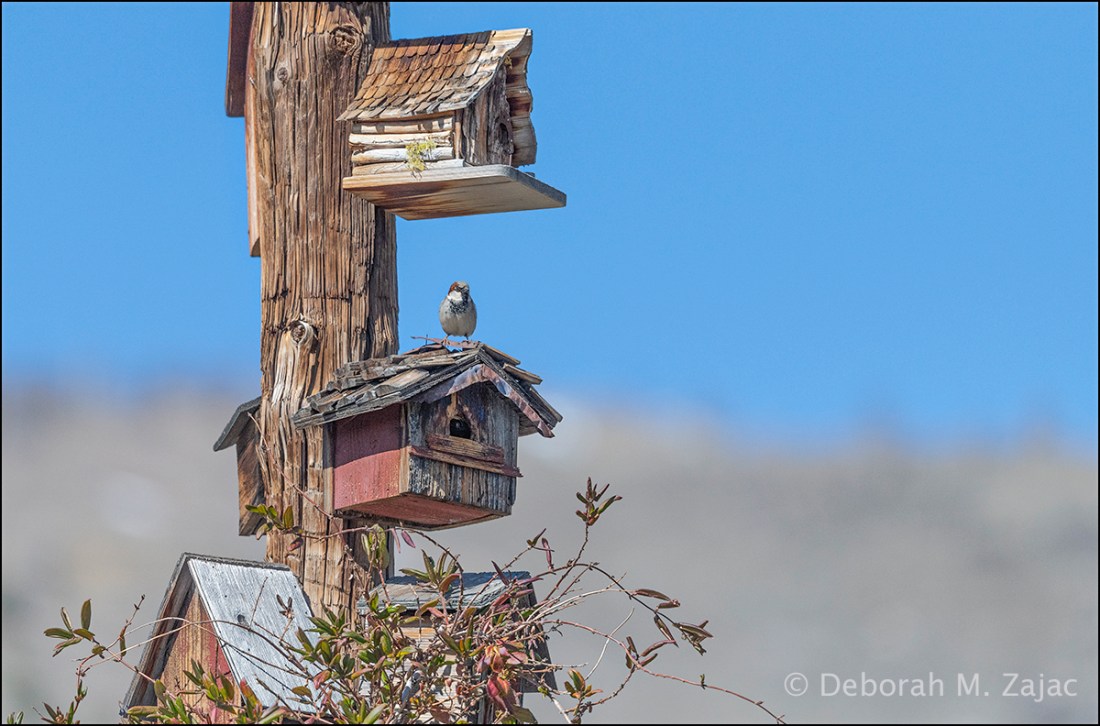
Available at Sparrow Pole Bungalows! Cute one room birdhouse with plenty of floor space and a tall ceiling for that perfect cozy nest. You’re sure to be the Early Bird in the neighborhood as the front door faces east so your day will start with the sun shining into your cozy nest.
You’ll love your neighbors, and there are bird feeders nearby.
Birdhouses
This post is part of the Thursday Doors- a weekly challenge group hosted by Dan Antion over at No Facilities. Click on the link to see other doors from around the world-https://nofacilities.com/2024/04/18/still-in-oakland/
PLEASE DO NOT USE MY IMAGES WITHOUT EXPRESSED WRITTEN PERMISSION.
Male House Sparrow on its Birdhouse
This post is part of the Thursday Doors group hosted by Dan Antion over at No Facilities which you can click on to see other doors from around the world-https://nofacilities.com/2024/04/11/alumni-doors/
PLEASE DO NOT USE MY IMAGES WITHOUT EXPRESSED WRITTEN PERMISSION.
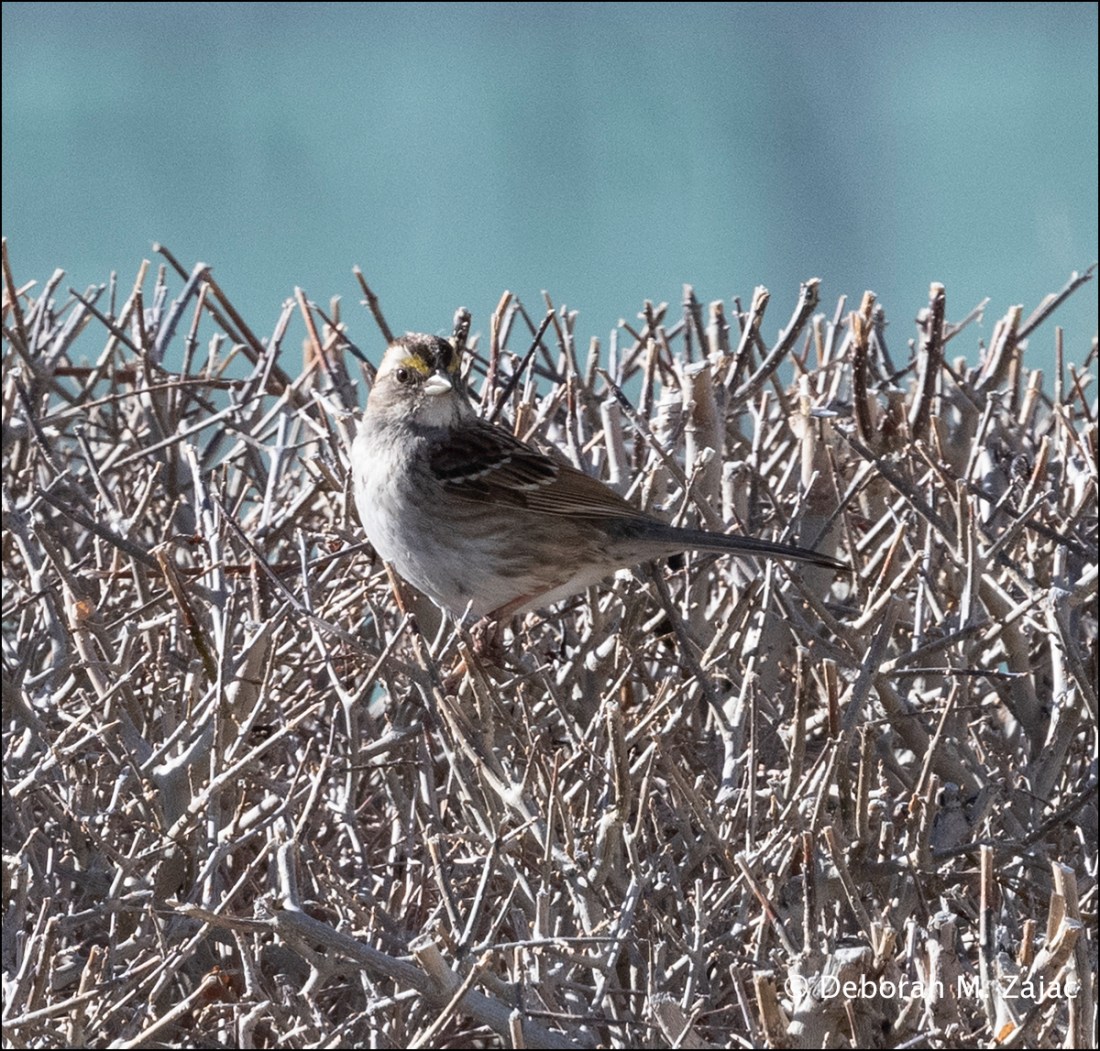
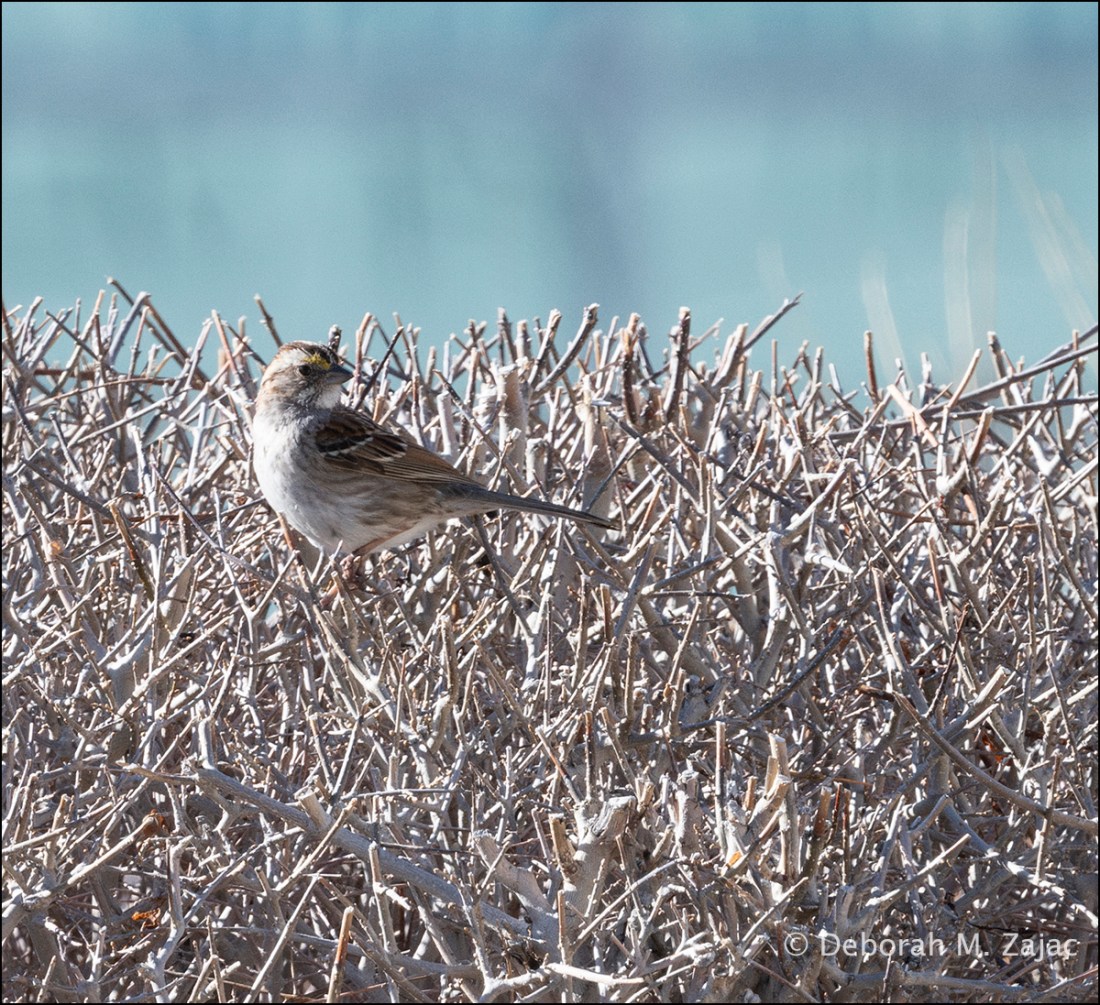
Back in late January or early February I heard there was a White-throated Sparrow up in Carson City. This is a rare bird for Nevada. The map doesn’t show it ever being here rare.
I’d never seen one before so I began the hunt for it. I only had a general location of where it was so I was covering a very large area and staying for hours photographing every sparrow and bird I saw.
I was unsuccessful 6 times over the course of about 6 weeks.
All the while this bird was being seen and reported by one guy almost every day while myself, and my neighbor were not seeing it! I can tell you it was frustrating! During this period there was another one seen, photographed, and reported on the birding site ebird.org up in Reno!
So, my neighbor and I went up and spent hours looking for it but, no joy there either. Sigh.
Then on a tip from a fellow birder who had seen it a week before in Carson City told me the which area I should try looking. I went back last week and hung around the area he suggested and got lucky! 💃💃😀The 7th times the charm!
The White-throated Sparrow comes in two color forms: white-crowned and tan-crowned. The two forms are genetically determined, and they persist because individuals almost always mate with a bird of the opposite morph. Males of both color types prefer females with white stripes, but both kinds of females prefer tan-striped males. White-striped birds are more aggressive than tan-striped ones, and white-striped females may be able to outcompete their tan-striped sisters for tan-striped males.
Although they look nothing alike and aren’t particularly closely related, the White-throated Sparrow and the Dark-eyed Junco occasionally mate and produce hybrids. The resulting offspring look like grayish, dully marked White-throated Sparrows with white outer tail feathers.
White-throated Sparrows typically nest on or near the ground. Occasional nests are built up to 15 feet off the ground in conifers. Usually, these nests are second attempts after a pair has had a ground nest robbed by a predator.
The oldest recorded White-throated Sparrow was at least 14 years, 11 months old, when it was recaptured and rereleased during banding operations in Alberta.
I have been birding a lot so have lots of birds to share in the coming weeks.
PLEASE DO NOT USE MY IMAGES WITHOUT EXPRESSED WRITTEN PERMISSION.
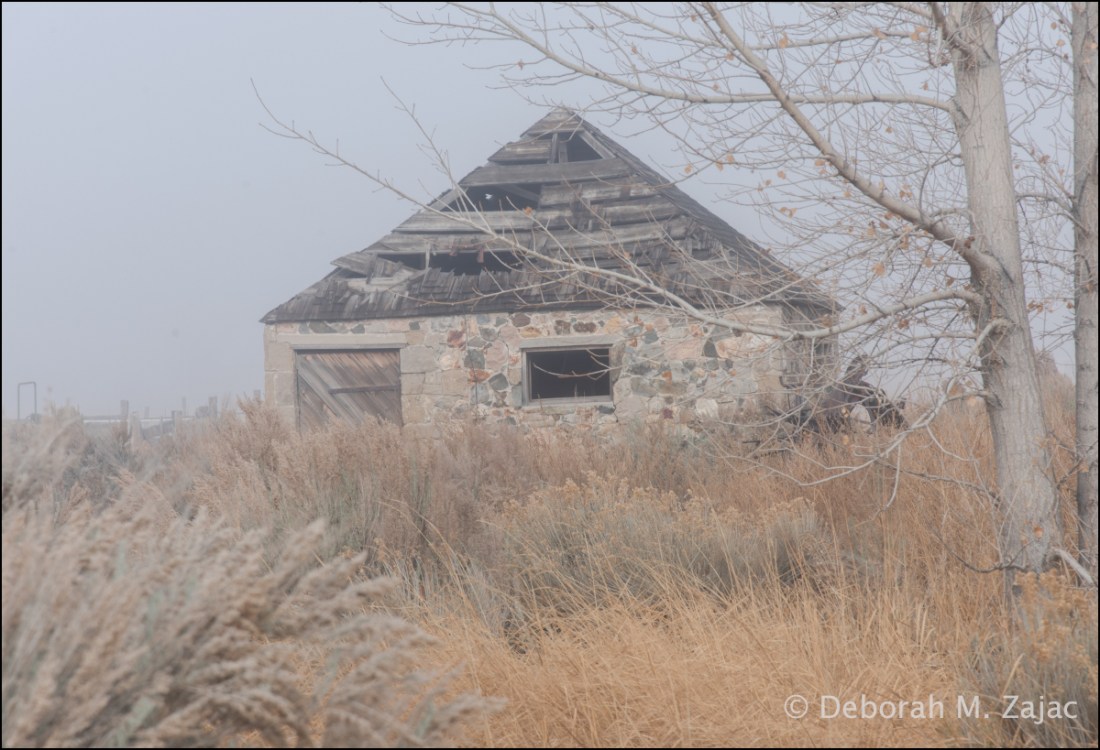
Rural Decay
The fog was starting to lift when I pulled over to photograph this little stone building.
This post is part of the Thursday Doors group hosted by Dan Antion over at No Facilities which you can click on to see other doors from around the world-here
PLEASE DO NOT USE MY IMAGES WITHOUT EXPRESSED WRITTEN PERMISSION.
Things are changin’, Ruddy is showing off his Blues and Ruddy feathers for Spring and hoping he’s got what it takes to persuade a cute little female Ruddy Duck to be his love for the season.
Ruddy Duck in Breeding Plumage
Fun Facts:
Ruddy Ducks lay big, white, pebbly-textured eggs—the largest of all duck eggs relative to body size. Energetically expensive to produce, the eggs hatch into well-developed ducklings that require only a short period of care.
The bright colors and odd behavior of male Ruddy Ducks drew attention from early naturalists, though they didn’t pull any punches. One 1926 account states, “Its intimate habits, its stupidity, its curious nesting customs and ludicrous courtship performance place it in a niche by itself…. Everything about this bird is interesting to the naturalist, but almost nothing about it is interesting to the sportsman.”
Pleistocene fossils of Ruddy Ducks, at least 11,000 years old, have been unearthed in Oregon, California, Virginia, Florida, and Illinois.
Ruddy Ducks are very aggressive toward each other and toward other species, especially during the breeding season. They are even known to chase rabbits feeding on the shore.
Though Ruddy Ducks are native to the Americas, one population became established in England after captive ducks escaped in 1952. This population grew to about 3,500 individuals by 1992, and now appears to be expanding into the Netherlands, France, Belgium, and Spain.
Ruddy Ducks get harassed by Horned Grebes, Pied-billed Grebes, and American Coots during the breeding season. The grebes sometimes attack Ruddy Ducks from below the water, a behavior known as “submarining.”
The oldest Ruddy Duck on record was a male and at least 13 years, 7 months old when he was found in Oregon in 1964. He was banded in British Columbia in 1951.
PLEASE DO NOT USE MY IMAGES WITHOUT EXPRESSED WRITTEN PERMISSION.
Last week while birding I saw so many Cedar Waxwings at 2 places I visited. There were about 120 in all! At one of the places they were gorging on ripe, plump red berries.
I was doing my happy dance to see that!
“I think this one looks yummy”Gulp!
It was a great birdy day.
Fun Facts:
The name “waxwing” comes from the waxy red secretions found on the tips of the secondaries of some birds. The exact function of these tips is not known, but they may help attract mates.
Cedar Waxwings with orange instead of yellow tail tips began appearing in the northeastern U.S. and southeastern Canada in the 1960s. The orange color is the result of a red pigment picked up from the berries of an introduced species of honeysuckle. If a waxwing eats enough of the berries while it is growing a tail feather, the tip of the feather will be orange.
The Cedar Waxwing is one of the few North American birds that specializes in eating fruit. It can survive on fruit alone for several months. Brown-headed Cowbirds that are raised in Cedar Waxwing nests typically don’t survive, in part because the cowbird chicks can’t develop on such a high-fruit diet.
Many birds that eat a lot of fruit separate out the seeds and regurgitate them, but the Cedar Waxwing lets them pass right through. Scientists have used this trait to estimate how fast waxwings can digest fruits.
Because they eat so much fruit, Cedar Waxwings occasionally become intoxicated or even die when they run across overripe berries that have started to ferment and produce alcohol.
Building a nest takes a female Cedar Waxwing 5 to 6 days and may require more than 2,500 individual trips to the nest. They occasionally save time by taking nest materials from other birds’ nests, including nests of Eastern Kingbirds, Yellow-throated Vireos, orioles, robins, and Yellow Warblers.
The oldest recorded Cedar Waxwing was a male and at least 7 years, 1 month old when he was recaptured and rereleased during banding operations in Maryland in 2014. He was originally banded in the same state in 2008.
It’s snowing as I type this but, supposed to be sunny but cold on Saturday. I hope to go out birding for a bit if that forecast holds. I hope you all have a grand week-end!
You must be logged in to post a comment.