Annular Solar Eclipse May 20, 2012

Copyright © 2012 Deborah M. Zajac. All Rights Reserved.
Several friends and I went to the Nevada desert to view and photograph the Annular Solar Eclipse from the centerline.
After weeks of calculations to determine the best spot to be on the centerline, and be doable in a day we had a couple of choices and nailed down our final choice Sat. Thanks to Rico’s, Phil’s, and Andy’s awesome calculations we were spot on the centerline.
As the afternoon wore on more photographers, and Eclipse viewers gathered around us to view the celestial show. One guy hiked up with a huge telescope. Kids big and small liked looking though that.

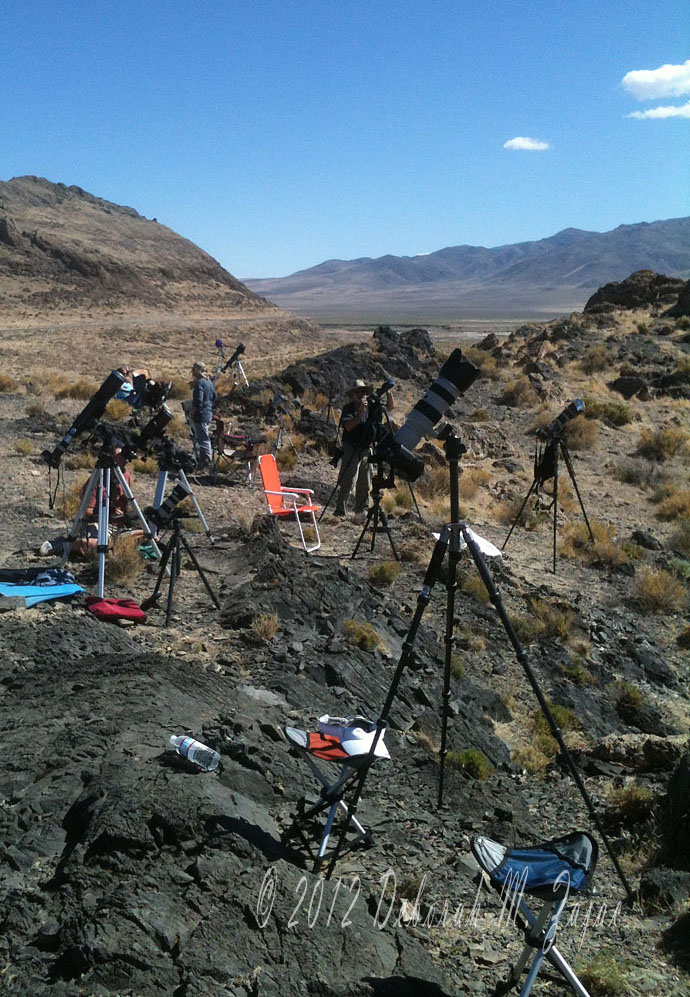
Here’s where we were based. That guy down there with the hat is setting up his Spotting Scope. There were cameras, lenses, and telescopes of all sizes. Some folks came out just to view it.
Wearing the right eye gear!


It was work for me. I don’t own a motorized tracker so I had to manually track the sun, making adjustments every 1-2 minutes for the entire 2.5 hours of the Eclipse.
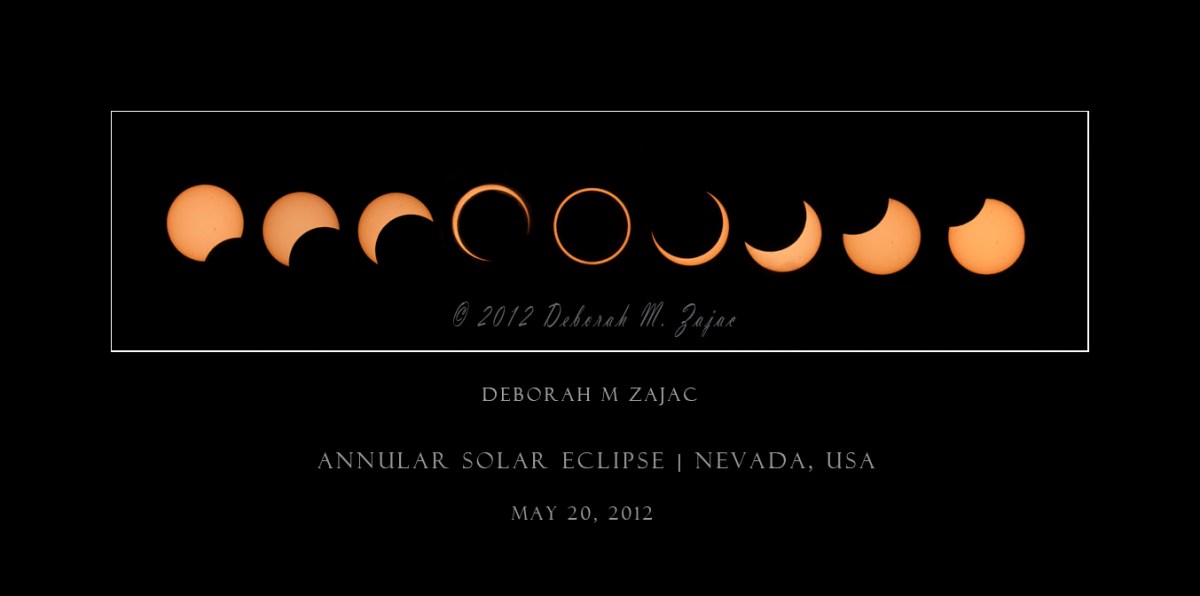
It was worth the effort.  This is also the first time I’ve photographed an Eclipse from start to finish then process the phases in Photoshop. It may be a bit uneven…forgive me! I couldn’t get my guides to work in my workspace so I eyeballed it.  I am pleased I was able to do this at all. I need to give a shout out to PJ for reminding that copy/paste works to do a step I needed too. Thank you!

Looking at my Poster are the phases of the Eclipse. Starting on the left is the beginning of the Eclipse with the “Ring of Fire” in the middle followed by the final pass of the Moon as it made its way across the sun. If you look close you can see the Sun Spots! It was the neatest thing to see from start to finish.

Our little group setting up and getting ready to shoot the Eclipse. I’m off to the right in the hat.  Although that man behind me wasn’t part of our group. He was a spectator who said he’s traveled all over to view Eclipses.  Thank you Rico for the Photo!

And to my traveling and planning companions THANK YOU, Anne, Dali, Phil, Steven, Andy, and Rico for a great day!

Nikon D300s| Nikkor 80-200mm + Tamron 1.4x TC| Manual Priority| Tripod| various shutter speeds, ISO 400| f11

more to come…

They dance!

Copyright © 2012 Deborah M. Zajac. All Rights Reserved.

I’ve been a bit  behind working on my photographs from my trip to Oregon to see Clark and Western Grebes do their Spring mating courtship and Dance. I’ve still not transferred my files from my laptop to my PC where I do my processing and editing, but I have finally finished some.

By the last morning of our trip I still had not taken any photographs of the Grebes dancing that I liked. I had nearly given up hope of getting any really good photos as they tend to be very shy; keeping themselves pretty far from shore which really tested the limits of my focal range of 300mm + a 2x Teleconverter which gave me an effective range of 600mm. It wasn’t far enough!

We decided to go back once more before leaving for home. After spending 2 mornings on the pond we learned they’re awake and most active beginning about 8AM and settling down by 10AM, so arriving just before 8AM we set up in our favorites spots and waited for them wake up. About half past 8AM this is what I saw and captured with my camera…

The Visual Connection


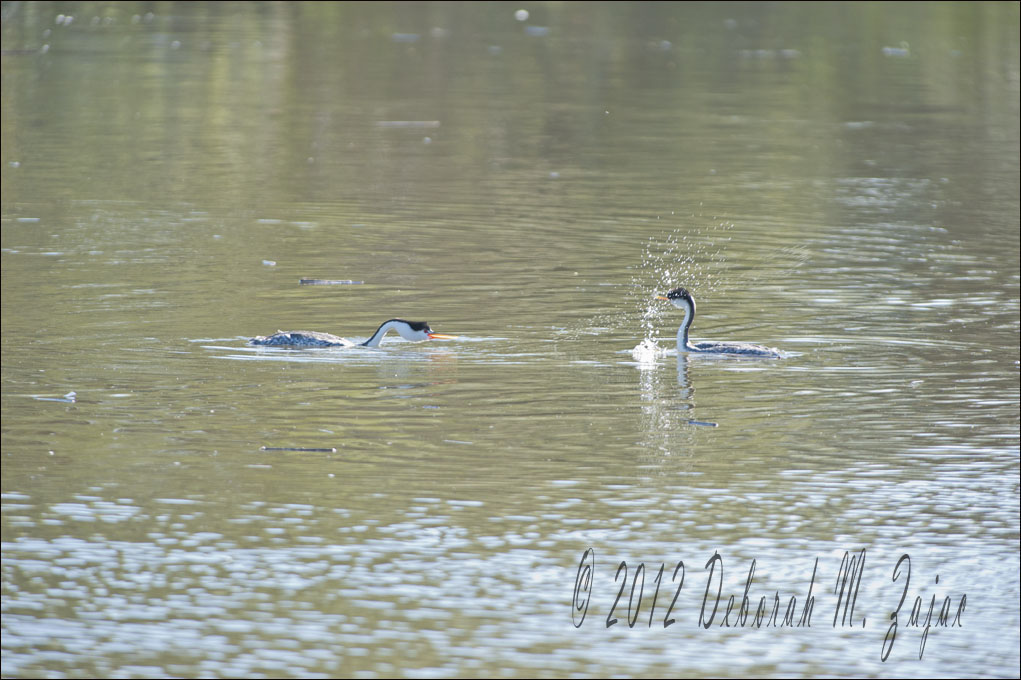
After a quick sizing up one after the other dipped their heads in the water and then flung the water off!

I feel the tension rising as both were totally oblivious to anyone or anything around them. They only saw each other as they flung the water over and over again. This went on for a full minute!

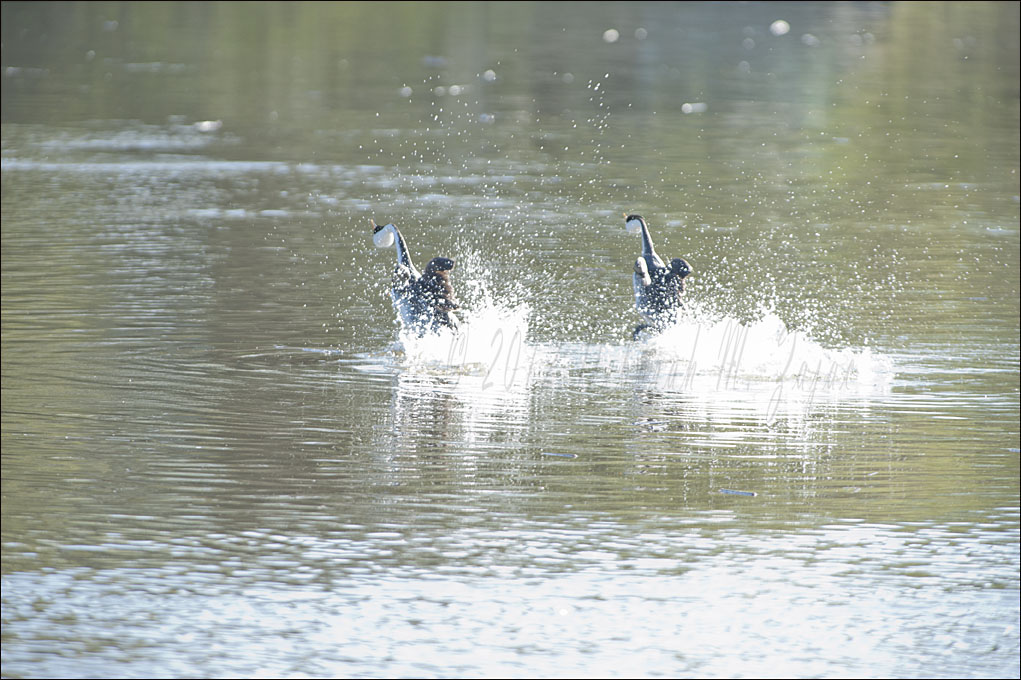
and suddenly they were up gliding across the water in perfect synchronization!

The sound of the beating water was the only sound I heard. It was marvelous, and thrilling to watch. I feel very blessed to have seen it, and to have shared the experience with good friends.

Nikon D700| Nikkor 300mmVRII + 20eIII TC =600mm| Tripod| Wimberley Sidekick

Sun May 17, 2012

Copyright © 2012 Deborah M. Zajac. All Rights Reserved.

Still practicing for the upcoming Annular Solar Eclipse.

I’m working on getting the exposure right using Live View, and reading lots and lots of articles written by other photographers about how to go about photographing it.

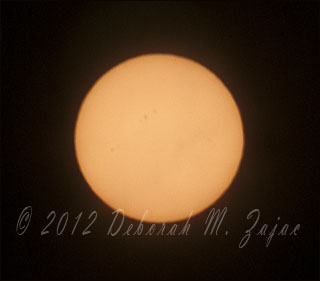
This is a bit blurry you’ll notice. I think this is due to all the atmosphere between me and the sun;wind, dust, clouds, etc. This morning we have clouds in the sky.

Here’s an article I liked that has  handy settings charts for a good starting base. Here’s my friend Steven’s advice on Solar Filters. Don’t try to watch or photograph this event without proper protection for your eyes and camera! I use this Solar Filter.

I’ll be driving with friends 4-5hours away from home to view this event. Will you be traveling to view the Annular Solar Eclipse?

Nikon D300s| Nikkor 80-200@200mm+ Tamron 1.4x TC=420mm|f11| 1/200s| ISO 200| Manual Priority| Tripod| Orion Solar Filter


In medias res

Copyright © 2012 Deborah M. Zajac. All Rights Reserved.

I’ve just returned from  Oregon. I was on a birding expedition with some friends who are also photographers. We spent a couple of days in the Klamath Basin looking  for Clark and/or Western Grebes doing their Spring mating ceremony and dance or what the Scientist call “rushing”. We were successful finding them as well as several other birds; some familiar and others new, and it was neat to see many birds I know and see only when they Winter near me in and the Pacific Flyway in their Spring Breeding plumage.

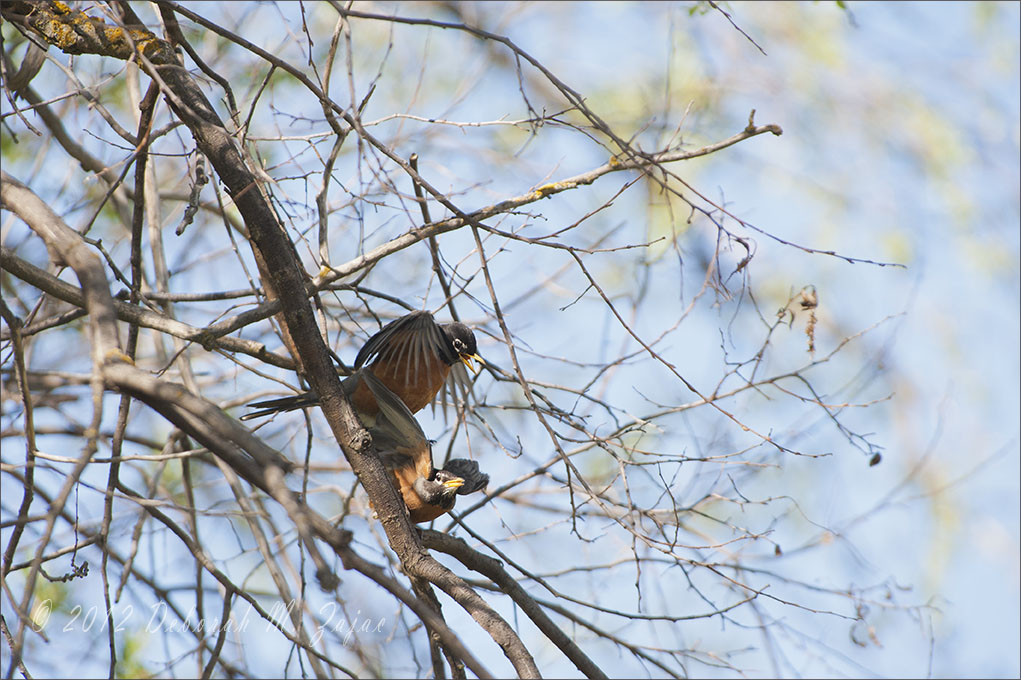
Yesterday morning I was following this male Robin around trying to take his photo when he caught up with the female and I happened to press the shutter catching them “in medias res”.

Nikon D700| Nikkor 300mm f2.8 + 20eIII TC =600mm| f8| 1/1600s| ISO1600|Manual Priority|
Tripod| American Robin

Working out the kinks

Working out the kinks by dmzajac2004 at Garmin Connect – Details.

I needed to get up and move so went over  to the hills nearby and hiked all 3 Peaks today.

Click on the link above for my hiking stats and a map of my route.

Here are a few photos I took along the route.  I didn’t take my big camera today. No, instead I went armed only with an iPhone. I did miss my big camera when a Hawk came soaring over my head.

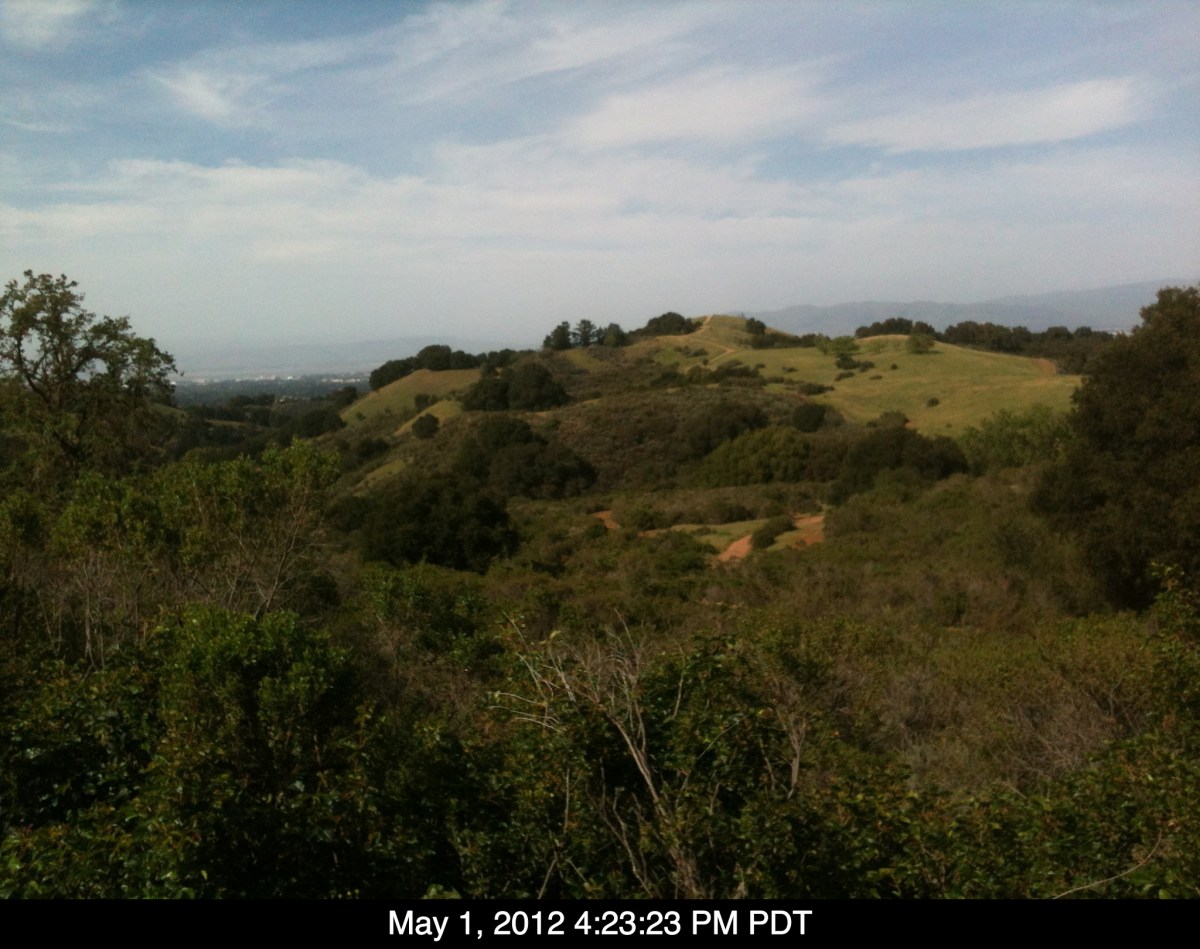
The hike was lovely. The hills around my valley are still green and lush. The peak across the valley with the trail leading to the top is Hunter’s Point. I hiked up to it last today.

Copyright © 2012 Deborah M. Zajac. All Rights Reserved

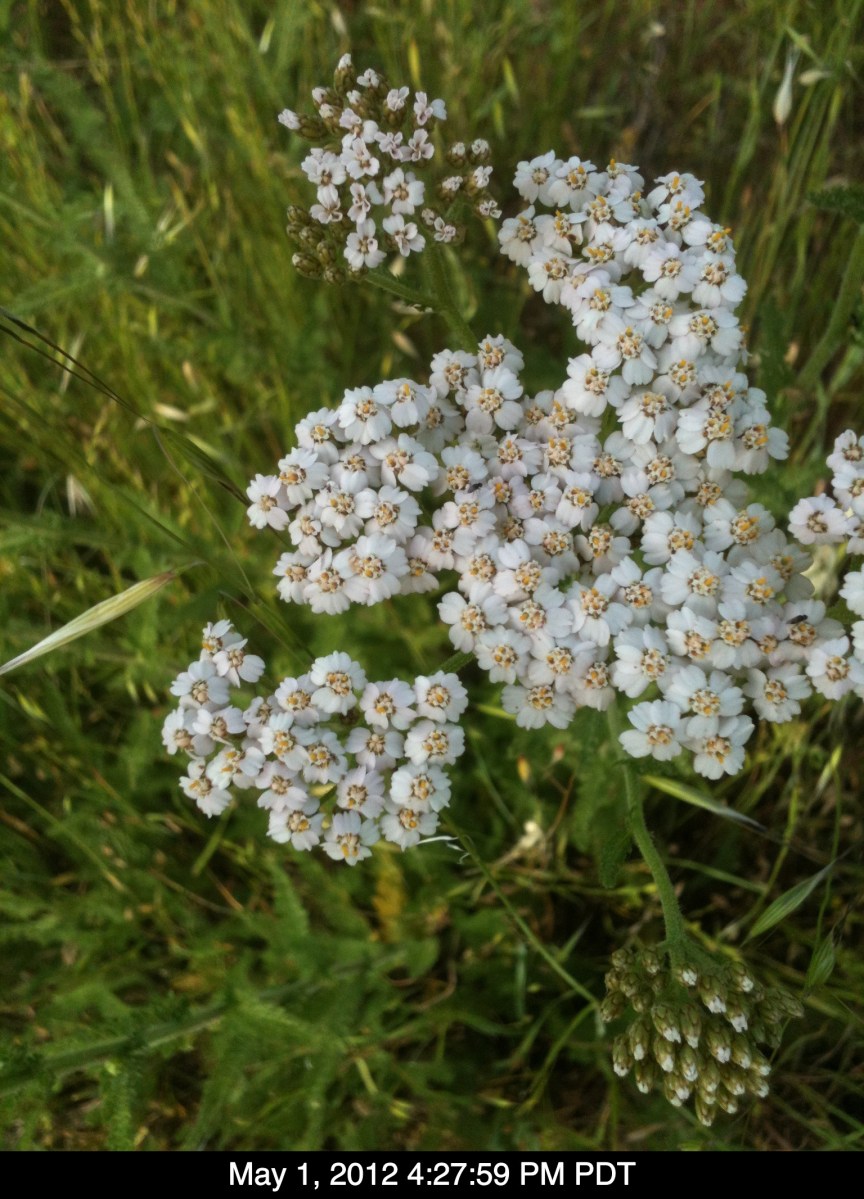
There were quite a few wildflowers in bloom throughout the park like this Yarrow. There were oodles of Monkey Flower,  and there was clover, Nightshade, Lupine, and oh so many Crimson Columbine! I’ve never seen so many before. I

took 3 photos and all came out blurry. It was breezy. I hope to get back again before it’s all faded. On the back slopes of Hunter’s Point there were a few Poppies, and lot’s of Spring Vetch. It’s a good time to go looking for wildflowers.

Copyright © 2012 Deborah M. Zajac. All Rights Reserved.

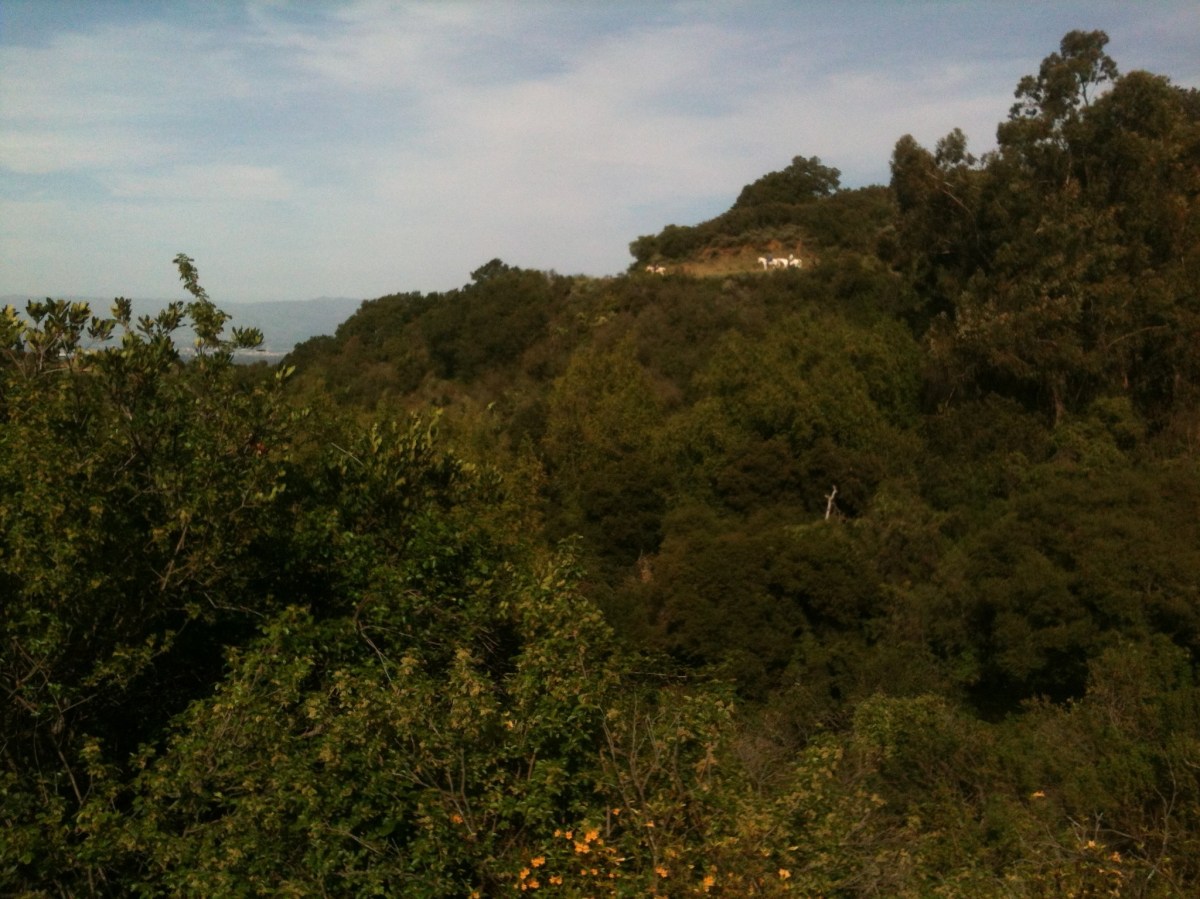
There were young girls on horseback talking with their trainer about upcoming competitions, and the sound of the horses hooves clip-clop was lovely. One horse even said “hello” to me.

Copyright © 2012 Deborah M. Zajac. All Rights Reserved

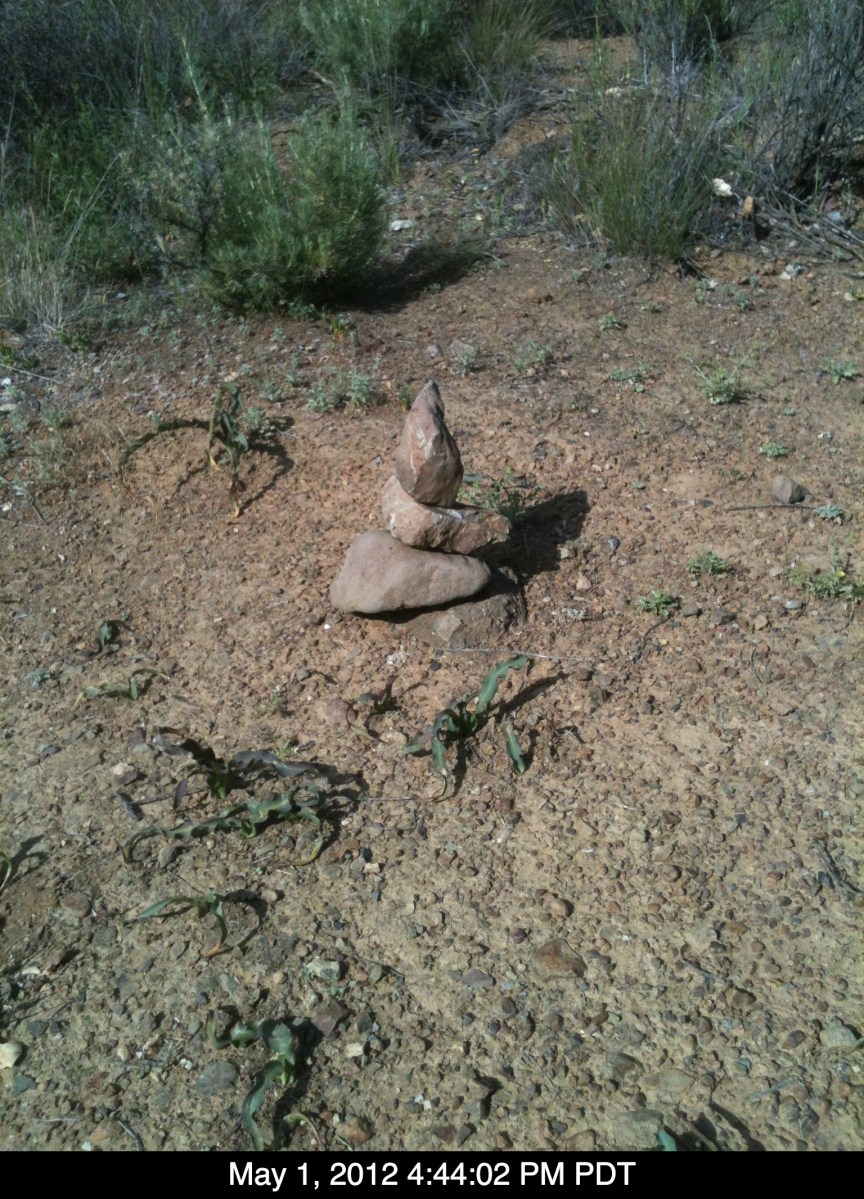
Little Cairns dotted the trails to let me know someone had been this way before…

Copyright © 2012 Deborah M. Zajac. All Rights Reserved.

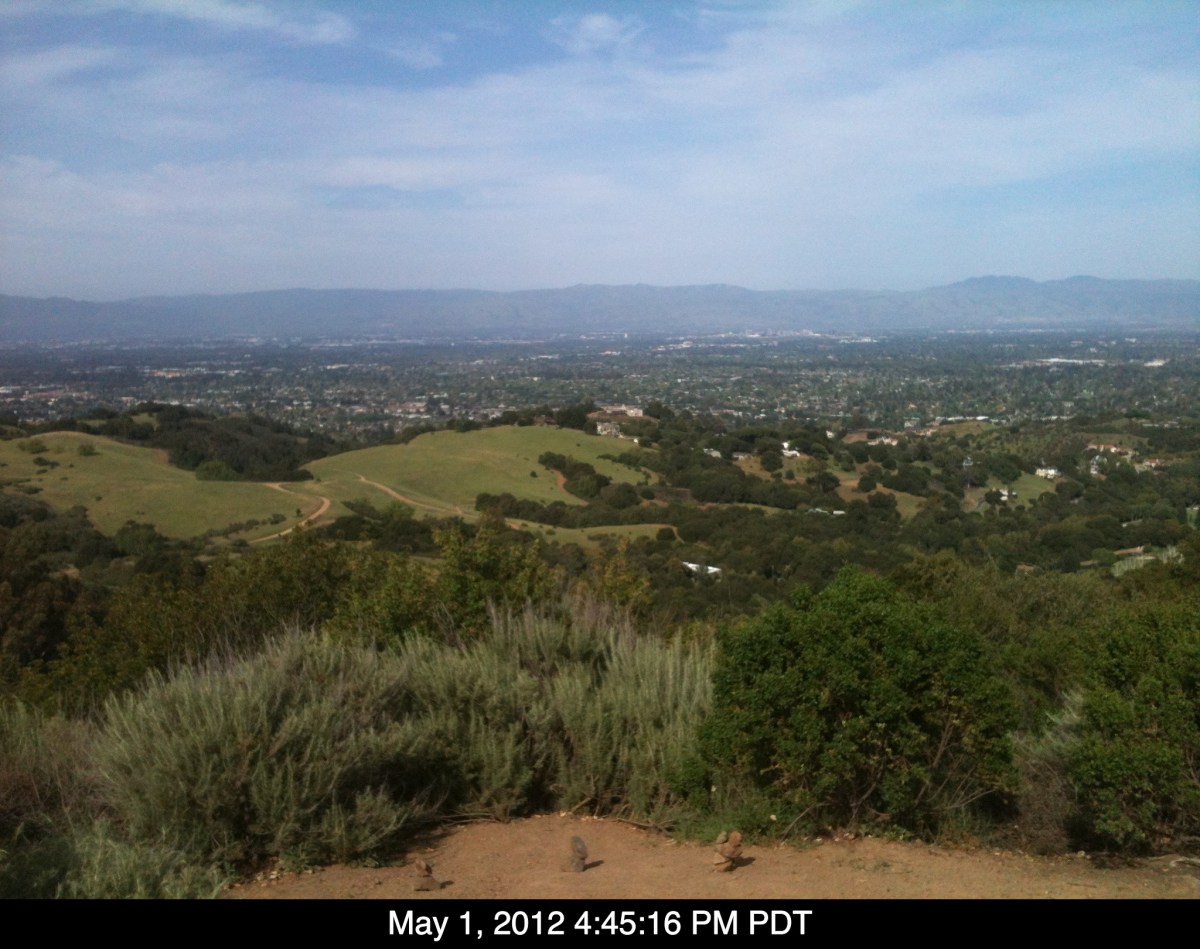
…and lastly the view from Maisie’s Peak looking east across Santa Clara Valley to the Diablo Range beyond it.

Copyright © 2012 Deborah M. Zajac. All Rights Reserved

A good 4.80 mile hike this afternoon.

No editing was done to these photos and they are all hand-held. I need to practice with more I think.

Spring, Nature,and the Great Egret

Copyright © 2012 Deborah M. Zajac. All Rights Reserved.

I spent a morning last week in Santa Rosa watching Egrets, and Herons, building nests, tending nests, and trying to attract a mate at a Rookery right in the middle of a suburban neighborhood. Mothers walked their children to school right under them, and traffic flowed on both sides of the street, and the Egrets and Herons were largely oblivious to all but themselves. Great Egrets nest in colonies so there are many, many birds in the trees.

The city is trying to give them some space so they blocked off one lane on each side of the street for a block or so sparing passing cars from being pelted with falling debris, and guano. The street under the Eucalyptus trees they’re nesting in is messy.

In the past when I’ve watch a Great Egret they’ve been very still, quite, and focused on hunting their prey, or I’ve startled them and they’ve flown away. That wasn’t the case on this morning though. The activity scarcely stopped.

Neither did the noise. In breeding season there is quite a lot of squawking, and screeching, and talking. In fact I found them very funny, and amusing.  I laughed out loud many times listening to them.

There were many sorties by the male to gather just the right branch to  build and strengthen the nest.  He will seriously work on attracting a mate once this task is complete. The female lays 4-5 pale blue eggs which take 3-4 weeks to incubate. Both the male and female parents incubate the eggs, and feed the chicks.

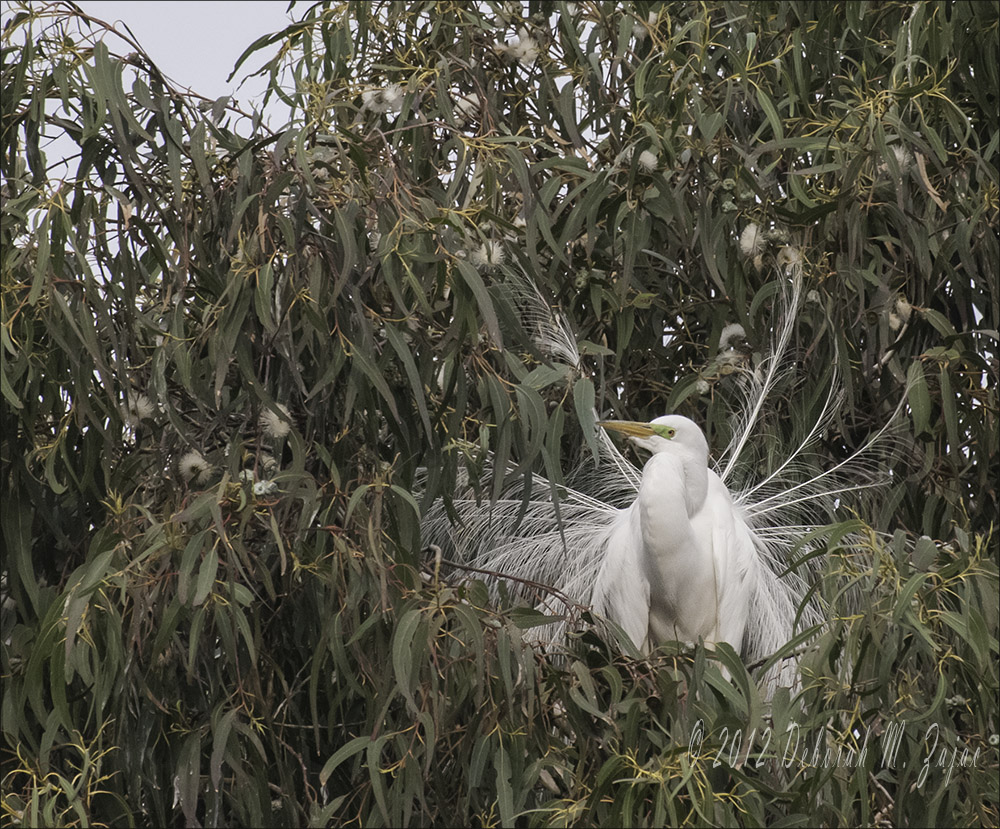
During the breeding season the  male Great Egret grows long tail feathers which he  raises and spreads out . I’ve read their plumes were once prized for making ladies hats and they were nearly hunted to extinction.

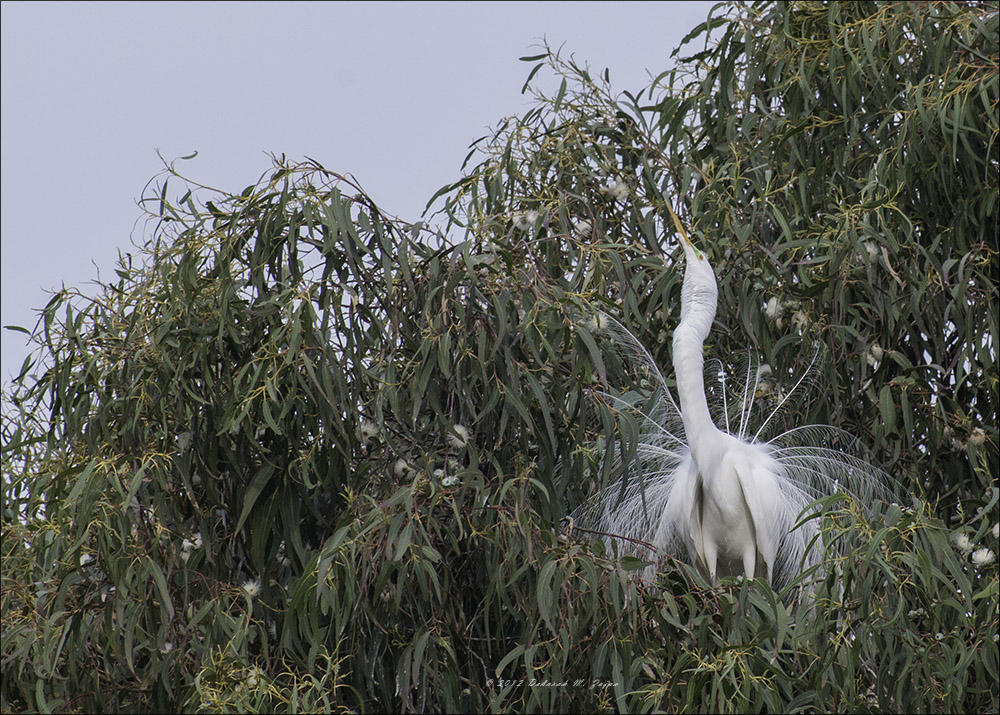
…and he undulates his long neck, and lifts his head toward the sky to try to attract a mate.

It was a wonderful experience observing this behavior up close, and I have more photos to share in the coming days of  Great Egrets, Cattle Egrets, and Night Herons.

Nikon D300s| Nikkor 70-300mm VR