PLEASE DO NOT USE MY IMAGES WITHOUT EXPRESSED WRITTEN PERMISSION.
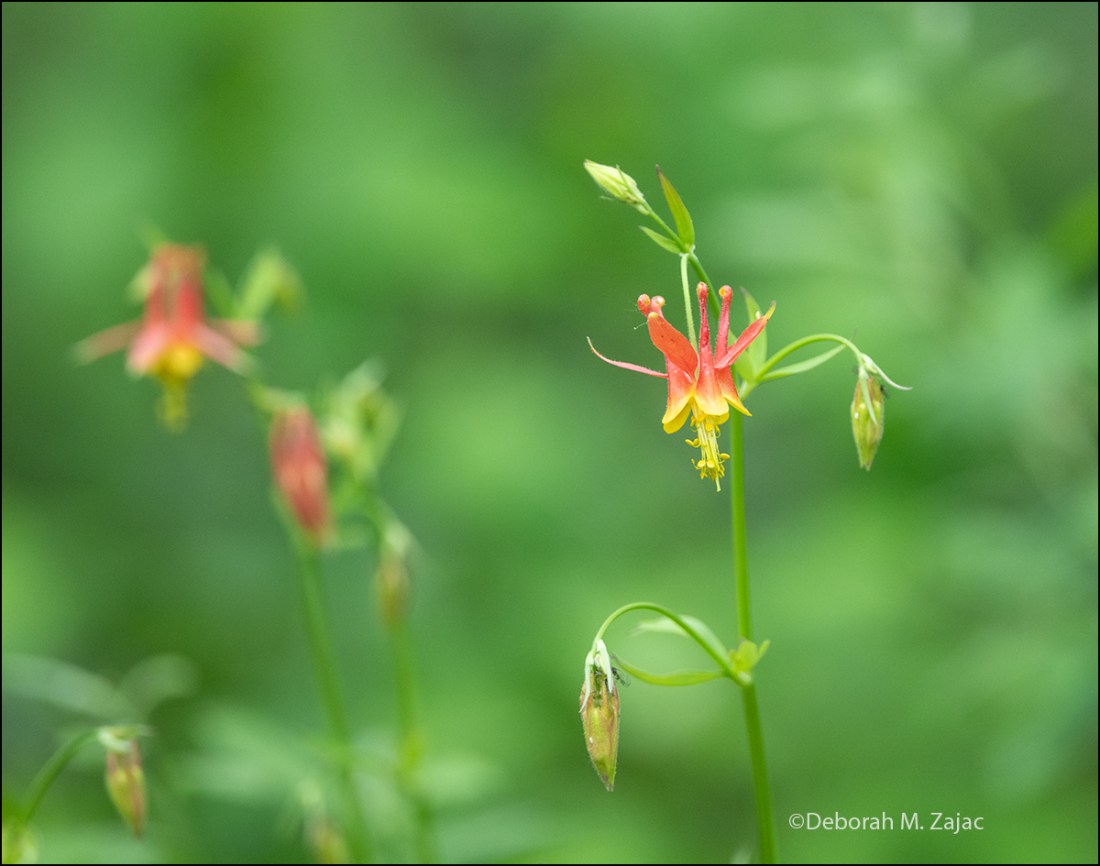
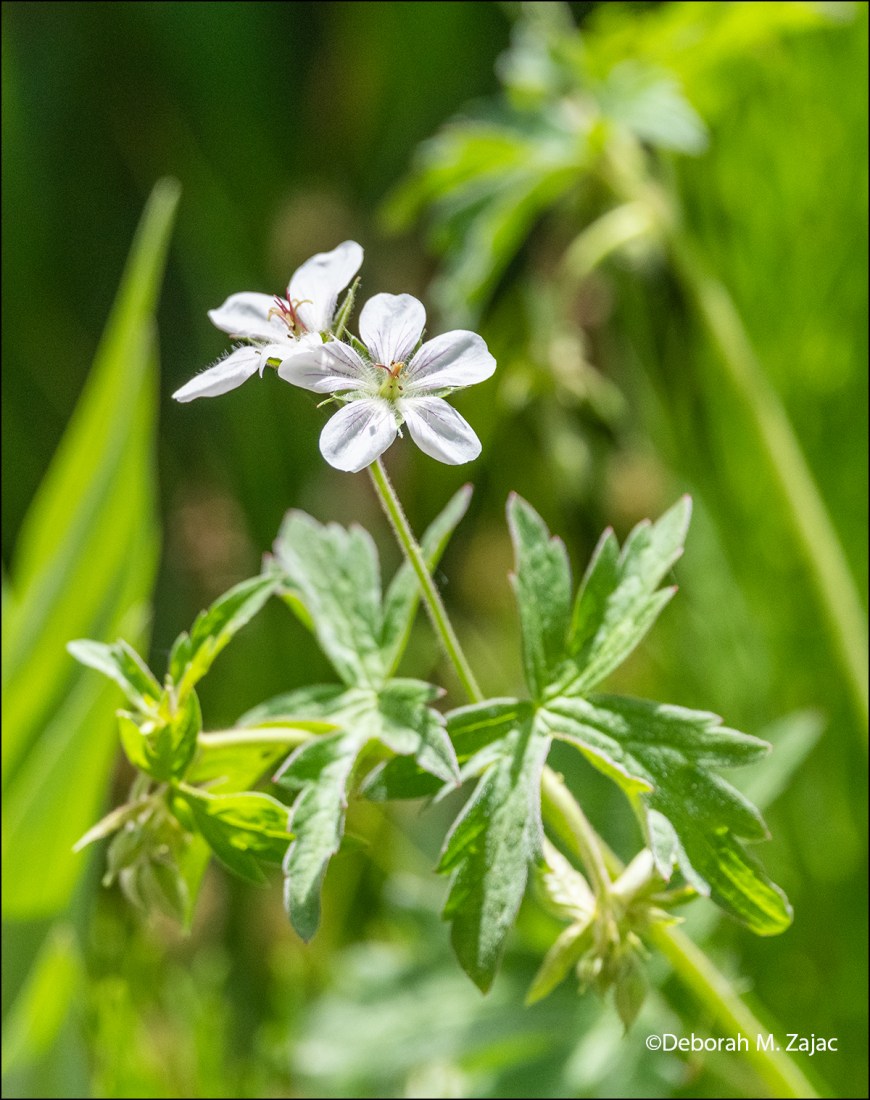
Spring was bloom in the high desert and I saw some lovely wildflowers while I was camping and out birding. Here are three.
Red Columbine
False Lily of the Valley
Richardson’s Geranium
+1 I think this is a Great Spangled Fritillary. Please let me know if I’m wrong!
I hope your week is going well, and you aren’t being overheated with really warm temperatures this week. By the week-end our temperature which has been on the cooler side for days are going to start climbing again and by Friday we’re supposed to be hitting the 90’s F.
I hope to be out on the lake having a paddle with He-Man this morning…fingers crossed the wind isn’t blowing! If I’m late getting to your blogs and comments this morning you know why. 😊🛶
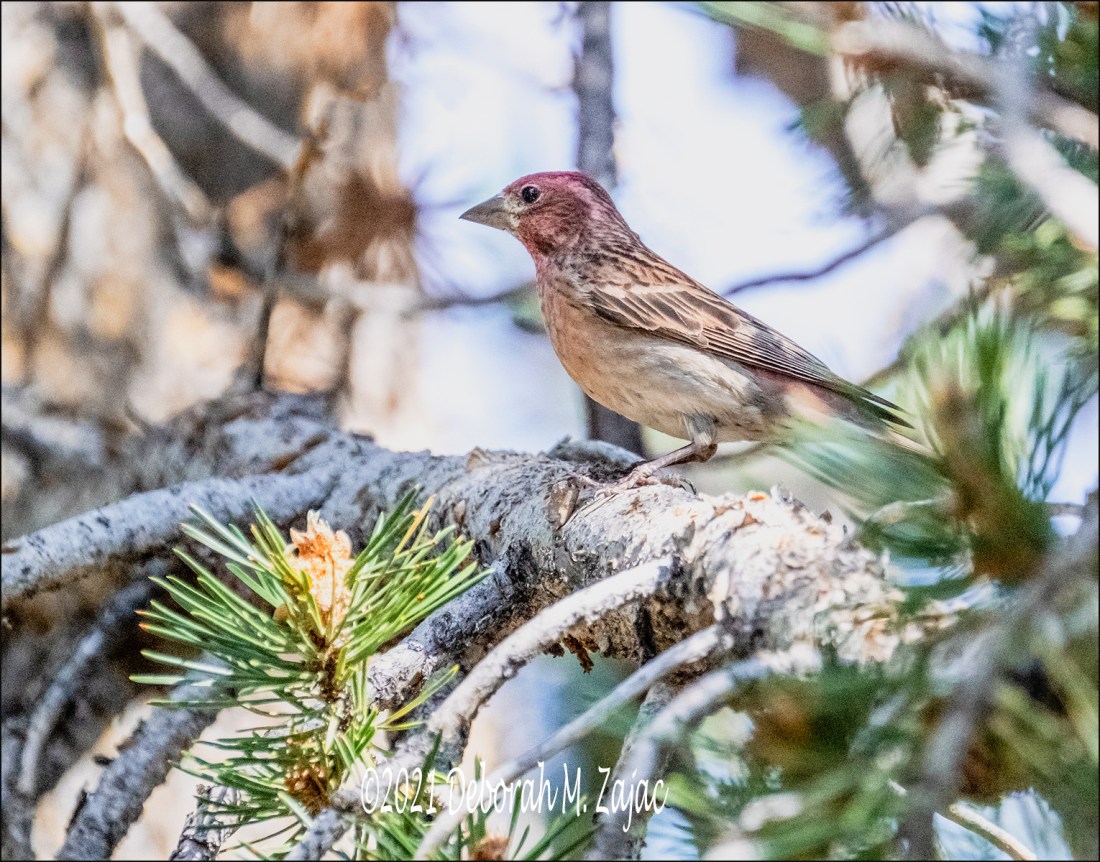
The Cassin’s Finch was first collected on an 1850s expedition to the southwestern mountains by the Pacific Railroad Survey. The eminent ornithologist John Cassin, who created illustrations for the survey, called the pink-tinged finch the “greatest bird in the lot.” Cassin asked his friend and colleague Spencer Baird to name the new species after him.
Male Cassin’s Finches have red crown feathers thanks to carotenoid pigments, which they acquire when they swallow colorful foods like the orange berries of firethorn plants.
Male Cassin’s Finches remain brownish and look like females during their first breeding season. During this time they sing, and this may give the false impression that both sexes sing. These young males may group into “bachelor flocks” during that first breeding season.
The Cassin’s Finch is an accomplished mimic, often adding the calls of other species into its own songs.
The Cassin’s Finch breeds semicolonially, with nests on average 80 feet apart. Nests are sometimes as close as 3 feet apart—this usually causes a fight between males until one of the pair gives up. If the first nest is substantially earlier than the other, however, such close nesting may be tolerated.
The Cassin’s Finch craves salt, and is often found visiting mineral deposits on the ground.
The oldest recorded Cassin’s Finch was a male, and at least seven years old when he was recaptured and released during banding operations in Oregon in 1979. He had been banded in the same state in 1974. ~ allaboutbirds.com
We’re still dealing with a lot of smoke from the two biggest fires in California.
As I type this on Thursday our AQI is bad, but not as awful as it was on Monday when we flew into Reno on our way home from visiting Big Baby Boy, and the Dark Haired Beauty. Monday the AQI was a whopping 398!
I saw the pilots on the way out of the plane and said, “I sure am glad you were able to see to land, because I couldn’t see a thing!” One of the pilots replied, ” We had one eye opened and hoped for the best.” 🤣😜
I’m glad it was the good eye!
He-Man said he was thinking about the scene in the movie Airplane. Flying on instruments LOL!!





 Circadianreflections Blog
You must be logged in to post a comment.