Copyright © 2017 Deborah M. Zajac. ALL RIGHTS RESERVED
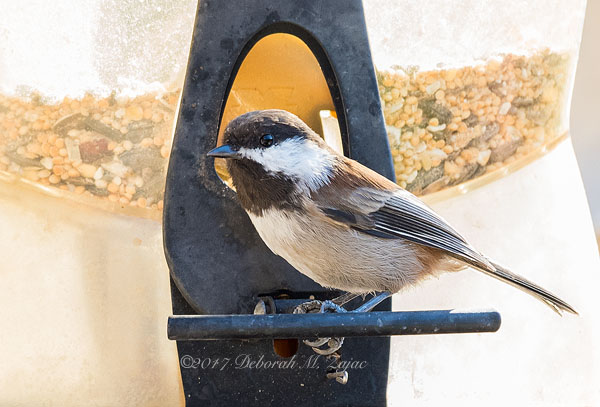
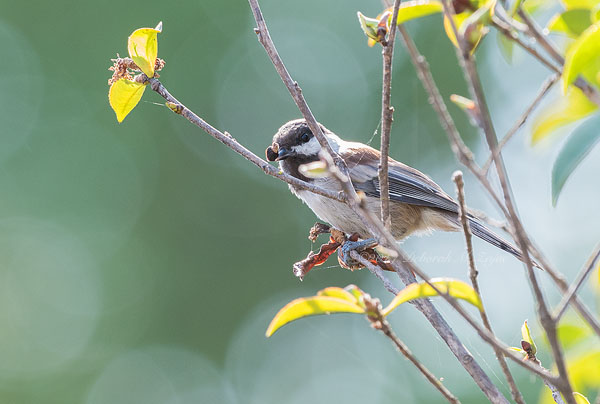
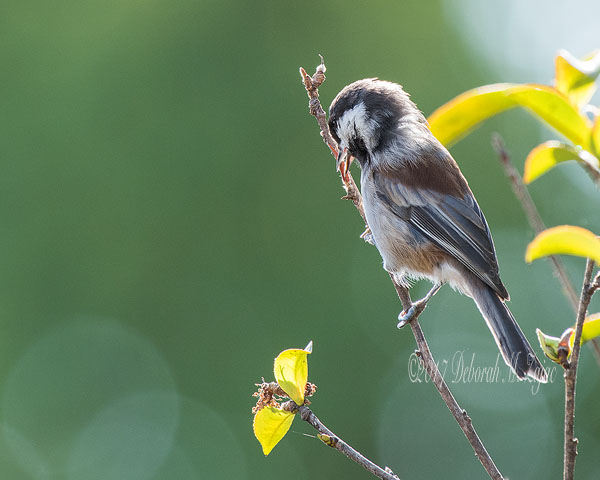
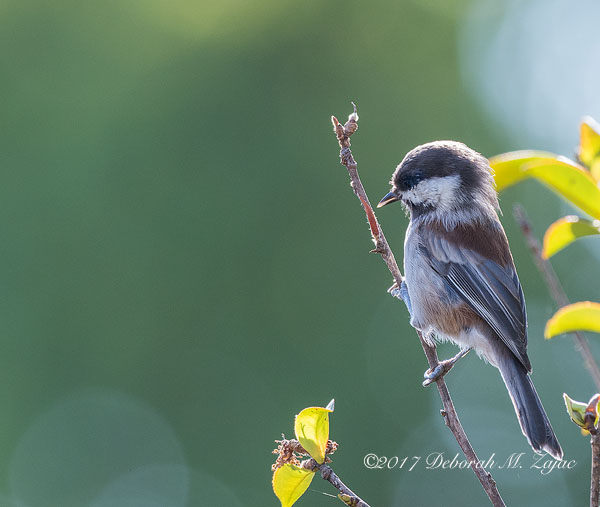
Nikon D810| Nikkor 200-500mm @500mm| SanDisk Digital Film| PS CC 2017
more to come…
“A good snapshot keeps a moment from running away.” ― Eudora Welty
Copyright © 2017 Deborah M. Zajac. ALL RIGHTS RESERVED
Nikon D810| Nikkor 200-500mm @500mm| SanDisk Digital Film| PS CC 2017
more to come…
Copyright © 2017 Deborah M. Zajac. ALL RIGHTS RESERVED
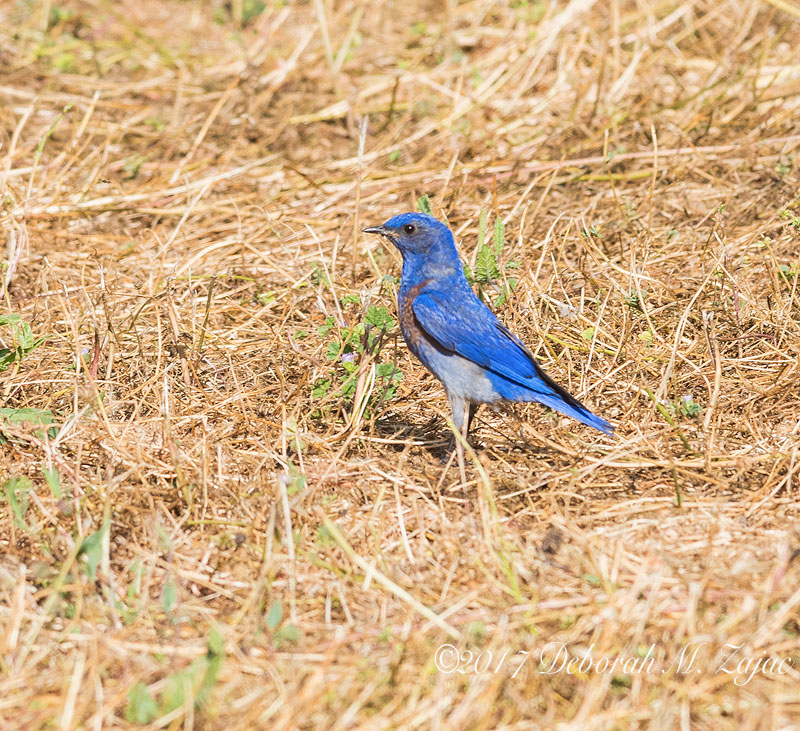


Nikon D700| Nikkor 300mm| Lexar Digital Film| PS CC2017
more to come…
Copyright ©2017 Deborah M. Zajac. ALL RIGHTS RESERVED
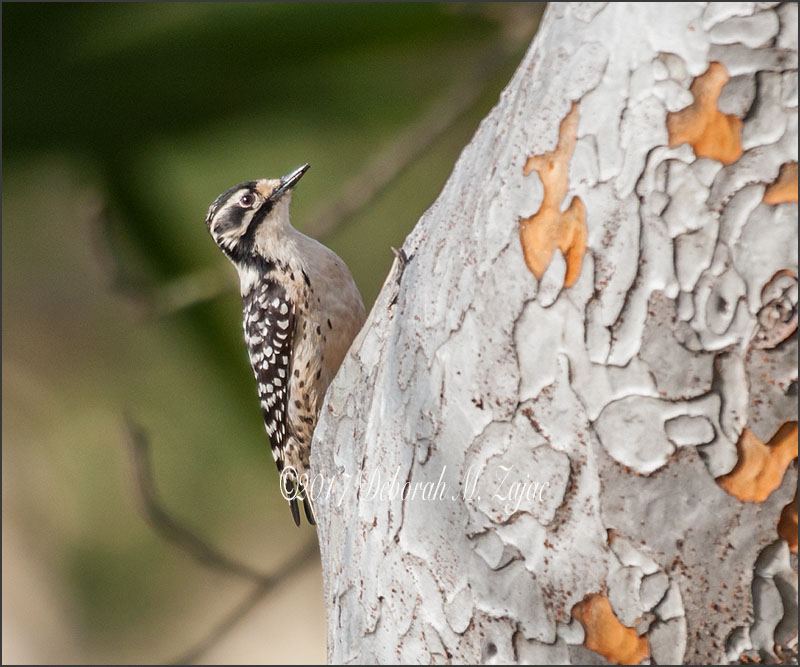
Nikon D700| Nikkor 200-500mm @460mm| f/5.6| ISO800| 1/1600s| Hoodman Digital Film|PS CC 2017
more to come…
Copyright ©2017 Deborah M. Zajac. ALL RIGHTS RESERVED
I received my long lens back from service and couldn’t wait to get out and try it, but I got that bug so, didn’t go out to try it until yesterday (Sun. June 18th). I headed over to Milpitas to see if the American Bald Eagle Fledgling was out of the nest testing its wings. I arrived just before 7 A.M. I didn’t have to wait long before it started flapping its wings and hopping onto a branch outside the nest.
It sat on the branch surveying the land for a bit then turned around and did a hop/fly combo back to the nest where it tucked itself down out of sight. It remained out of sight for over an hour. As we waited the morning got hotter, and hotter. When I left just before noon, hot, sweaty, and very thirsty it was 96º degrees Fahrenheit. The high hit a record breaking 103º F! That broke the 1945 record of 99º F.
Myself and several other photographers, and birders were patiently waiting for one or both of the parents to return with food, and of course we wanted the Fledgling to come up out of the nest again, but quite a few people left as it began getting hot and there wasn’t anything to see.
Finally, the young Eagle got restless and called its parents to no avail then it began to jump and flap its wings again. It jumped way up and flew to the branch! It stayed there awhile pecking at the branch and looking around then suddenly it made a leap of faith into space and FLEW!!! Its maiden flight! A Fledgling at last!
Oh, I wish you were there to see it, to feel our anxiety and hope for success, and hear our joyous cries of delight when the young Eaglet made that leap of faith and flew to a neighboring tree!
There are quite a few images today, and the story doesn’t end here! Because there are so many images I’ll share the rest of the story another day. I hope you enjoy these first images of the young Eagle’s Maiden Flight.
Popping up to check out what’s happening…

Lemme test out my take off, and wing position. I wonder…

Ha! I’m outside of the nest! Okay, I think I can, I think I can, I think I can.

Ready. Set.
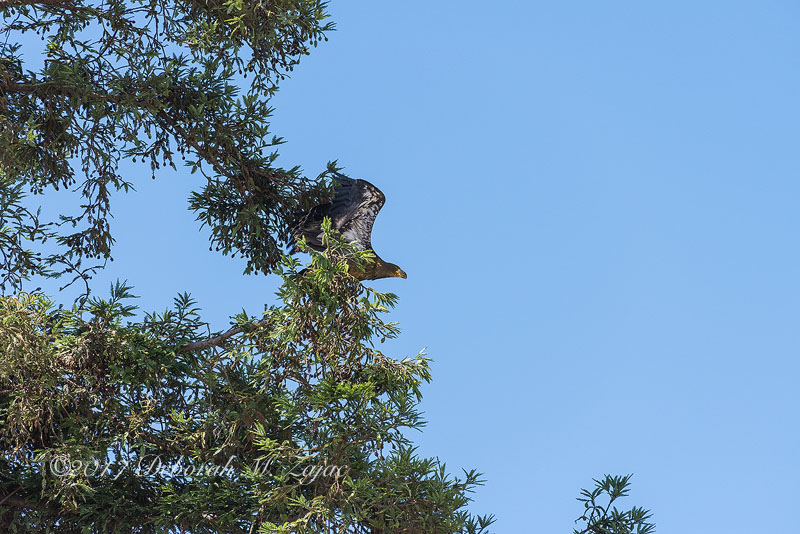
GO!
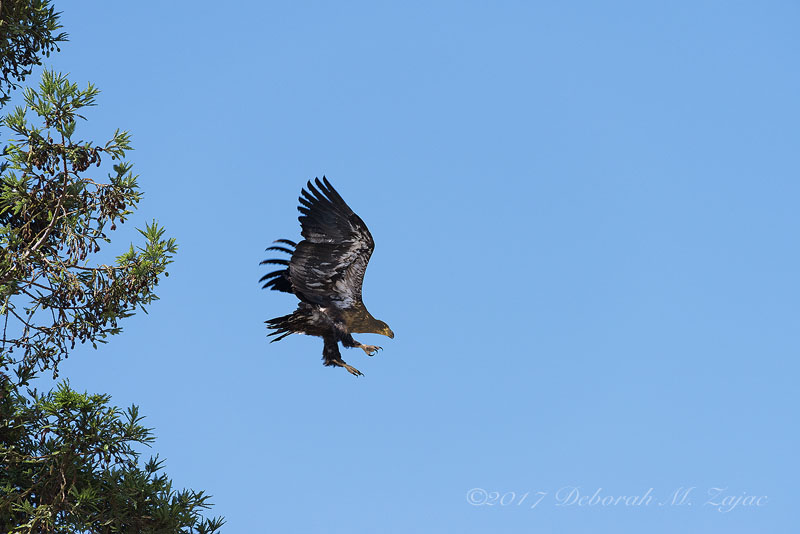
Okay, wings start flapping already!!
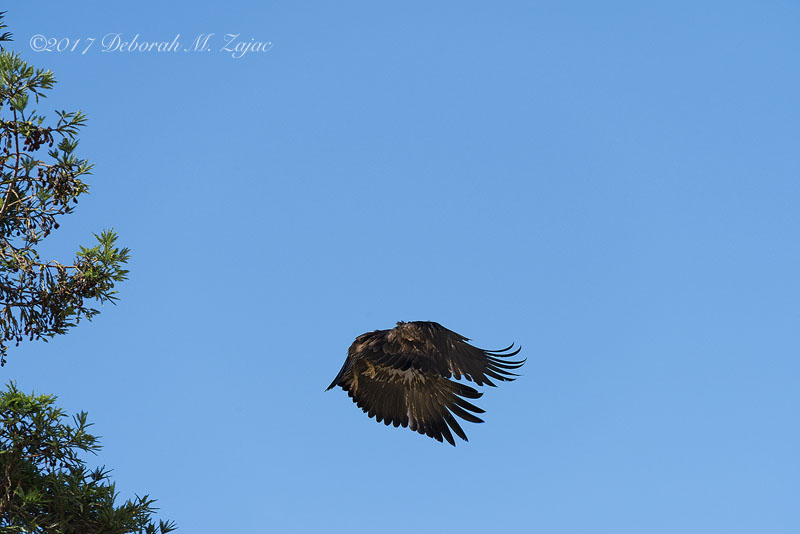
Oh, nearly there I can make it! Talons ready, tail in position…wings open…

Ta Da!!! I made it, I made it! Where’s Mom? Now, how do I get back to the nest?
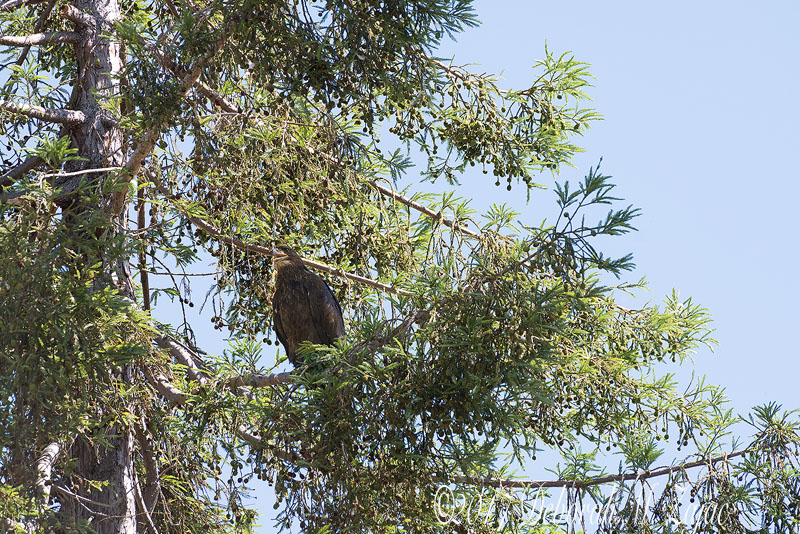
Nikon D810| Nikkor 200-500mm| Hoodman Digital Film| PS CC 2017
more to come…
Copyright © 2017 Deborah M. Zajac. ALL RIGHTS RESERVED
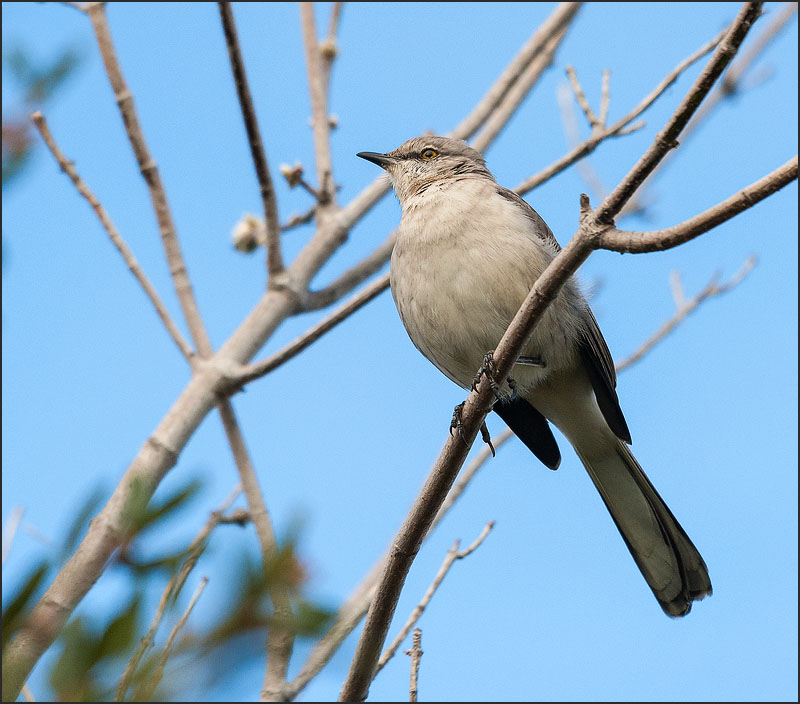
Nikon D700| Nikkor 200-500mm| Lexar Digital Film| PS CC 2017
More to come…
Copyright © 2017 Deborah M. Zajac. ALL RIGHTS RESERVED
I had heard there was a rare white Hummingbird in Santa Cruz at UC Santa Cruz’s Arboretum last year, but didn’t see it when I was there photographing Allen’s Hummingbirds that come to winter there.
This year a friend and I went over to find the tree it had been spotted hanging out in and we found both the tree and the rare white Hummingbird straight-away.
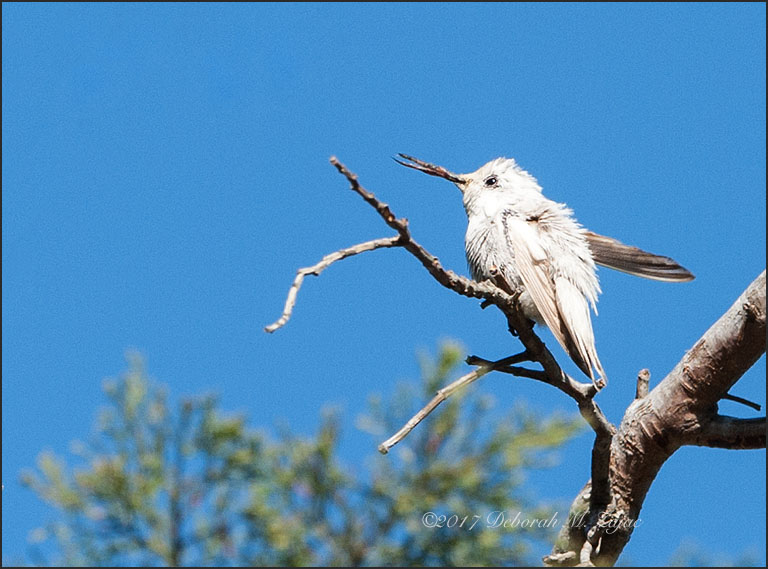
Here’s a description of Leucism, “Leucism, a developmental condition resulting in the loss of pigmentation. Unlike albino birds, which can’t produce the pigment melanin, leucistic birds produce melanin but can’t deposit it into their feathers. Albino birds also have red or pink eyes, but this hummingbird’s eyes are black, along with its bill and feet.
What makes this Hummingbird so rare is that it is almost completely white. Most leucistic birds are only partially affected, and have white patches of feathers amid colored plumage.”~Audubon.org
I spoke with a woman working at the Arboretum after my visit to find out if this is the same Leucistic Anna’s Hummingbird that was there last May and she said, “they believe it is”.
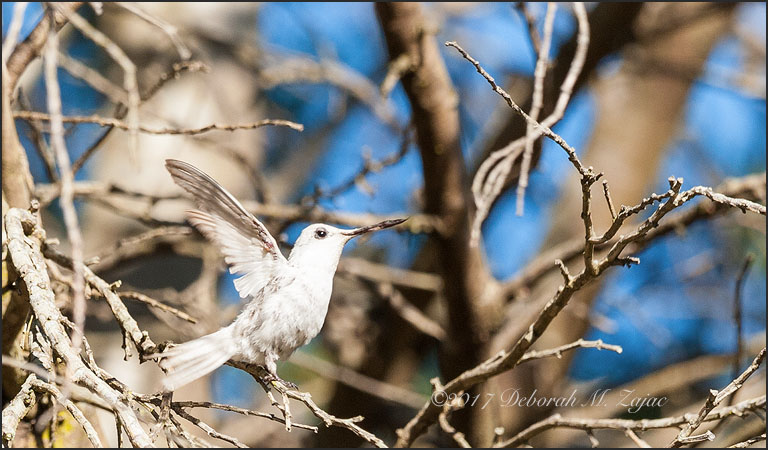
It’s so striking, and pretty isn’t it? Poor thing has some kind of infection on its bill. I asked about that too, but they haven’t captured the Hummer to do any tests on it. So, they don’t know what the infection is. She did say he’s (it’s a male) getting better and the Hummingbird is zipping around acting healthy so, they’re letting nature run its course.
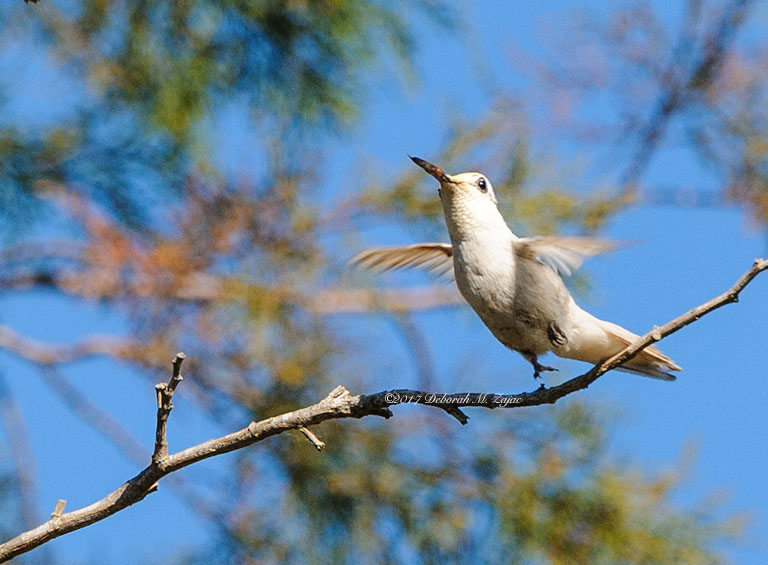
It flew away from its tree a few times, and I found it in the little fountain bathing but I wasn’t quick enough to get a photo of that. Unfortunately I spooked it. I did manage a few images of it preening and cleaning its feathers afterwards though. Here’s one.
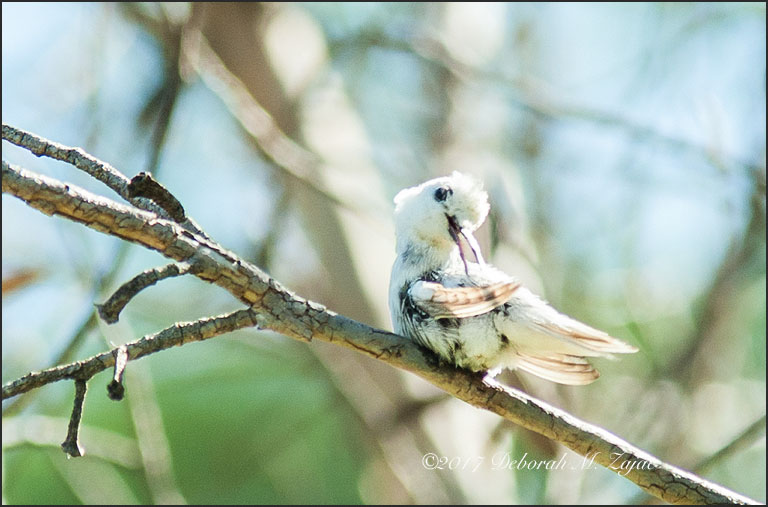
It was quite a treat to find this beauty so quickly, and observe it for a short while. It’s the first Leucistic bird of any kind I’ve ever seen.
I hope it returns next year and I’m lucky enough to see it again.
I hope you all have a wonderful week-end!
Nikon D700| Nikkor 200-500mm| Hoodman STEEL Digital Film| PS CC 2017
More to come…
 Circadianreflections Blog
You must be logged in to post a comment.