had a give-away of his soon to be published 4th novel and I won it!
The book was released last Wednesday and I received my copy. I’m so excited to read this 4th book that goes along with his first three books in his Dreamer’s Alliance series, but this fourth book is also a “stand alone” book. The series is terrific. I’m so glad we get to meet new characters and follow some of the original characters in the new book whom I didn’t want to say good-bye to. You know how that goes when you really like the book right? 😀
PLEASE DO NOT USE MY IMAGES WITHOUT EXPRESSED WRITTEN PERMISSION.
We’ve had two female, and one male Black-chinned Hummingbird regularly visiting my feeder. I like to think the females are mother and daughter, and the male is the father. However, all is not peaceful around the feeder oh no, they’re fighting for territorial rights! The two females have no problem drinking together, but the male has sharing issues.
When I first put the feeder up it was only the male coming by, but then a female found it, and now a second female started coming by about 2 weeks ago. I think I’ll need a second feeder soon. I’m refilling the feeder every 4-5 days.
Here’s a still one of the females on approach. She’s so tiny!
Female Black-chinned Hummingbird
I love seeing them coming by on and off all day.
We have had #1 Grandson for an extra week which has been wonderful, but, it’s about to come to an end… really he’s going home this week-end. School starts up soon for him.
I hope your week is going well, and your week-end is wonderful.
Hello! I’m back from taking a short blogging break. I have a few exciting things to share but, I haven’t been able to turn my mind to writing about them or processing my images yet. When I got home from my latest trip I came home to find #1 Grandson here for a summer visit!! He’s staying until next week then we’ll take him home. His school resumes in late August! It seems like summer is going by too fast. Already it’s dark here by 8:30 P.M.!
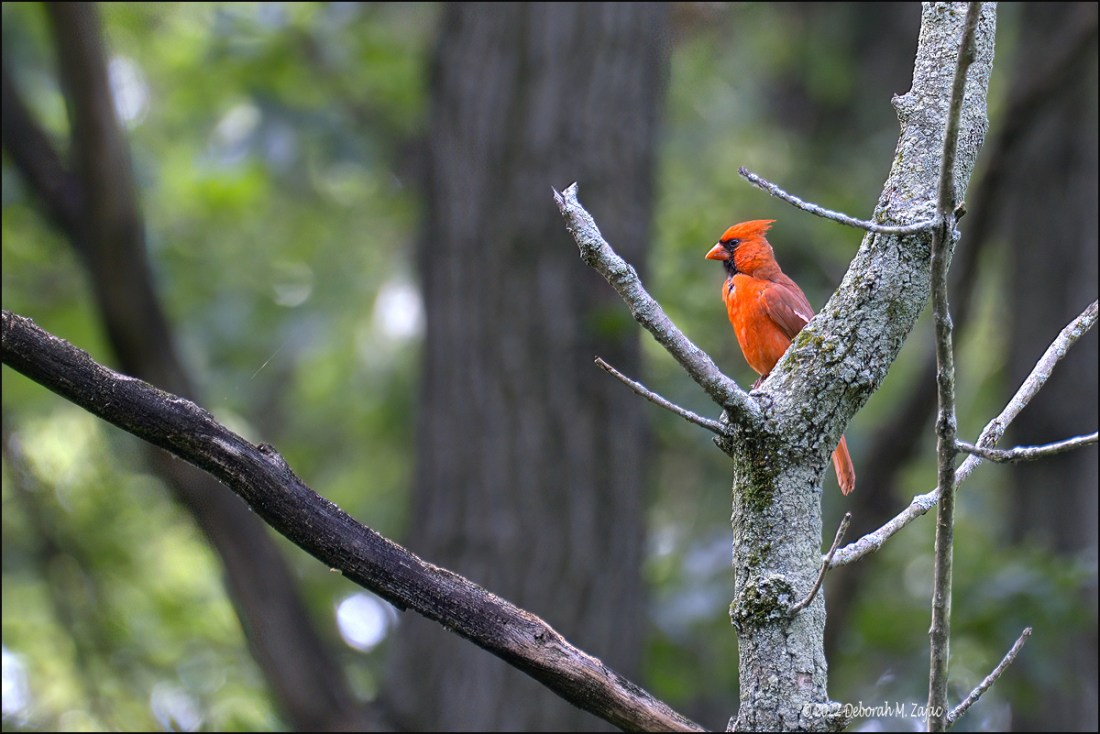
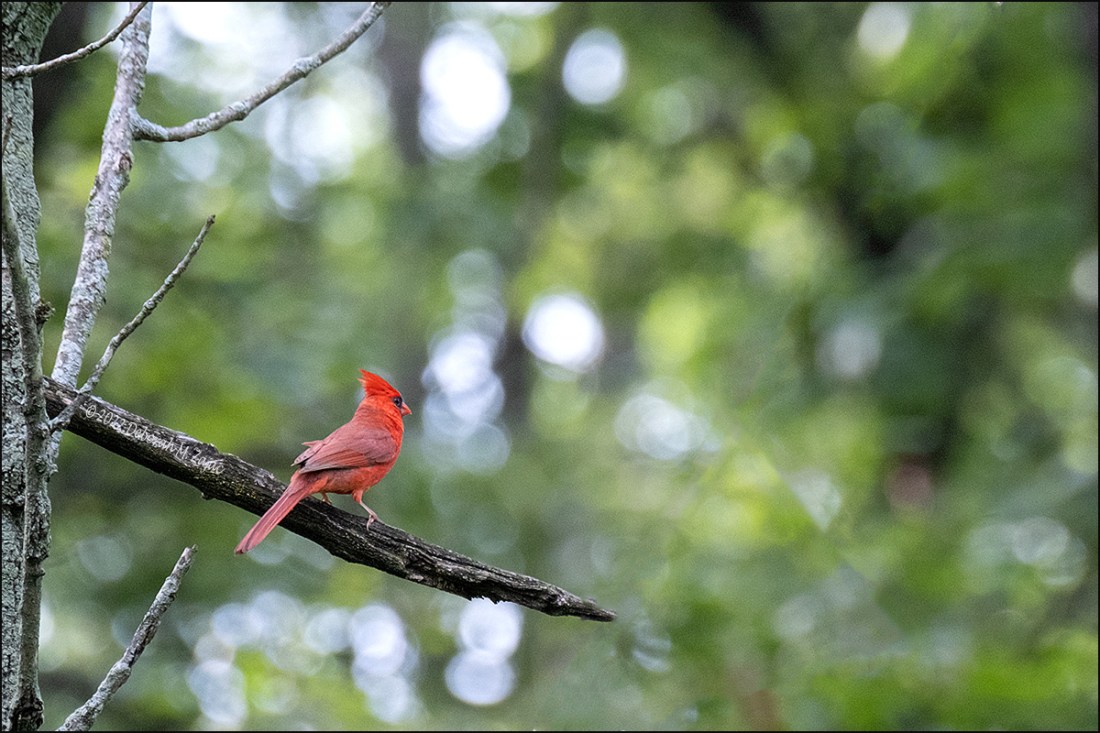
I’m so far behind processing and sharing images I fear I’ll never catch up, but let’s go back to my trip to Illinois which was in July this year. The day after my son’s wedding I went birding and He-Man came along for the walk, while we were at The Little Red Schoolhouse Nature Center I ran into a birder and we got to chatting about birds we’d each seen so far that morning, and I asked him if he’d seen any Northern Cardinals in the area and he said he had just up the trail!! We were off on the hunt. It wasn’t long too long after that I saw a red streak fly by in the trees ahead. I raced forward, He-Man raced forward as now he too was excited and on the hunt!! I saw it dive into the bushes but, couldn’t see it then suddenly it flew up to a dead tree snag and perched!!!
Northern Cardinal-Male
I’ve been dreaming of seeing this bird for what seems my whole life…more so since I started birding more seriously in 2010. Can you see me doing my happy dance? 💃💃 I still am so excited to have finally see this beautiful bird! One day I hope to see the Female so that’s still on my list.
Northern Cardinal-Male
I saw one other “Lifer” here at this Nature Center that I’ll be sharing soon, and I’ll be telling you all about my trip to Wyoming where I met up with Janet from This, That, and the Other Thing!!
I hope this finds you all well, you have a wonderful week-end!
Fuji X-T3| Fujinon 100-400mm @ 400mm| PS CC 23.4.2
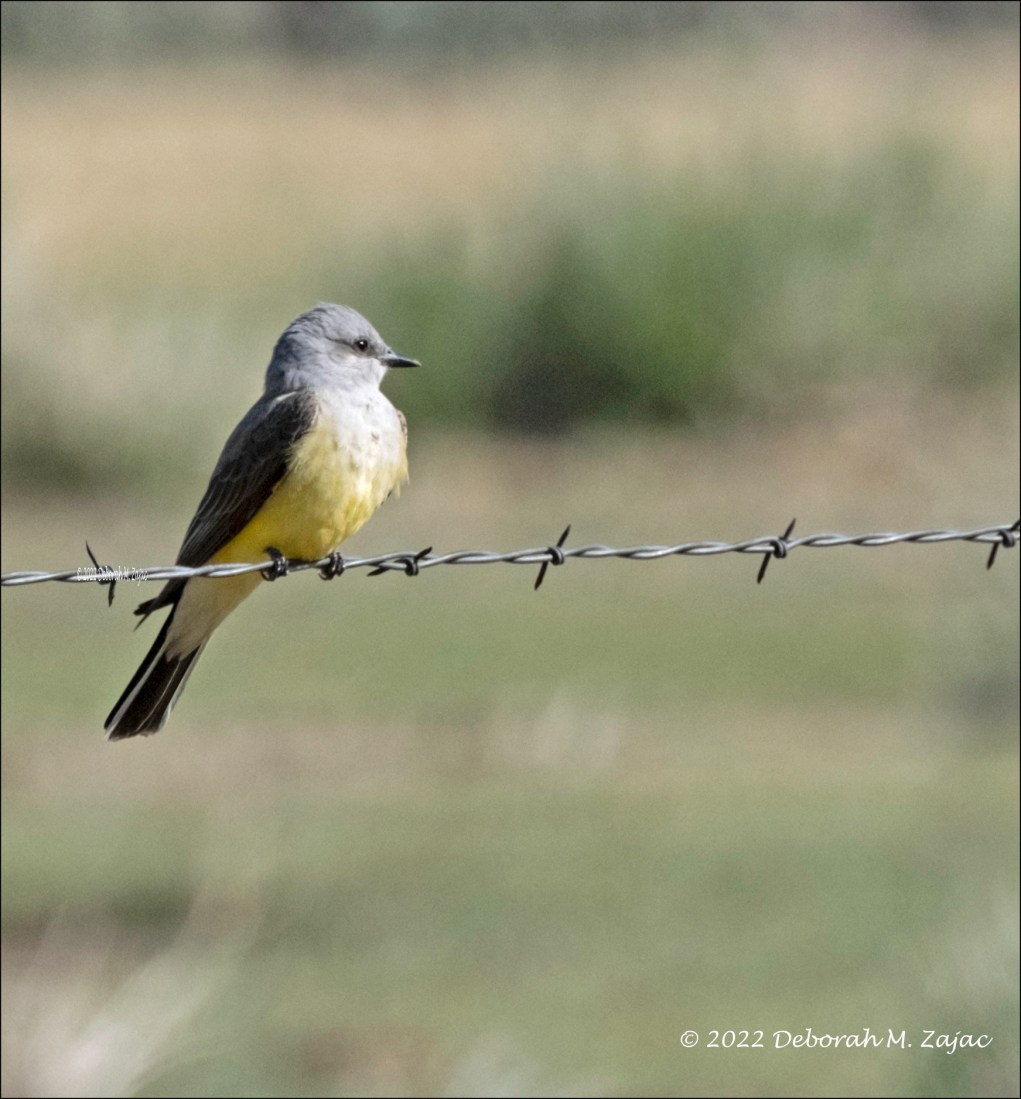
While out for good long walk along the river recently I spied a Spring/ Summer visitor perched on a fence. The Western Kingbird. They’re one of the birds with lovely yellow in their coloring that visit here.
I think they’re so cheery with their bright yellow feathers, and gray heads.
They are in the Flycatcher family that hunts flying insects from its perch on a fence, trees, or utility wires.
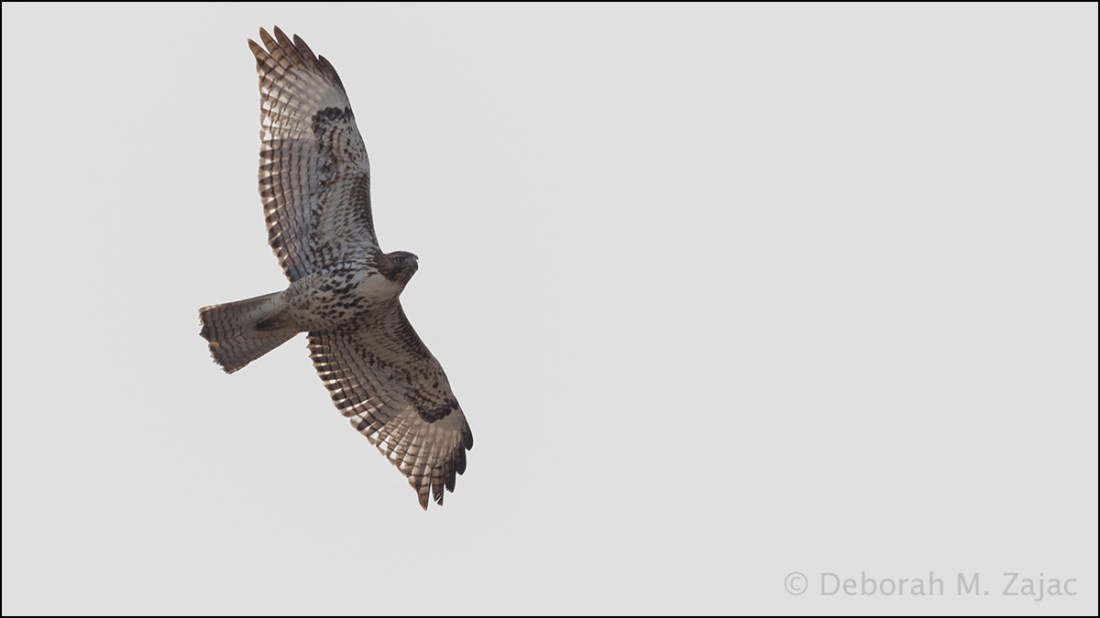
They’re also famous for chasing and scolding intruders like Red-tailed Hawks, and American Kestrels.
The Western Kingbird’s breeding range has been spreading for the last century as an unplanned result of human activities. By planting trees and installing utility poles in open areas, people have provided hunting perches and nest sites, and by clearing forests they have created open habitats suitable for foraging.
Though known as birds of the West, Western Kingbirds tend to wander during fall migration. They show up along the East Coast, between Florida and Newfoundland, every autumn—but only rarely during the spring. In 1915 Western Kingbirds began spending winters in Florida, where they are now regular winter residents.
Western Kingbirds aggressively fend off predators and other kingbirds from their territories. The males warn off intruders with harsh buzzes or whirring wings. Both males and females snap their bills and raise their red crowns (normally hidden under gray feathers on their heads) when provoked. As the breeding season wears on, each pair defends a smaller and smaller territory. By mid-incubation time the territory includes the nest tree and little else.
The Western Kingbird was originally known as the Arkansas Kingbird, but scientists changed its name to acknowledge its wide range across western North America.
The oldest Western Kingbird on record was a male, and at least 6 years, 11 months old, when he was found in South Dakota. ~allaboutbirds.org
We’ve been having big, strong winds lately so my sinus’ are a bit of a mess, but we’re looking at nice sunny days for the week-end here and hopefully the wind mellows out too.
I’ve been thinking about photographing the upcoming Lunar Eclipse. I won’t be able to see the entire thing from start to finish, but I’ll be able to see Totality. I’ll probably just photograph it from my yard. What about you, are you planning to watch it or photograph it?
I hope you all have a lovely week-end, and to all the Mom’s and Grandmother’s, I wish you a very Happy Mother’s Day! 🌼💗
Last week I met up with some local Audubon club members for a bird walk. Here’s some of the exciting birds we saw.
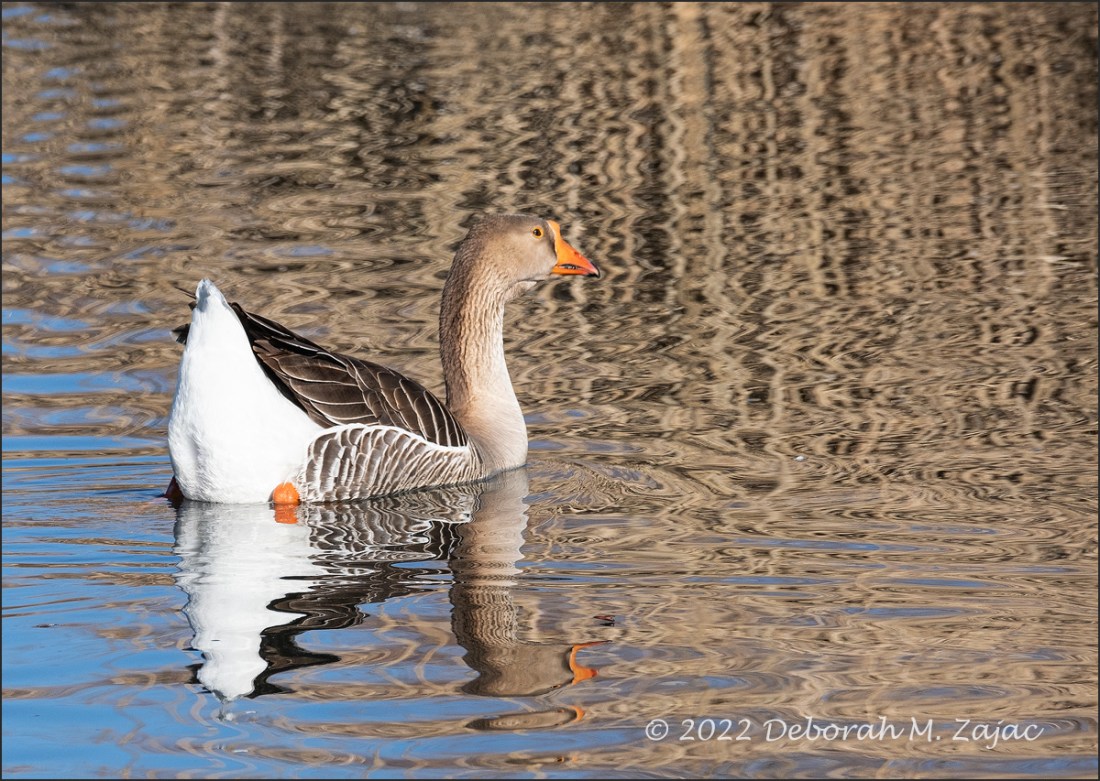
This first bird was a neat sighting. It’s a Graylag x Swan hybrid we discovered. The ebird monitor for Washoe county wrote me after seeing my images of the goose this. “Your documentation shows this is a “Domestic goose with a mix of Graylag and Swan Goose (aka Chinese Goose) ancestry. The dark stripe from the top of the head down the back of the neck, and the bulging forehead are Swan Goose traits, while the orange bill and a few other features are Graylag traits. ” P.H. Isn’t that interesting! It’s a handsome goose and several people we ran into while admiring and photographing it told us they named him. One family called him Barney, and another one calls him Harry. He’s quite the celebrity there.
Graylag Goose
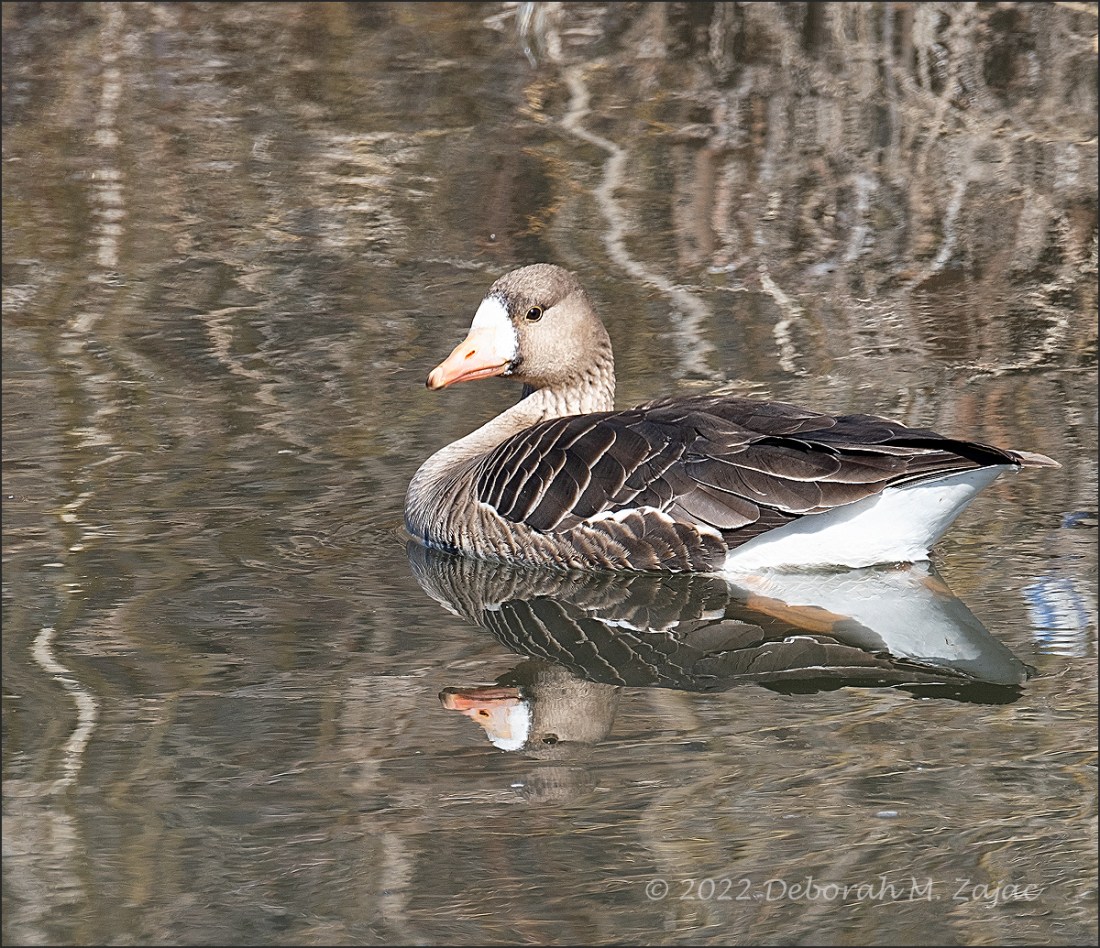
Another exciting sighting was a large group of White-fronted Geese. We don’t see those a lot here so, we watched and photographed them for awhile too.
White-fronted Goose
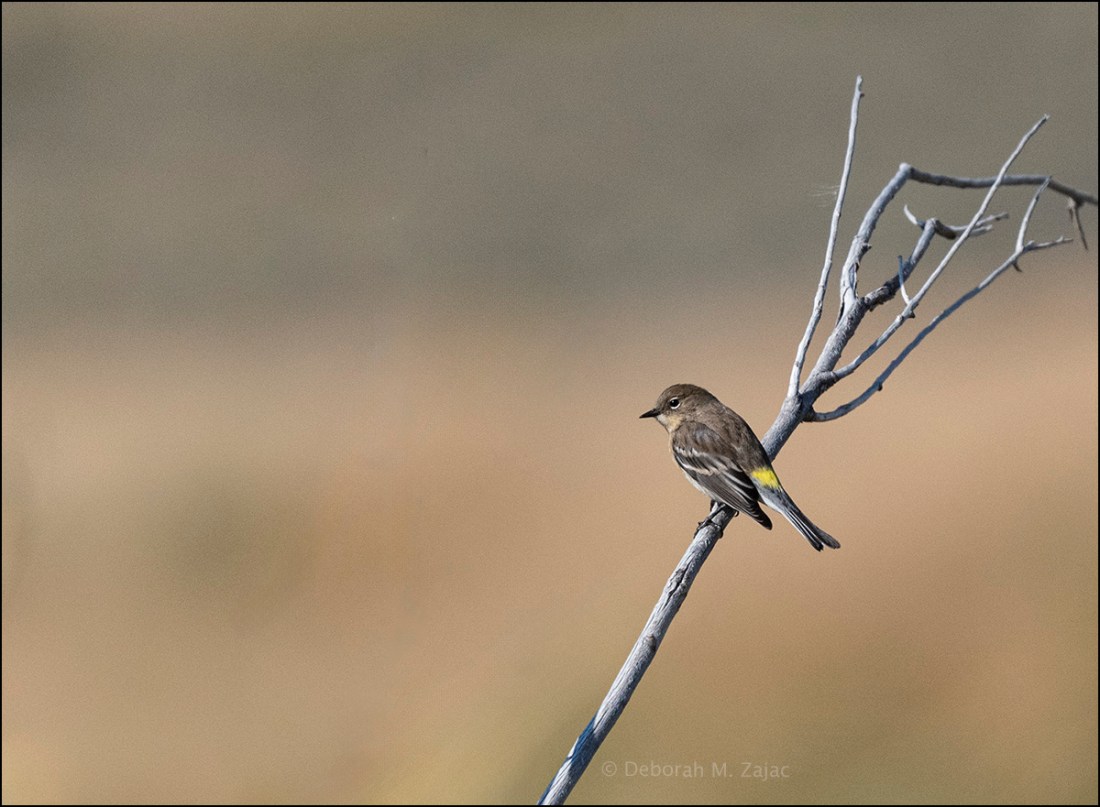
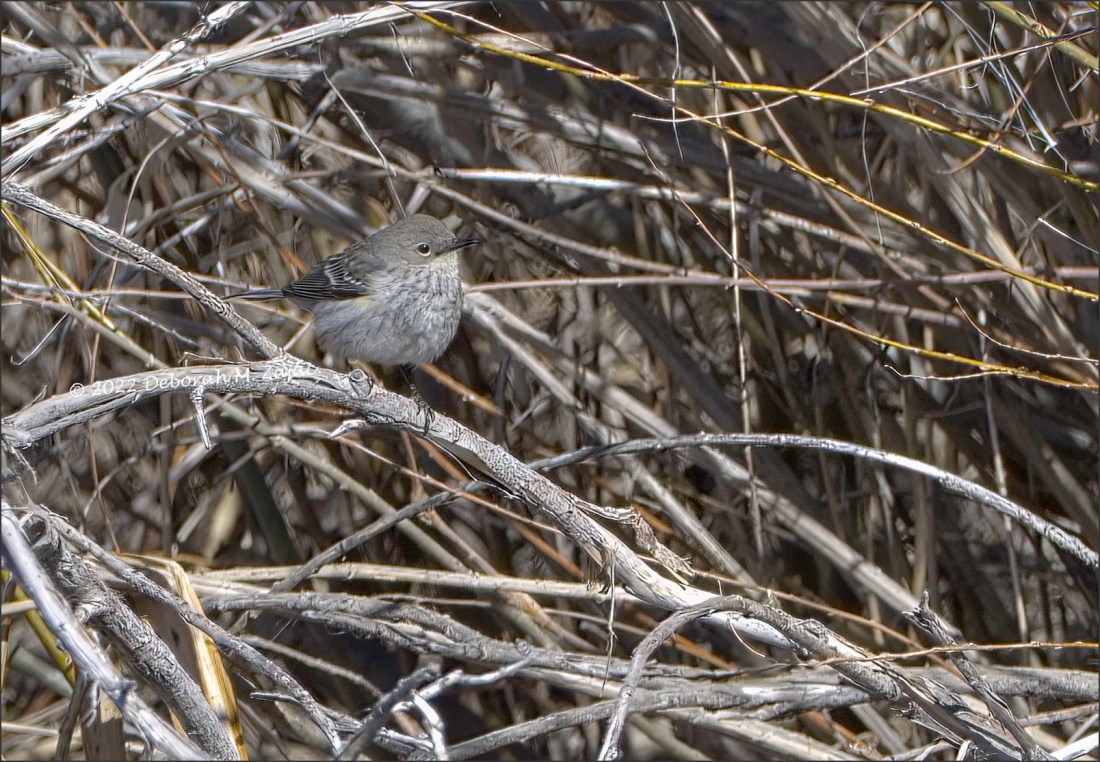
Saving the best for last, and it was the last bird we saw on our way back to the parking before we finished up was the Immature Audubon’s Yellow-rump Warbler. This was a lifer for me! Isn’t it cute!
Audubon’s Yellow-rump Warbler-immature
I’ll be birding with friends this week-end and hoping to see lots of birds. I hope you all have a great week-end!



 Circadianreflections Blog
You must be logged in to post a comment.