Copyright ©2024 Deborah M. Zajac. ALL RIGHTS RESERVED.
PLEASE DO NOT USE MY IMAGES WITHOUT EXPRESSED WRITTEN PERMISSION.

Nikon D850| Nikkor 500mm PF-e| PS CC 25.5.1
more to come…
“A good snapshot keeps a moment from running away.” ― Eudora Welty
Copyright ©2024 Deborah M. Zajac. ALL RIGHTS RESERVED.
PLEASE DO NOT USE MY IMAGES WITHOUT EXPRESSED WRITTEN PERMISSION.
Nikon D850| Nikkor 500mm PF-e| PS CC 25.5.1
more to come…
Copyright ©2024 Deborah M. Zajac. ALL RIGHTS RESERVED.
PLEASE DO NOT USE MY IMAGES WITHOUT EXPRESSED WRITTEN PERMISSION.
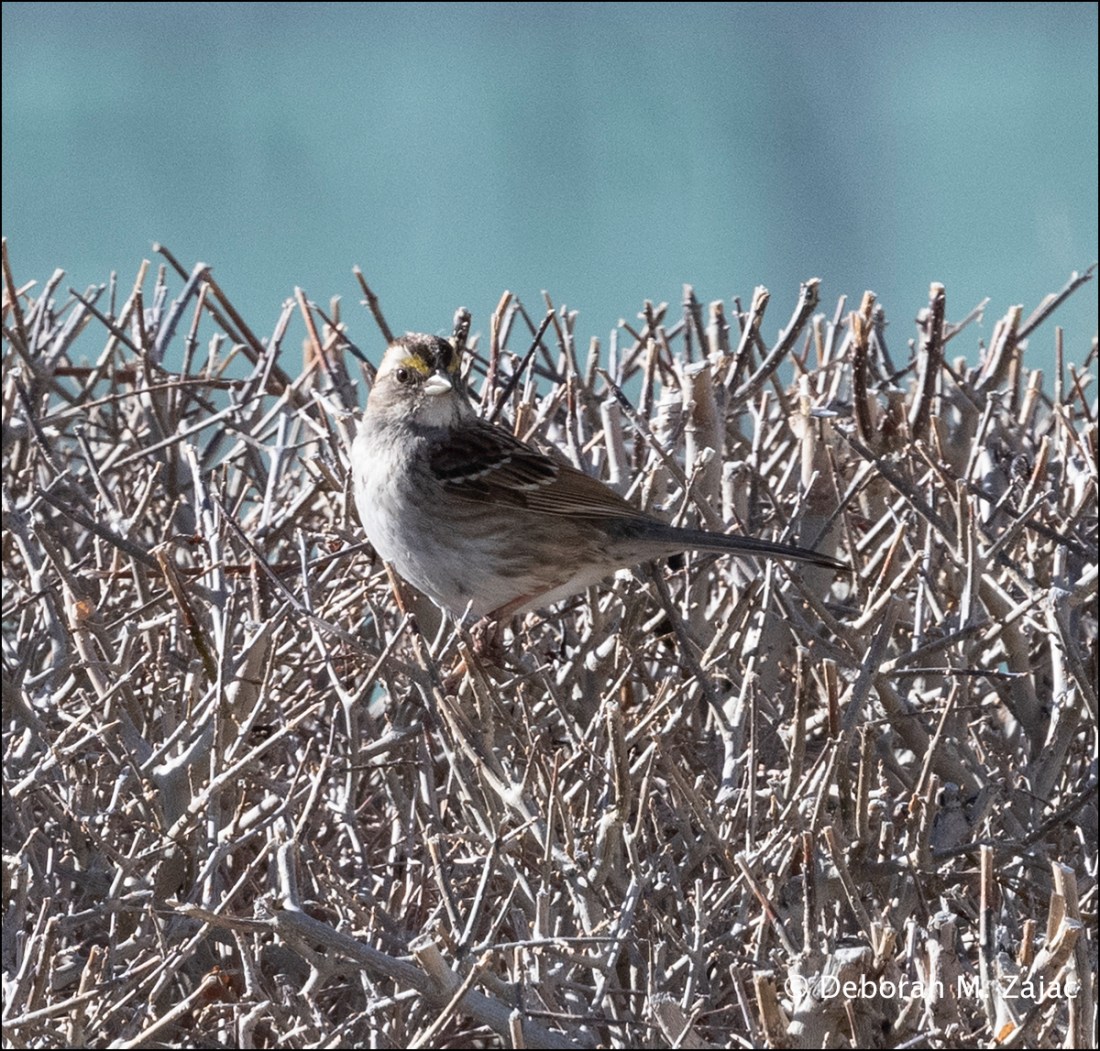
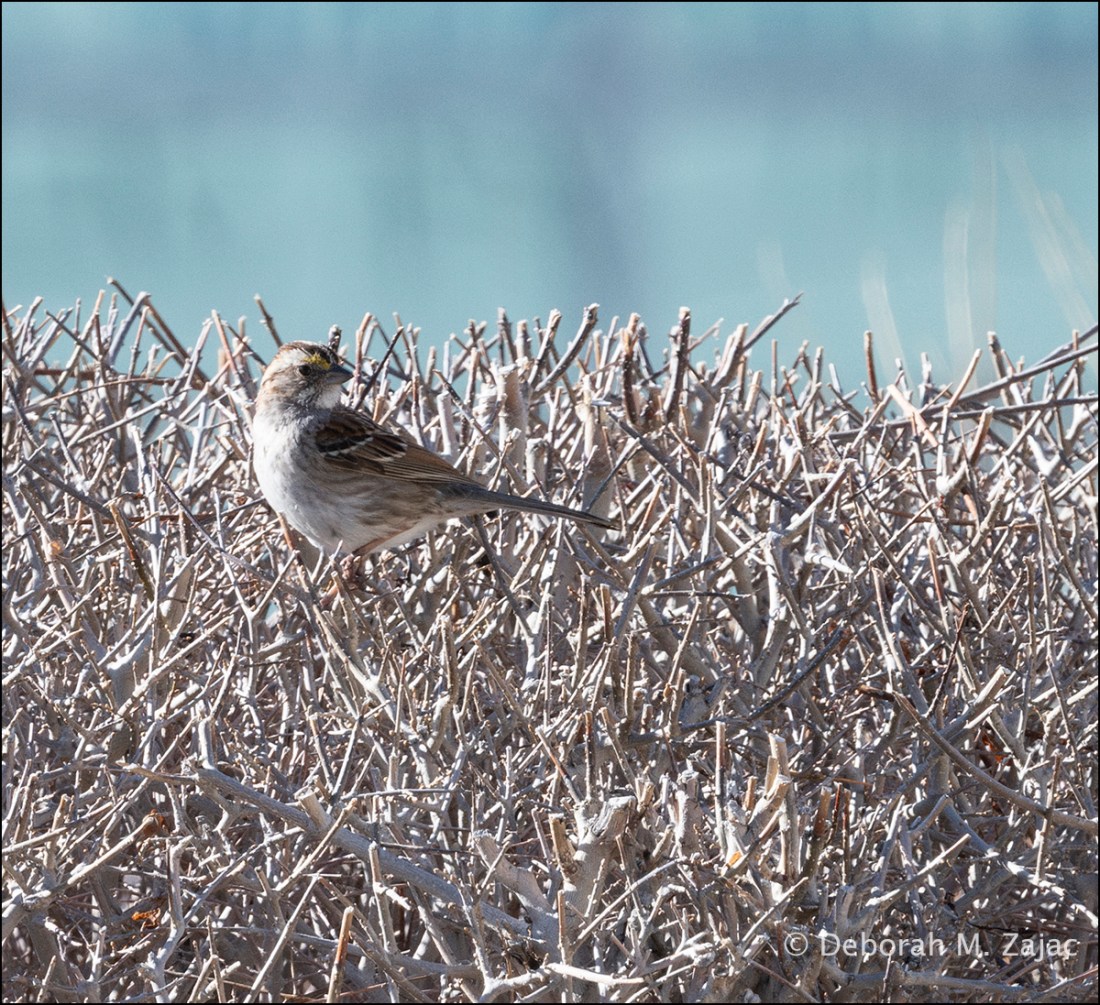
Back in late January or early February I heard there was a White-throated Sparrow up in Carson City. This is a rare bird for Nevada. The map doesn’t show it ever being here rare.
I’d never seen one before so I began the hunt for it. I only had a general location of where it was so I was covering a very large area and staying for hours photographing every sparrow and bird I saw.
I was unsuccessful 6 times over the course of about 6 weeks.
All the while this bird was being seen and reported by one guy almost every day while myself, and my neighbor were not seeing it! I can tell you it was frustrating! During this period there was another one seen, photographed, and reported on the birding site ebird.org up in Reno!
So, my neighbor and I went up and spent hours looking for it but, no joy there either. Sigh.
Then on a tip from a fellow birder who had seen it a week before in Carson City told me the which area I should try looking. I went back last week and hung around the area he suggested and got lucky! 💃💃😀The 7th times the charm!
Fun Facts:
I have been birding a lot so have lots of birds to share in the coming weeks.
I hope you all have a lovely week-end.
Nikon D850| Nikkor 500mm PF-e| PS CC 25.5.0
Fun Facts gleaned from allaboutbirds.org
more to come…
Copyright ©2024 Deborah M. Zajac. ALL RIGHTS RESERVED.
PLEASE DO NOT USE MY IMAGES WITHOUT EXPRESSED WRITTEN PERMISSION.
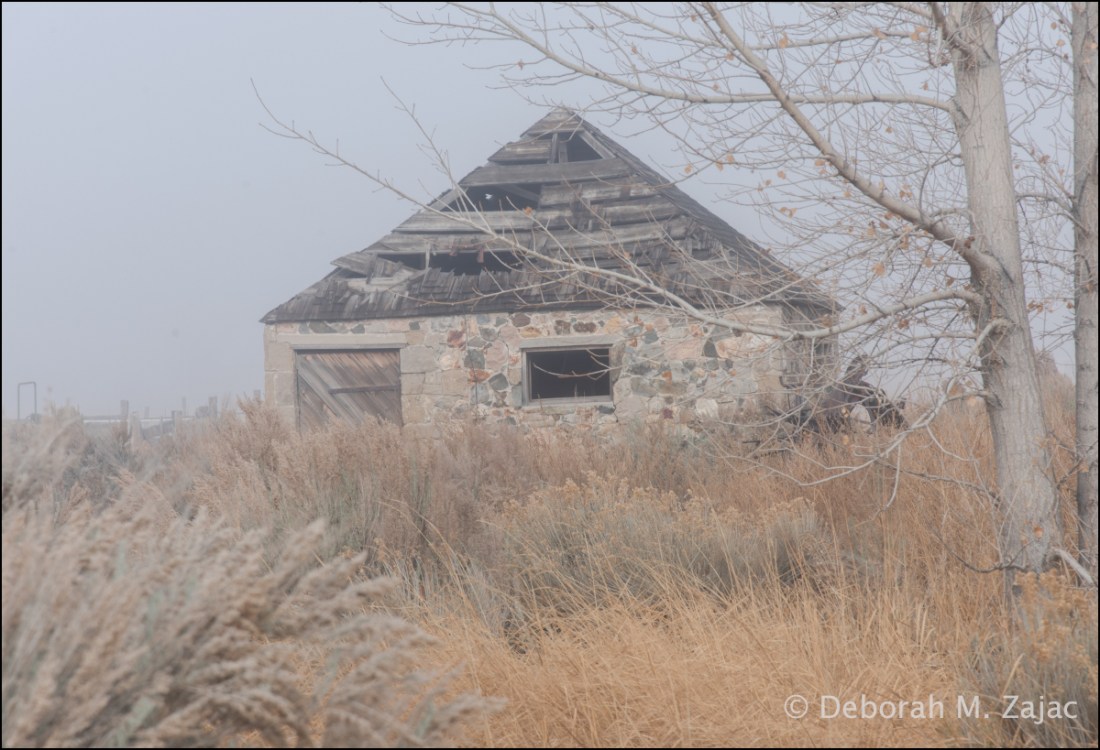
The fog was starting to lift when I pulled over to photograph this little stone building.
This post is part of the Thursday Doors group hosted by Dan Antion over at No Facilities which you can click on to see other doors from around the world-here
Nikon D810| Nikkor 24-120mm @ 105mm| PS CC 25.5.1

Copyright ©2024 Deborah M. Zajac. ALL RIGHTS RESERVED. DO NOT USE MY IMAGES WITHOUT EXPRESSED WRITTEN PERMISSION!
I’ve mentioned a couple of times that I’m working my way through a watercolor book called Ready to Paint- Trees and Woodlands. They say you can do these exercises and little paintings in 30 minutes, but it takes me hours.
This is Nº7 called Farmhouse. The lesson was working on a variegated wash of colors, and painting around a negative space. That means painting in the wash of sky, and the background behind the farmhouse and barn first then paint the farmhouse and barn.

It took me about 1.5 hours to paint this. Pretty quick for me. I painted the sky and background then let it dry overnight before tackling the trees and buildings. I find myself letting things dry, then ruminating about the next step before actually taking the next step. Fear of making a mistake? Oh yes!
Anyway, it didn’t come out too bad just a little wonky. I see things I would change the next time I try something like this. On the whole I think the wash came out okay, and I used the negative space like I was supposed to. The rock wall was supposed to be a hedge but, I added my own spin on it, I wanted a wall instead. On y va!
I’ve been birding a lot so, I’ll have bird images to share soon.
I hope you’re all having a good week.
140lb 100% cotton paper| M.Graham and Da Vinci Watercolors| iPhone 14Pro
more to come…
Copyright ©2024 Deborah M. Zajac. ALL RIGHTS RESERVED.
PLEASE DO NOT USE MY IMAGES WITHOUT EXPRESSED WRITTEN PERMISSION.
I’m guessing it wasn’t a good day fishing?

Nikon D810| Nikkor 500mm PF-e| PS CC 25.4.0
more to come…
Copyright ©2024 Deborah M. Zajac. ALL RIGHTS RESERVED.
PLEASE DO NOT USE MY IMAGES WITHOUT EXPRESSED WRITTEN PERMISSION.
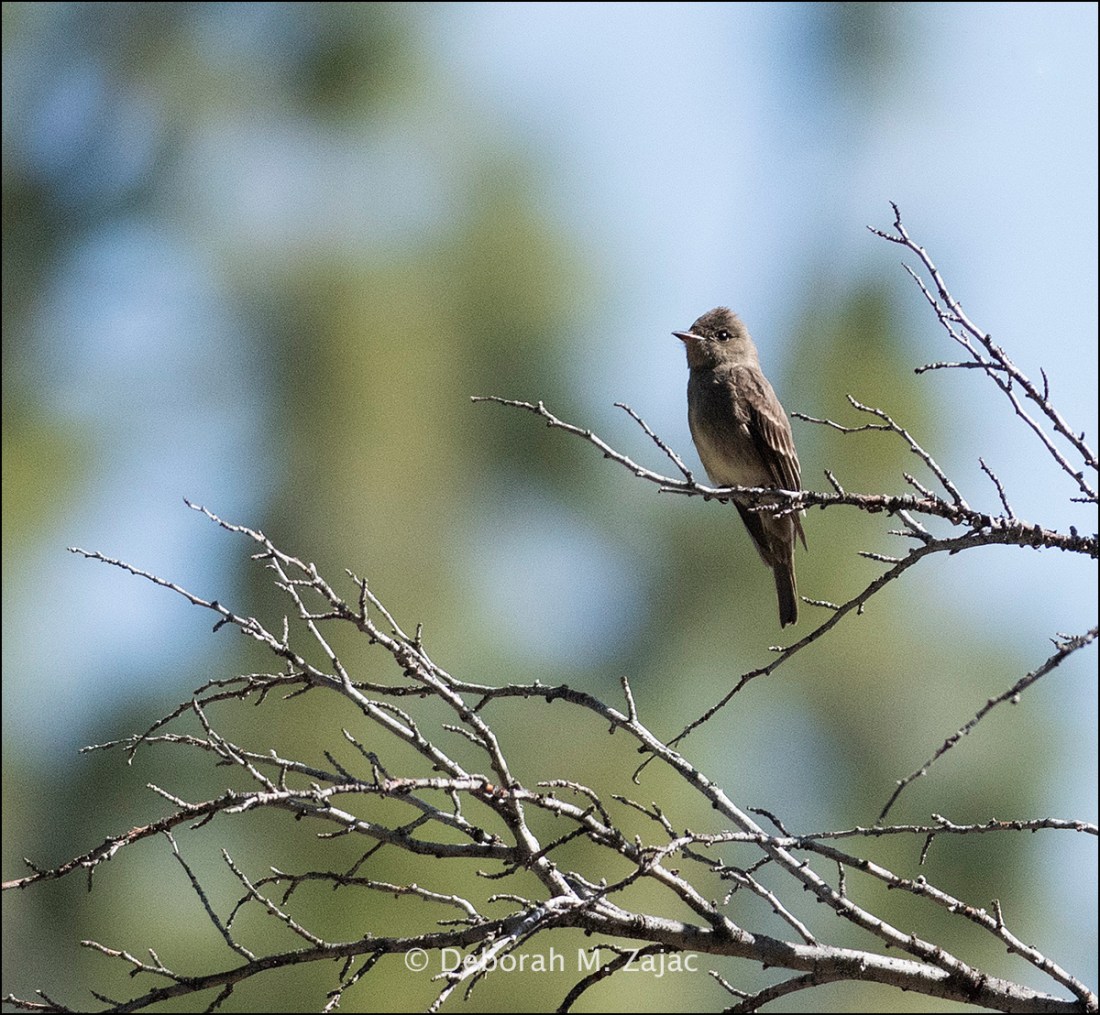
I don’t think I’ve ever shared this bird before. This is an image I made last summer.
Fun Facts:
Nikon D810| Nikkor 300mm f/4| PS CC
We’ve been under a high wind and storm watch since yesterday morning. As I write this the wind is howling at 24 mph with gusts up to 47 mph. They’re saying we may get 8 inches of snow between now and Saturday. The sun is out, the clouds are big white and fluffy in some spots to the east but, gray and looming over the Sierras to the west. As you can imagine we’re hanging out at home.
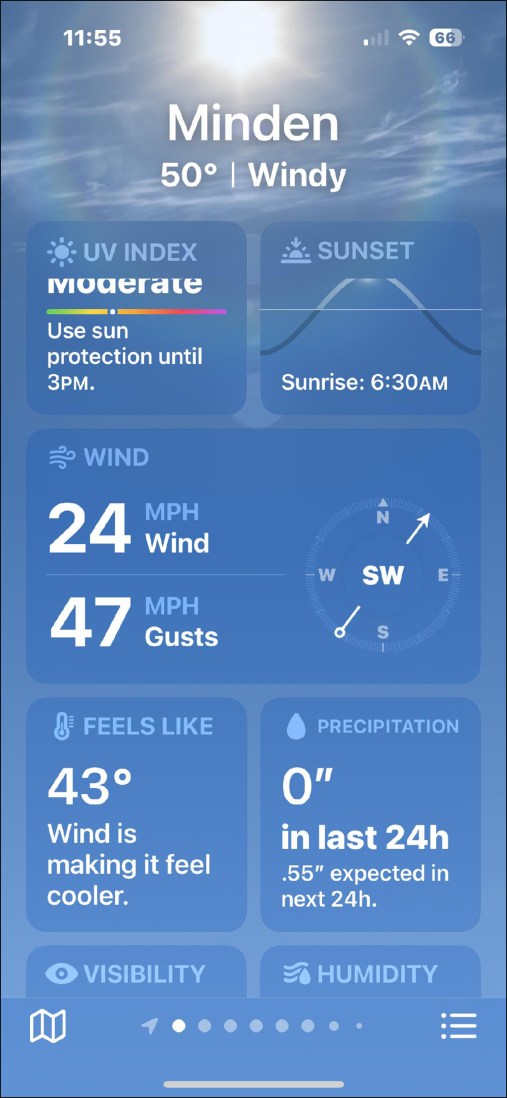
I was planning to go birding with a local birding group this morning, but due to the weather that’s been rescheduled.
I’ve been re-watching The Expanse while waiting for the new season of Vera to be released on Wednesday. After I finish The Expanse I’ll be binge watching Vera if all the episodes are available, and I’m still working my way through the Woodlands and Trees Ready to Paint class in a book. I finished exercise 6 but, the little wood bridge over the creek came out really wonky…even more wonky than my normal wonky so, I’m on my second attempt with that one, and I mixed up a dark green shade of paint that I don’t like on this second pass, so they’ll probably be a 3rd attempt at mastering exercise #6. 😀
That’s me all caught up. What’s happening with you?
more to come…
 Circadianreflections Blog
You must be logged in to post a comment.