Friday’s Feathered Friends- Yellow Warbler

Copyright ©2025 Deborah M. Zajac. ALL RIGHTS RESERVED.

PLEASE DO NOT USE MY IMAGES WITHOUT EXPRESSED WRITTEN PERMISSION.

Myself and He-Man went to Ohio for several days of birding Wood Warblers. I hoped to see some I didn’t see last year and see those I did see last year again. It was a great trip. Not only did I see a number of the Warblers I saw last year, I also saw some new species of Warblers plus a couple of other birds. 14 new to me birds or in birder speak ” Lifers”. On Monday the 12th (my birthday) I saw 7 Lifers! What a gift!!

I have thousands of images to cull but, I’m hoping I have a few good images to share in upcoming posts.

In the meantime here’s a cheerful Yellow Warbler I saw while there. These guys were everywhere on May 11th. They were singing and filling up on insects in all the trees in bloom getting ready for their over night migration to get to their breeding grounds in the USA, and some flew over the 26 miles of Lake Erie to get to Canada where their breeding grounds are.

On May 12th their numbers at the marsh were remarkably lower than the day before. I only saw a few.

©Deborah M. Zajac | http//:circadianreflections.com Image

I’m catching up with mail, email, bills, of course the laundry, and your blogs.

I hope you have a lovely week-end.

Fun facts:

  • In addition to the migratory form of the Yellow Warbler that breeds in North America, several other resident forms can be found in Mexico, Central America, and the Caribbean. Males in these populations can have chestnut caps or even chestnut covering the entire head.
  • The nests of the Yellow Warbler are frequently parasitized by the Brown-headed Cowbird. The warbler often builds a new nest directly on top of the parasitized one, sometimes resulting in nests with up to six tiers.
  • Life can be dangerous for a small bird. Yellow Warblers have occasionally been found caught in the strands of an orb weaver spider’s web.
  • The oldest-known Yellow Warbler was a female and was at least 11 years old when she was recaught and rereleased during banding operations in New York. ~https://www.allaboutbirds.org/guide/Yellow_Warbler

more to come…

Friday’s Feathered Friends- The Anhinga

Copyright ©2024 Deborah M. Zajac. ALL RIGHTS RESERVED.

PLEASE DO NOT USE MY IMAGES WITHOUT EXPRESSED WRITTEN PERMISSION.

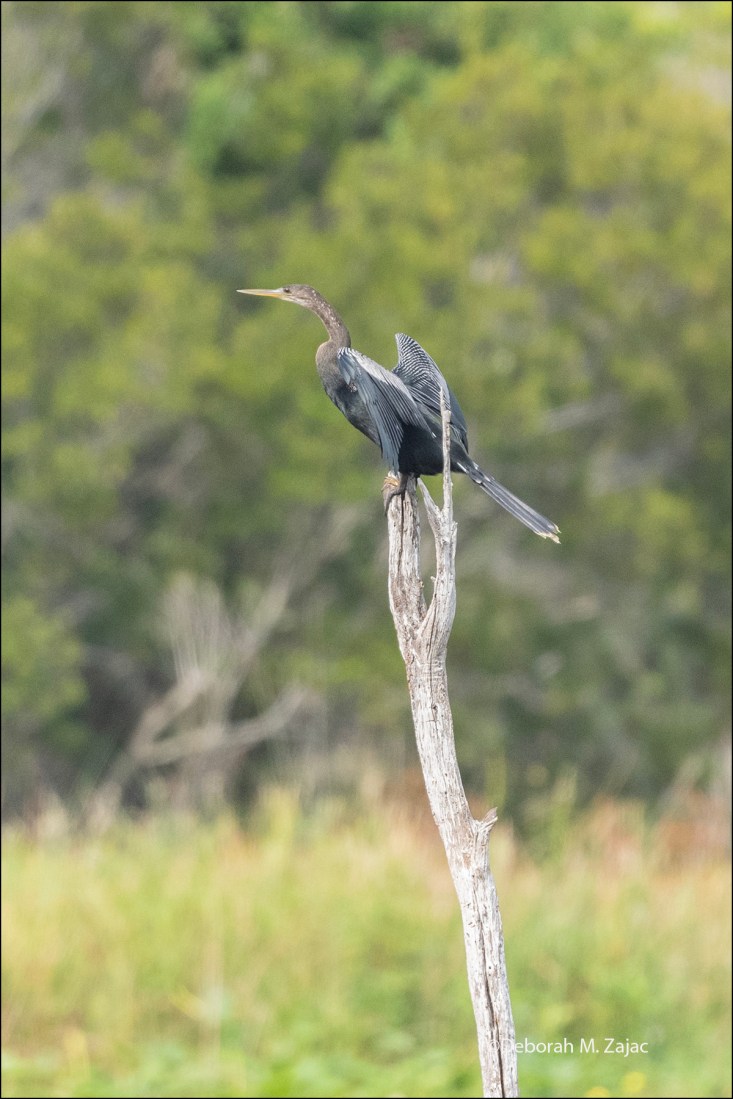
The Anhinga was one of 4 birds I really wanted to see while I was in Florida in September and I saw 3 of them! One male and two Females…I think.

It’s another pre-historic cool looking bird.

I think this is a male because his neck is black. He’s drying his wings.

©Deborah M. Zajac | http//:circadianreflections.com Image

Here’s the female also drying out her wings. Like Cormorants they don’t have waterproof feathers so they get on a perch or land and spread them open to dry them out.

©Deborah M. Zajac | http//:circadianreflections.com
As I crept closer to her to get a better shot I spooked her and off she flew.

Fun Facts:

  • The Anhinga’s distinctive shape earned it the nickname “water turkey” for its turkeylike tail, and “snake bird” for its long snakelike neck as it slithers through the water.
  • Unlike most waterbirds, the Anhinga doesn’t have waterproof feathers. While that may seem like a disadvantage for their watery lifestyle, their wet feathers and dense bones help them slowly submerge their bodies under the water so they can slyly stalk fish.
  • The name Anhinga comes from the Tupi Indians in Brazil, meaning “devil bird” or “evil spirit of the woods.”
  • The oldest recorded Anhinga was at least 12 years old when it was shot in Louisiana in 1948.

Fun facts gleaned from https://www.allaboutbirds.org/guide/Anhinga/overview

We may have a break from the wind and beat the rain this morning so I’m going birding with friends which means I’ll be a bit late checking out your blogs, and reading comments.

more to come…

Friday’s Feathered Friends- American Redstart

Copyright ©2024 Deborah M. Zajac. ALL RIGHTS RESERVED.

PLEASE DO NOT USE MY IMAGES WITHOUT EXPRESSED WRITTEN PERMISSION.

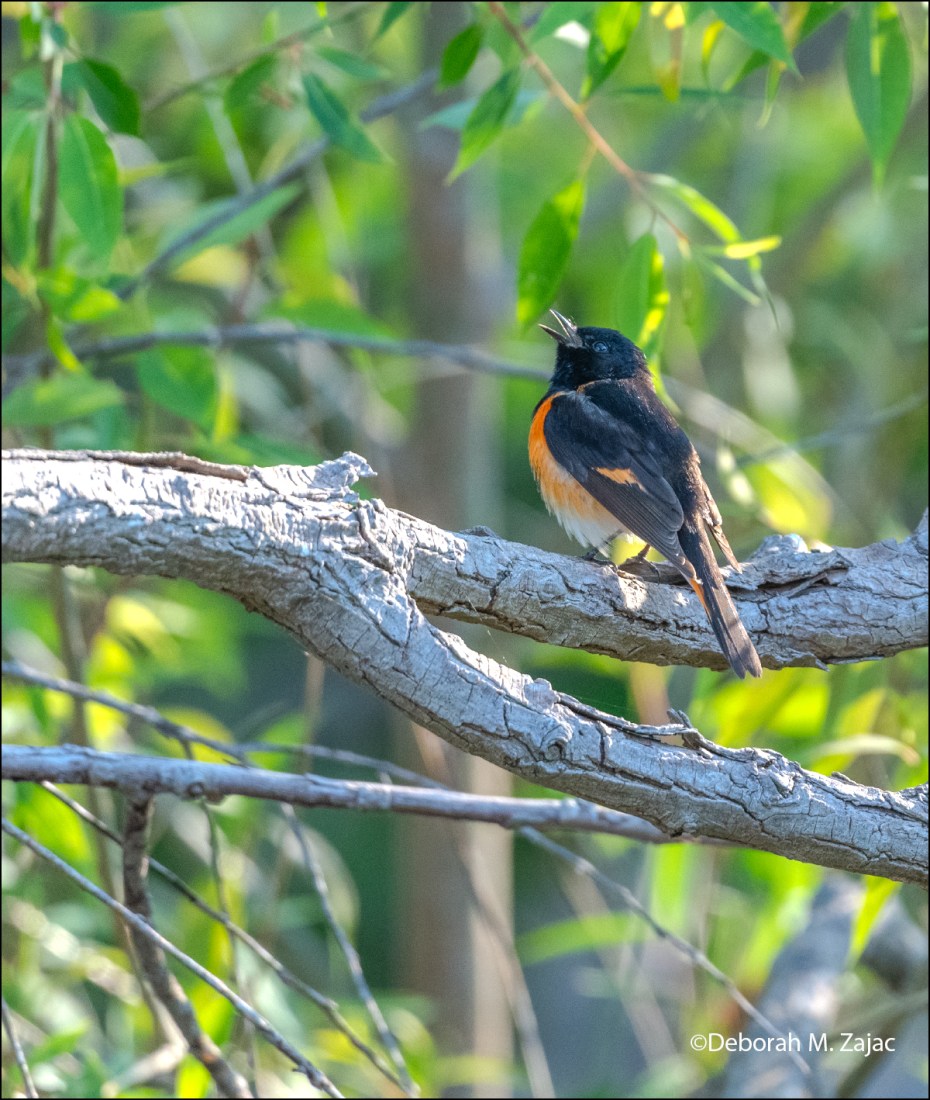
Going back to my Spring trip to Ohio for these images. The American Redstart male.

He’s a Warbler. I’m on the edge of it’s range. If only one or two would stray a bit further west I wouldn’t have needed to go to Ohio to this one. 😂

©Deborah M. Zajac | http//circadianreflections.com

Here’s an audio clip of its song.

https://www.bird-sounds.net/american-redstart/

Fun Fact:

  • Like the Painted Redstart and other “redstarts” of the Neotropics, the American Redstart flashes the bright patches in its tail and wings. This seems to startle insect prey and give the birds an opportunity to catch them. Though these birds share a common name, they are not closely related to each other. In fact, there are other unrelated birds around the world—such as the fantails of Australia and southeastern Asia, and other redstarts of Europe—that share the same foraging tricks.
  • Young male American Redstarts have gray-and-yellow plumage, like females, until their second fall. Yearling males sing vigorously in the attempt to hold territories and attract mates. Some succeed, but most do not breed successfully until the following year when they develop black-and-orange breeding plumage.
  • The male American Redstart sometimes has two mates at the same time. While many other polygamous bird species involve two females nesting in the same territory, the redstart holds two separate territories that can be separated by a quarter-mile. The male begins attracting a second female after the first has completed her clutch and is incubating the eggs.
  • The oldest American Redstart was at least 10 years and one month old, when he was recaptured and rereleased during a banding operation in Ontario.

Fun facts gleaned from allaboutbirds.org

I may be late replying this morning as I’m starting my week-end birding a new to me area in South Lake Tahoe. I hope you all have a great day and week-end.

more to come…

Whatever Weds. This and That…

Copyright ©2024 Deborah M. Zajac. ALL RIGHTS RESERVED.

PLEASE DO NOT USE MY IMAGES WITHOUT EXPRESSED WRITTEN PERMISSION.

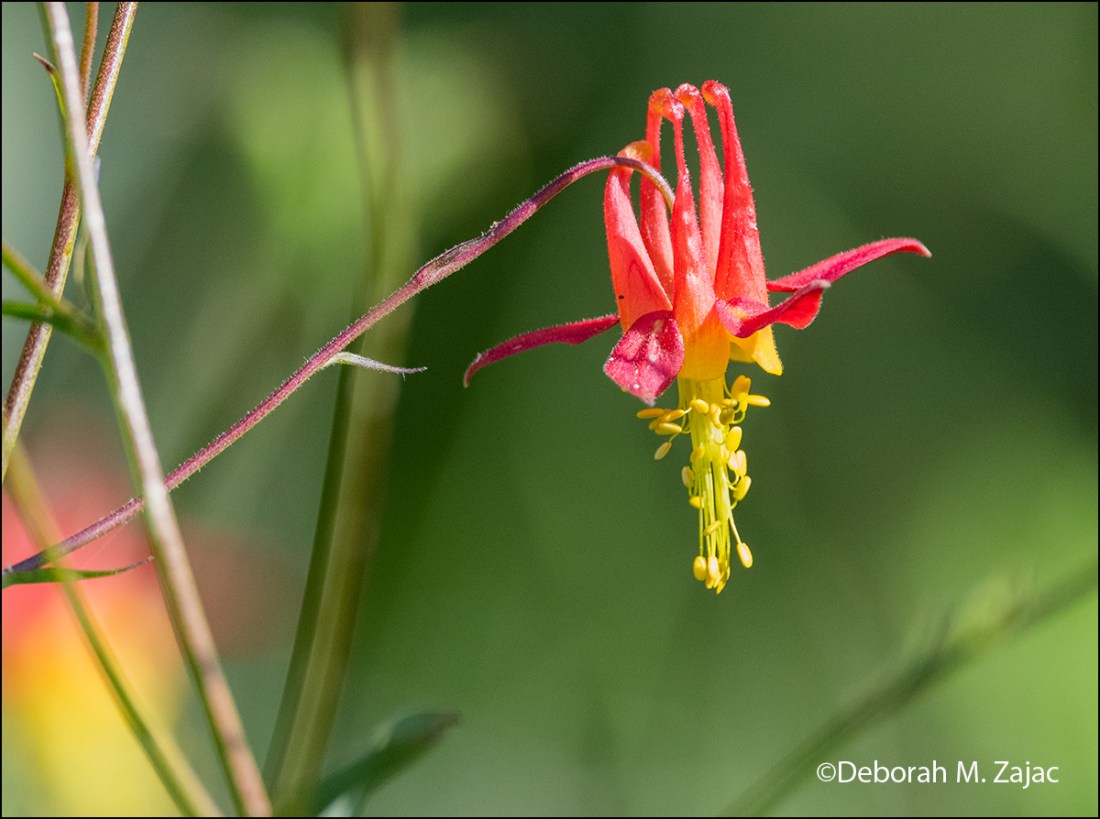
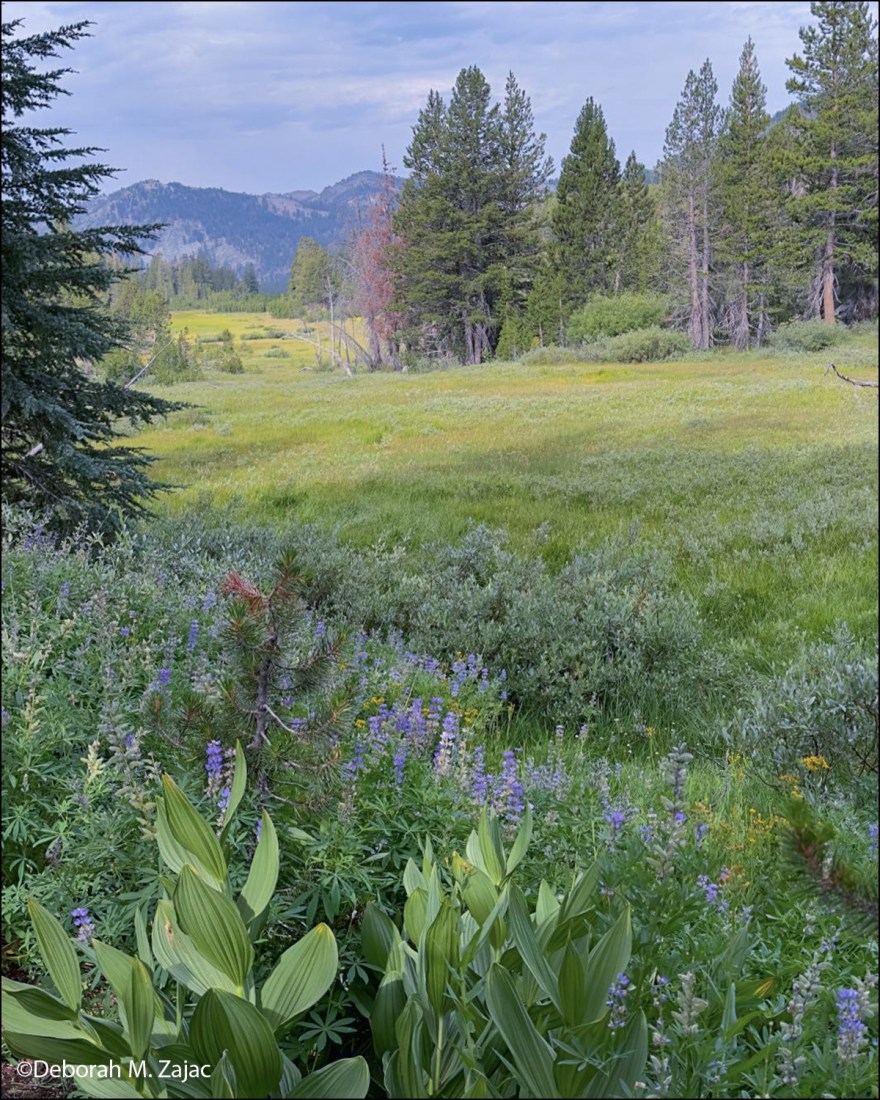
Here’s some of what I’ve been up to lately starting at the beginning of the month with a birding walk up in the mountains above Lake Tahoe. The wildflowers were in bloom. Here are a couple of favorites I saw.

©Deborah M. Zajac | http//circadianreflections.com
Delphinium
©Deborah M. Zajac | http//circadianreflections.com
Crimson Columbine

A beautiful view from the trail with Lupine, and Cornflower leaves in the foreground.

©Deborah M. Zajac | http//circadianreflections.com
View from the hike

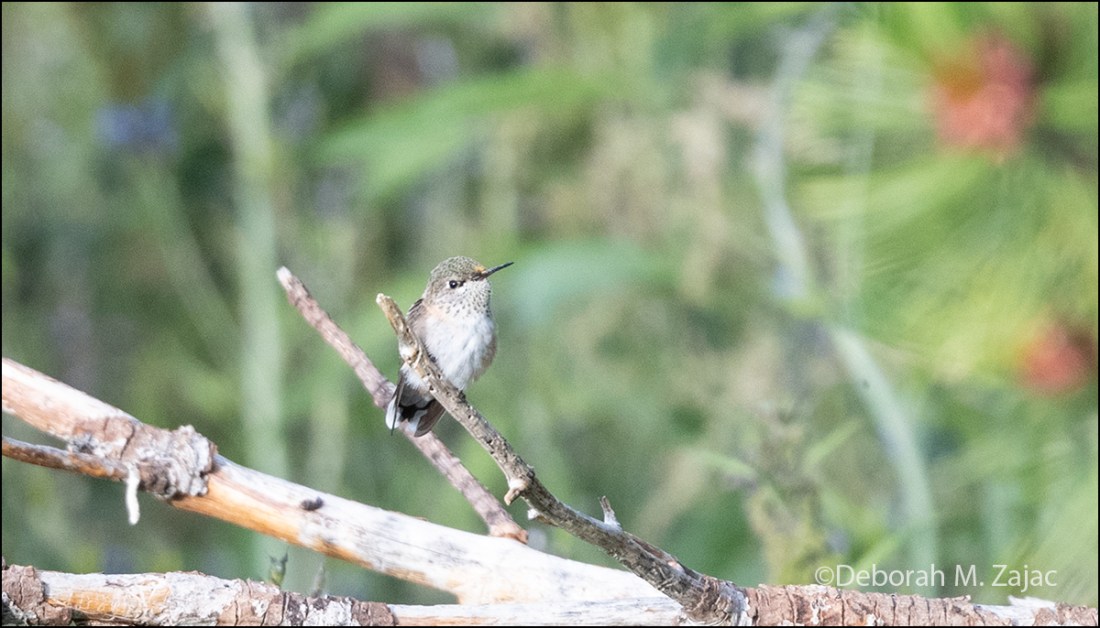
There were all sorts of juvenile birds being taught how to forage that morning. I saw Young Cassin’s Finches begging their parents for food, and the parents trying to encourage them to forage on their own, and young White-crown Sparrows foraging with their parents, but the highlight for me was the juvenile Rufous Hummingbird perched on a branch. That was a first for me.

©Deborah M. Zajac | http//circadianreflections.com
Rufous Hummingbird-immature

On Monday I got up at 2:45AM to go on my back patio to see if I could spot and photograph any Perseid Meteors. I very nearly went back to bed as there were still clouds from the day before in the sky.

I saw 3 great fireballs streaking across the morning sky, but one was completely out of my frame. One just looks like a streak with no fire ball that was disappointing, but it has a green tail, and one was just partially in my frame. The others I photographed are pink and green. Which I think are from the Aurora Borealis that was visible here. I missed the peak of that. I slept through it.

Here are two images of Perseid Meteors I photographed.

Look how close that fireball came to being in my frame! See it left side bottom edge? There’s another meteor below center as well.

©Deborah M. Zajac | http//circadianreflections.com
Fireball just out of my frame plus another meteor.
©Deborah M. Zajac | http//circadianreflections.com
Perseid Meteor Streaking over No. Nevada…pink and green too.

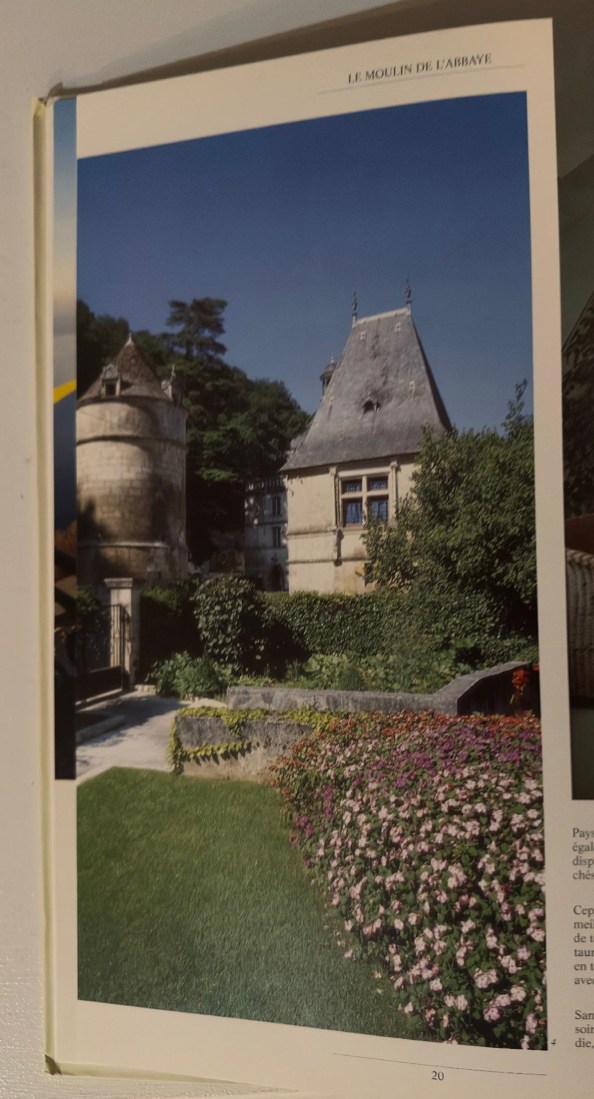
And, I’m still painting. I just finished a big painting for me at 9×12 inches of the Le Moulin de L’Abbye in France. I used a photo from a book called Hotels de Reve en France that I picked up years ago from a Little Free Library. I’ve been sketching from this book for years, but have been afraid to actually add paint out of fear of messing it up. I drew it freehand which took me hours, because drawing is so hard for me, but I am improving! Practice really helps. Anyway, I transferred the drawing to drawing paper so if I did mess it up I could half the drawing time by tracing it. This time I was determined to add paint!

Here’s that painting.

watercolor painting

The reference photo from the book Hotels de Reve en France.

I also made the boys some little handmade sketchbooks. I hope they fill those pages up!

The weather is cooler and the smoke from the Calif. fires has cleared so I’ll be out birding later this week and getting my morning walks in outside.

This is getting long so I’ll close with I hope your week is going well.

Nikon D850\ iPhone 14Plus

more to come…

Friday’s Feathered Friends-White-throated Sparrow

Copyright ©2024 Deborah M. Zajac. ALL RIGHTS RESERVED. 

PLEASE DO NOT USE MY IMAGES WITHOUT EXPRESSED WRITTEN PERMISSION.

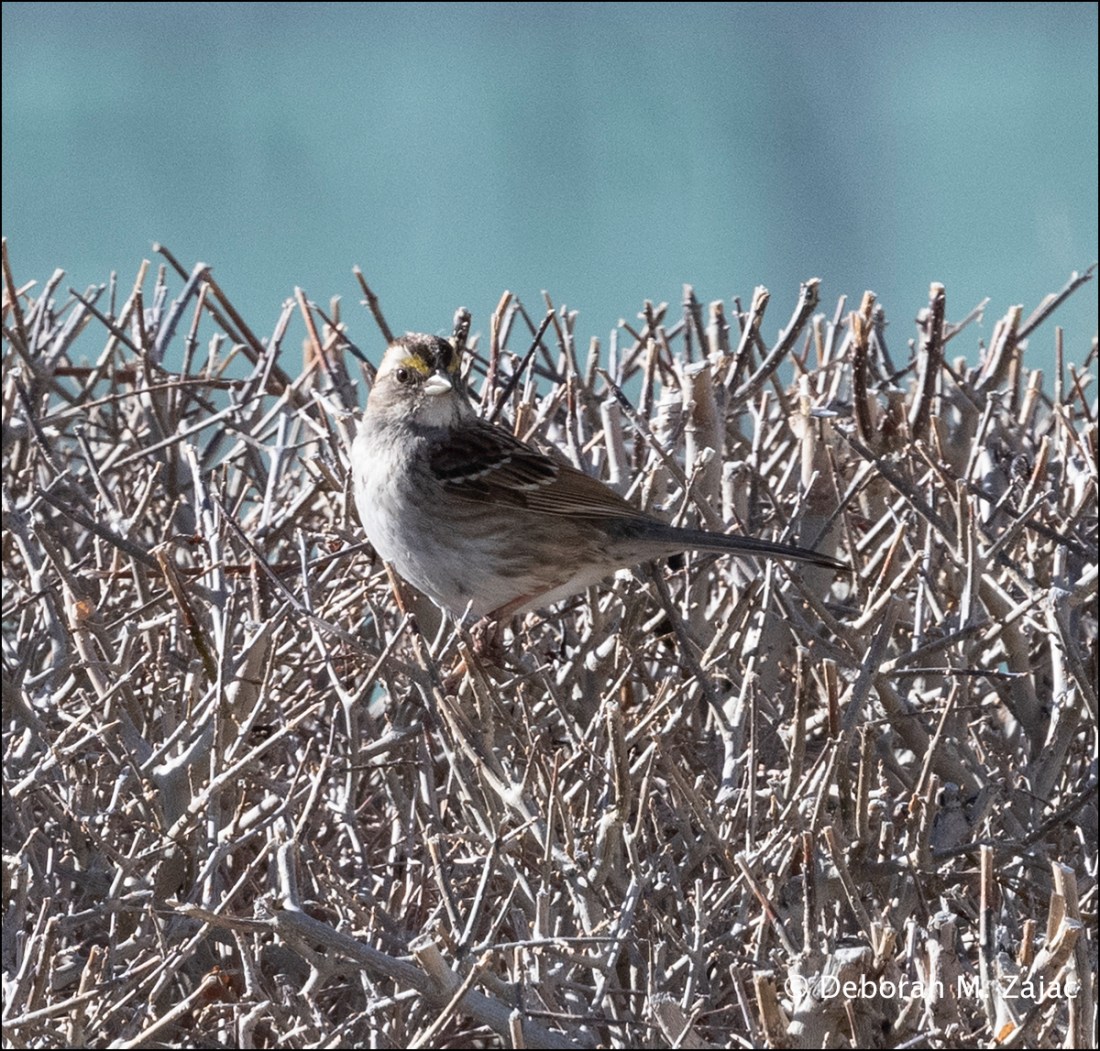
Back in late January or early February I heard there was a White-throated Sparrow up in Carson City. This is a rare bird for Nevada. The map doesn’t show it ever being here rare.

I’d never seen one before so I began the hunt for it. I only had a general location of where it was so I was covering a very large area and staying for hours photographing every sparrow and bird I saw.

I was unsuccessful 6 times over the course of about 6 weeks.

All the while this bird was being seen and reported by one guy almost every day while myself, and my neighbor were not seeing it! I can tell you it was frustrating! During this period there was another one seen, photographed, and reported on the birding site ebird.org up in Reno!

So, my neighbor and I went up and spent hours looking for it but, no joy there either. Sigh.

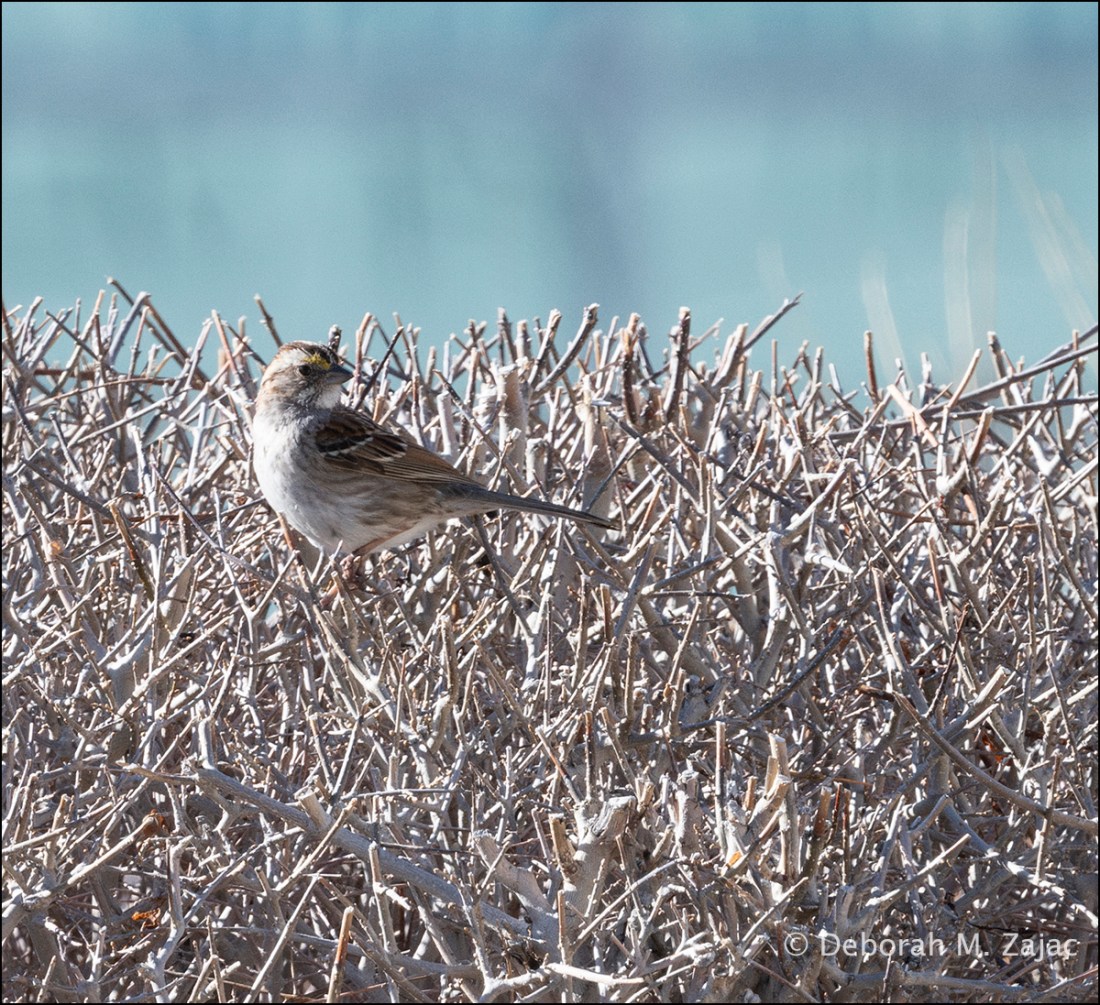
Then on a tip from a fellow birder who had seen it a week before in Carson City told me the which area I should try looking. I went back last week and hung around the area he suggested and got lucky! 💃💃😀The 7th times the charm!

White-throated Sparrow
White-throated Sparrow profile

Fun Facts:

  • The White-throated Sparrow comes in two color forms: white-crowned and tan-crowned. The two forms are genetically determined, and they persist because individuals almost always mate with a bird of the opposite morph. Males of both color types prefer females with white stripes, but both kinds of females prefer tan-striped males. White-striped birds are more aggressive than tan-striped ones, and white-striped females may be able to outcompete their tan-striped sisters for tan-striped males.
  • Although they look nothing alike and aren’t particularly closely related, the White-throated Sparrow and the Dark-eyed Junco occasionally mate and produce hybrids. The resulting offspring look like grayish, dully marked White-throated Sparrows with white outer tail feathers.
  • White-throated Sparrows typically nest on or near the ground. Occasional nests are built up to 15 feet off the ground in conifers. Usually, these nests are second attempts after a pair has had a ground nest robbed by a predator.
  • The oldest recorded White-throated Sparrow was at least 14 years, 11 months old, when it was recaptured and rereleased during banding operations in Alberta.

I have been birding a lot so have lots of birds to share in the coming weeks.

I hope you all have a lovely week-end.

Nikon D850| Nikkor 500mm PF-e| PS CC 25.5.0

Fun Facts gleaned from allaboutbirds.org

more to come…

Friday’s Feathered Friends- Ruddy’s got the Blues

Copyright ©2024 Deborah M. Zajac. ALL RIGHTS RESERVED. 

PLEASE DO NOT USE MY IMAGES WITHOUT EXPRESSED WRITTEN PERMISSION.

Things are changin’, Ruddy is showing off his Blues and Ruddy feathers for Spring and hoping he’s got what it takes to persuade a cute little female Ruddy Duck to be his love for the season.

Ruddy Duck in Breeding Plumage

Fun Facts:

    • Ruddy Ducks lay big, white, pebbly-textured eggs—the largest of all duck eggs relative to body size. Energetically expensive to produce, the eggs hatch into well-developed ducklings that require only a short period of care.
    • The bright colors and odd behavior of male Ruddy Ducks drew attention from early naturalists, though they didn’t pull any punches. One 1926 account states, “Its intimate habits, its stupidity, its curious nesting customs and ludicrous courtship performance place it in a niche by itself…. Everything about this bird is interesting to the naturalist, but almost nothing about it is interesting to the sportsman.”
    • Pleistocene fossils of Ruddy Ducks, at least 11,000 years old, have been unearthed in Oregon, California, Virginia, Florida, and Illinois.
    • Ruddy Ducks are very aggressive toward each other and toward other species, especially during the breeding season. They are even known to chase rabbits feeding on the shore.
    • Though Ruddy Ducks are native to the Americas, one population became established in England after captive ducks escaped in 1952. This population grew to about 3,500 individuals by 1992, and now appears to be expanding into the Netherlands, France, Belgium, and Spain.
    • Ruddy Ducks get harassed by Horned Grebes, Pied-billed Grebes, and American Coots during the breeding season. The grebes sometimes attack Ruddy Ducks from below the water, a behavior known as “submarining.”
    • The oldest Ruddy Duck on record was a male and at least 13 years, 7 months old when he was found in Oregon in 1964. He was banded in British Columbia in 1951.

Fun Facts gleaned from https://www.allaboutbirds.org/guide/Ruddy_Duck/

Nikon D810| Nikkor 500mm PF| PS CC 25.4

more to come…

Friday’s Feathered Friends- Hooded Mergansers

Copyright ©2024 Deborah M. Zajac. ALL RIGHTS RESERVED. 

PLEASE DO NOT USE MY IMAGES WITHOUT EXPRESSED WRITTEN PERMISSION.

I saw these in early January and since we’re on the very edge of their migration path I feel very lucky to have seen them.

The male has lovely dark coloring and a wonderful hood. During the courting season he continuously tilts his head all the way to his back and up again and back again with his hood raised as it is in this image while he swims very near the female trying to capture her as a mate. It’s called Head Throwing. He also gives her a hoarse croak. It’s pretty neat to see them courting.

Hooded Merganser Male

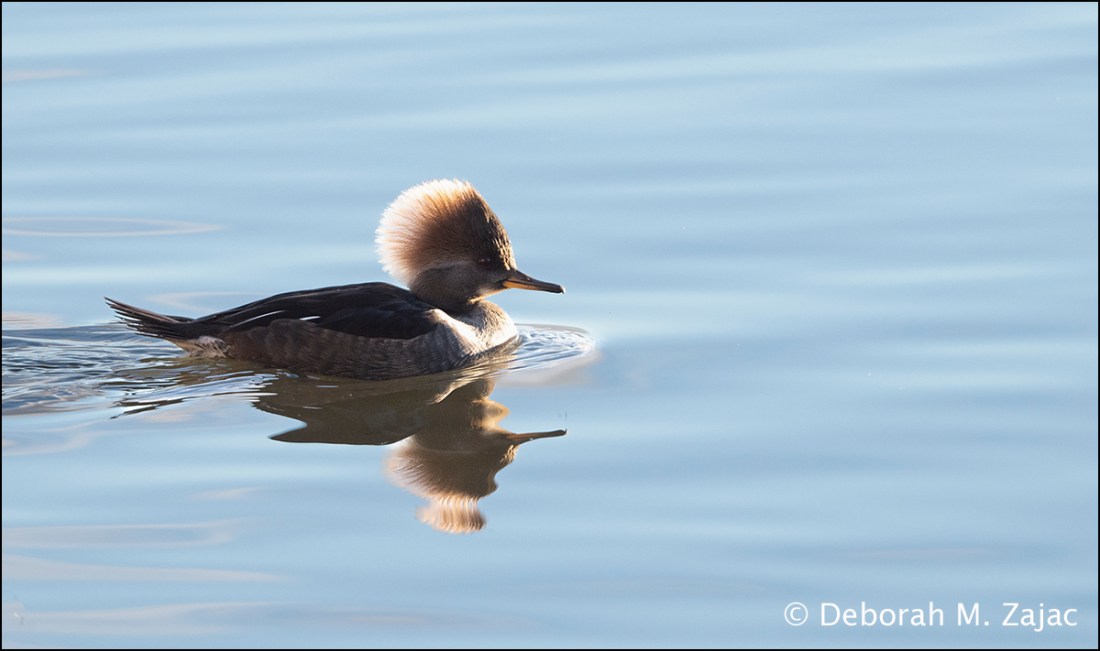
The female looks rather dull compared to the male but, her crown or hood is lovely too. I liked the way the sunlight lit up her hood.

Hooded Merganser Female
They were swimming somewhat far apart from each other on this morning and not interested in courting, but luckily their hoods were up.

Fun Facts:

  • Similar to other cavity-nesting ducks such as Wood Ducks, Common Mergansers, and Common Goldeneyes, Hooded Mergansers often lay eggs in nests of other ducks, both their own species and others. This is called “brood parasitism” and is similar to the practice of Brown-headed Cowbirds. In turn, other cavity-nesting duck species will parasitize Hooded Merganser nests. Female Hooded Mergansers can lay up to about 13 eggs in a clutch, but nests have been found with up to 44 eggs in them.
  • Hooded Mergansers find their prey underwater by sight. They can actually change the refractive properties of their eyes to improve their underwater vision. In addition, they have an extra eyelid, called a “nictitating membrane,” which is transparent and helps protect the eye during swimming, like a pair of goggles.
  • Hooded Merganser ducklings leave their nest cavity within 24 hours of hatching. First, their mother checks the area around the nest and calls to the nestlings from ground level. From inside the nest, the little fluffballs scramble up to the entrance hole and then flutter to the ground, which may be 50 feet or more below them. In some cases they have to walk half a mile or more with their mother to the nearest body of water.
  • On the bird family tree, Hooded Mergansers (genus Lophodytes) lie between goldeneyes (Bucephala) and the other North American mergansers (Mergus). They share many courtship behaviors and calls with both of those groups.
  • The Hooded Merganser is the second-smallest of the six living species of mergansers (only the Smew of Eurasia is smaller) and is the only one restricted to North America.
  • The oldest recorded Hooded Merganser was a male and at least 14 years, 6 months old when he was shot in Mississippi in 2009. He was originally banded in Minnesota in 1995.

Fun Facts gleaned from allaboutbirds.org

Nikon D810| Nikkor 500mm| PS CC 24.4

I hope you all have a great week-end. If the weather permits I’ll be birding this morning and will respond when I get home. If the weather is poor I’ll be here!😀

more to come…