A morning hike in Uvas Canyon

Myself and the Cheeky Monkey hiked in Uvas Canyon County Park this morning. To stretch out my legs, and continue training for a hike up to Cloud’s Rest in Yosemite this summer.

We picked the Alec Canyon Trail with a side trip up to Triple Falls.  The trail is steep in places, and there were a few fallen trees blocking the trail as we climbed higher. We had to crouch so low to get under one tree our backpacks got caught. I’ll feel that tomorrow in my quads I’m sure!

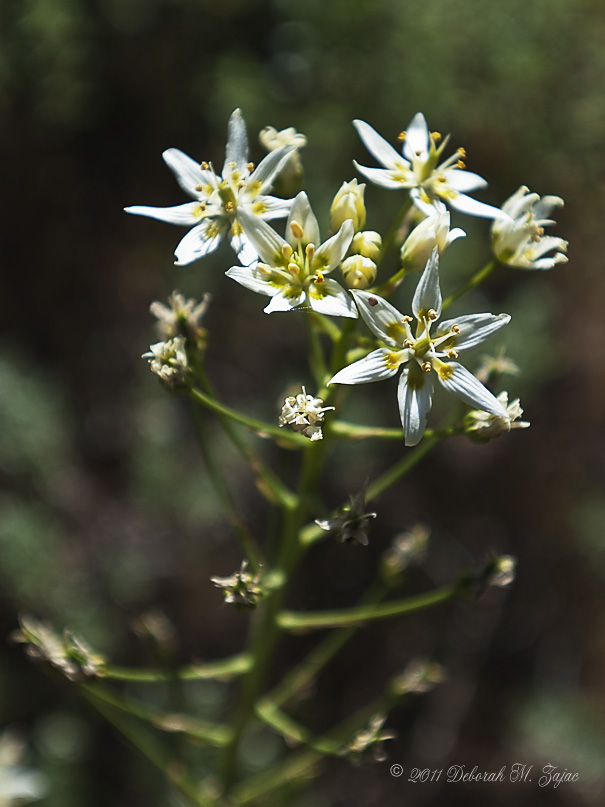
We saw a Common Star Lily about a mile up the trail. I don’t think it’s very common. It’s the first time I’ve ever seen this wildflower!

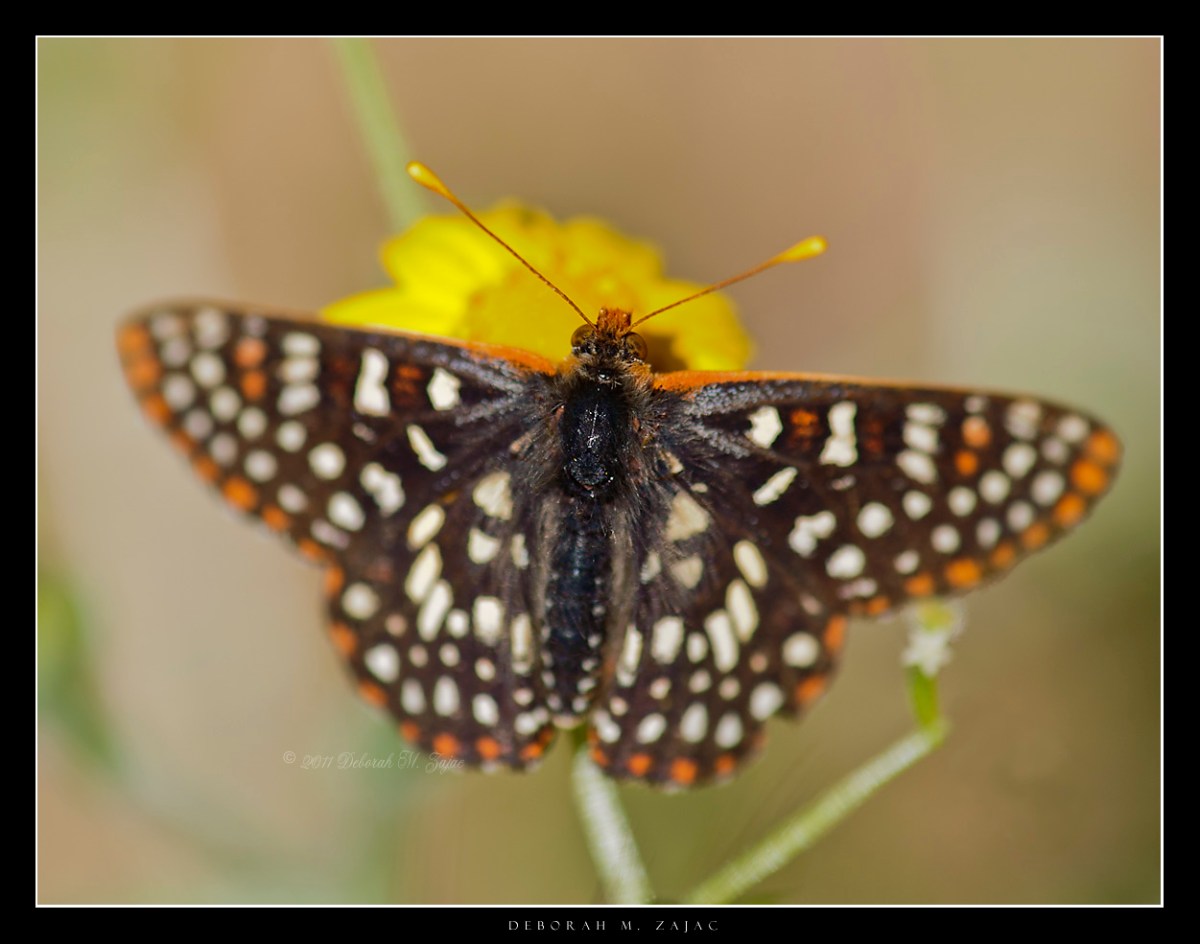
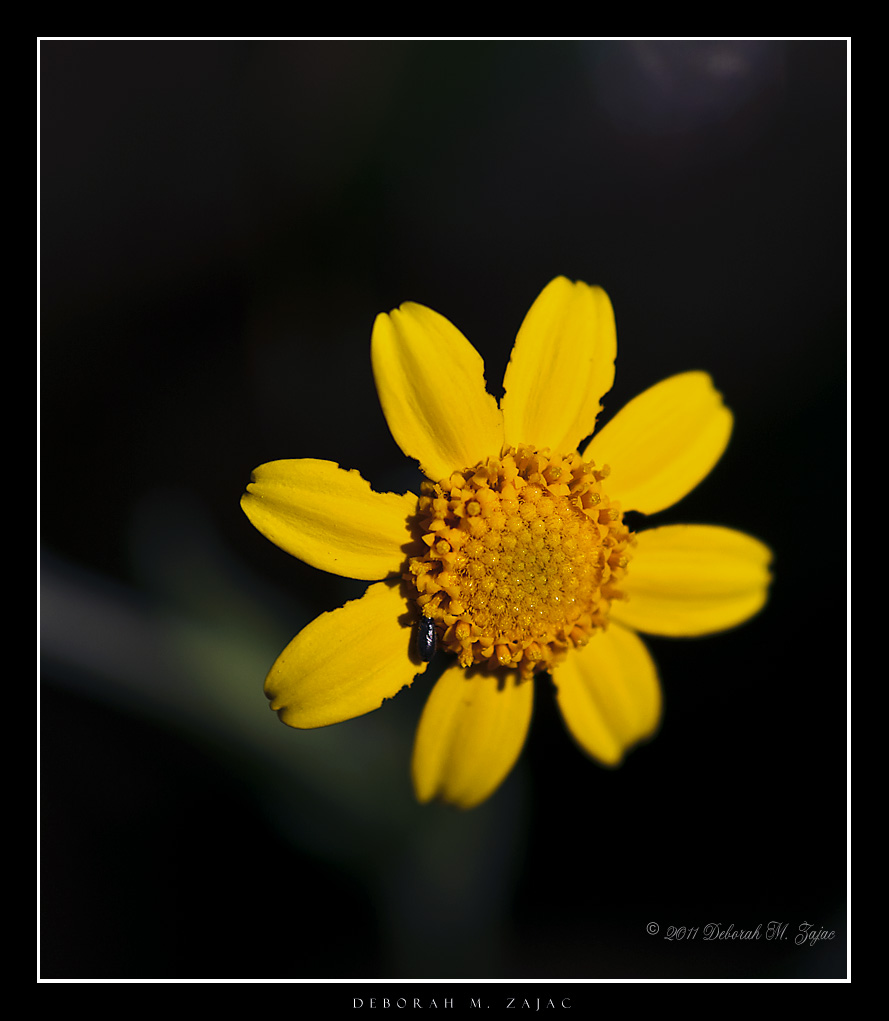
Other wildflowers we spotted along the trail were; Wild lilac, Monkey Flower, Thistle, I think I spotted some Trillium, Miner’s lettuce, and Leafystem Coreopsis that a Variable Checkerspot was warming up on. I used my Canon 500 D close up filter to try and get a good shot of him. I really do need to spend some more time playing with this. It’s neat, but does require some practice. The Depth of Field is very shallow as you can see on the butterfly, but I did manage a good close up the Leafystem Coreopsis.

Up at Triple Falls I worked a couple of areas, and nearly ended up in the creek when I slid down the embankment while on my way down to the photograph closer to the creek. The soil was loser than I thought it was.Thankfully it was a soft landing.

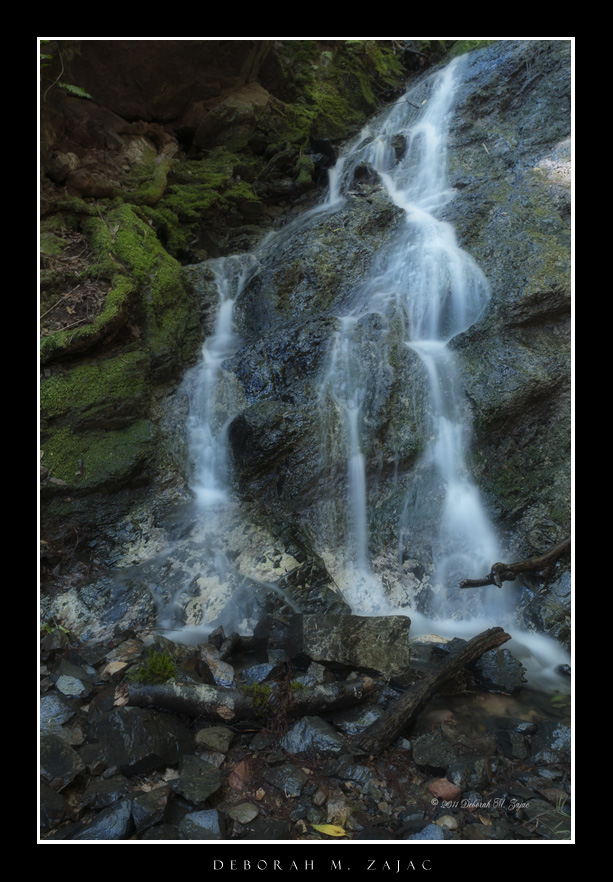
There wasn’t much color down where I was so I pulled myself back up the embankment after taking several shots of a little fall and pool. I moved over to photograph Triple Falls. It doesn’t look that big at first, but then you get to the observation fence and Whoa! It’s pretty high. It must fall 35 feet at least, but I liked the base the best today and the way it cascaded down a huge boulder.

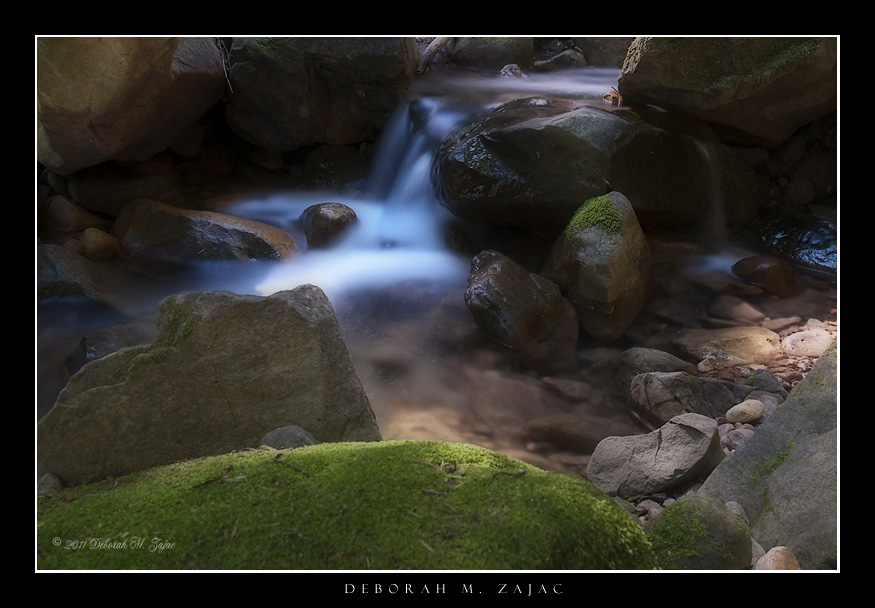
After we left Triple Falls we headed back up to the end of Alec Canyon Trail. There were groves of Redwood trees, and the sound of the water cascading down the mountain, and chirping bird were lovely.  I tried to mimic one bird. I can do a Finch fairly well. We hiked up past the end of the trail deep into the canopy and found ourselves right on the creek, and to our delight there were lots of beautiful moss covered rocks and little spill overs to photograph. We worked this area for quite a while. I chose to use my B+W 3 stop Neutral Density filter today because it wasn’t too bright under the canopy, and I knew with that light it would be enough to slow down the shutter speed to get the look I was going for.

It was the first time I’d been to these sections of the park. I am looking forward to returning to them again in the future.

The hike details:

Total miles 3.54

Elevation gain: 900 ft

Nikon D300s| Nikkor 17-35mm & Nikkor 80-200mm| Canon 500D close up filter| B+W 3 Stop ND filter| Handheld and Tripod

All Photos are Copyright © 2011 Deborah M. Zajac.  All Rights Reserved.

Spring Miracles

Copyright © 2011 Deborah M. Zajac.  All Rights Reserved.

Yesterday while on the way to Amador County in North Eastern California to visit a Daffodil Farm I was looking out the window enjoying the bucolic countryside that we were driving through. Horses and cows were grazing in pastures of tall green grass, country dwellers were felling dead trees and chopping wood, others were tilling the ground, and wildflowers were everywhere. Spring was definitely in the air!

Out in a pasture I spied what I thought were a ram and ewe about to procreate. We made a U-turn and parked so we could check it out. What was happening? The strangest behavior I’ve ever witnessed in the animal kingdom.

A Ewe was lying down in the grass, and an Alpaca had come over and sniffed her then went around behind her and mounted her. The Ram was nudging the Ewe with his head, and continually pawing at her and trying to get to do something…get up perhaps. The Ram also tried head nudging the Alpaca. The Alpaca totally ignored this. After several minutes the Alpaca got up went around to sniff the Ewe, and the Ram, then mounted her again. The Ram wasn’t happy. From the position of the Ewe I don’t think anything actually happened with the Alpaca. I think the Alpaca was to high- instead of where he needed to be, but he tried!
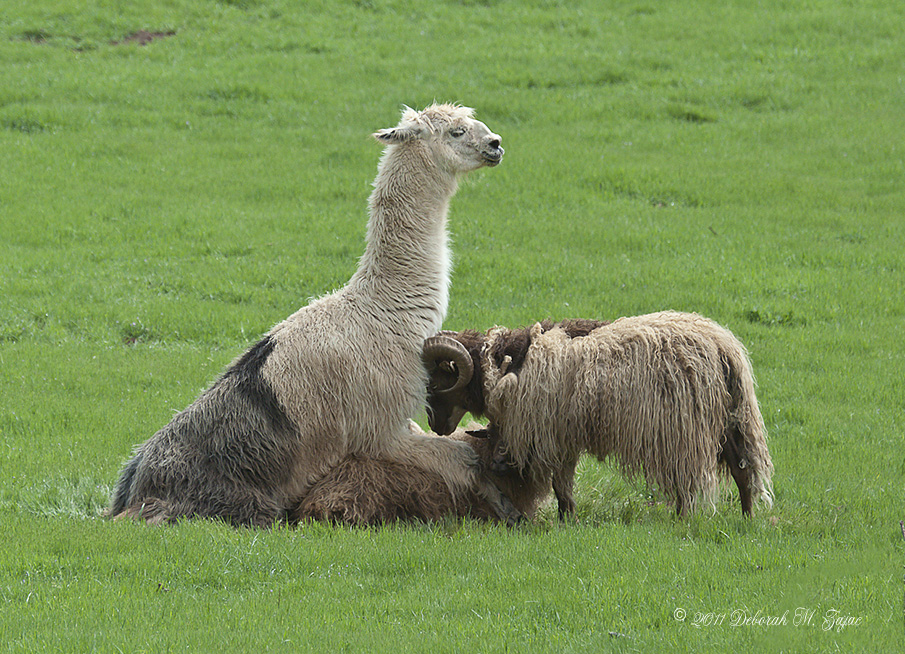
I was fascinated and could have watched for hours. Why would the Alpaca try to procreate with the Ewe? I confess in rural and animal husbandry experience and education I have next to none.  My friend, and I left after watching for about 20 minutes, but we planned to stop by to see how they all were doing on the way down the mountain.

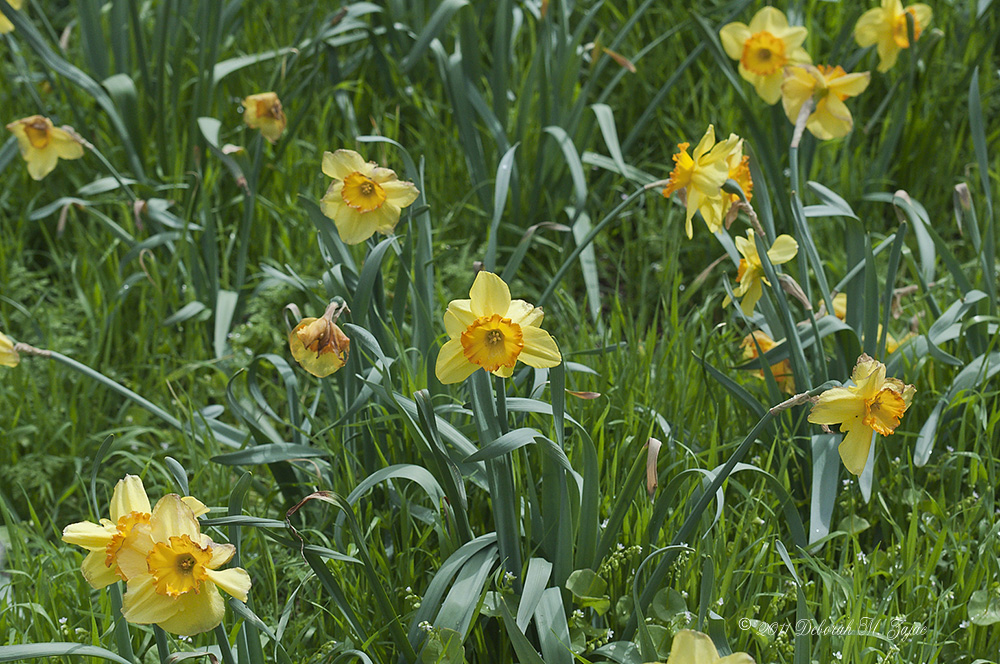
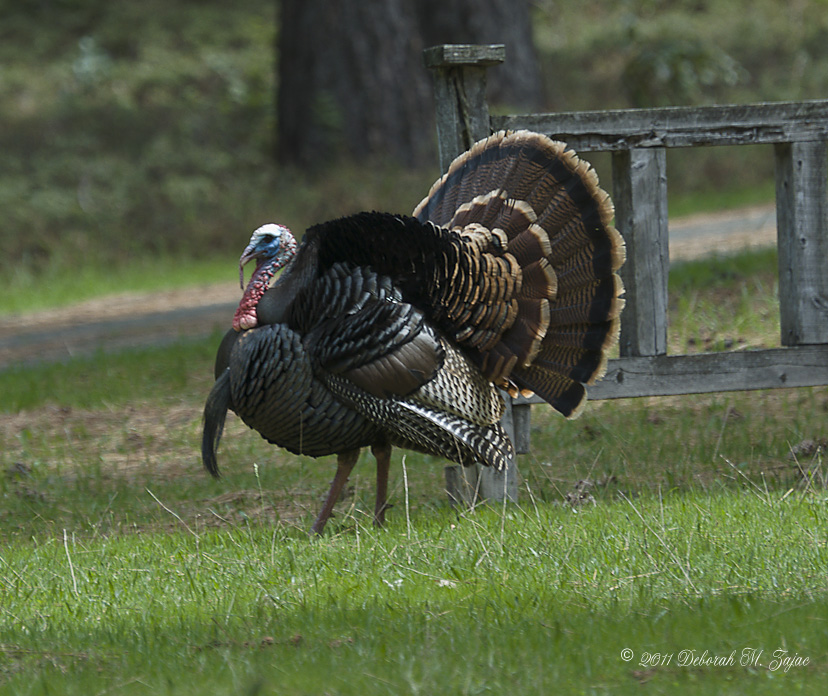
The Daffodil Farm was closed. They had decided that morning to close it for the year because the daffodils were looking quite haggard. From what I saw out front they were right.  I got a few shots of a few Daffodils then we decided to go do a Photo-walk in the cute little town called Volcano we had passed on the way up to the Daffodil Farm. We even had nice lunch in Whiskey Flat Saloon. We made an impromptu stop at a park called Indian Grinding Stone State Park, and later driving down the highway spotted a Tom Turkey courting a hen. We stopped to photograph him showing off his fine plumage.
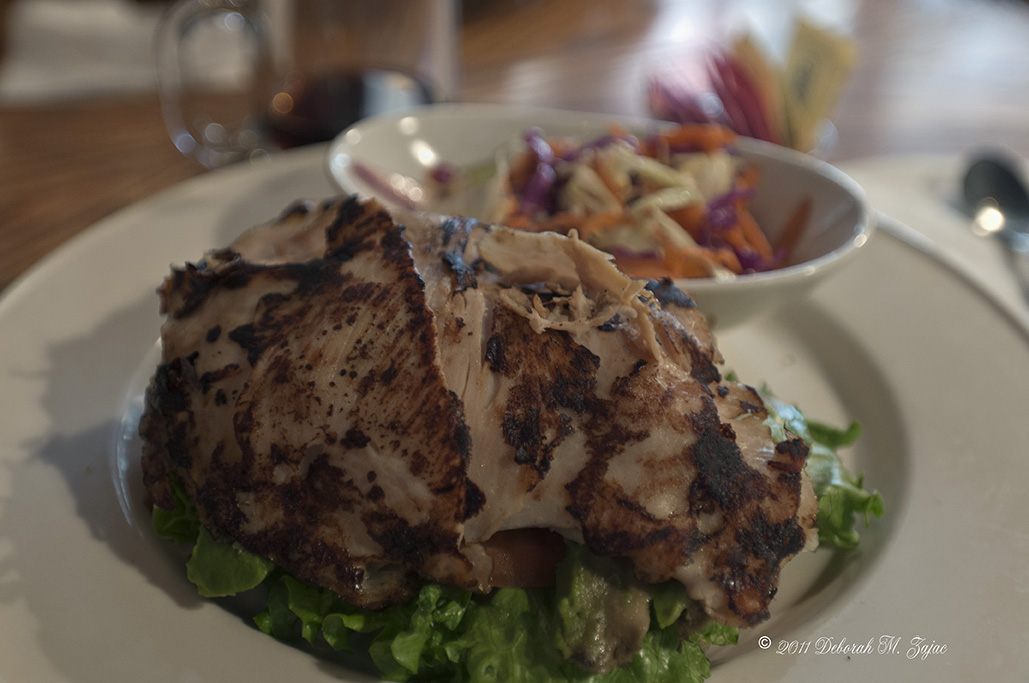
My Turkey sandwich. On the menu it was Turkey, Avocado, Bacon, & Swiss. After seeing the size of the burgers that came out of the kitchen I asked about the sandwich. It was more like a club sandwich with 3 slices of bread.

I had them hold the bacon, Swiss cheese, and 2 slices of bread. I forgot to tell them no mayo so I didn’t eat the lettuce or slice of bread it came with. The Cole Slaw was fresh, crisp, not too saucy, or sweet. I liked it. The portions are huge I suggest going here hungry!
Tom Turkey showing off his plumage. Isn’t he handsome!
Fast forward 3 hours:

We returned to the little turn out to check on the Ram. Ewe and Alpaca, but didn’t spy the Ewe or Ram straight away though we saw the Alpaca lying in the same spot the Ewe was earlier. Then I spied the Ram on the far side of the pasture and not far away was the Ewe lying in the tall grass.

I said to my friend Dali, “The road that skirts the pasture is public let’s drive down there and get a better shot at the Ram.” By the time we got over to a spot we liked then got our gear set up and shooting the Ewe had stood up, and the Ram had come over. While I was shooting my friend said, “What is that sac hanging out the Ewe’s backside? Oh I think she’s having a baby!”

What we discovered was she had just moments before delivered a Kid, and she, and the Ram were in the process of cleaning it. We were so excited, and waited with anticipation for the Kid to make its first attempts at standing and nursing.

While waiting and watching I was also looking around the pasture at the other Ewes, and the Alpaca. I noticed that several Ewes were mothers and they each had 2 kids. I said to Dali, “I think she’s going to deliver one more because all the other Ewes have 2 kids. “  Thinking back on my experience with cats and kittens I thought she would clean this first kid up, make sure it could stand then she would deliver the second kid.

About 20 minutes later the Kid stood, and it’s bleating grew stronger and louder. It was thrilling! The Ewe was such a good mom she licked and sniffed her new Kid and was quite tender. The Ram had moved away and eating in the pasture. About 10 minutes later the Ewe moved away from the Kid and lay down in the grass and of course the new little one followed her on shaky and wobbly legs then plopped down beside her. I saw her breathing got faster and heavier and I said, ‘”She’s in labor!”  I did my best to keep my voice down I didn’t want to disturb them at all, but they knew we were there.

Then she had a contraction and she lifted her head, but didn’t make a sound, she bent her head, then reared her head closed her eyes as her belly contracted time and again.

It didn’t take long. In about 3 minutes I thought she’d given birth to her second Kid.

The Ram approached, sniffed the Ewes face, then went to where I thought the Kid was and sniffed confirming my belief that the Kid had indeed been born.

The Ewe stood then began to clean the newly born Kid. The first-born kept trying to nurse and get Mom’s attention which distracted her from getting the 2nd kid cleaned up, but about 30 minutes later the 2nd kid stood and tried to find the tit to nurse.

This video was shot with Nikon D90| Nikkor 70-300mmVR- Hand-held

The total time for both births was about 1 hour 10 minutes. I took this short video shortly after the second Kid was able to stand.

https://circadianreflections.wordpress.com/2011/04/23/spring-miracles-3/

This was the most amazing, and wonderful experience to witness.  This morning I woke up, and am still saying, “WOW!”

I lack the words to describe how I feel beyond the simple word “Wow!”  I run to song and poetry for times like this. A poet who writes words that resonate in my soul is Mary Oliver. This poem of hers expresses how I felt yesterday.

Morning in a New Land

In trees still dripping night some nameless birds

Woke, shook out their arrowy wings, and sang,

Slowly, like finches sifting through a dream.

The pink sun fell, like glass, into the fields.

Two chestnuts and a dapple gray,

Their shoulders wet with light, their dark hair streaming,

Climbed the hill. The last mist fell away,

And under the trees, beyond times’ brittle drift,

I stood like Adam in his lonely garden

On that first morning, shaken out of sleep,

Rubbing his eyes, listening, parting the leaves,

Like tissue on some vast, incredible gift.

~Mary Oliver-New and Selected Poems Volume One
 

Scenic Peak Trail-Training for Cloud’s Rest

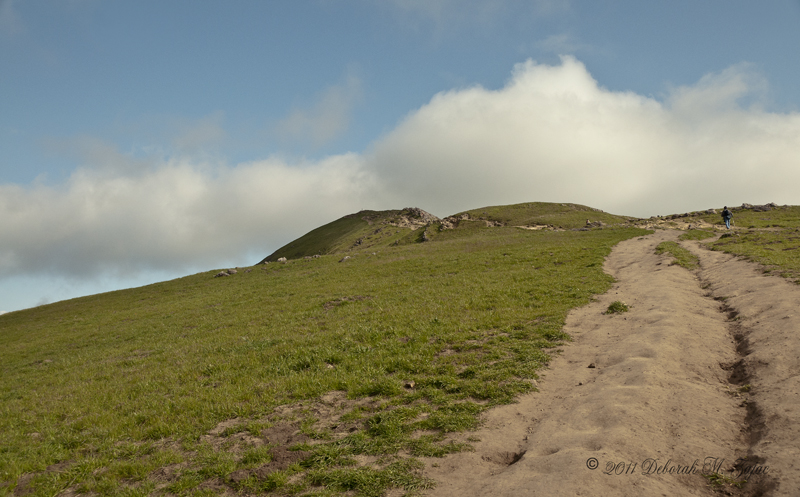
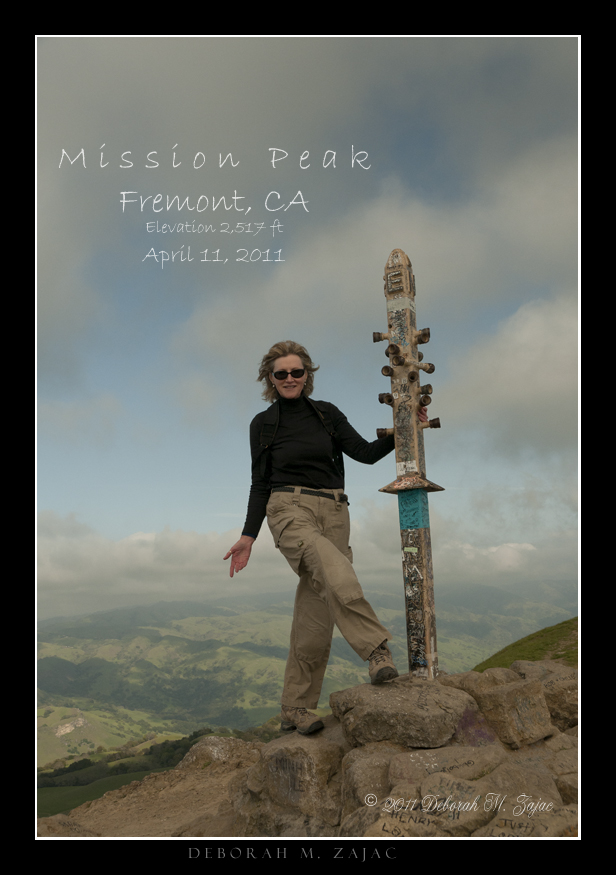
Myself and two friends hiked up to Mission Peak yesterday afternoon. I’m in training for a hike up to Cloud’s Rest in Yosemite this summer, and my friend Rachael is hiking to both Cloud’s Rest and Half Dome in early summer.  This was the first time hiking up to Mission Peak for my friend Dali.

The Peak trail is considered a good training hike because the ascent is steep and fast. You start at 500 feet and climb to 2,517ft in just about 3 miles. The route is quite pretty filled with wildlife and great views. Here is some of what I saw yesterday.

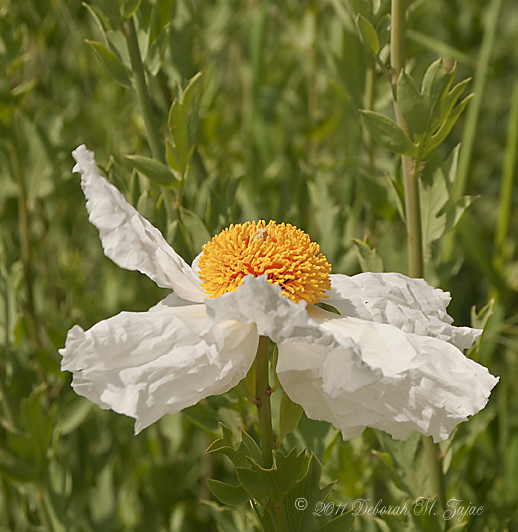
I spotted several wildflowers along the trail yesterday; Spring Vetch; California Poppies; and Buttercups, but the flower I liked the best was this Coulter’s Matilija Poppy growing along the road near Ohlone College. I love the big billowy pedals, and wonderful yellow center. It’s a show stopper!

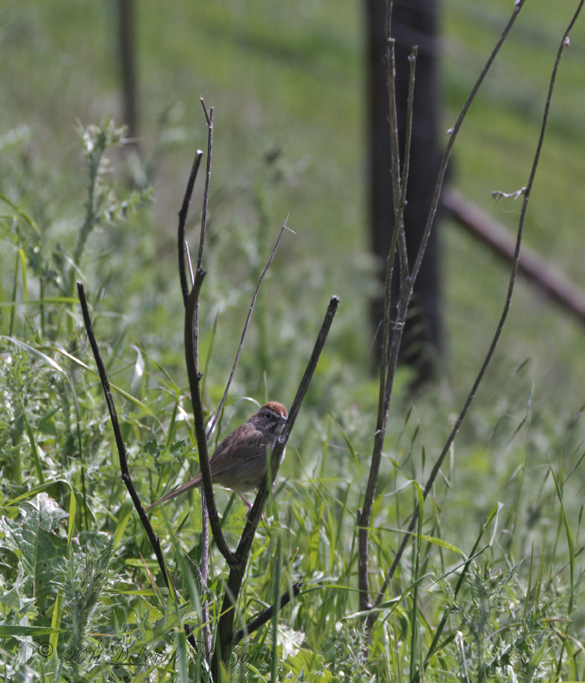
Not too far up the trail I saw this little Chipping Sparrow. I was so surprised he didn’t fly away when I stopped to take his photo.

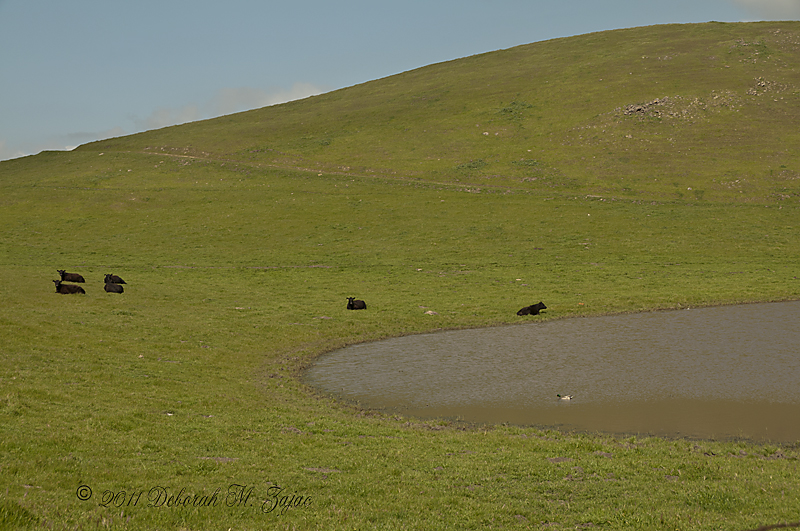
At the pond where the cows hang out I lose time taking photo after photo.

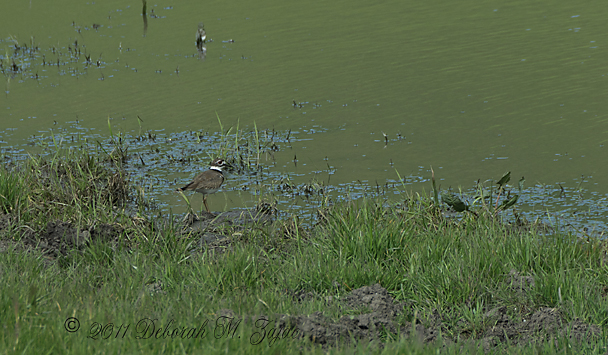
I saw a Killdeer up here for the first time.

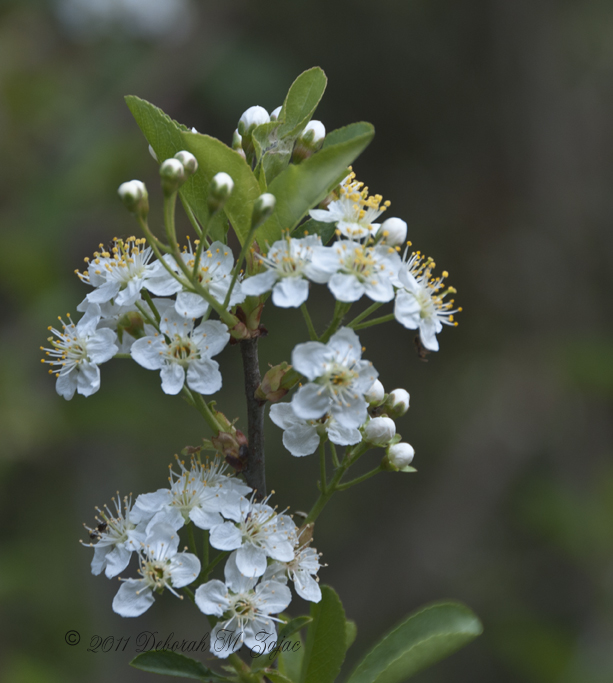
In the woodland a Bitter Cherry (I think) was blooming.

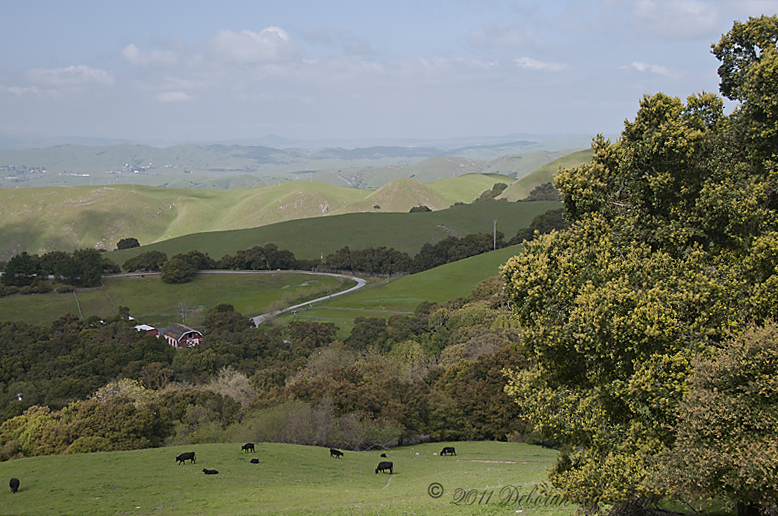
About halfway to the top we come to my favorite view. You have to turn around to see this lovely Red barn nestled in the trees.

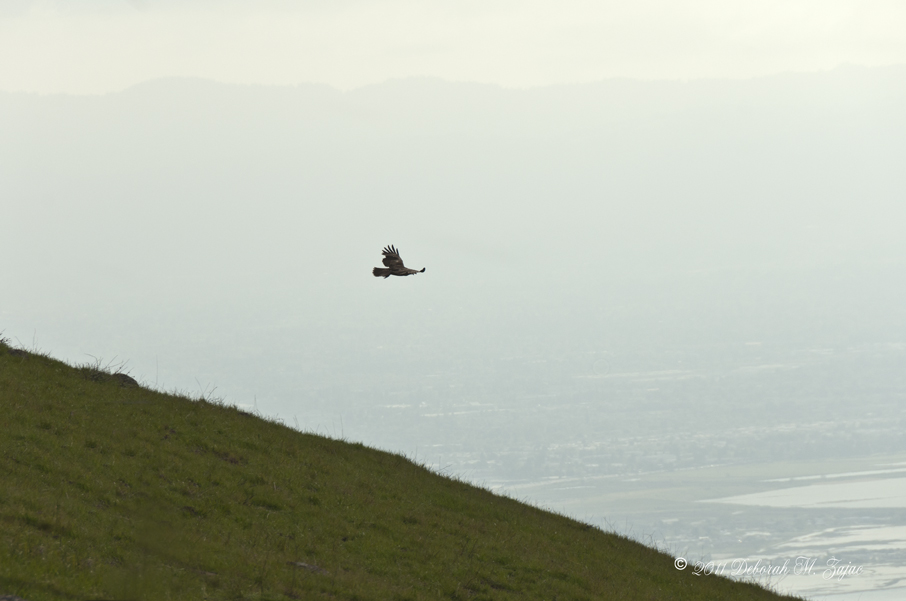
Yesterday we spotted a Red Tailed Hawk flying from one side of the trail to the other. He would circle awhile then land on a rock and watch his territory.  I travel light when hiking up here so I didn’t have my longer lens with me, but wished I did.

Looking back – Fremont and the Bay

Only 300 feet from the top now! This part of the trail is brutal. It’s the steepest, and very rocky the higher you get.

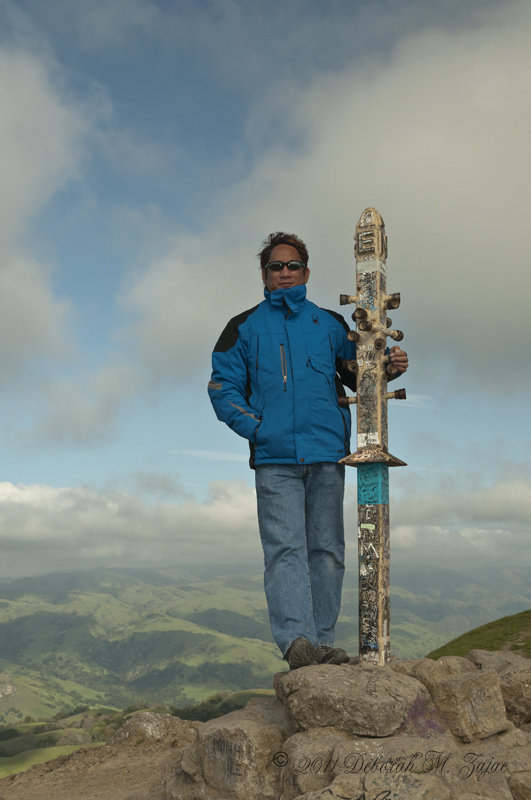
Rachael is a great hiker she moves a lot faster than I do. She made it to the top about 20 minutes before me. Dali not far behind Rachael peaked about 10 minutes before me. I knew he wouldn’t have any trouble making it to the top.

Dali

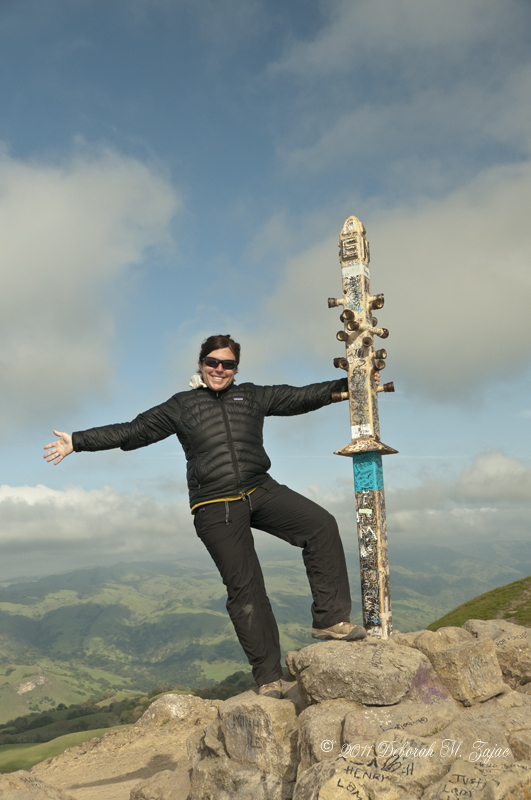
…and here’s me. I made it!

This was the 7th time  I’ve hiked this trail and 4th time peaking.  I have a goal of climbing up here 4 times this year I’m halfway there! I’ll probably have to step it up and come up here more if I hope to make it to Cloud’s Rest this August.

One thing is for sure. The hike up is always beautiful, and I see something different each time I come.

Nikon D300s| Nikkor 18-200mmVR| Handheld and Tripod

All Photos are Copyright © 2011 Deborah M. Zajac.  All Rights Reserved.

Series- 4 ImageTheme- Mesquite Sand Dunes

Copyright © 2011 Deborah M. Zajac. All Rights Reserved.

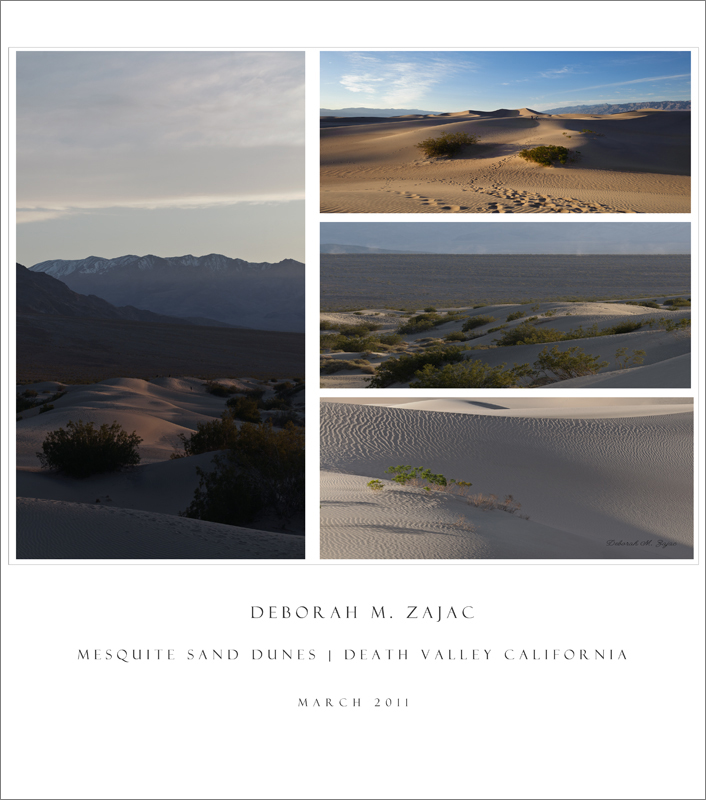
Field trip with West Valley College’s Photography Dept. to Death Valley National Park.

4 images taken in the Mesquite Sand Dunes. An assignment for those of us taking all sections of the field studies class was to produce a 4 image theme. I didn’t go into this assignment with any pre-conceived ideas or thoughts. I thought the best approach for me was to go out and shoot whatever I felt compelled to shoot then once home look at all my photographs and see if a “theme” emerged.

What I found when I uploaded all my photographs from the trip was that while out on the Dunes I used the Creosote bushes quite a bit for leading lines, frames, and points of interest; sometimes without being consciously aware that I was doing that. Do I see more in a “compositional” frame of mind than I think I do? One the components of art/photography I feel I struggle with the most is composition, and “seeing” the shot. I think it’s something I’ll always have to work at.

The Creosote bushes were in bloom when I was here. Each time I passed by a bush I could smell its sweet perfume, and I was treated to a symphony of Spring time by the many bees that were busy buzzing from blossom to blossom.

1. “Last light” Sunset Mesquite Dunes
2. Footprints on the Sands of Time
3. Dust up!
4.We need time to dream, time to remember, and time to reach the infinite , time to be.~Gladys Taber

Nikon D700 & Nikon D300s| Nikkor 17-35mm and Nikkor 70-300mm VR| Induro CF Tripod| Hoya UV filters

On Radio Road

Copyright © 2011 Deborah M. Zajac. All Rights Reserved.

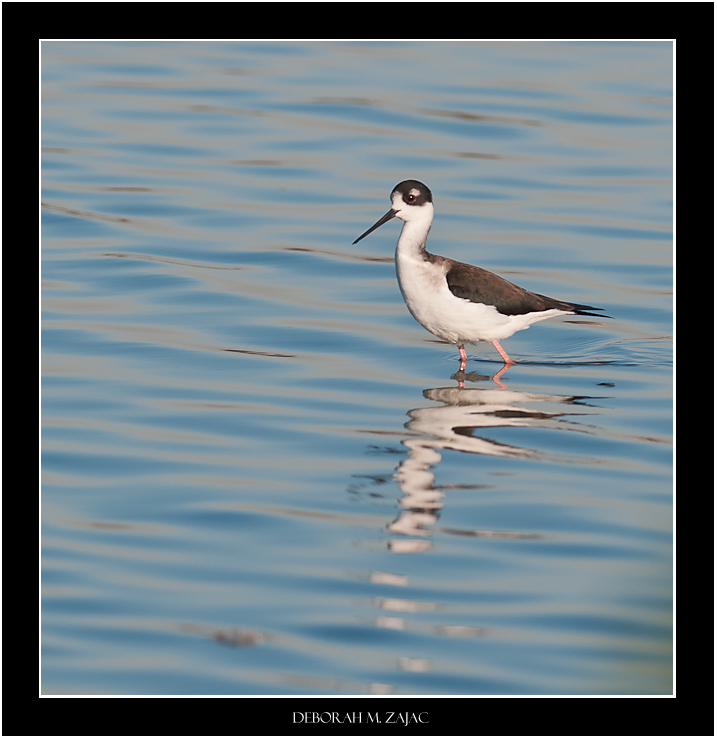
These birds make me smile! They have such a friendly face, but their walk is awkward…. and….stilted. Probably because they’re trying not to disturb the water as they hunt for food.

“The Black-necked Stilt forages by probing and gleaning primarily in mudflats and lakeshores, but also in very shallow waters near shores; it seeks out a range of aquatic invertebrates – mainly crustaceans and other arthropods, and mollusks – and small fish, tadpoles and very rarely plant seeds. Its mainstay food varies according to availability; inland birds usually feed mainly on aquatic insects and their larvae, while coastal populations mostly eat other aquatic invertebrates. For feeding areas they prefer coastal estuaries, salt ponds, lakeshores, alkali flats and even flooded fields. For roosting and resting needs, this bird selects alkali flats (even flooded ones), lake shores, and islands surrounded by shallow water.” ~ Wikipedia

For this shoot I met photographer, and friend Marianne Bush out at Radio Road which is part of Redwood Shores Reserves. After we shot around the lagoon for a while we walked over to a channel that feeds the lagoon where Marianne had spied a Bufflehead while we were driving in. An aquatic bird in the Sea Duck family that has been on my list for sometime. The Bufflehead was no longer there, but we did see this little duck below. Both Marianne and I were very excited because neither one of us had seen this bird before. Marianne being the much more experienced birder had an idea of what breed it might be. When we left we were both anxious to get into our bird books to see if we could identify it.

Marianne was able to ID it faster than I did. She wrote to tell me we had seen a Blue Winged Teal! Very uncommon on the West Coast. You can image how thrilled we both were. A month later looking at this photo I can still feel that thrill of excitement one gets when seeing a new species for the first time.

Nikon D300s| Nikkor 300mm f4 @ f5.6| 1/800 sec| ISO 200| Manual Mode| On a Tripod