PLEASE DO NOT USE MY IMAGES WITHOUT EXPRESSED WRITTEN PERMISSION.
Peek-a- Boo!
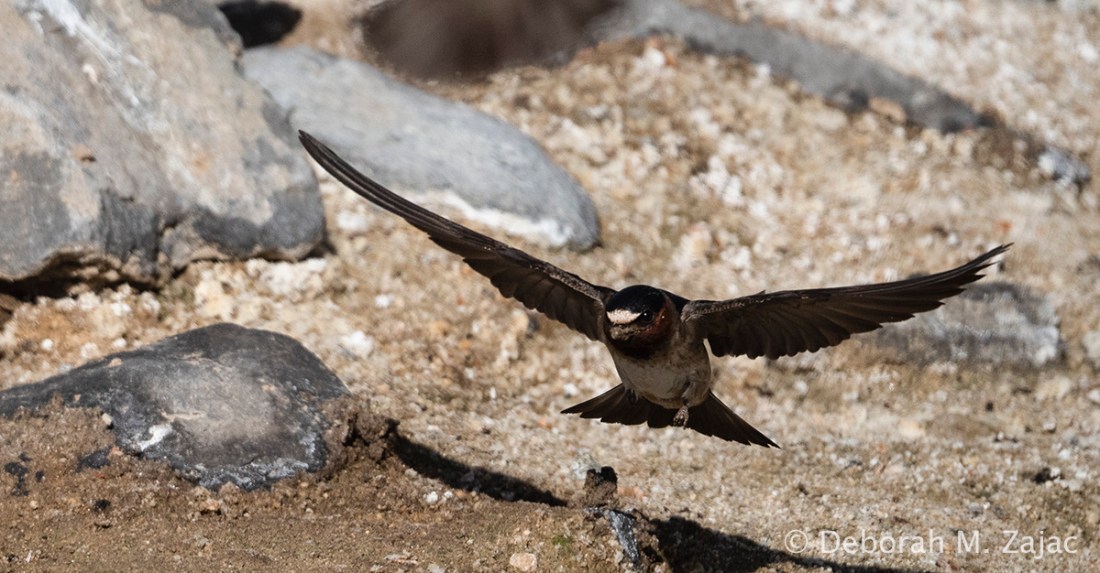
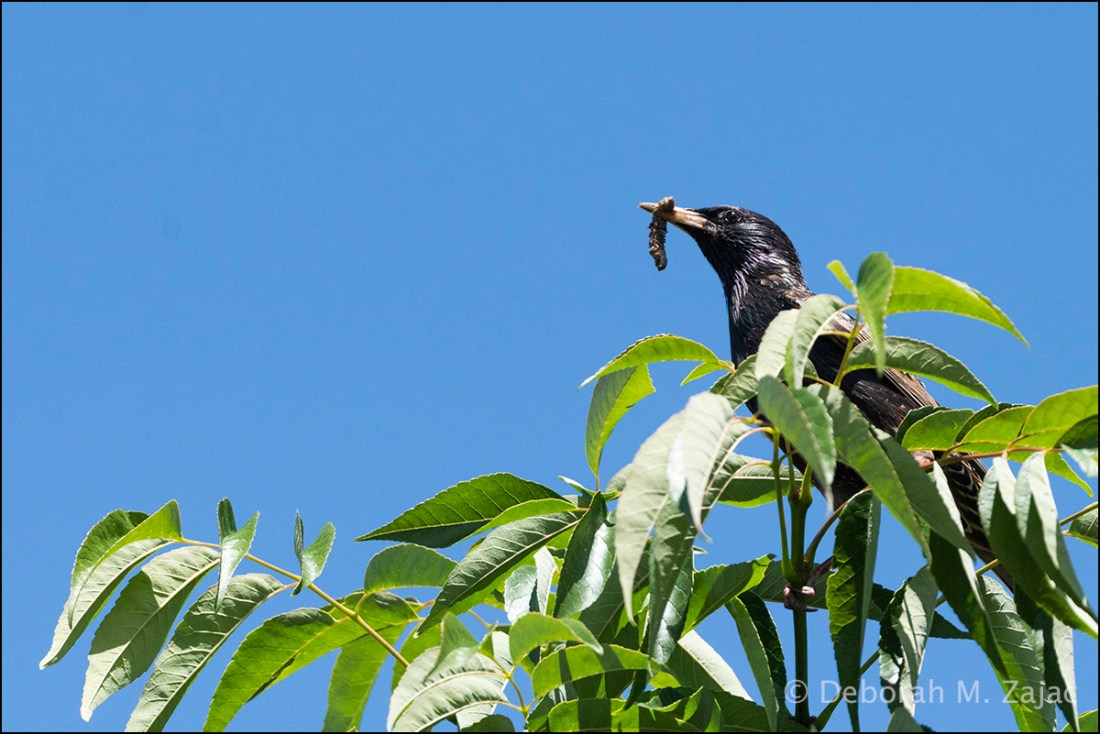
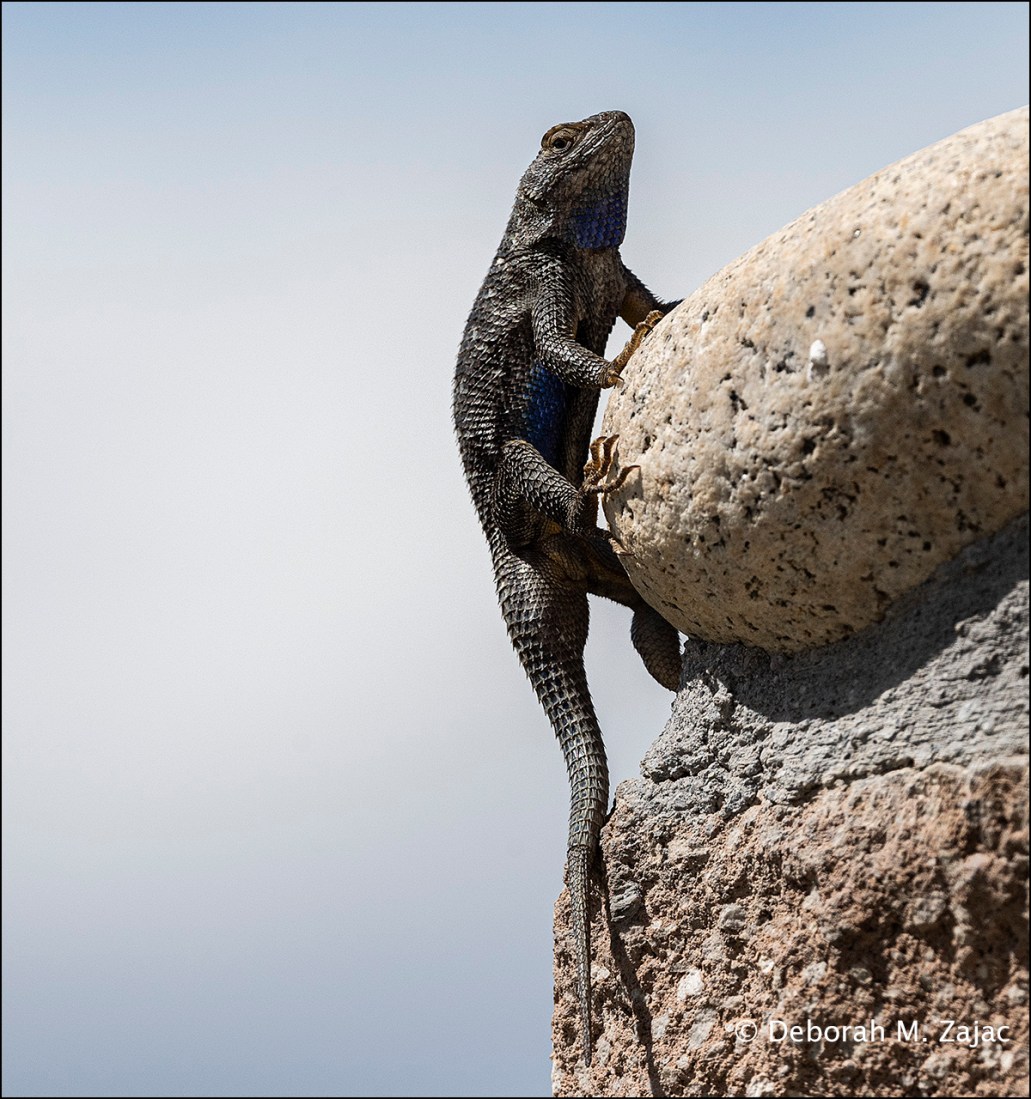
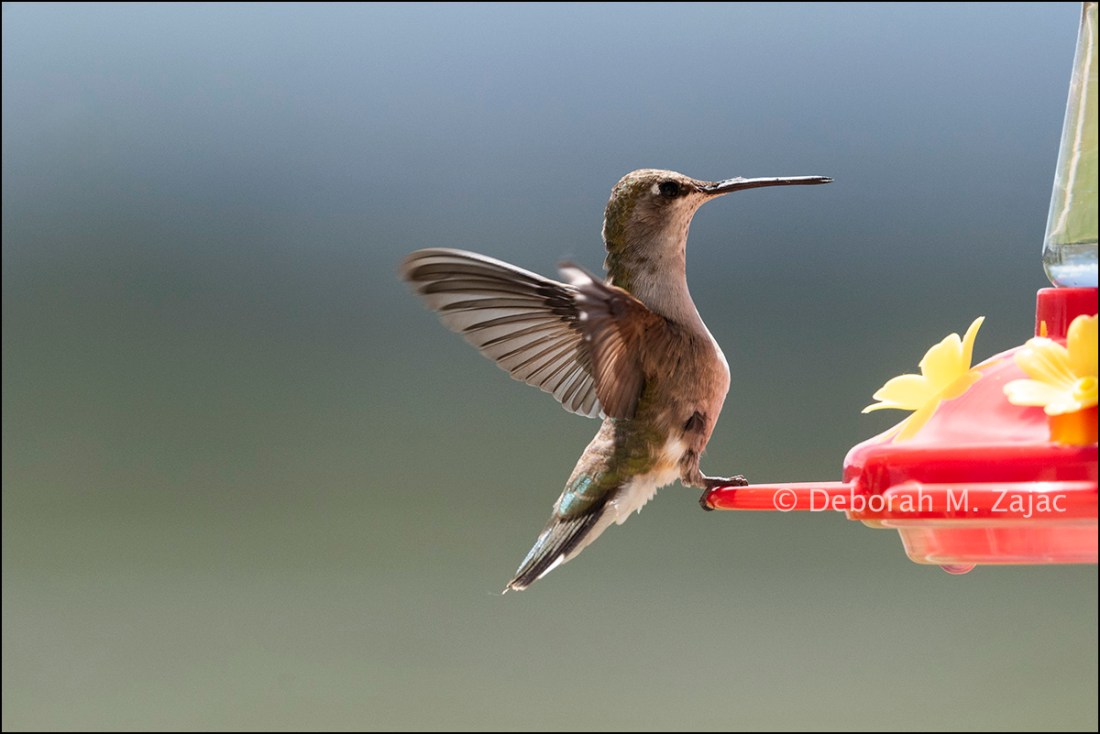
Here are several images of things that have caught my eye since my last post. Oh, and I bought a new lens so, I’ve been using it exclusively to make sure it’s a good copy. The last time I took my 300mm lens out it was hunting an awful lot…like it was doing many years ago when the Auto-Focus motor was going out which did quit working soon after. I had it repaired/replaced then, but the lens is so old now it’s not worth repairing so it has become a bookend and, I upgraded to a newer, longer lens.
Cliff SwallowEuropean StarlingBee WaspWestern Fence Lizard aka Blue Belly LizardBlack-chinned Hummingbird-First sighting of the year!
So, what do you think…the lens looks like a keeper? I love that it doesn’t weight a ton. It’s a little lighter than the 300mm it’s replaced!
#1 Grandson is here. He’s been here just over a week. We’ve been to the lake several times do some kayaking. We’re not sure how much longer he’s staying. He says another week. We’ll see. I think he’ll be missing his mom and littlest too much before then, but he can stay as long as he likes. 😍
I hope your week is going well, and your slide into the week-end is smooth and easy.
PLEASE DO NOT USE MY IMAGES WITHOUT EXPRESSED WRITTEN PERMISSION.
We’ve been having thunderstorms with lightening almost every day lately so I wasn’t sure I’d be able to see or photograph this month’s full Moon. The day before the full Moon we had storm clouds rolling in all afternoon, but then it cleared up about an hour before Moonrise so, I thought I’d photograph it in case the following night was too overcast to photograph it.
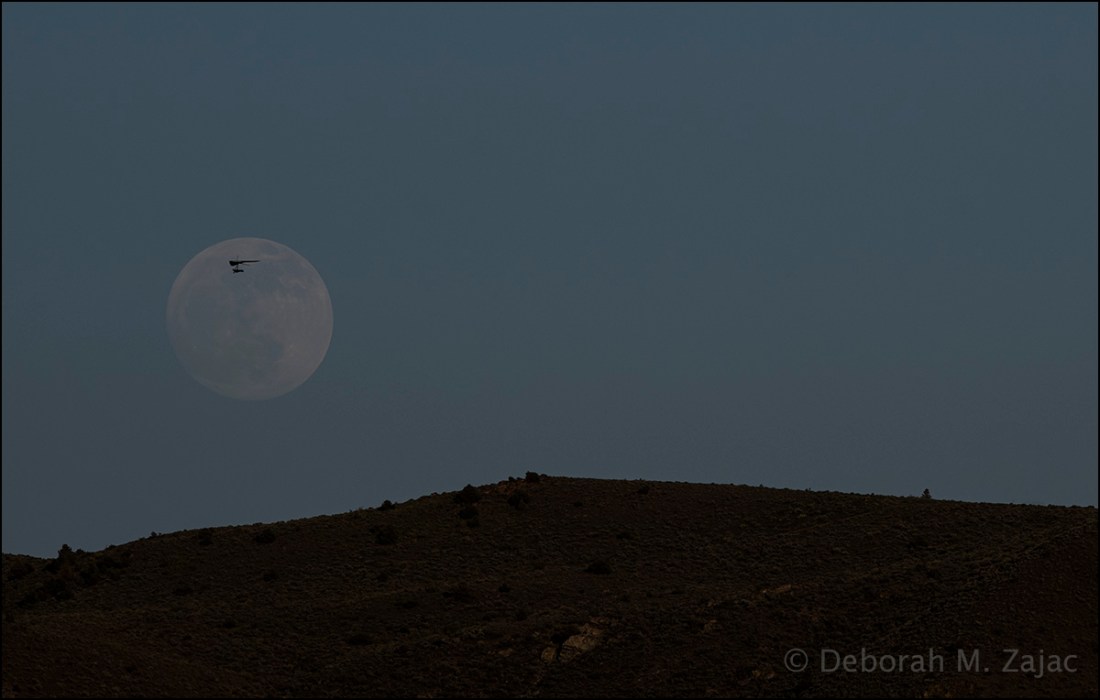
While waiting for the moon to rise enough to get past the mountains I saw a couple of people in Motorized-gliders flying around the mountain where the moon would rise. I hoped they were going to stay long enough for the moon to rise, and fingers crossed one or both would do a moon fly-by. One did!!
Waxing Gibbous 98.5%
It looks like a big bug doesn’t it? The sun was still up so the moon is really faded/washed out.
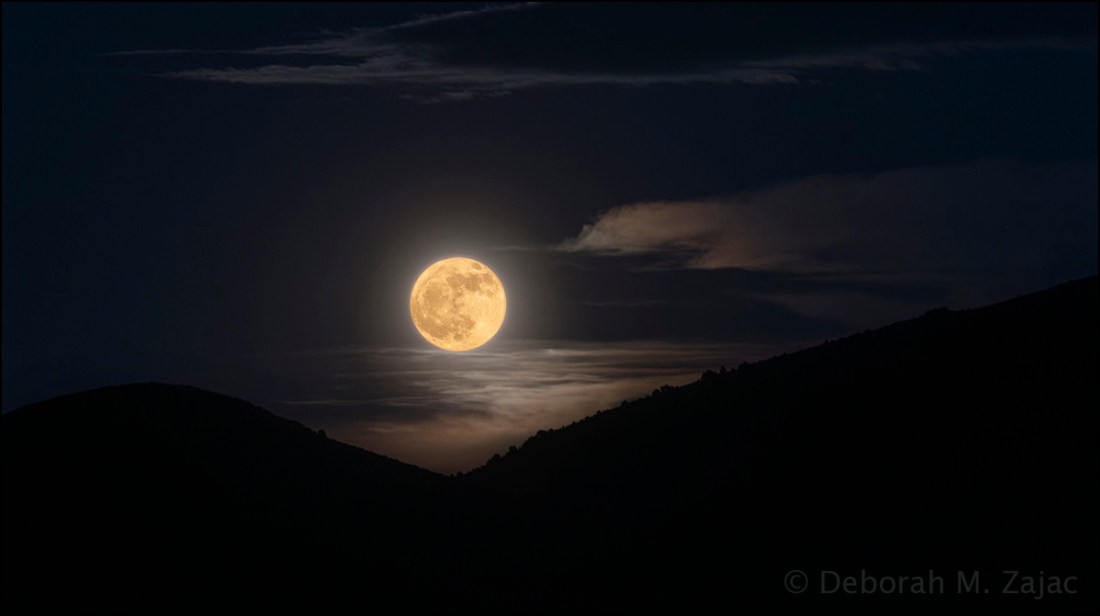
The following night there were enough breaks in the clouds that I was able to photograph the Full Moon. This is a two frame composite image.
One frame exposed for the sky and foreground and the other exposed for the Moon. I blended the frames in Photoshop.
Strawberry Moon
June’s full moon gets one of its names from the wild strawberries that begin to ripen during the early summer and be gathered by Native American tribes.
Other names for June’s Full Moon are:
Rose Moon, Hot Moon, and Mead Moon.
Yesterday the wind really picked up tossing two patio chairs across the patio, one cushion was blow across the entire patio, and a planter tipped over. The Zephyr wind wins again!😂 We also had some thunder and a little lightening, but both were several miles away.
Saturday #1 Grandson is coming to visit for a week or two for summer. We have plans to hit the grocery store and library straight-away. We hope the weather improves so we can go to the lake and take him paddling.
That’s all from here. I hope you’re having a good week!
PLEASE DO NOT USE MY IMAGES WITHOUT EXPRESSED WRITTEN PERMISSION.
We had friends from out of state come for a visit last week so I’m a bit behind with your posts, but I am beginning to get caught up. While showing our friends around the area we did a little birding and I spotted a pair of Bullock Orioles.
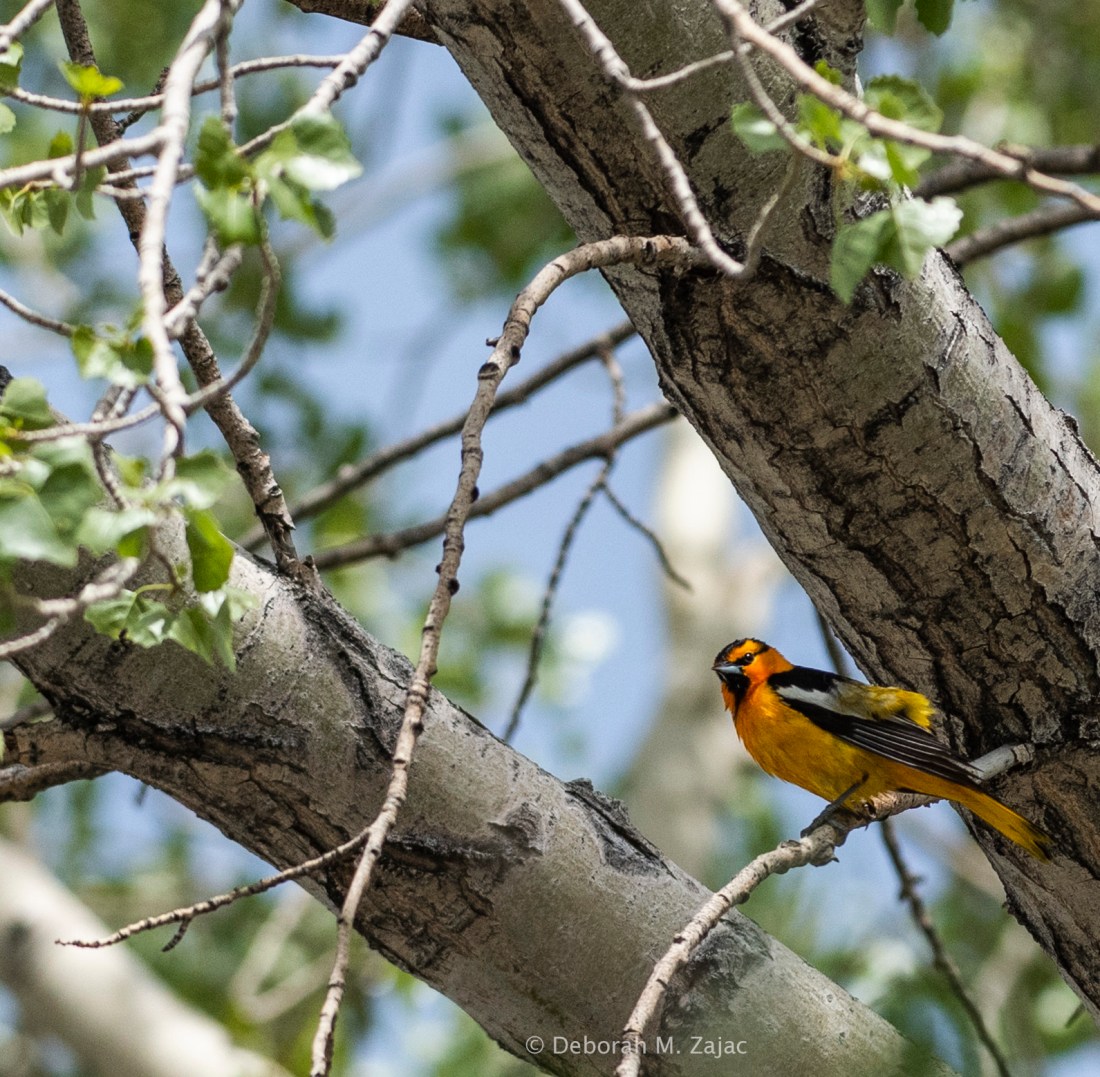
Here’s the Male.
Bullock’s Oriole, Male
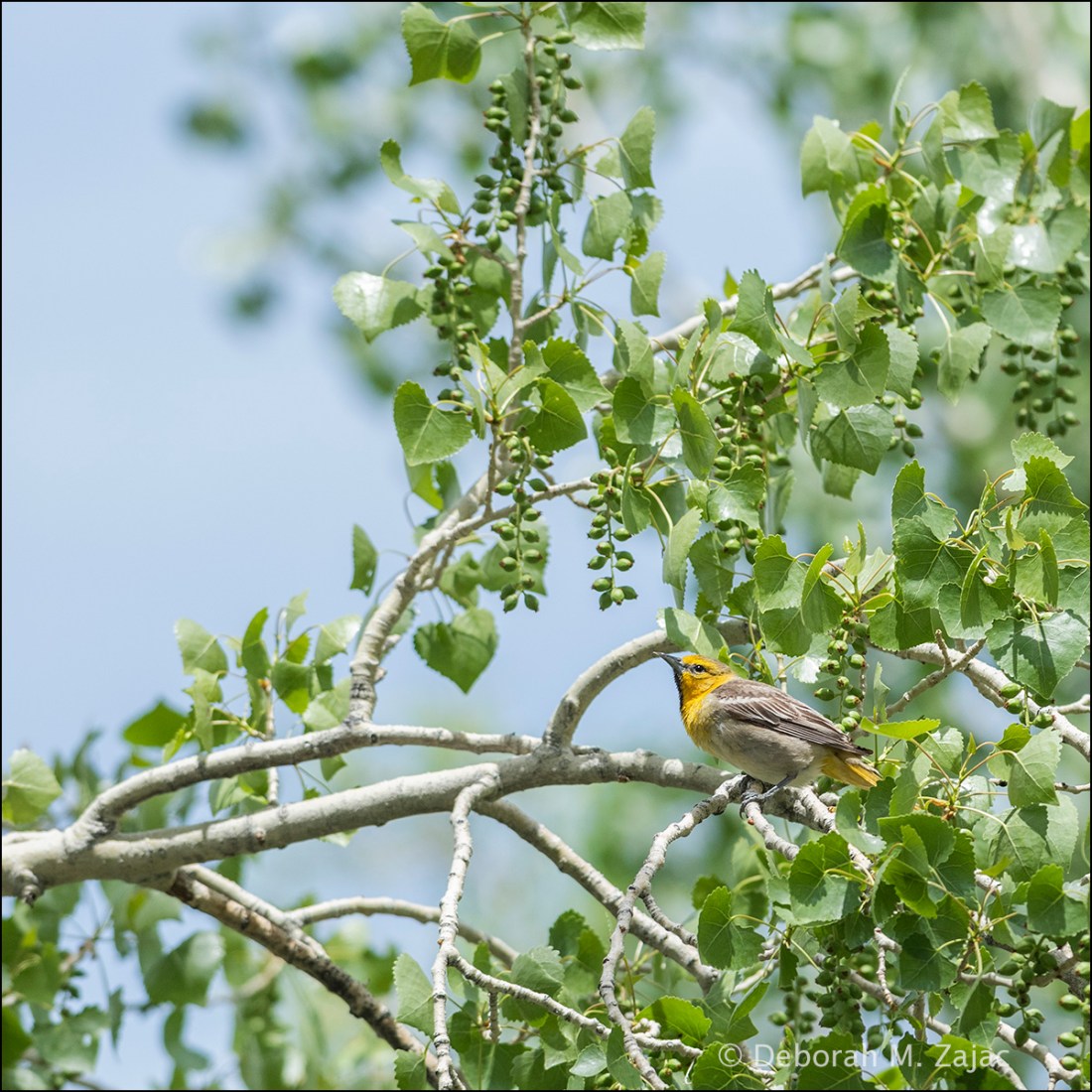
Here’s his mate. I spied her first.
Bullock’s Oriole, Female
They love the new seeds on/in Cottonwood trees. They’re here for the breeding season. Below are some fun facts gleans as always from allaboutbirds.org.
Bullock’s Orioles often take nectar from flowers, and they will sometimes raid hummingbird feeders for their sugar water.
Both male and female Bullock’s Orioles sing—the male more sweetly, the female often more prolifically.
In the Great Plains, where their ranges overlap, Bullock’s and Baltimore Orioles frequently hybridize. The two species were lumped together for a while as the Northern Oriole. Genetic research has since determined, however, that they are not very closely related.
The Bullock’s Oriole was described and named by William Swainson in 1827, drawing on material collected by English father-and-son naturalists William and William Bullock in Mexico.
Bullock’s Oriole pairs may nest outside the territory where the male advertises.
The oldest recorded Bullock’s Oriole was a male, and at least 8 years, 11 months old when he was recaptured and rereleased during banding operations in Colorado in May 2007.
I hope you all have a lovely week-end, and June has started off on the right note for you.



 Circadianreflections Blog
You must be logged in to post a comment.