Copyright ©2024 Deborah M. Zajac. ALL RIGHTS RESERVED.
PLEASE DO NOT USE MY IMAGES WITHOUT EXPRESSED WRITTEN PERMISSION.
I don’t think I’ve ever shared this bird before. This is an image I made last summer.
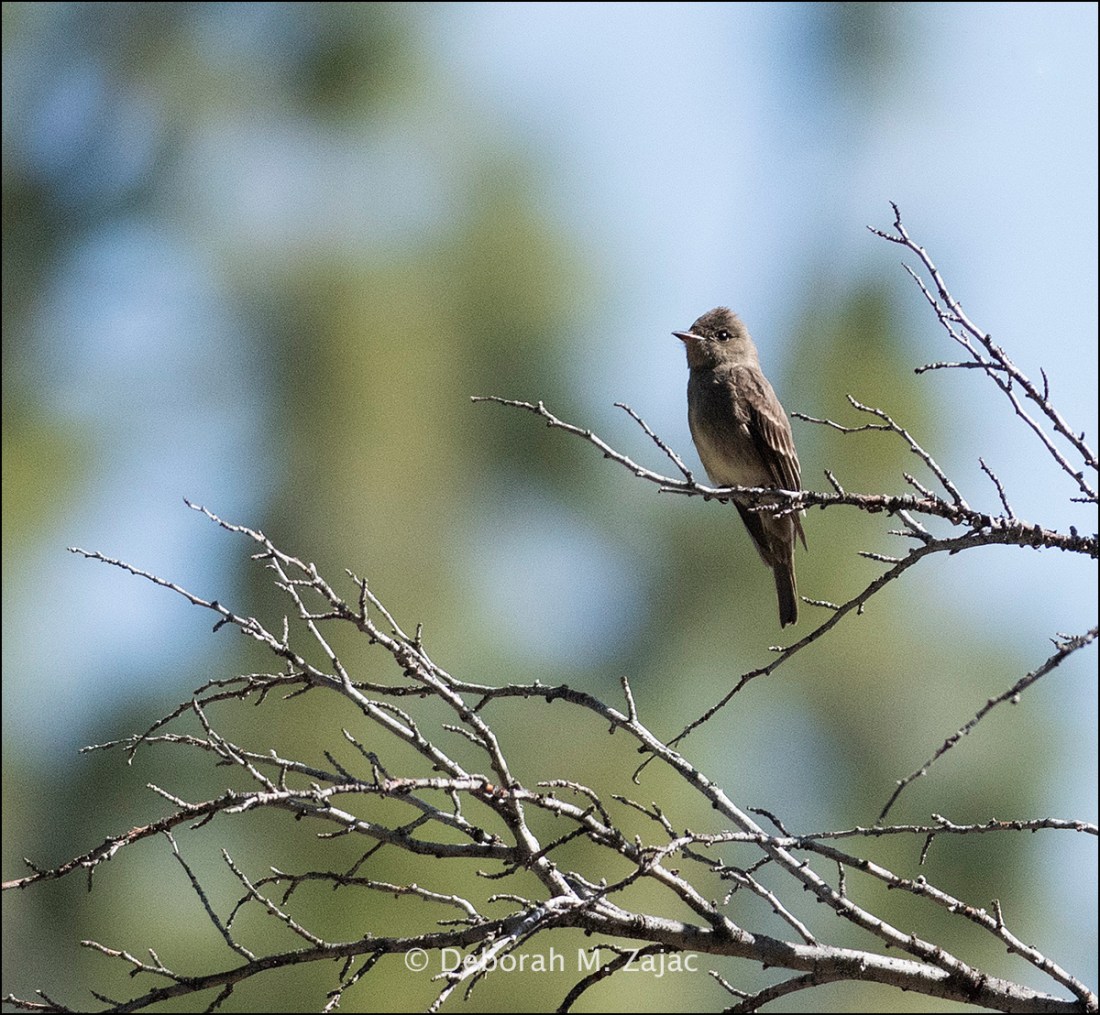
Fun Facts:
- The breeding ranges of the nearly identical Eastern and Western Wood-Pewees overlap only in a very narrow zone in the Great Plains. Despite the birds’ physical similarity, no evidence has ever been found that the two species interbreed in that area—perhaps because their songs sound so different.
- Where exactly the Western Wood-Pewee goes in the winter is still a mystery. Both Eastern and Western Wood-Pewees migrate to northern South America, but because they look so similar and they don’t call much on the wintering ground it’s hard to say for certain where each species spends its winter.
- The scientific name of the Western Wood-Pewee is Contopus sordidulus. Contopus comes from the Greek word kontos which means short and pous which means foot—referring to the relatively short legs on Contopus flycatchers. Sordidulus means dirty or unkempt, a reference to the dusky brown wash to the breast and flanks.
- The Western Wood-Pewee makes a clapping noise with its bill while chasing and attacking intruders in nest defense.
- The oldest recorded Western Wood-Pewee was a female, and at least 8 years, 1 month old when she was recaptured and rereleased during banding operations in California in 2002. She had been banded in the same state in 1995.
- Fun Facts gleaned from allaboutbirds.org
Nikon D810| Nikkor 300mm f/4| PS CC
We’ve been under a high wind and storm watch since yesterday morning. As I write this the wind is howling at 24 mph with gusts up to 47 mph. They’re saying we may get 8 inches of snow between now and Saturday. The sun is out, the clouds are big white and fluffy in some spots to the east but, gray and looming over the Sierras to the west. As you can imagine we’re hanging out at home.
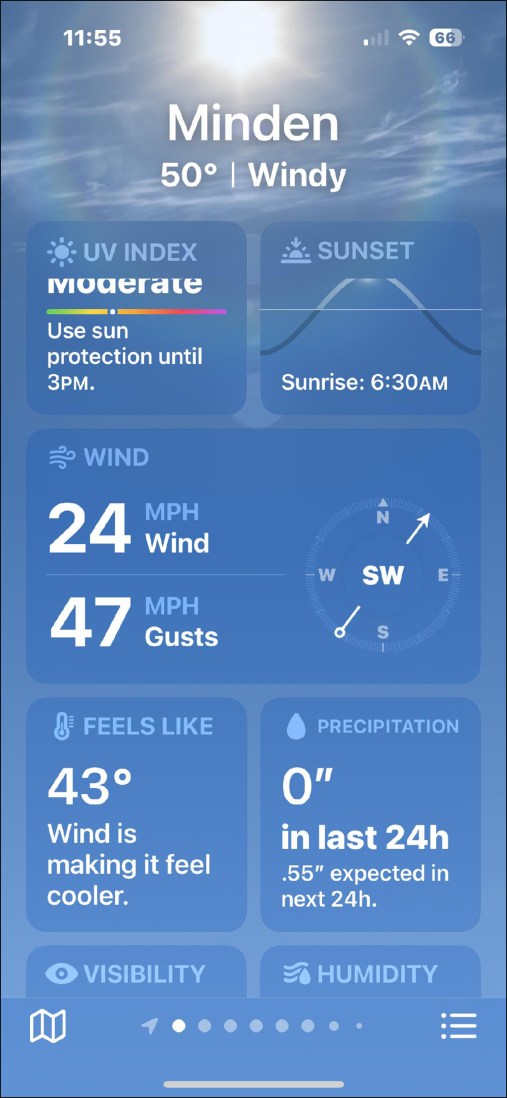
I was planning to go birding with a local birding group this morning, but due to the weather that’s been rescheduled.
I’ve been re-watching The Expanse while waiting for the new season of Vera to be released on Wednesday. After I finish The Expanse I’ll be binge watching Vera if all the episodes are available, and I’m still working my way through the Woodlands and Trees Ready to Paint class in a book. I finished exercise 6 but, the little wood bridge over the creek came out really wonky…even more wonky than my normal wonky so, I’m on my second attempt with that one, and I mixed up a dark green shade of paint that I don’t like on this second pass, so they’ll probably be a 3rd attempt at mastering exercise #6. 😀
That’s me all caught up. What’s happening with you?
more to come…
 Circadianreflections Blog
You must be logged in to post a comment.